Marketplace of Heavy Machinery Spare Parts

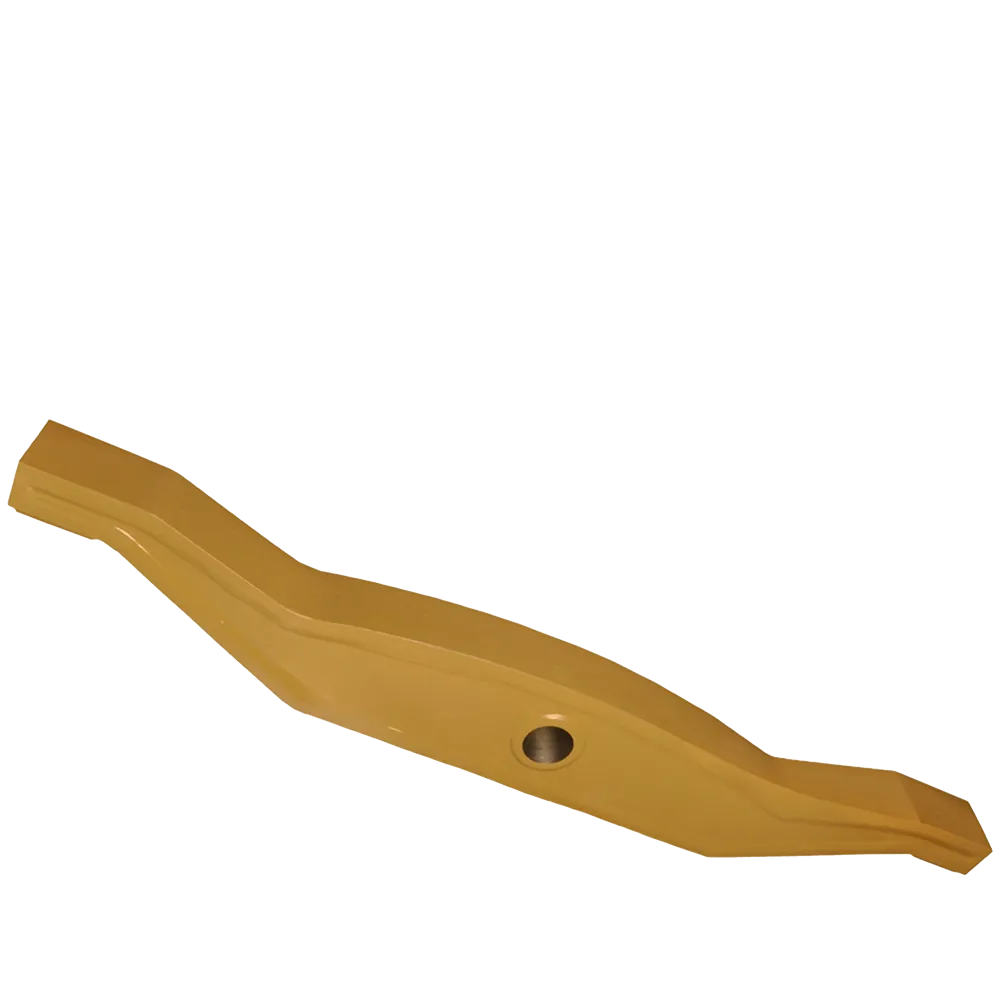
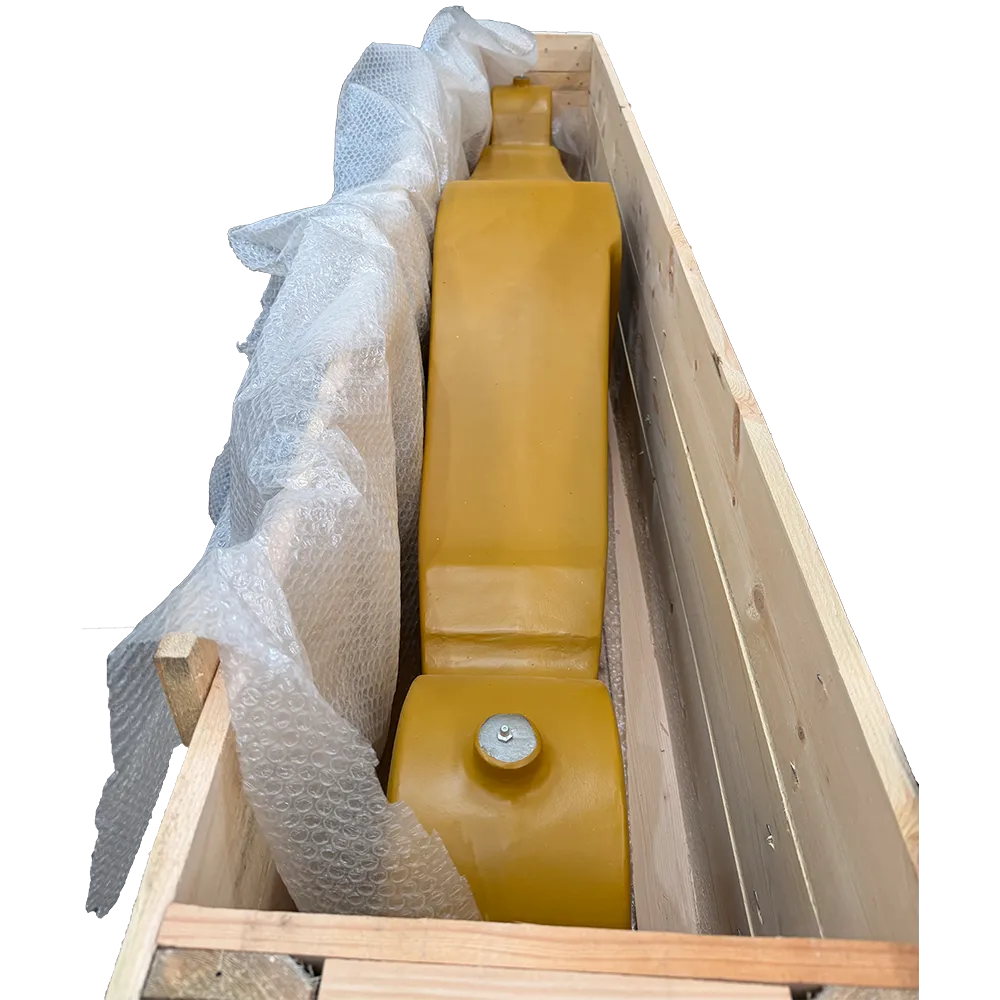
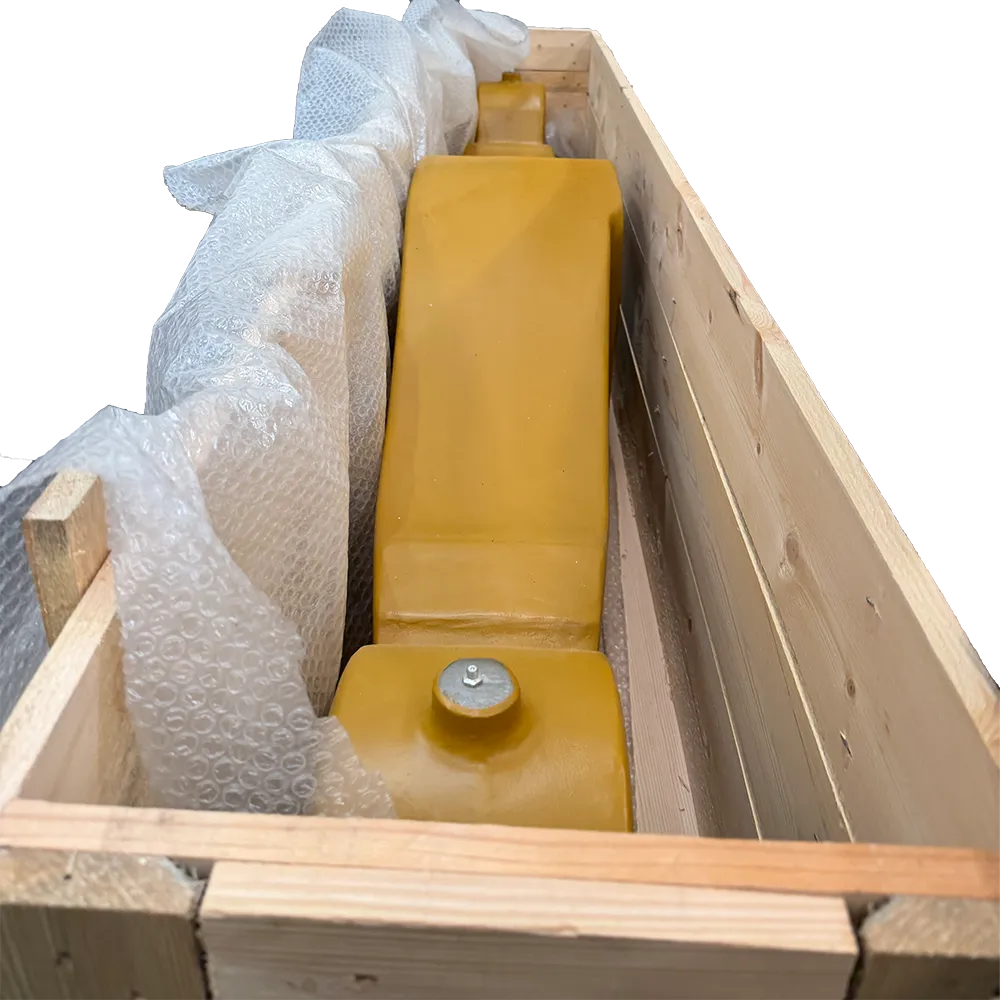
1755000023, 175-50-00023 EQUALIZER BAR KOMATSU
Categories: Transmission & Drive Components
$11.840,00
30 in stock
- Our spare parts are engineered to seamlessly integrate with your machinery.
- Delivery anywhere in the world in max. 10 days
- 1 year manufacturer warranty
- Your transactions are protected by the most advanced security measures.
- Shipping fees are included in the prices of all our products.
Product Video
Product Description
1755000023 / 175-50-00023 EQUALIZER BAR KOMATSU
If you’re rebuilding or reinforcing the front undercarriage of a Komatsu dozer, the 1755000023 / 175-50-00023 EQUALIZER BAR KOMATSU is one of those components that quietly determines how “tight” and stable the whole machine feels on uneven ground. It is designed to manage frame articulation and distribute load more evenly across the track frames when the machine is pushing, climbing, ripping, or working across ruts and rock.
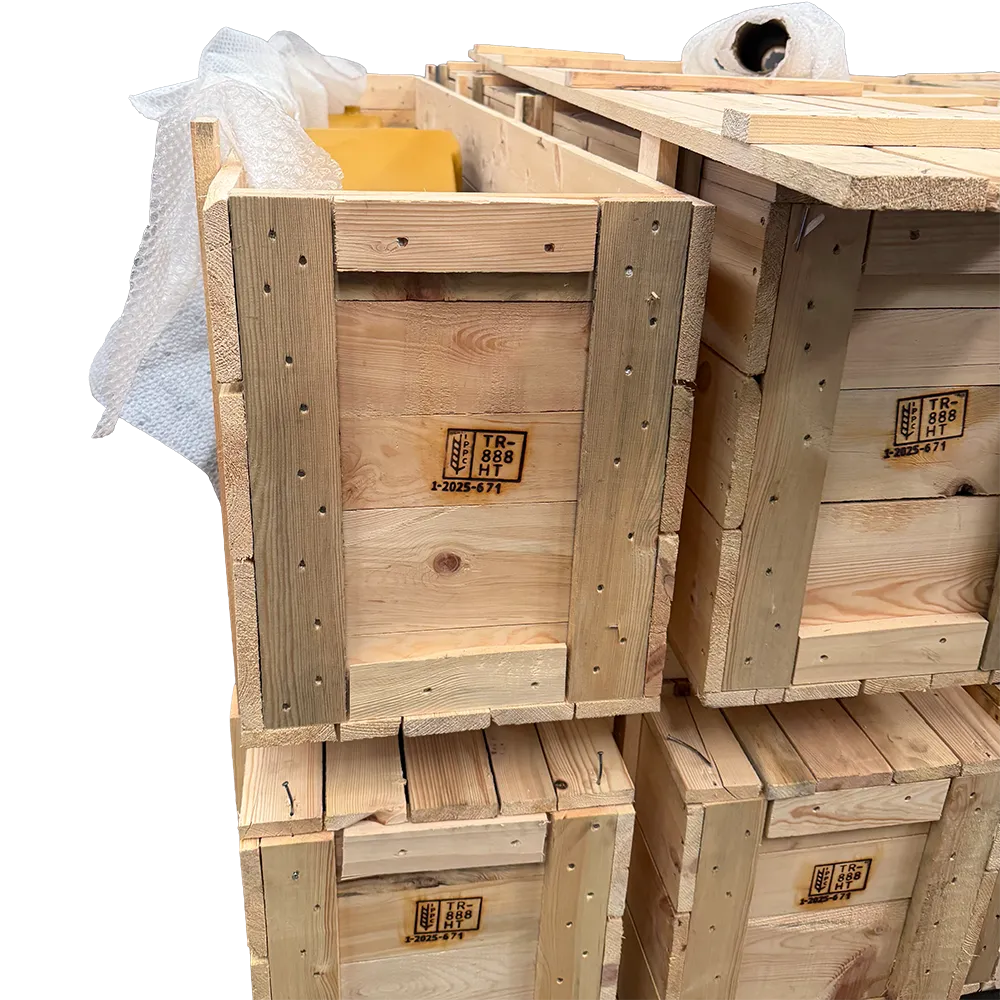
At 3GEN Export, we supply this 1755000023 / 175-50-00023 EQUALIZER BAR KOMATSU to OEM specification standards for demanding field conditions. We ship worldwide in 5 working days, with export-ready packaging and consistent quality control for professional maintenance teams.
This page is written for engineers, workshop owners, and buyers who need a clear, practical explanation of what the part does, why it fails, what to check before ordering, and how to install it correctly, without vague marketing language.
What the 175-50-00023 Equalizer Bar Does on the Machine
The equalizer bar is a heavy-duty structural link in the dozer’s undercarriage/frame assembly. Its core job is to help the machine “share” shock and load between sides of the undercarriage when the chassis is twisting or when one track encounters a different height than the other.
In real jobsite terms, the 1755000023 / 175-50-00023 EQUALIZER BAR KOMATSU supports:
-
Controlled frame articulation over uneven terrain
-
Better load distribution during dozing and ripping
-
Reduced stress concentration on frame joints and mounts
-
Improved stability when the dozer transitions over rocks, berms, or trenches
Because it works under high cyclic loading, a properly built equalizer bar must have accurate bore geometry, strong weld/forging integrity (depending on design), and a wear strategy at pivot points (bushings/pins, depending on configuration).
Where This Part Is Used
Catalog references commonly place 175-50-00023 in the equalizer group of Komatsu D155A series applications (notably D155A-1C).
Important note: Komatsu applications can vary by serial number breaks and market configurations. The safest purchasing method is confirming with:
-
Machine model variant (example: D155A-1C)
-
Serial number range / chassis number (where applicable)
-
The exact parts book section for the equalizer assembly
If you share your machine serial number, your team can cross-check it against the parts manual before installation. If you prefer, you can also send it to 3GEN Export and we’ll help you verify fitment before shipping.
Identifiers You Should Use for Search and Purchasing
To capture all common procurement formats, use both the separated and non-separated numbers:
-
1755000023
-
175-50-00023
-
175 50 00023
-
175-50-00023 EQUALIZER BAR KOMATSU
In many inventory systems, distributors may list only the numeric code, while workshop teams search by part name. Using both ensures faster matching.
Estimated Net Weight
A commonly listed net weight for the 175-50-00023 is approximately 339 kg.
Shipping weight can be higher depending on:
-
Wooden export crate size
-
Protective blocking, film, and moisture barrier
-
Any bundled pins/bushings/hardware (if ordered together)
If you want, we can quote both net and gross shipment weights for your logistics planning.
Construction and Material Expectations
A high-quality 1755000023 / 175-50-00023 EQUALIZER BAR KOMATSU should be engineered for the same realities your dozer faces every day: torsion, impact, vibration, and abrasive contamination. While exact metallurgy depends on the production spec and process route, a correct OEM-spec approach focuses on:
Structural Strength
-
High-strength steel body designed to resist bending and fatigue
-
Consistent section geometry to avoid stress risers
-
Controlled manufacturing tolerances for alignment
Wear-Control at Pivot Interfaces
Most equalizer bars fail early not because the body “snaps,” but because wear grows at interfaces, creating looseness, misalignment, and then secondary damage.
A correct build prioritizes:
-
Accurate bore geometry (roundness, alignment, surface finish)
-
Proper hardness profile where needed (to resist ovaling)
-
Compatibility with the machine’s bushing/pin strategy
Surface Protection
This part works in mud, water, and abrasive fines. A practical protective coating helps reduce corrosion during storage and early service life, especially for exported machines that may wait before installation.
Typical Failure Modes and the Real Causes
If your machine is showing looseness, clunking, uneven track wear, or abnormal frame movement, the equalizer assembly should be inspected. Common failure patterns include:
1) Bore Ovaling and Excessive Clearance
Symptoms:
-
Metallic knock under load changes
-
Visible movement at the joint when the machine rocks
-
Grease purge contaminated with metal fines
Root causes:
-
Worn bushings/pins not replaced in time
-
Poor lubrication schedule
-
Contamination ingress due to damaged seals (where applicable)
2) Cracks Around High-Stress Zones
Symptoms:
-
Hairline cracks developing near transitions or mount regions
-
Paint lines “breaking” where the metal flexes abnormally
Root causes:
-
Chronic overload (heavy ripping, aggressive pushing on rock)
-
Misalignment from worn mounts
-
Using a worn pin/bushing set that forces uneven loading
3) Secondary Damage to Neighbor Components
Symptoms:
-
Uneven wear patterns on adjacent mounts
-
Accelerated wear on track frames or joint points
Root causes:
-
Running the assembly with excess play
-
Delayed replacement after the first signs of looseness
Replacing the 175-50-00023 equalizer bar at the right moment often prevents a much larger undercarriage and frame repair bill later.
Ordering Strategy: What to Replace Together
For best results, workshops commonly assess the entire joint set at the same time. Depending on your configuration and condition, consider:
-
Equalizer bar (this part)
-
Mating pins and bushings (if applicable)
-
Related seals, retainers, and hardware
-
Inspection of the mating bores on frame-side components
If the bar is replaced but the worn mating components remain, the new part can inherit abnormal clearance immediately, reducing the value of the repair.
Installation Guidance for Workshop Teams
Below is a practical, field-oriented approach. Exact procedures should follow the Komatsu service manual for your machine variant.
Preparation
-
Park the machine on stable, level ground
-
Secure the blade and any attachments
-
Clean the area around the equalizer assembly thoroughly
-
Mark orientation and reference points before disassembly
Removal Considerations
-
Support the assembly to prevent sudden drop or bind
-
Use correct lifting equipment, this component is heavy (approx. 339 kg)
-
Check for seized pins/bushings and plan extraction tools accordingly
-
Inspect adjacent brackets and mounts for deformation or cracks
Fit-Up Checks Before Final Assembly
-
Dry-fit alignment: the bar should seat without forcing
-
Confirm bore alignment and correct pin engagement
-
Ensure mating components are within acceptable wear limits
-
Apply recommended lubrication during assembly
Post-Install Verification
-
Re-check torque values after initial operation (as specified by the service manual)
-
Monitor early service: noise, movement, grease condition, and temperature patterns
-
Schedule a short-interval re-inspection if the machine is entering heavy duty cycles
Why Buyers Choose 3GEN Export for This Part
When workshops or contractors order an equalizer bar, they’re not buying a “simple steel piece.” They’re buying geometry accuracy, durability under cyclic load, and confidence that the part arrives ready to install.
With 3GEN Export, you get:
-
OEM-spec manufacturing standards for fit and durability
-
Export-grade packing (crating available on request)
-
Worldwide delivery in 5 working days
-
Professional support for part-number matching and logistics documentation
If you’re managing downtime, this matters: a correct part delivered fast reduces idle machine cost far more than small savings from uncertain supply.
Compatibility (Common Reference)
-
Komatsu D155A-1C (equalizer group references commonly list 175-50-00023 in this application)
-
Additional listings also associate this part family with D150A / D155A contexts, but confirm by serial number and parts manual for your exact variant.
If you want, share your machine model + serial number and I’ll format a “fitment confirmation note” you can keep in your purchasing file.
Quick Spec Summary
-
Product: 1755000023 / 175-50-00023 EQUALIZER BAR KOMATSU
-
Function: undercarriage/frame load balancing and articulation support
-
Approx. net weight: 339 kg
-
Supply: 3GEN Export (OEM supplier)
-
Delivery: worldwide in 5 working days
Manufactured in Turkey, these products are made using the latest technologies and built to meet the highest international standards. Each machine is a high-quality copy of the original, ensuring durability, precision, and performance that you can rely on for modern construction and metalworking projects.