
Ground Engaging Spare Parts
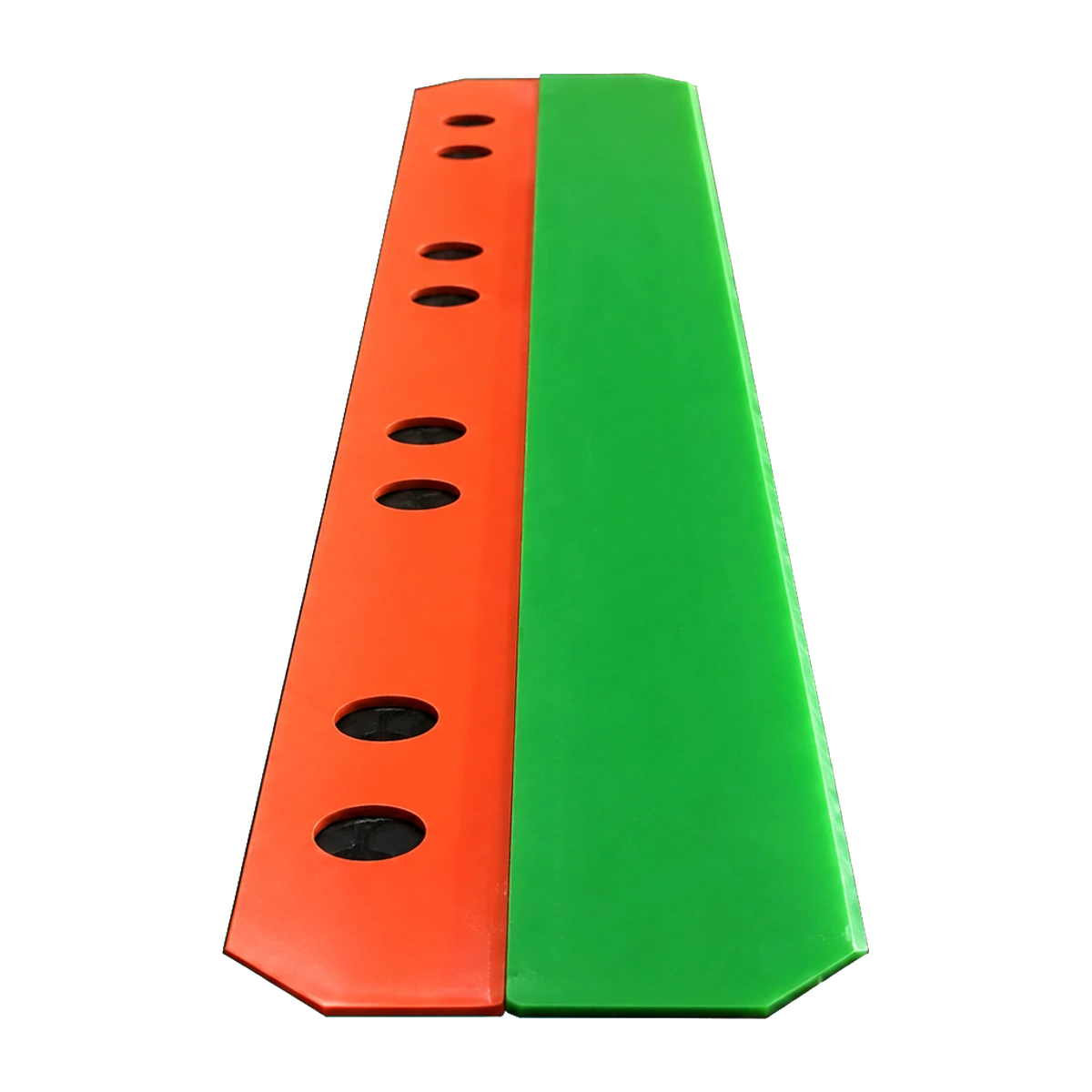
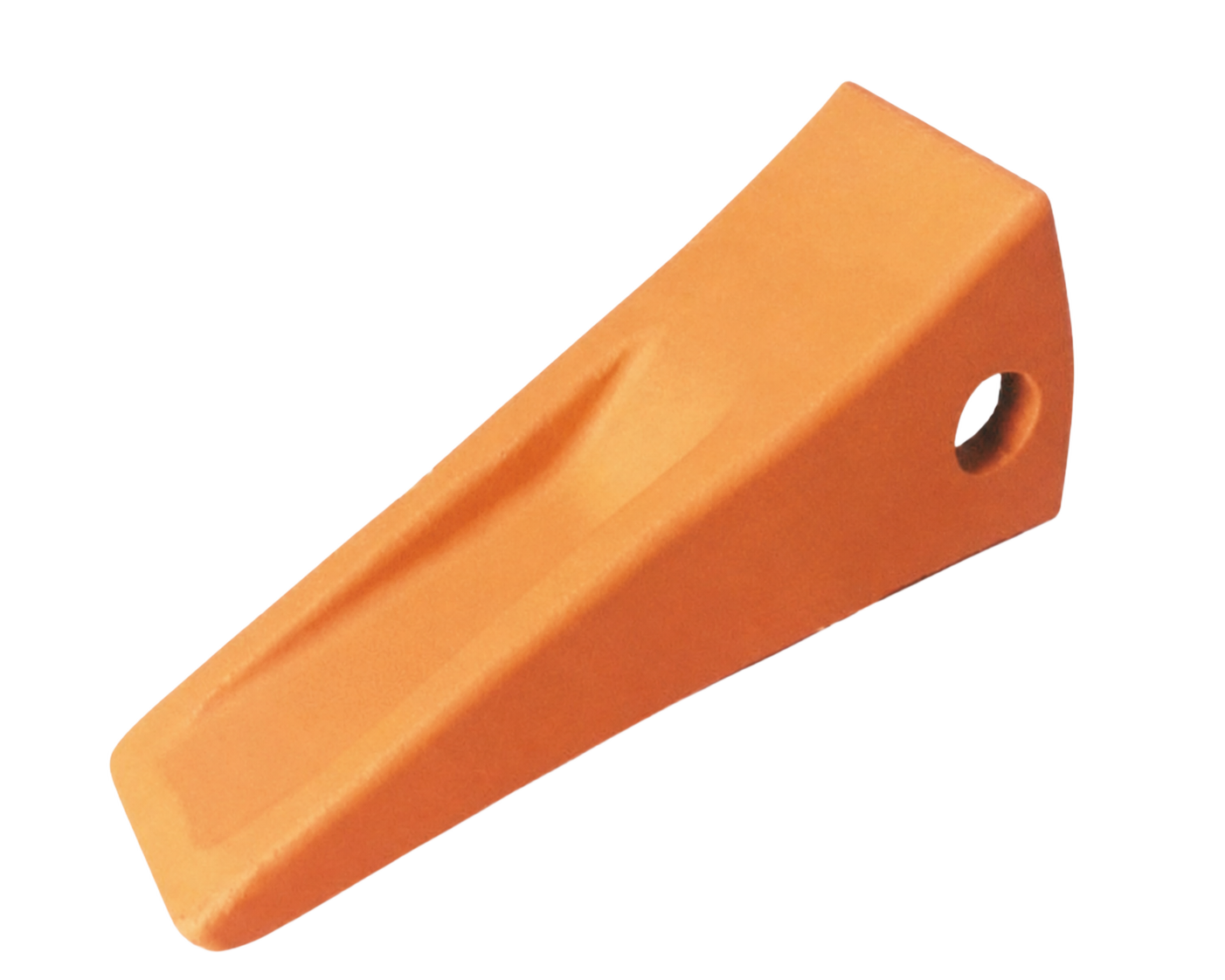
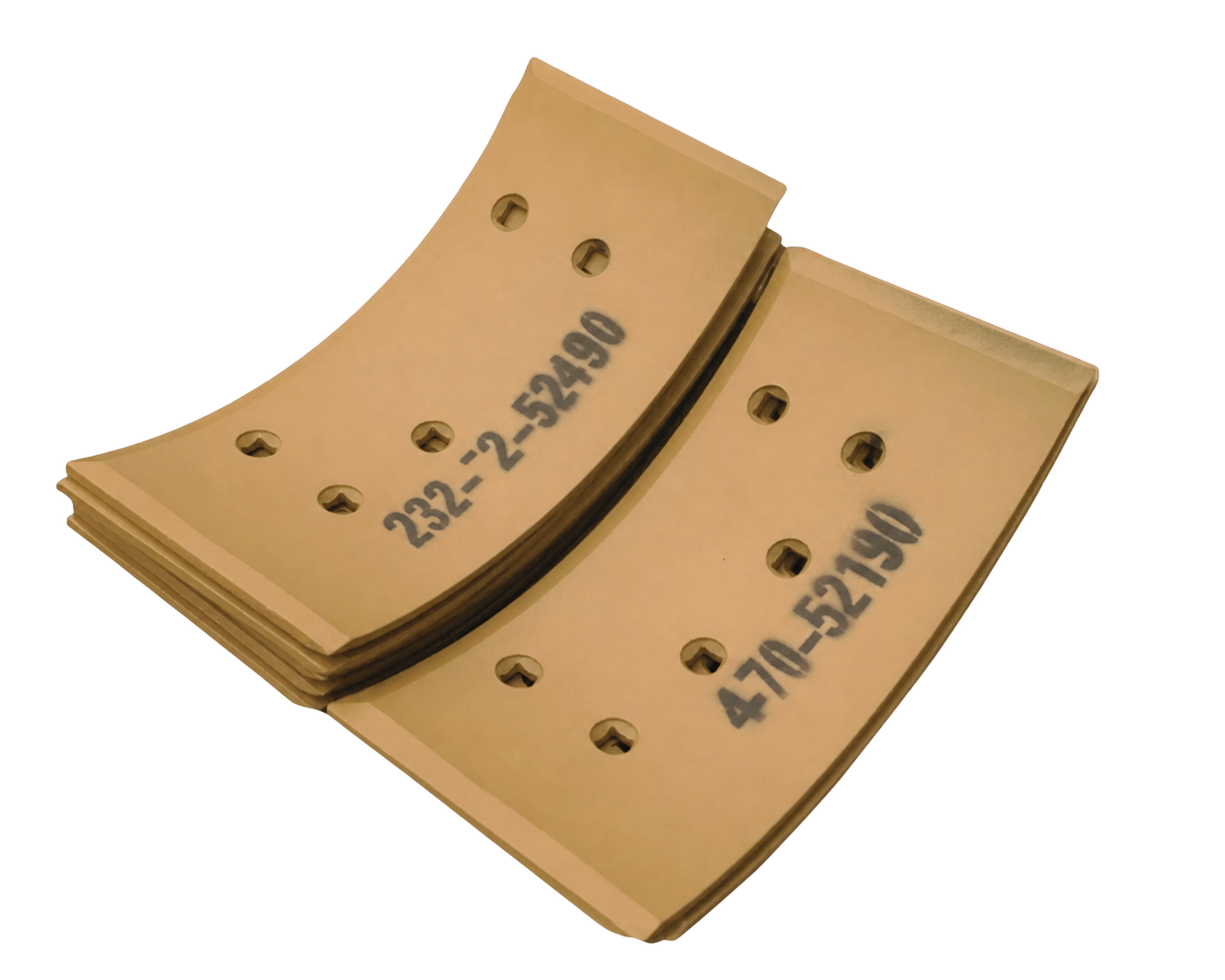
Nothing on a machine wears faster than the steel that touches the ground. Bucket teeth blunt, adapters crack, cutting edges round off, and ripper tips disappear into abrasive rock and packed soil. This category covers the full set of ground engaging tools (GET) that take that punishment on excavators, wheel loaders, dozers, and motor graders: replaceable teeth and their adapters, bolt-on and weld-on cutting edges, side cutters, ripper shanks and tips, and the wear plates that shield bucket floors and corners. Running worn GET costs you cycle time and fuel, so most fleets swap teeth on a schedule rather than to failure.
We stock 100% OEM GET in penetration, general-purpose, and heavy-duty profiles, with more than 7,900 parts on the shelf. If you only have a machine serial number or a casting mark, our parts specialists cross-reference it against 564,000+ part numbers to confirm the exact tooth and pin system before you buy. Orders ship free worldwide to any country, duties paid, most arriving in 5–7 days door-to-door with full tracking.
Frequently Asked Questions
What Ground Engaging Parts Does 3GEN Export Stock?
We carry bucket teeth, adapters, cutting edges, ripper tips, wear plates, and the pins and retainers that hold tooth systems together. Our inventory covers 100% OEM ground engaging tools across 75+ brands, drawn from 7,900+ parts in stock and a cross-reference database of 564,000+ part numbers.
How Do I Match Teeth and Adapters to My Existing Tooth System?
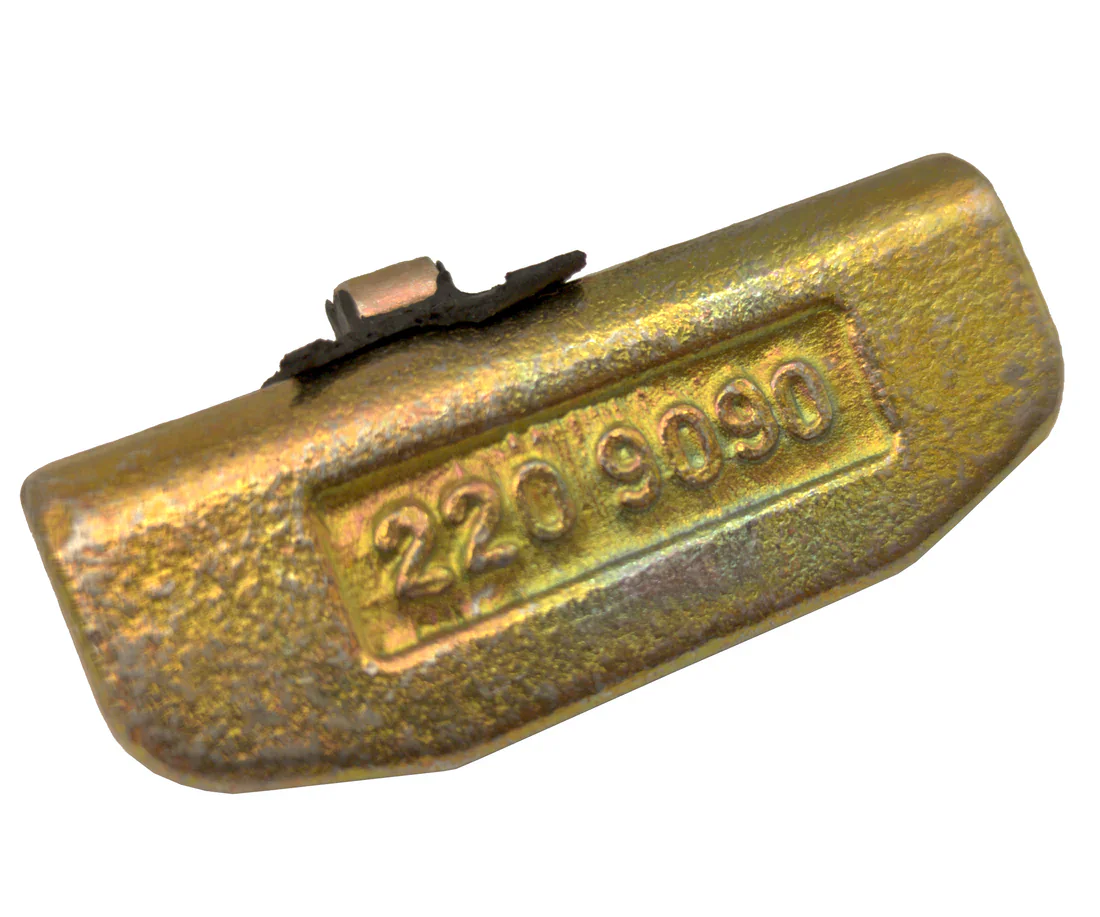
Tooth and adapter systems are keyed to a specific series, so a tip has to match its adapter and pin size. Send us the OEM reference, the number cast into the worn part, or your machine serial number, and our parts specialists confirm the correct tooth, adapter, and pin before you order.
How Often Do Bucket Teeth and Cutting Edges Wear Out?
Wear rate depends on material and application, since abrasive rock chews teeth far faster than loading soil. Inspect tips and edges for rounding, thinning, or an exposed adapter, and replace before the adapter itself starts wearing, because a lost tip damages the more costly adapter. Rotating and flipping edges evens out wear.