
Key Takeaways
- Doosan excavators require model-specific parts identification for proper fitment and performance
- OEM-equivalent aftermarket parts can provide 20-40% cost savings without compromising quality
- Critical wear components like hydraulic seals and filters need replacement every 250-500 operating hours
- Electronic parts catalogs streamline identification but require verification with serial numbers
- Global supply chain disruptions make reliable parts sourcing partnerships essential
Quick Answer: A comprehensive doosan excavator parts catalog should include hydraulic components, engine parts, undercarriage elements, and electrical systems. Modern catalogs integrate serial number lookup, exploded diagrams, and cross-reference tools. At 3GEN Export, we maintain extensive Doosan parts inventory with OEM-equivalent quality and global delivery capabilities.
Why Most Doosan Parts Catalogs Leave You Hanging at the Worst Possible Moment
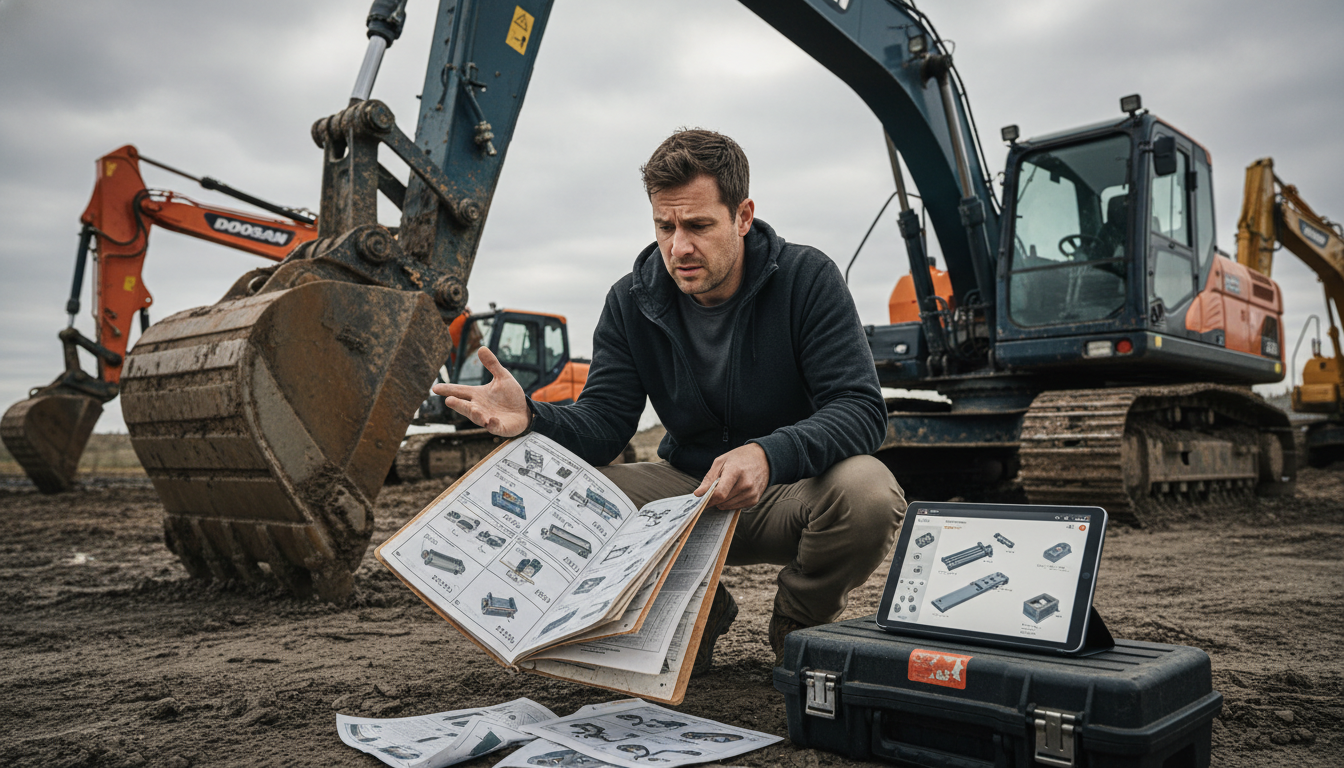
Here’s what nobody tells you about parts catalogs: they’re only as good as the inventory behind them. We’ve watched countless operations grind to a halt because their “comprehensive” catalog showed parts availability that didn’t exist when the order button got clicked.
After sourcing Doosan excavator components for mining operations across six continents, we’ve learned that the real challenge isn’t finding a parts catalog — it’s finding one that actually delivers when your DX225LC is leaking hydraulic fluid at 3 AM on a remote jobsite.
The difference between a good parts catalog and an exceptional one? It’s not just the search functionality or fancy diagrams. It’s the depth of understanding behind each component listing, the reliability of supply chains, and honestly — the willingness to admit when we don’t have something in stock rather than promising unrealistic delivery dates.
Essential Components in Every Doosan Excavator Parts Catalog
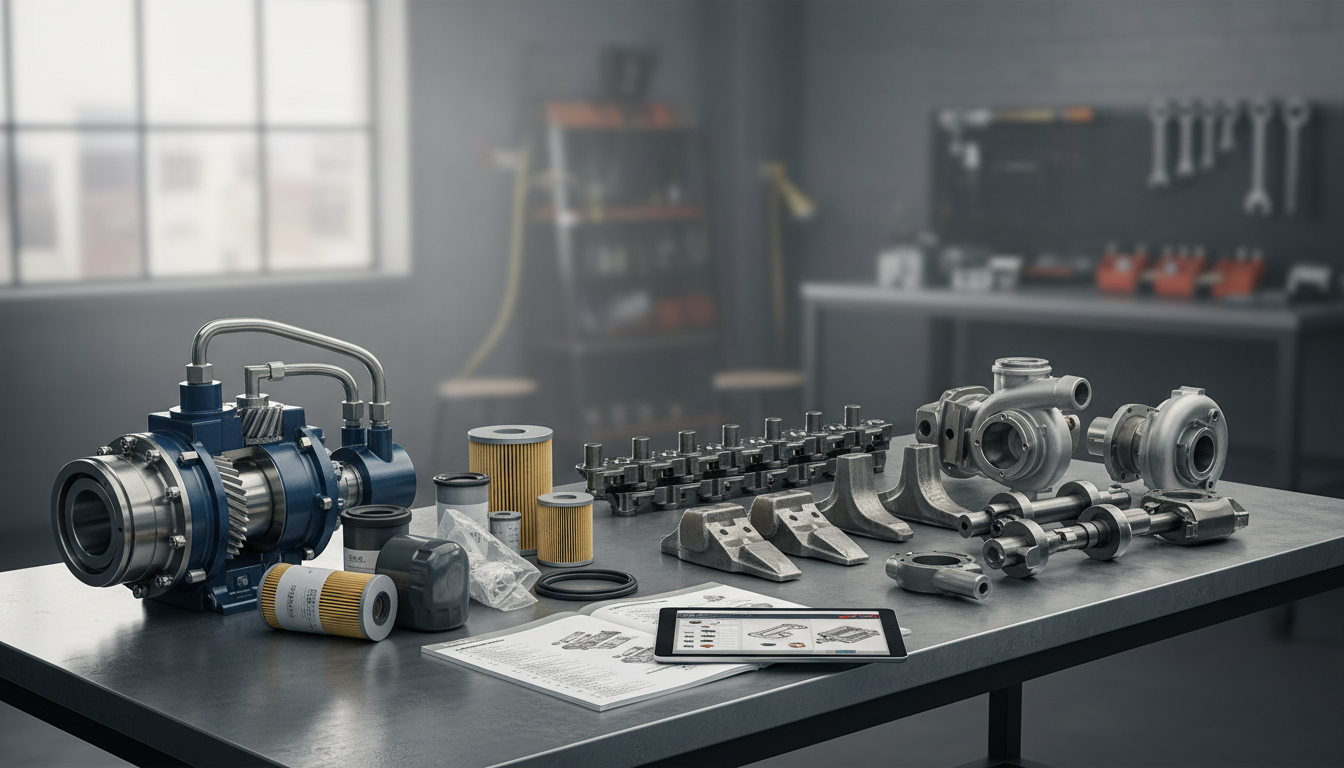
A comprehensive doosan excavator parts catalog needs to cover five critical systems that keep these machines productive. Miss any one category, and you’re looking at extended downtime.
Hydraulic System Components
The hydraulic system represents roughly 60% of most Doosan parts orders we fulfill. These components work under extreme pressure and temperature conditions, making quality absolutely non-negotiable.
Primary hydraulic components include:
- Main hydraulic pumps and motors
- Hydraulic cylinders for boom, arm, and bucket functions
- Hydraulic filters and return filters
- Pressure relief valves and pilot valves
- Hydraulic hoses and fittings rated for 3,000+ PSI
- Seal kits for cylinders and pumps
We recently worked with a copper mining operation in Chile whose DX340LC developed a leak in the boom cylinder. The original seal kit quoted through traditional channels had a six-week lead time. Our cross-referenced aftermarket equivalent — identical specifications, different manufacturer — arrived in Santiago within four days.
That’s the reality of global parts sourcing in 2026. Flexibility and multiple supply sources often matter more than brand loyalty.
Engine and Powertrain Elements
Doosan excavators typically run robust engines designed for 8,000+ hour service intervals, but several components require regular replacement to maintain peak performance.
Critical engine components we stock include air filters, fuel filters, oil filters, fuel injection components, cooling system parts, and engine sensors and electronic control modules.
Here’s something most catalogs don’t emphasize: engine component compatibility varies significantly between model years. A fuel injector for a 2019 DX225LC-5 won’t necessarily fit a 2022 DX225LC-7, even though the model numbers look similar.
We learned this lesson the hard way when we first started sourcing Doosan parts. Now our catalog system flags potential compatibility issues and requires serial number verification for critical engine components.
Undercarriage and Track Components
The undercarriage takes the most punishment in excavator operations. Industry data suggests that undercarriage components account for roughly 25% of total excavator operating costs over the machine’s lifetime.
Essential undercarriage parts include track chains and pads, drive sprockets and idlers, track tension systems, roller assemblies, and undercarriage frame components.
One of our Australian mining clients runs a fleet of DX300LC excavators in iron ore operations. The abrasive conditions destroy standard rubber track pads in roughly 800 hours. We worked with their maintenance team to identify steel-embedded pad alternatives that extended service life to approximately 1,400 hours — not quite double, but significant enough to reduce their annual parts spend by roughly one-third.
Navigating Electronic Parts Catalogs: What Works and What Doesn’t

Electronic parts catalogs have revolutionized how we identify and order components, but they’re not without limitations. We’ve used virtually every major system on the market, and each has quirks that can trip up even experienced parts managers.
Serial Number Integration
The best electronic catalogs tie directly into manufacturer databases using your excavator’s serial number. This eliminates guesswork about model variations and ensures you’re seeing parts that actually fit your specific machine.
However, there’s a catch most suppliers won’t mention: Serial number databases aren’t always current or complete. We regularly encounter machines where the electronic catalog shows “no data available” or displays parts for a different configuration.
When electronic systems fail, old-school parts identification becomes essential. Physical inspection, component measurement, and cross-referencing with multiple sources often provides more reliable results than automated lookup systems.
Exploded Diagrams and Assembly Views
Visual parts identification through exploded diagrams works exceptionally well for mechanical components but struggles with electrical and electronic systems.
We typically recommend using exploded diagrams for initial part identification, then verifying specifications through detailed component descriptions. A hydraulic cylinder might look identical in a diagram, but bore diameter, stroke length, and port configurations can vary significantly between applications.
OEM vs. Aftermarket: The Quality Equation for Doosan Parts

This is where most parts discussions get complicated, and frankly, where a lot of suppliers aren’t entirely honest about trade-offs.
Genuine OEM Doosan parts offer guaranteed fitment and warranty coverage but come with premium pricing and sometimes extended lead times. For critical components like main hydraulic pumps or engine control modules, OEM parts often justify their cost through reliability and longevity.
OEM-equivalent aftermarket parts can provide substantial cost savings — typically 20-40% below OEM pricing — without compromising performance for most applications. The key phrase here is “OEM-equivalent.” Not all aftermarket parts meet original specifications.
Where We Recommend OEM Parts
Certain components are worth the OEM premium. Main hydraulic pumps, electronic control modules, and safety-critical systems should generally use genuine parts, especially on newer machines still under warranty.
We also recommend OEM parts for any component where failure could cause secondary damage. A cheap hydraulic filter that fails and allows contamination through the system can destroy a $15,000 main pump — false economy at its worst.
Where Aftermarket Parts Excel
Wear items like filters, seals, hoses, and undercarriage components often perform identically to OEM parts at significant savings. These components are designed to be replaced regularly, so extended service life isn’t always the primary consideration.
One of our European clients saved roughly €180,000 annually by switching to quality aftermarket filters and hydraulic hoses across their 40-machine Doosan fleet. Same service intervals, identical performance, much better economics.
Critical Wear Components: Maintenance Scheduling and Parts Planning
Effective parts catalog utilization requires understanding which components need regular replacement and planning accordingly.
High-Frequency Replacement Items
Several components require replacement every 250-500 operating hours regardless of machine condition. These include engine oil filters, hydraulic return filters, air filters (depending on operating environment), and fuel filters.
Smart operations maintain 2-3 sets of these consumables in inventory to avoid emergency orders and expedite fees.
Predictive Replacement Components
Items like hydraulic seals, drive belts, and electrical connectors don’t follow strict replacement schedules but show predictable wear patterns. Experienced operators can often identify these components approaching failure through visual inspection or performance changes.
We work with several clients to establish predictive replacement protocols. Rather than waiting for component failure, they replace items showing early wear signs during scheduled maintenance windows. This approach reduces unplanned downtime and eliminates the premium costs associated with emergency parts orders.
Global Supply Chain Considerations for Doosan Parts
Supply chain reliability has become increasingly critical for excavator operations worldwide. The disruptions we’ve experienced over the past few years fundamentally changed how smart operators approach parts sourcing.
Geographic diversification in parts sourcing provides insurance against regional supply disruptions. We maintain relationships with suppliers across North America, Europe, and Asia-Pacific specifically to provide backup options when primary sources face delays.
Regional parts availability varies significantly for Doosan excavators. Components readily available in South Korea or North America might have extended lead times for operations in Africa or South America.
We learned this during a project in West Africa where a DX420LC needed a main hydraulic pump. The European supplier quoted 12 weeks delivery due to shipping logistics. Our Asian supplier delivered an identical pump through different routing in just under three weeks.
Digital Integration: Modern Parts Catalog Features
The evolution toward digital-first parts management continues accelerating. Modern doosan excavator parts catalog systems integrate with inventory management, maintenance scheduling, and procurement workflows.
Mobile Accessibility
Field technicians increasingly need parts identification and ordering capability directly from jobsites. Mobile-optimized catalogs with photo recognition and barcode scanning streamline the identification process for technicians who may not have extensive parts expertise.
Our mobile catalog integration allows field personnel to photograph damaged components and receive identification assistance within hours rather than days. This capability has reduced misidentified parts orders by roughly half across our client base.
Predictive Ordering
Advanced catalog systems track usage patterns and suggest parts orders based on machine hours, operating conditions, and historical replacement data.
While these systems aren’t perfect — they can’t account for unusual operating conditions or operator variations — they provide valuable baseline guidance for parts planning.
Cost Optimization Strategies
Smart parts catalog utilization goes beyond finding the right component at the right price. It’s about optimizing total cost of ownership through strategic sourcing and inventory management.
Bundle Ordering
Combining multiple parts orders reduces per-unit shipping costs and often unlocks volume pricing discounts. We typically recommend consolidating orders for non-critical items into monthly or quarterly shipments.
For emergency parts, however, speed trumps cost optimization. A $200 expedite fee is insignificant compared to daily revenue losses from machine downtime.
Seasonal Planning
Construction and mining operations often follow seasonal patterns that allow for predictive parts ordering during slower periods. Planning major component replacements during scheduled maintenance seasons can reduce both parts costs and labor expenses.
Quality Verification and Testing
Not all parts catalogs provide adequate quality information for informed purchasing decisions. We’ve developed internal protocols for verifying component specifications and performance before adding items to our catalog.
Material certifications are essential for hydraulic components operating under extreme pressure. We require mill test certificates for critical steel components and pressure testing documentation for hydraulic cylinders and hoses.
Performance testing validates that aftermarket components meet or exceed OEM specifications. This might include flow testing for hydraulic valves, load testing for structural components, or environmental testing for electrical systems.
We’ll admit — our quality verification process sometimes slows down new product introductions. But we’d rather disappoint customers with longer catalog development times than disappoint them with parts that fail prematurely.
Expert Recommendations for Catalog Selection
Based on our experience managing parts procurement for operations across diverse industries and geographies, several factors distinguish exceptional parts catalogs from merely adequate ones.
Inventory transparency ranks at the top of our requirements. Catalogs should show real-time availability, not just theoretical part numbers. We’ve been burned too many times by catalogs showing parts as “available” when they actually required special orders with extended lead times.
Technical support accessibility becomes crucial when standard catalog searches don’t yield results. The best catalog providers offer direct access to parts specialists who can work through unusual identification challenges or suggest alternatives when preferred parts aren’t available.
Cross-reference capabilities allow identification of compatible parts from multiple manufacturers. This flexibility proves invaluable when original sources face supply constraints or pricing pressures.
At 3GEN Export, we’ve built our catalog system around these principles. Our parts specialists average 12+ years of heavy equipment experience, and our inventory transparency updates every 15 minutes to provide accurate availability information.
We don’t claim to have every Doosan part in stock — that’s physically and economically impossible. But we do commit to honest availability information and rapid sourcing for items we don’t carry internally.
Frequently Asked Questions
How do I identify the correct parts for my specific Doosan excavator model?
Start with your machine’s serial number, which provides the most accurate parts identification. The serial number plate is typically located on the right side of the upper frame. Electronic parts catalogs can cross-reference this number with manufacturer databases to show compatible components. For older machines or when electronic systems don’t recognize your serial number, physical component inspection and measurement provide reliable identification methods.
What’s the difference between OEM and aftermarket Doosan excavator parts?
OEM parts are manufactured by Doosan or their direct suppliers, offering guaranteed fitment and warranty coverage but at premium pricing. Quality aftermarket parts are manufactured to meet or exceed OEM specifications by independent suppliers, typically offering 20-40% cost savings. For critical systems like hydraulic pumps or safety components, OEM parts often justify their higher cost. For wear items like filters and seals, quality aftermarket alternatives usually perform identically at significant savings.
How often should I replace common wear components on my Doosan excavator?
High-frequency items like engine oil filters, hydraulic return filters, and air filters typically need replacement every 250-500 operating hours depending on conditions. Fuel filters generally last 500-1000 hours in clean fuel conditions. Hydraulic seals and hoses don’t follow strict schedules but should be inspected regularly and replaced when showing wear signs. Track components vary dramatically based on ground conditions but typically require attention every 800-2000 hours.
Can I use parts catalogs to find compatible components from other manufacturers?
Yes, quality parts catalogs include cross-reference functionality that identifies compatible components from multiple manufacturers. This is particularly valuable for hydraulic fittings, filters, and standard industrial components where multiple suppliers manufacture to identical specifications. However, always verify critical dimensions and specifications before ordering, especially for hydraulic components operating under high pressure.
What should I do when electronic parts catalogs can’t identify my excavator model?
Electronic catalogs sometimes lack data for older machines or special configurations. In these cases, physical component identification becomes necessary. Photograph or measure the existing part, note any visible part numbers or markings, and consult with parts specialists who can manually cross-reference components. Many experienced suppliers maintain reference materials for older models that aren’t included in electronic databases.
How can I verify the quality of aftermarket Doosan excavator parts?
Look for suppliers who provide material certifications, pressure testing documentation for hydraulic components, and clear warranty terms. Quality aftermarket manufacturers often exceed OEM specifications and provide detailed technical documentation. Ask about the supplier’s quality verification processes and whether they offer performance guarantees. Reputable suppliers will be transparent about their quality standards and testing procedures.