
A construction equipment parts supplier USA is a specialized distributor that stocks OEM, aftermarket, and rebuilt components for heavy machinery across North America. These suppliers serve construction, mining, and energy companies with fast delivery and quality assurance.
Key Takeaways
- Always verify supplier certifications like ISO 9001 to ensure consistent quality standards
- Compare OEM, aftermarket, and rebuilt parts based on budget and machine criticality
- Choose a supplier usa with multiple warehouses for faster shipping
- Confirm warranty terms and return policies before placing any order
- US-based suppliers offer better logistics and regulatory compliance than overseas alternatives
- Proper installation and maintenance extend replacement part lifespan significantly
Pros and Cons
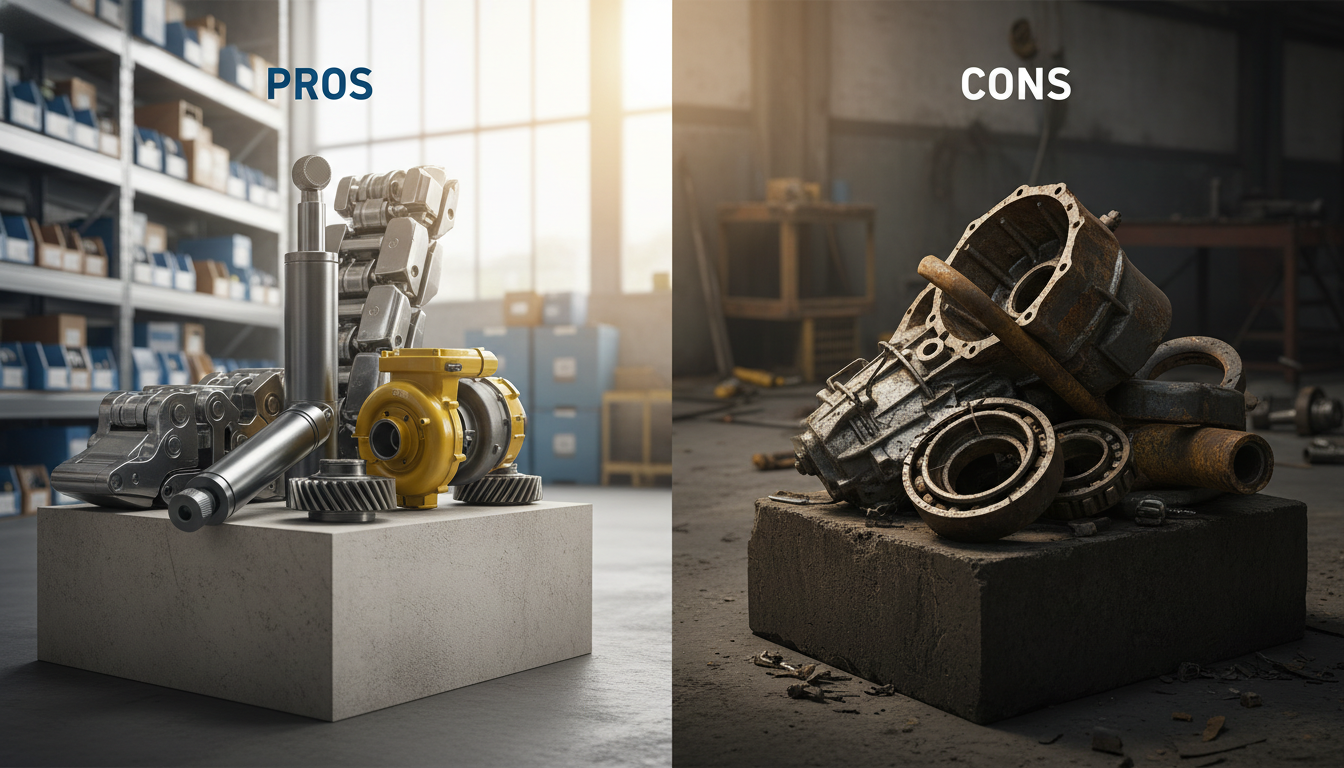
Pros
- Faster shipping with domestic warehouses and distribution networks
- Stricter quality control and regulatory compliance standards
- Better customer support with local time zones and language
- Established warranty programs and return policies
- Access to both current and legacy parts for older equipment
Cons
- Higher prices compared to direct overseas sourcing
- Limited selection for very specialized or rare equipment models
- Potential markup on imported components
- Regional inventory variations between different suppliers
What to Look For When Buying Construction Equipment Parts
When evaluating any these usa, you need more than a product catalog. The right partner reduces downtime, lowers total ownership cost, and keeps your fleet productive. Focus on these critical criteria before committing to a supplier relationship.
Supplier Reputation and Experience
Established suppliers often have decades of track record serving the heavy equipment industry. Check online reviews, industry forums, and ask for customer references. A such supplier usa with more than 15 years of experience typically signals stability and deep product knowledge across multiple equipment brands.
Inventory Breadth and Availability
A top-tier the equipment parts supplier usa stocks components for hundreds of models. When sourcing, confirm that the supplier covers your equipment’s make and model from leading brands like Caterpillar, Komatsu, Volvo, John Deere, and Hitachi. Availability of legacy parts for machines up to 20 years old keeps older fleets running cost-effectively.
Quality Certifications and Standards
Look for suppliers that adhere to recognized quality frameworks.
ISO 9001-certified suppliers demonstrate consistent quality management, ensuring parts meet strict performance and safety criteria according to international manufacturing standards.
Additionally, compliance with SAE or ASTM standards for materials and manufacturing adds credibility. Reputable rebuilders often test components to OEM specifications before shipping.
Understanding OEM, Aftermarket, and Rebuilt Parts
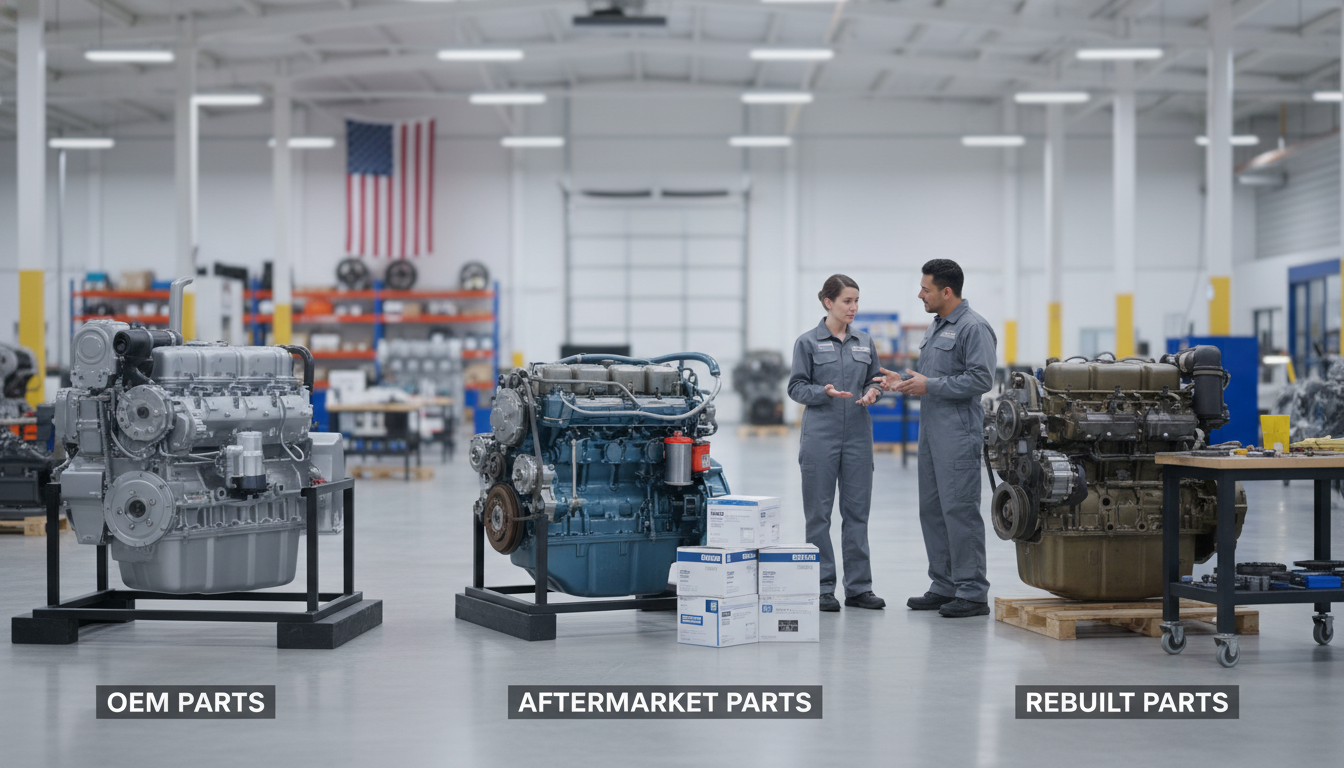
Construction equipment parts come in three primary categories, each suited to different operational needs and budget constraints. Understanding these differences helps you maximize uptime while controlling maintenance costs effectively.
OEM Parts: Manufacturer Precision
OEM (Original Equipment Manufacturer) parts are made by the same company that built your machine. They guarantee exact fit, material specifications, and performance identical to the original component. While prices are highest, often 30–50% more than alternatives, OEM components are ideal for critical systems like engines and hydraulics where failure risk must be minimized.
Aftermarket Parts: Cost-Effective Alternatives
Aftermarket parts are produced by third-party companies to fit specific equipment models. They can cost 30–50% less than OEM while offering comparable durability if sourced from reputable manufacturers. Many usa companies offer aftermarket lines with their own warranties, making them a smart choice for non-safety-critical wear items such as bucket teeth, filters, and undercarriage components.
Rebuilt Parts: Sustainable and Economical
Rebuilt components are used parts that have been disassembled, inspected, and restored to like-new condition with new seals, bearings, and worn elements. This option cuts costs by 50–70% versus new, and often carries a 6–12 month warranty. Rebuilt transmissions, final drives, and pumps are popular for older machines where new OEM parts are no longer available.
| Characteristic | OEM Parts | Aftermarket Parts | Rebuilt Parts |
|---|---|---|---|
| Price | Highest | 30–50% less than OEM | 50–70% less than new |
| Quality | Exact manufacturer specs | Varies; choose reputable brands | Restored to like-new condition |
| Warranty | Typically 1–2 years | 6–12 months common | 6–12 months common |
| Availability | Immediate for current models | Widespread for popular machines | Limited to core exchange programs |
| Compatibility | Guaranteed fit | Validate against OEM part number | Original specs after rebuild |
Why Choose a Construction Equipment Parts Supplier USA

A construction equipment offers distinct advantages over overseas or local generalists. Proximity to a massive domestic market, stringent quality standards, and advanced logistics infrastructure translate directly into faster turnaround and superior customer support.
Domestic Warehouses and Fast Shipping
Most leading supplier usa companies operate multiple distribution centers strategically located across the country.
According to industry logistics analysis, US-based parts networks can reach 90% of the continental United States within 48 hours, a critical advantage for time-sensitive repairs and project deadlines.
When you need a final drive or hydraulic pump urgently, this speed prevents costly project delays and equipment downtime.
Strict Quality Control and Compliance
US suppliers must meet rigorous import and safety regulations enforced by federal agencies. Many voluntarily undergo ISO 9001 audits, and aftermarket parts are often tested to SAE standards. This regulatory oversight reduces the risk of counterfeit or substandard components that can plague unvetted international sources.
Support for International Buyers
Several these usa companies maintain dedicated international shipping departments. They handle export documentation, freight forwarding, and even multilingual customer service, making cross-border procurement straightforward. For buyers in Latin America or the Middle East, a US-based supplier often provides the optimal blend of quality and cost-effectiveness that local markets cannot match.
Step-by-Step: How to Choose the Right Supplier
Selecting the best such supplier usa requires systematic evaluation of multiple factors. Follow this proven process to identify a reliable partner for your fleet maintenance needs.
- Identify Your Machine Specifications: Record the exact make, model, serial number, and OEM part number for each component needed. This ensures you receive compatible parts and avoids costly returns or compatibility issues.
- Research Supplier Credentials: Look for ISO 9001 certification, years in operation (target firms with 15+ years), and authentic customer testimonials. Check industry association directories for verified member companies.
- Request and Compare Quotes: Contact at least three construction equipment parts supplier USA options. Provide identical part details and request itemized quotes including shipping, taxes, and handling fees. Transparent pricing eliminates hidden costs.
- Verify Warranty and Return Policies: Insist on a warranty of at least 6 months for remanufactured components and 12 months for new parts. Ask about restocking fees and return windows; reputable suppliers offer 30-day returns on most items.
- Assess Shipping and Lead Times: Confirm same-day dispatch for in-stock parts and request real-time tracking capabilities. For international orders, ensure the construction equipment parts supplier USA has experience with freight forwarding and customs clearance procedures.
Core Exchange Programs and Warranty Details
Core exchange programs allow you to trade your failed component for a rebuilt unit at reduced cost. Most construction equipment parts supplier USA companies require the core within 30 days of purchase to avoid additional charges. Rebuilt hydraulic pumps, transmissions, and final drives commonly use this model, reducing upfront costs by 20–40% compared to outright purchase.
Warranty Coverage by Part Type
New OEM parts typically carry 12–24 months of coverage, while aftermarket components range from 6–12 months. Rebuilt parts usually include 6–12 month warranties with some suppliers offering extended coverage for an additional fee. Always confirm warranty terms cover both parts and labor, especially for complex hydraulic and transmission rebuilds.
How to Maintain Your Replacement Parts for Maximum Lifespan
Even premium parts from the best construction equipment parts supplier USA fail early if installed or maintained improperly. Adopt these proven practices to get full value from your parts investment and minimize unexpected breakdowns.
Proper Installation Procedures
Follow the manufacturer’s torque specifications exactly and use calibrated tools for all fasteners. For hydraulic pumps and final drives, bleed air from systems completely before operation. A poorly seated seal can cause leaks and contamination within hours of installation.
Regular Inspection Schedules
Set a weekly inspection schedule for wear parts like undercarriage components, hydraulic hoses, and filters. Catching a worn track roller or leaking cylinder early prevents cascading damage to other systems. Many fleets report significant reductions in major repairs when they maintain consistent preventative inspection routines.
Fluid and Filter Hygiene
Contaminated oil and fuel account for a large share of hydraulic and engine failures in heavy equipment. Use OEM-specified fluids and replace filters at intervals recommended in your machine’s service manual, not just when warning alarms trigger. Sample oil quarterly to detect metal particles before they damage pumps and injectors.
Frequently Asked Questions
What is the difference between OEM and aftermarket parts?
OEM parts are manufactured by the original equipment maker to exact specifications, while aftermarket parts are produced by third-party companies to fit the same models. Aftermarket options can cost 30–50% less but quality varies significantly between manufacturers.
How can I find a reliable construction equipment parts supplier USA?
Look for suppliers with decades of experience, ISO 9001 certification, and extensive inventory. Check online reviews and request quotes from multiple companies. Membership in industry associations like AEM adds credibility and accountability.
Are rebuilt parts as reliable as new components?
Rebuilt parts are restored to like-new condition and often meet or exceed original performance when rebuilt by certified shops. They include warranties and are ideal for older equipment where new OEM parts are discontinued or cost-prohibitive.
What warranty should I expect on replacement parts?
Expect a minimum 6-month warranty on rebuilt components and 12 months on new parts. Some OEM suppliers offer 1–2 years of coverage. Always confirm warranty terms cover both parts and labor costs in writing before purchase.
How quickly can I get parts shipped from a US supplier?
Many construction equipment parts supplier USA companies provide same-day shipping for in-stock items. With strategically located warehouses, delivery within 48 hours is common for most of the continental United States. International shipments typically add 2–5 days depending on customs processing.
Shop OEM-quality spare parts with global 5-day delivery at 3genexport.com