
How to identify genuine OEM spare parts is the process of verifying that a replacement component matches the exact specifications and manufacturing origin of the original equipment manufacturer. This critical skill protects heavy machinery operators from counterfeit risks that cost billions annually.
Key Takeaways
- Genuine OEM parts ensure optimal performance, safety, and warranty compliance
- Counterfeit components flood global markets, requiring systematic verification
- Always verify packaging, part numbers, and supplier credentials before purchase
- Digital tools like QR codes and manufacturer apps add new authentication layers
- Trusted suppliers like 3GEN Export provide guaranteed genuine industrial spare parts
- VIN-based verification eliminates guesswork in component selection
Understanding OEM, Genuine, and Aftermarket Terminology
What Does OEM Mean?
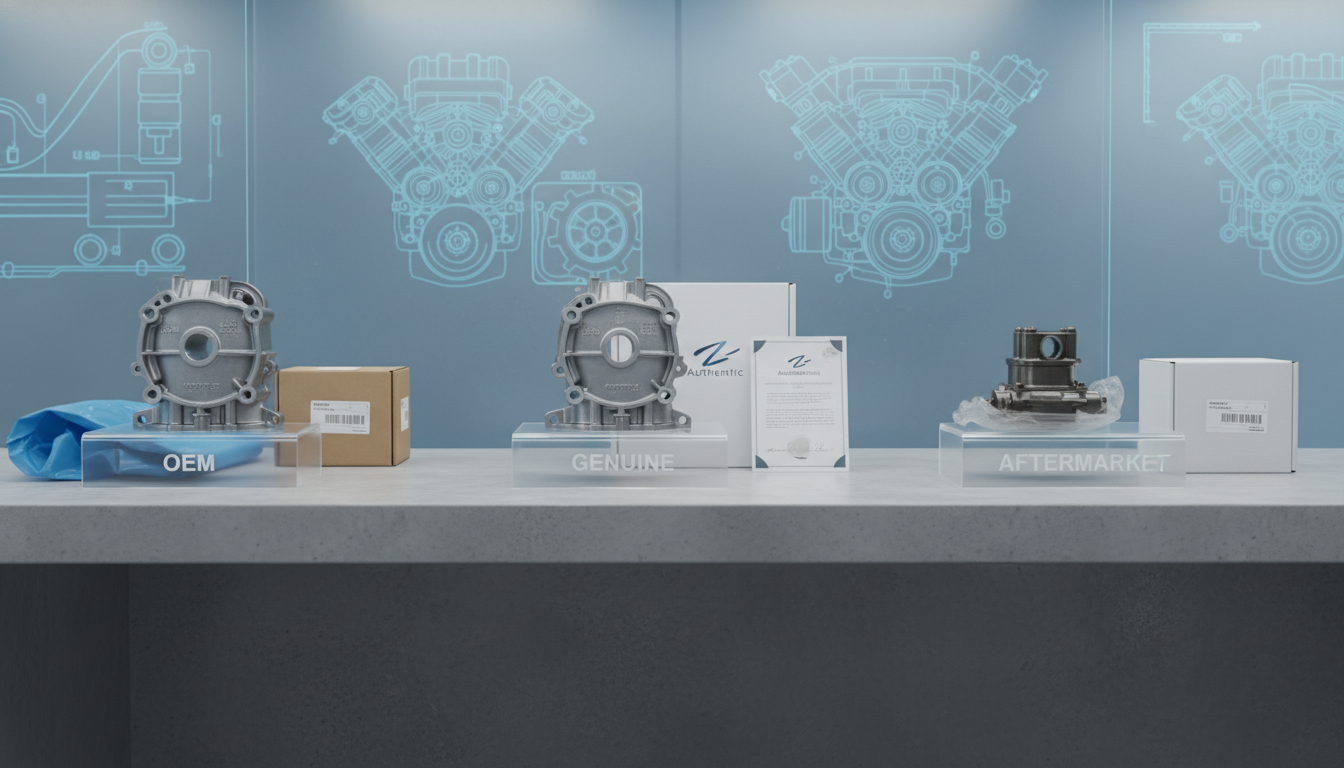
OEM stands for Original Equipment Manufacturer. An OEM part is produced by the same company that built the original component for the equipment maker, but sold under the supplier’s brand rather than the equipment manufacturer’s logo. For example, a Bosch fuel injector supplied to Caterpillar may be sold as a Bosch OEM part, identical in design and material to the factory-installed unit. Understanding spare parts starts with this fundamental distinction in industrial procurement.
Genuine vs. OEM: Clarifying the Distinction
Genuine parts are those sold through the equipment manufacturer’s authorized channels in branded packaging. They carry the manufacturer’s name and part number, backed by manufacturer warranty. OEM parts, while built to identical specifications, come in the component supplier’s box and typically cost 15-30% less. Both meet original performance standards, but genuine parts offer additional traceability, a key factor when learning how to identify genuine OEM spare parts.
Aftermarket Parts: Risks and Benefits
Aftermarket parts are produced by third-party companies that reverse-engineer the original design. Quality varies dramatically, some exceed OEM standards, while others lack critical durability. These components may not undergo the same rigorous testing as OEM or genuine parts, which can lead to premature failure in demanding applications like construction or mining equipment.
Why Identifying Genuine OEM Parts Matters for Heavy Machinery
Performance and Longevity Impacts
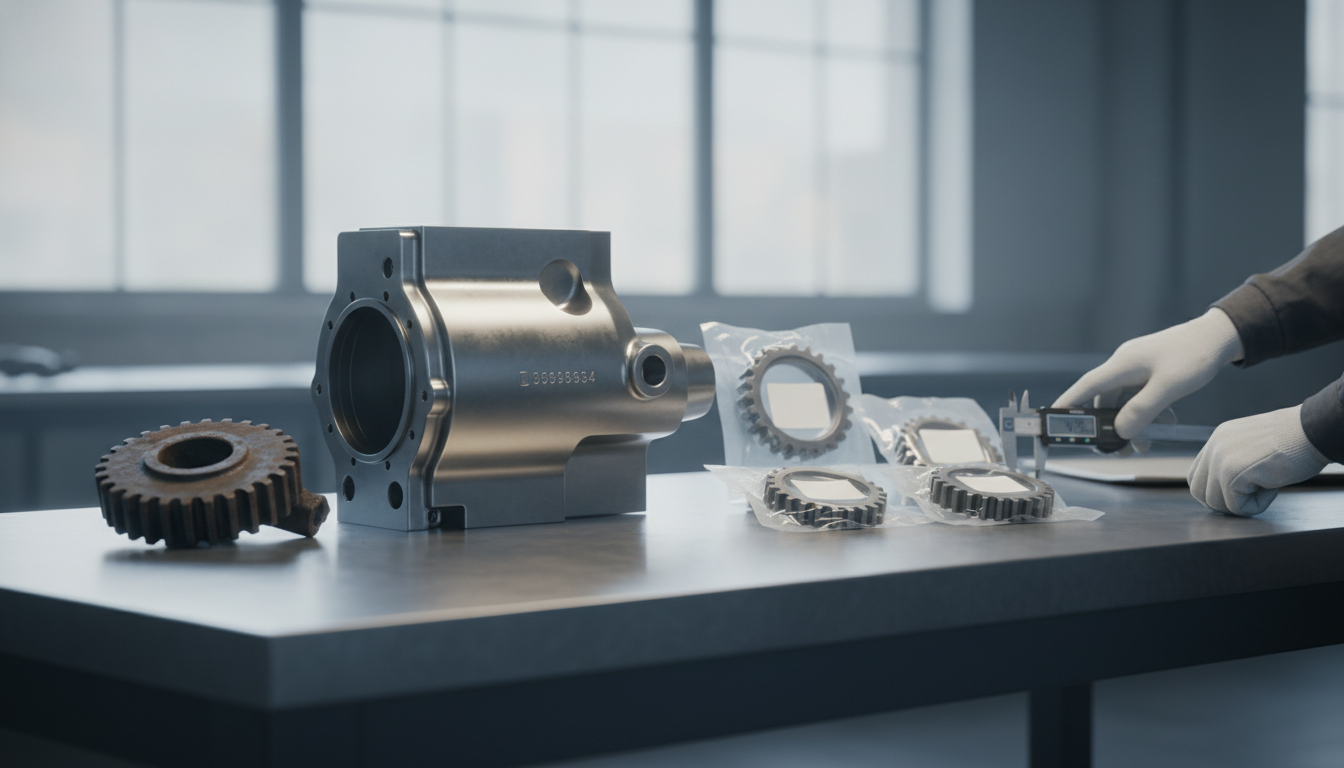
In heavy machinery, even marginal deviations from OEM specifications accelerate wear patterns. Hydraulic seals with incorrect durometer hardness fail under extreme pressure cycles. Genuine OEM parts are engineered to withstand exact operating conditions, vibration, temperature, load, of the equipment they serve. Proper identification keeps machinery running at peak efficiency and extends service intervals significantly.
Safety and Compliance Standards
Industrial components like boom cylinders, brake calipers, and steering linkages must meet ISO 9001 and ASTM material standards. Counterfeit parts often bypass these certifications entirely. A catastrophic failure in a crane or excavator can lead to operator injury or death. Knowing how to identify genuine OEM spare parts becomes a safety imperative regulated by OSHA and the EU Machinery Directive.
Warranty and Asset Value Protection
Most equipment manufacturers void warranties if non-genuine parts are installed. A single counterfeit bearing can void expensive powertrain warranties. When selling or trading machinery, documented use of genuine OEM spare parts bolsters resale value by demonstrating proper maintenance history. Fleet managers consistently report higher resale prices for equipment with complete OEM service records.
The Growing Threat of Counterfeit Spare Parts
Global Counterfeit Market Statistics
“Approximately $3 billion worth of counterfeit powersports components enter the market annually, a 300% increase since 2015, according to industry reports.” Carolina Cycle
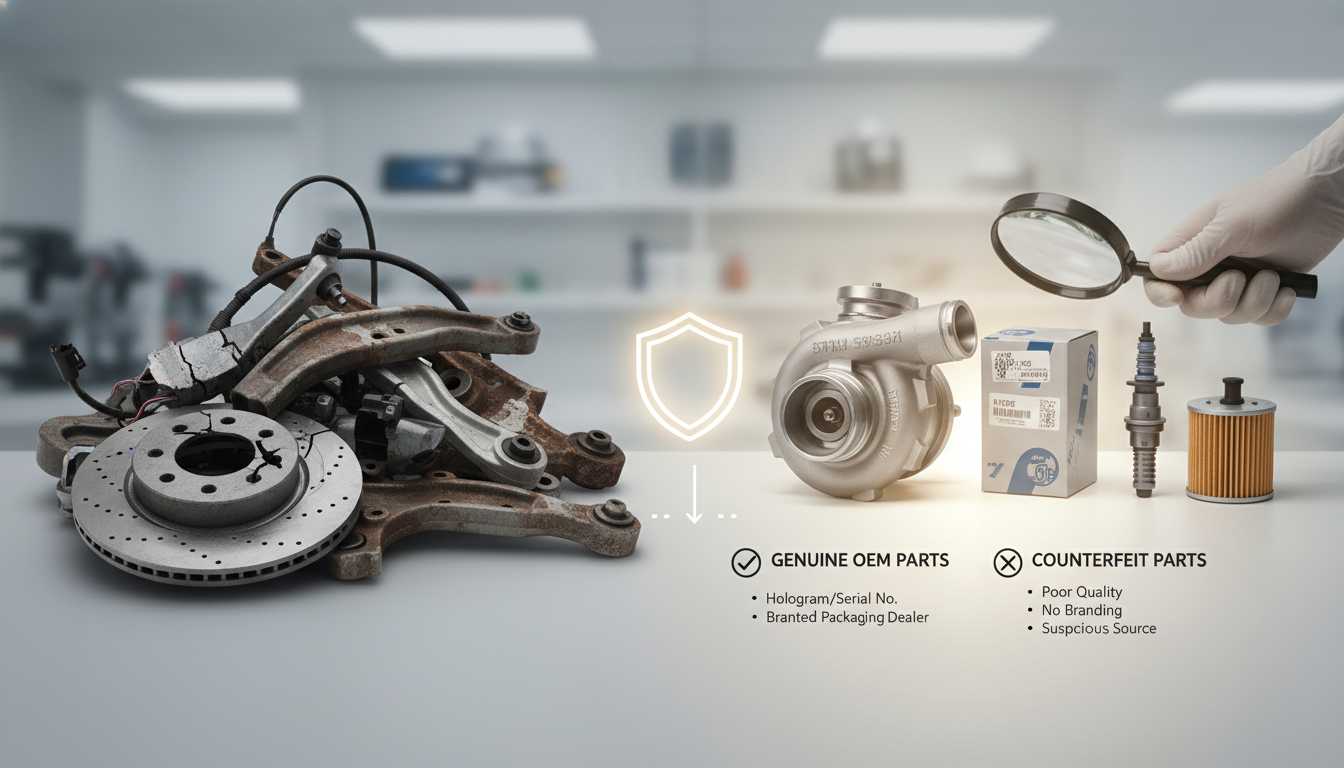
While these figures focus on powersports, similar trends plague the industrial equipment sector. Counterfeit hydraulic pumps, diesel injectors, and undercarriage parts flood global supply chains, often indistinguishable from genuine parts in appearance alone. This reality makes mastering how to identify genuine OEM spare parts essential for procurement managers.
Common Counterfeit Tactics in Industrial Supply Chains
Counterfeiters have become adept at mimicking holographic labels, laser etching, and anti-tamper seals. They source inferior materials, like low-grade steel lacking proper heat treatment, and market them through unauthorized online channels. A common tactic involves repackaging used or reconditioned parts as new genuine OEM items. Without systematic inspection, even experienced procurement managers can be deceived.
Real-World Consequences of Fake Parts
The consequences of counterfeit parts extend beyond immediate failure. A single fake oil filter can allow contaminants into a diesel engine, causing progressive damage that may go unnoticed until expensive rebuilds are required. The risk is real and pervasive across all industrial sectors.
Step-by-Step Process: How to Identify Genuine OEM Spare Parts
Step 1: Verify Packaging and Branding Elements
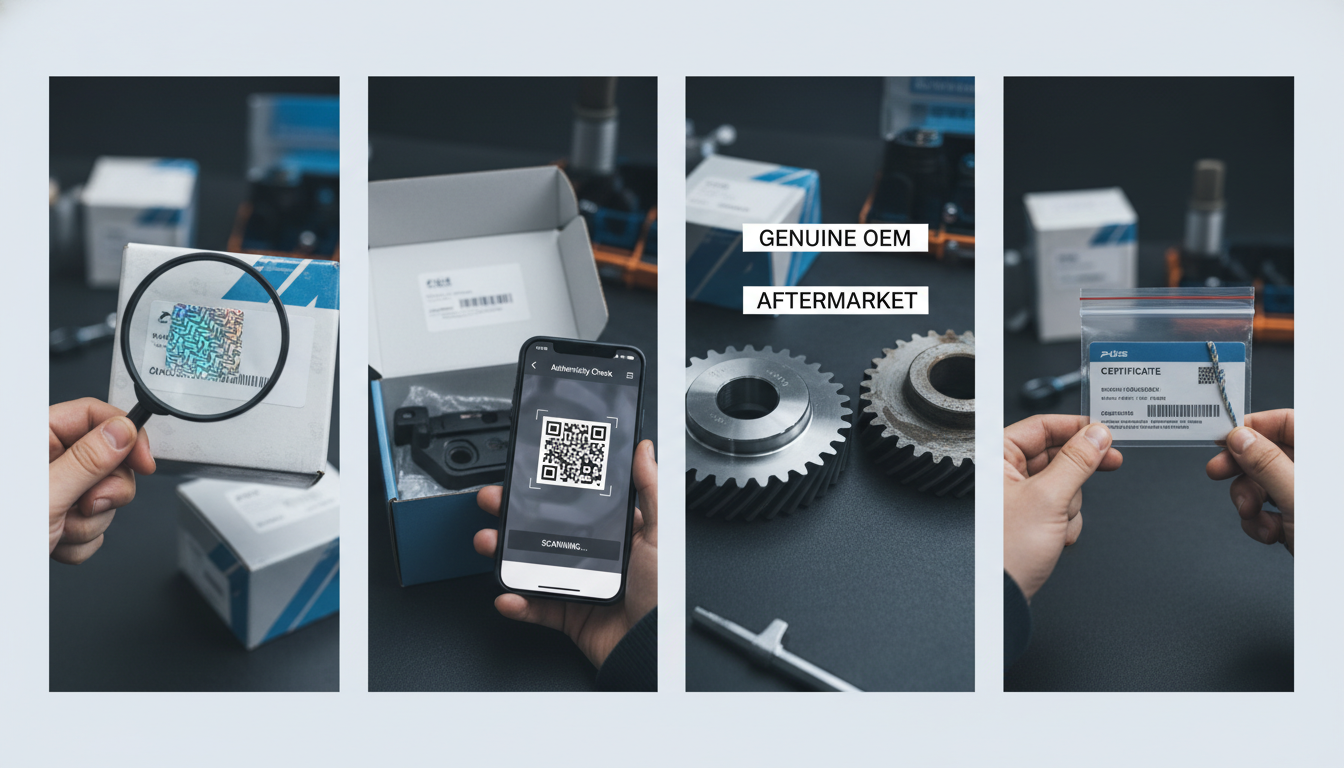
Examine the box for telltale authenticity signs. Genuine OEM packaging always uses high-resolution graphics with consistent colors and fonts. Look for security features like holographic stickers with microtext, tamper-evident seals, and unique QR codes linking to manufacturer verification portals. Pay attention to spelling errors or faded logos, immediate red flags. Many counterfeiters invest heavily in packaging, so don’t rely on appearance alone; always cross-check with current manufacturer packaging designs.
Step 2: Inspect Part Markings and Laser Engravings
Genuine OEM parts typically feature laser-etched part numbers, date codes, and manufacturer insignia that are crisp and permanent. Counterfeit markings may be painted on or appear blurred. Run your fingertip over engravings, authentic markings have subtle texture. Use magnification to check consistency. For example, Caterpillar parts always include specific CAT logos with part numbers in standard formats; any deviation suggests counterfeiting.
Step 3: Cross-Reference OEM Part Numbers
Obtain official part numbers from equipment service manuals or manufacturer electronic parts catalogs. Compare them to numbers on components and packaging. A single digit difference is a major warning sign. Use online OEM parts portals to validate part numbers against your vehicle’s VIN. Many manufacturers offer free VIN decoding tools listing all original equipment part numbers for specific serial numbers.
Digital Verification Tools and Emerging Technologies
QR Codes and Holographic Labels
Modern manufacturers embed QR codes on parts or packaging that, when scanned, direct to verification pages showing production batch and distribution history. Holographic labels with 3D effects and micro-engraved text are nearly impossible to replicate accurately. If holograms appear static or QR codes direct to generic pages, parts are likely counterfeit.
Blockchain-Based Traceability Systems
Several OEMs are piloting blockchain solutions creating immutable digital records from factory to end user. Each part receives a unique digital identity verifiable via secure apps. This technology is expected to become standard in high-value components like engine control modules by 2027, providing absolute confidence in authenticity verification.
Manufacturer Mobile Apps and Online Portals
Companies like John Deere and Komatsu offer mobile apps letting field techs scan barcodes and instantly confirm legitimacy. Others provide online portals where you enter part numbers and serial numbers to check against official databases. Always download these apps from official websites to avoid counterfeit applications themselves.
Using OEM Part Numbers and Vehicle VINs to Confirm Authenticity
Decoding OEM Part Number Formats
OEM part numbers follow strict, manufacturer-specific patterns. For instance, Toyota part numbers consist of 5-digit base numbers, 5-digit design numbers, and 2-digit color or modification codes. Learning to decode these formats helps spot anomalies. Part numbers not conforming to expected structures are almost certainly bogus.
VIN Lookup for Exact Component Matching
Your equipment’s Vehicle Identification Number contains wealth of information about original build specifications. Entering VINs into genuine OEM catalogs retrieves exact part numbers for every component that left the factory. This eliminates guesswork and ensures correct, factory-spec replacements when you need to identify genuine OEM spare parts.
Free and Paid OEM Catalogs
Many manufacturers provide free online parts catalogs allowing VIN-based searches. For industrial equipment, services like 3GEN Export’s parts portal offer access to extensive databases of genuine OEM components, complete with real-time inventory and instant verification. Paid catalogs often include high-resolution diagrams and supersession chains, making it easy to confirm older part numbers have been updated to new genuine OEM versions.
Packaging and Documentation: Red Flags for Counterfeits
Analyzing Print Quality and Labeling Errors
Genuine OEM packaging uses professional-grade printing with consistent color reproduction. Counterfeits often show jagged text, off-register images, or smudged ink. Check for genuine manufacturer barcodes; fakes may have codes that don’t scan or link to non-existent products.
Missing or Inconsistent Certifications
Look for ISO or ASTM compliance marks on packaging. Genuine parts for industrial applications typically display these alongside regulatory certifications like CE or UL. If documentation is absent or appears photocopied, it’s a strong counterfeit indicator. In the European Union, CE marks must be accompanied by notified body numbers for certain components; any discrepancy voids compliance.
Country of Origin Discrepancies
Counterfeiters frequently mislabel country of origin. Parts claiming German manufacture but packaged with materials from known counterfeiting regions should raise suspicion. Use manufacturer websites to verify where specific parts are actually produced. For global OEMs, production may occur in multiple countries, but packaging will always match documented origins.
Sourcing Genuine OEM Parts from Trusted Suppliers
Authorized Dealerships and Distributors
The safest route is purchasing directly from equipment manufacturer authorized dealer networks. These dealers receive parts directly from OEM factories and provide genuine invoices and warranties. While dealership prices may be 10-20% higher than online sources, you eliminate counterfeit risks entirely.
Online OEM Parts Retailers
Reputable online retailers like 3GEN Export specialize in genuine OEM industrial and heavy equipment parts. They source directly from OEMs and offer complete documentation. When buying online, verify retailer credentials: look for physical addresses, OEM authorization logos, and customer reviews. 3GEN Export provides parts verification services that cross-reference orders with manufacturer databases before shipping.
Avoiding Gray Market and Third-Party Marketplaces
Marketplaces like eBay or Alibaba are rife with counterfeits sold as genuine OEM. Even if sellers claim authorization, verification is difficult. Gray market parts, genuine items sold outside authorized channels, may lack warranty coverage. For critical components, stick to known, traceable sources.
Pros and Cons
Pros
- Guaranteed compatibility and performance matching original specifications
- Full manufacturer warranty coverage and support
- Maintains equipment resale value through documented maintenance history
- Meets all safety and regulatory compliance standards
- Extends service intervals and reduces unexpected downtime
Cons
- Higher upfront cost compared to aftermarket alternatives
- Limited availability outside authorized dealer networks
- Longer lead times for specialized or discontinued components
- May require specific supplier relationships for bulk purchasing
Comparison Table: Genuine vs. OEM vs. Aftermarket Parts
| Feature | Genuine Parts | OEM Parts | Aftermarket Parts |
|---|---|---|---|
| Source | Equipment manufacturer’s authorized supply chain | Component supplier (e.g., Bosch, Denso) | Independent aftermarket companies |
| Quality | Exact factory specifications | Identical to factory spec, same supplier | Varies; can meet or fall short of OEM |
| Warranty | Full manufacturer warranty (12-24 months typical) | Supplier warranty, often matching genuine | Varies; some offer limited warranty |
| Cost | Highest, but includes brand assurance | 15-30% cheaper than genuine | Often 30-50% cheaper, but risk of hidden costs |
| Availability | Only through authorized dealers | Wider availability, including online | Readily available through many channels |
| Fit & Finish | Perfect fit, no modifications needed | Plug-and-play fit | May require adjustment or additional parts |
| Recommended Use | Critical safety components, warranty repairs | Everyday maintenance, cost-conscious fleets | Non-critical, cosmetic, or owner discretion |
Maintenance Best Practices to Ensure Longevity with Genuine OEM Components
Proper Installation and Torque Specifications
Even genuine OEM parts can fail if installed incorrectly. Always follow equipment manufacturer torque specifications and use calibrated tools. A cylinder head bolt torqued beyond specification can distort gaskets, leading to oil or coolant leaks. Using OEM service manuals ensures precision installation.
Maintenance Schedules and OEM Fluids
Genuine parts perform best when used with OEM-specified lubricants and fluids. Mixing coolant chemistries or using oils not meeting manufacturer API classifications can shorten component life. Stick to recommended drain intervals and use only fluids carrying manufacturer approval.
Documentation and Record-Keeping
Maintain detailed service logs including part numbers, sources, installation dates, and VINs. This helps with warranty claims and provides complete provenance trails when selling equipment. Digital maintenance management systems can store photos of parts and packaging, adding another verification layer.
How to Identify Genuine OEM Spare Parts for Specific Industries
Automotive vs. Heavy Equipment OEM Standards
While basic identification principles apply across sectors, heavy equipment parts often carry additional casting numbers and date codes due to larger batch sizes. Agricultural machinery OEMs like John Deere use serialized components on high-wear items like planter units, traceable back to factories. Automotive OEM parts may rely more on barcodes and holograms due to higher volumes.
Aviation and Marine OEM Requirements
In aviation, OEM parts must comply with FAA or EASA regulations and come with 8130-3 forms certifying airworthiness. Marine parts for commercial vessels require classification society approval (e.g., DNV, Lloyd’s). Counterfeit parts in these sectors can lead to groundings or detentions, making supplier verification absolutely critical. 3GEN Export offers traceability documentation meeting these stringent industry requirements.
Powersports and Recreational Vehicles
Powersports vehicles face massive influxes of counterfeit brake pads, sprockets, and filters. Riders should verify packaging holograms and buy from authorized dealers. Even failed chain tensioners in motorcycles can cause engine damage; cost savings never justify the risks involved.
“Mastering how to identify genuine OEM spare parts requires systematic verification of packaging, part numbers, and supplier credentials. In our experience supplying industrial equipment parts globally, the most reliable method combines VIN-based catalog searches with authorized dealer verification.” – 3GEN Export Technical Team
Frequently Asked Questions
What is the difference between genuine and OEM parts?
Genuine parts are branded by the equipment manufacturer and sold through official channels. OEM parts are made by the same supplier that built the original component but packaged under the supplier’s name. Both meet original specifications; the difference lies in branding and warranty coverage.
How can I check if an OEM part number is authentic?
Cross-reference the part number with the manufacturer’s official electronic parts catalog using your equipment’s VIN. Ensure the number format follows the manufacturer’s standard pattern. Many OEMs now provide online verification tools or apps that instantly confirm authenticity.
Can I use a VIN to find genuine OEM parts?
Yes. Entering your VIN into an authorized OEM parts portal retrieves every genuine part number for that specific vehicle. This method ensures you order the correct component without relying on third-party listings.
What are the most common signs of counterfeit auto parts?
Look for low-quality packaging with misspellings, missing holographic seals, inconsistent fonts or colors, and part numbers that don’t match OEM catalogs. Cheap materials, poor fit, and lack of manufacturer documentation are also strong indicators.
Are aftermarket parts as good as OEM?
Quality varies significantly. Some aftermarket parts exceed OEM specifications, particularly from well-known brands. However, many are reverse-engineered without complete design data, leading to potential fitment issues or reduced durability. Critical components should always be genuine or OEM.
Where can I buy genuine OEM spare parts safely?
Purchase from authorized dealerships, manufacturer online stores, or trusted industrial parts suppliers like 3GEN Export. Always verify seller credentials and avoid unauthorized marketplaces that lack traceability.
Conclusion
Mastering how to identify genuine OEM spare parts is essential in an era when counterfeits have become convincingly sophisticated. By following the verification steps outlined, checking packaging, part numbers, and using digital tools, you safeguard equipment performance, operator safety, and long-term value. Trust only established suppliers who provide complete traceability, and never compromise on component authenticity. Shop OEM-quality spare parts with global 5-day delivery at 3genexport.com