
Key Takeaways
- Contamination is the most frequent cause of hydraulic failures, linked to roughly 70–80% of all issues.
- Overheating above 82°C (180°F) drastically reduces fluid life and damages seals.
- Cavitation silently erodes pump surfaces, leading to premature wear and reduced efficiency.
- Regular fluid analysis and filter changes can prevent most unexpected failures.
- Proactive maintenance and quality replacement parts significantly reduce total cost of ownership.
Common hydraulic system failures in excavators are malfunctions within the fluid-power circuit that cause reduced digging force, slow movements, or complete machine shutdown.
What Are Common Hydraulic System Failures in Excavators?
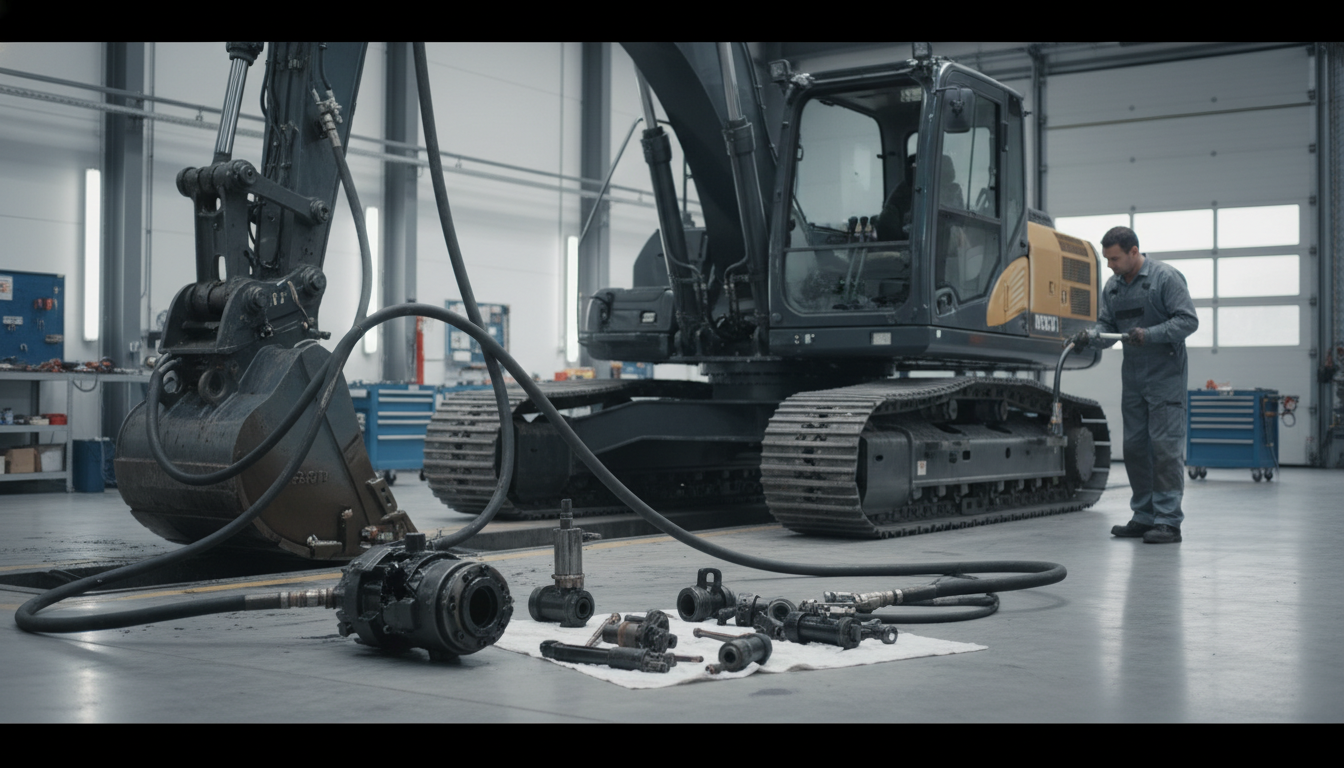
in excavators encompass a range of issues that impair the transmission of pressurized fluid to actuators and motors. These failures manifest as weak travel motors, jerky boom movements, erratic control, and sudden stops. Understanding these excavators requires examining the system’s core components: the pump, valves, cylinders, hoses, and fluid.
The Anatomy of an Excavator Hydraulic System
An excavator’s hydraulic system is a closed-loop circuit where the pump pressurizes oil, control valves direct flow, cylinders and motors perform work, and filters maintain cleanliness. Each component is interdependent; a single failed seal can introduce contaminants that cascade into pump failure.
Why Prompt Diagnosis Matters
Ignoring early symptoms like slow operation or unusual noise can lead to catastrophic failure. According to Gulf Oil’s industry insights, air and water contamination alone are responsible for roughly 80–90% of hydraulic system failures. Immediate attention prevents minor leaks from becoming major overhauls.
Contamination: The Primary Culprit Behind Hydraulic Failures
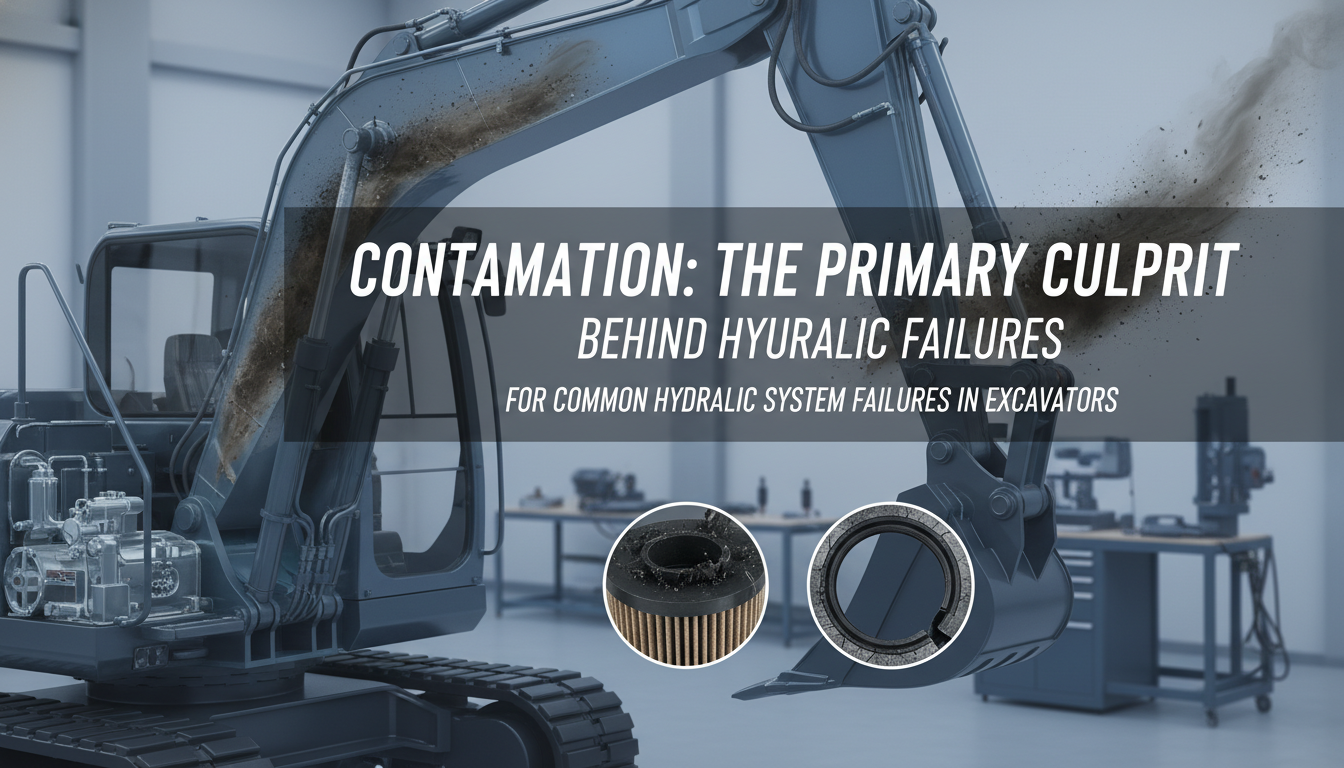
Contamination is the leading cause of common hydraulic system failures in excavators, accounting for roughly 70–80% of all malfunctions, as noted by service experts. Dust, metal shavings, water, and air degrade fluid quality, turning it into an abrasive paste that erodes precision surfaces.
Sources of Contamination
- External ingress: Dirty seals or open breathers allow dust and moisture inside.
- Internal generation: Pumps and valves wear down, releasing microscopic metal particles.
- Fluid degradation: High heat causes oxidation, forming sludge that clogs filters and orifices.
“Even 1 milligram of solid contaminants per liter of hydraulic oil can initiate abrasive damage, drastically shortening component life. This is why filtration and fluid analysis are non-negotiable in heavy equipment maintenance.”
Effects on System Performance
Contaminated fluid causes sticking control valves, reduced pump efficiency, and scored cylinder walls. In excavators, this directly translates to jerky boom movements, slow swing functions, and an inability to hold consistent digging force. Water-contaminated oil also promotes rust inside motor housings, leading to expensive repair bills.
Fluid Analysis and Filtration Best Practices
Regular fluid sampling and laboratory analysis detect particles, moisture, and viscosity changes before damage occurs. Replace hydraulic filters per the OEM schedule, typically every 500–1,000 operating hours for construction excavators. Use high-efficiency, multi-pass filters rated at β10 ≥ 200 to trap most 10-micron particles.
Overheating: High Temperatures That Accelerate Wear
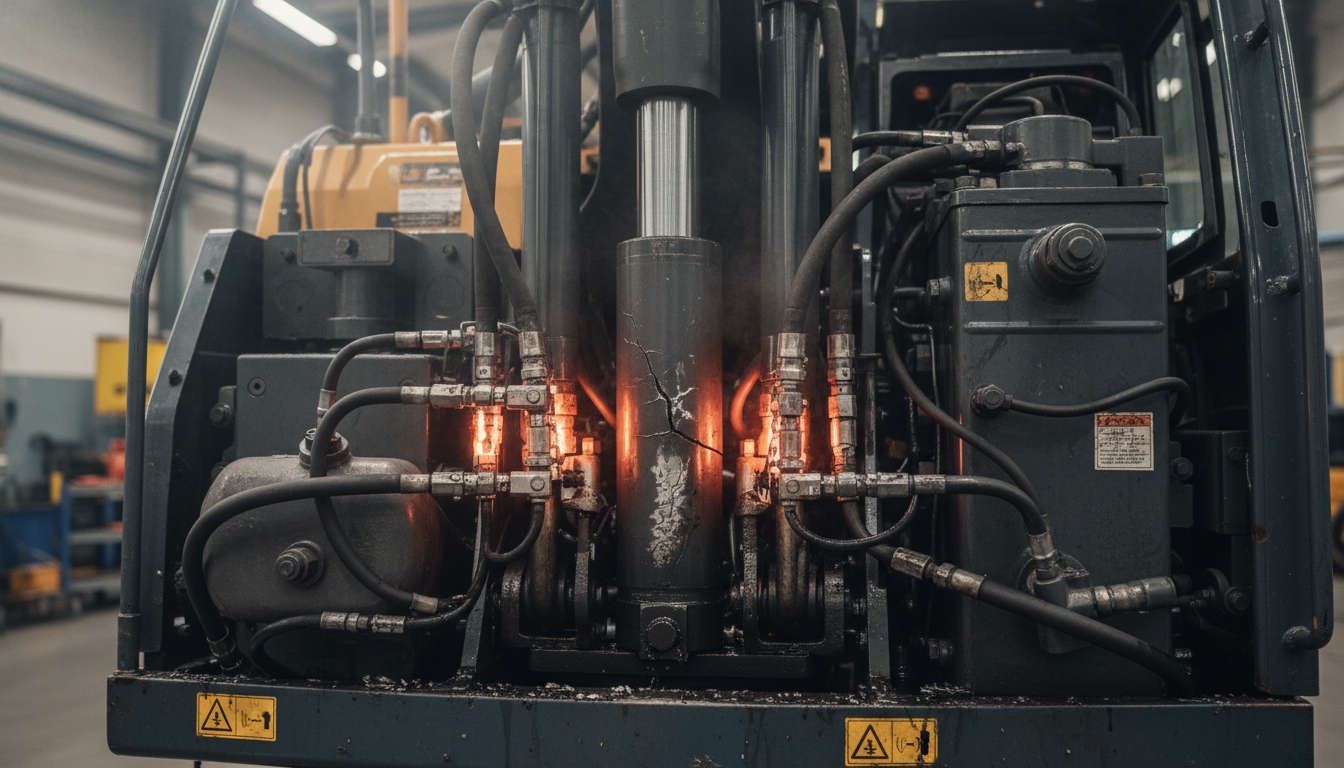
Overheating represents another category of common hydraulic system failures in excavators that drastically reduces fluid life and weakens seals. Sustained temperatures above 82°C (180°F) cause thermal degradation, reducing viscosity and forming varnish on internal parts.
Primary Heat Sources
- Internal leakage: Worn pumps and valves generate excess heat through fluid friction.
- Insufficient cooling: Clogged radiators or inoperative cooling fans fail to dissipate heat.
- Overloading: Demanding cycles without cooldown periods create heat spikes.
Diagnostic Signs of Overheating
Operators may notice slower cycle times, a burnt smell from the hydraulic tank, or frequent fluid thinners. A thermal imaging gun can spot hot spots on pumps and cylinders. If hydraulic fluid temperature exceeds 82°C (180°F) repeatedly, immediate inspection is required to avoid seal failure and pump cavitation.
Cooling System Maintenance
Clean radiator cores daily in dusty environments, check thermostat operation, and ensure proper fan belt tension. Retrofitting an auxiliary oil cooler can reduce operating temperatures by 10–15°C in severe-duty excavators.
Hydraulic Pump Issues: From Cavitation to Complete Failure
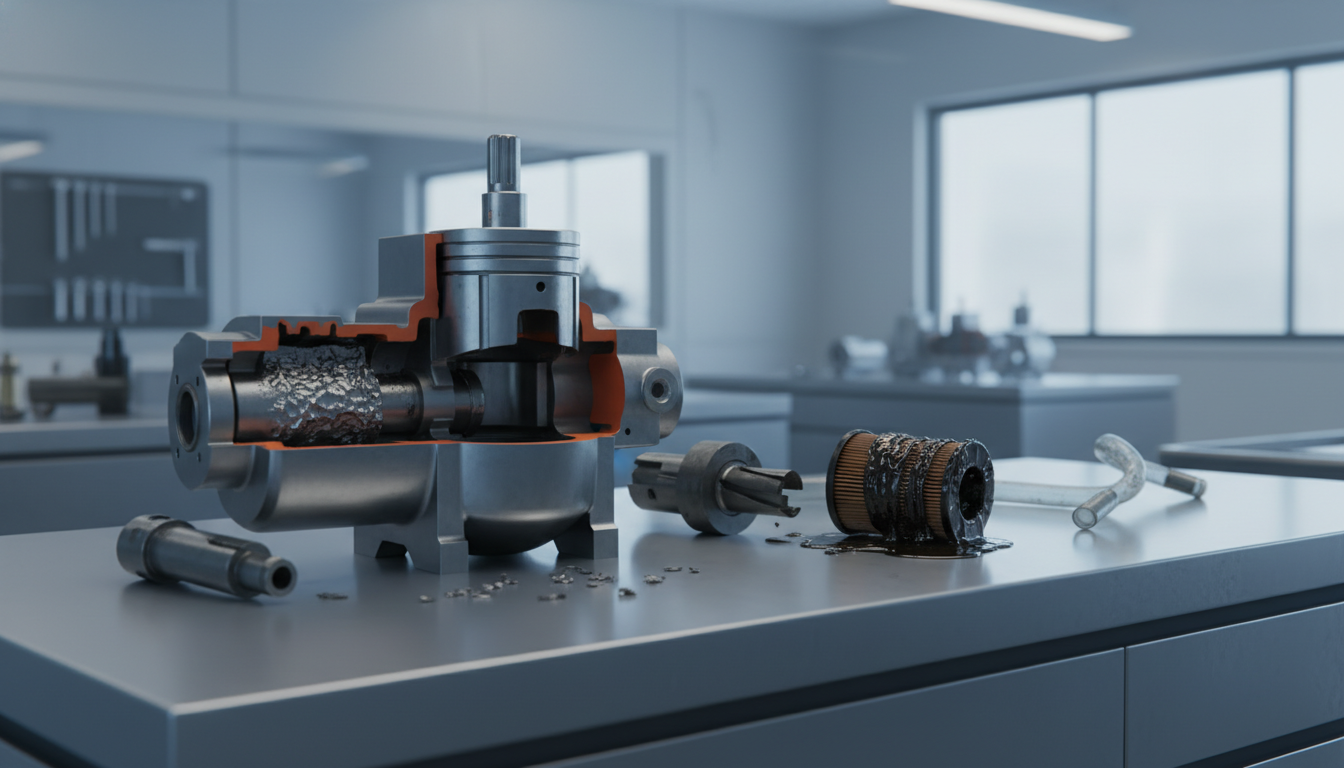
Hydraulic pump failure is a critical type of common hydraulic system failure in excavators, often resulting from cavitation, fluid starvation, or mechanical wear. Symptoms include loud whining, slow or no movement, and pressure loss.
Cavitation: The Silent Pump Destroyer
Cavitation occurs when vapor bubbles form in low-pressure areas and collapse violently, pitting metal surfaces. It is caused by restricted intake lines, low reservoir levels, or excessively high fluid viscosity. The damage is cumulative and eventually requires a pump rebuild or replacement.
“Cavitation is one of the most destructive forces in a hydraulic system because it can go unnoticed until performance drops sharply. Regular inspections of suction strainers and fluid levels are the first line of defense,” explains a senior technician at Miller Hydraulic Service.
Pressure Loss and Weak Performance
Low pump flow rates reduce travel motor speed, swing torque, and lifting capacity. A dead-head pressure test can isolate whether the problem lies in the pump or elsewhere. Abnormally high case drain flow is a telltale sign of internal pump wear.
Rebuild vs. Replacement
Deciding between a pump rebuild and a new unit depends on cost, downtime tolerance, and damage severity. Quality remanufactured pumps can restore most performance at a fraction of new OEM cost. Always insist on components that meet or exceed ISO 4406 cleanliness standards.
| Symptom | Common Cause | Diagnostic Test | Preventive Action |
|---|---|---|---|
| Slow travel & weak digging | Pump wear, low fluid, cavitation | Pressure and flow check at pump output | Regular fluid & filter changes; inspect suction line |
| Jerky or shuddering movements | Air in system, contamination | Visual inspection for foam in oil; bleed air | Proper system bleeding after maintenance |
| Excessive noise (whine, rattle) | Cavitation, pump failure, loose components | Stethoscope or vibration analysis | Check fluid viscosity; replace worn parts |
| Fluid overheating | Internal leakage, cooling issues | Infrared thermometer scan | Clean coolers; use correct fluid grade |
| External leaks (puddles under machine) | Damaged seals, hose abrasion | Wipe and inspect hose runs and fittings | Replace hoses at first sign of wear; use protective sleeves |
Seal and Hose Leaks: External and Internal Pathways
Leaks are a blatant indication of common hydraulic system failures in excavators, yet many are hidden internal bypasses that waste energy and generate heat. Cylinder seals, O-rings, and high-pressure hoses endure severe flexing and temperature extremes.
Identifying External Leaks
Look for wet spots on cylinder rods, hose fittings, and the pump mounting area. Dye testing can pinpoint tiny cracks in castings. A single quart of leaked fluid per day becomes dozens of gallons per year, an environmental and financial headache.
Internal Leakage and Cylinder Drift
When a cylinder piston seal fails, the boom or arm will drift downward under load. This indicates internal bypassing and requires a seal kit replacement. Continuously compensating for drift by re-stroking the cylinder consumes fuel and reduces productivity.
Hose Abrasion and Age
Hoses routed near moving parts or exposed to UV light degrade over time. A rule of thumb is to replace hydraulic hoses every 5–7 years, even without visible damage. Installing spiral guards and routing clamps can double hose service life.
Air and Cavitation: Performance Compromises
Air in the hydraulic system causes spongy controls, erratic operation, and pump damage. Common hydraulic system failures in excavators frequently trace back to air ingestion or cavitation.
How Air Enters the System
Loose suction clamps, a low reservoir level, or poor bleeding after service invite air pockets. A foamy appearance in the sight glass indicates aeration. Air compresses under load, delaying motion response and causing jerky attachments.
Step-by-Step Bleeding Procedure
- Run the engine at low idle and cycle all functions slowly to allow air to escape.
- Check the reservoir level frequently; top up with the specified hydraulic oil.
- Loosen any high-point bleeders per the manufacturer’s manual and tighten when clear oil flows.
- Re-test movement smoothness and listen for pump noise reduction.
Preventing Cavitation Through Viscosity Control
Cavitation often results from using oil with too high a viscosity grade in cold climates. Always consult the OEM chart for ambient temperature ranges. In Arctic conditions, synthetic fluids with high viscosity indices maintain flow without sacrificing protection.
Proactive Maintenance to Mitigate Common Hydraulic Failures
Prevention is the smartest investment against common hydraulic system failures in excavators. Structured maintenance schedules identify wear before it escalates, lowering overall fleet costs.
Daily Operator Walk-Arounds
Train operators to check fluid levels, inspect hoses for abrasion, and listen for abnormal noises. A simple 10-minute visual and auditory check can uncover developing leaks or hot spots before they halt production.
Scheduled Fluid and Filter Intervals
Adhere to the manufacturer’s recommended service hours for oil changes, typically 2,000–4,000 hours depending on duty cycle. High‑contamination environments may require halving the interval. Always replace filters with genuine components that meet the system’s micron rating.
Professional Fluid Analysis Program
Enroll in a fluid analysis service that tracks wear metals (iron, copper, silicon), viscosity, and total acid number (TAN). Data trends reveal part deterioration long before a failure occurs. This predictive approach can extend component life significantly.
Pros and Cons
Pros
- Early detection through fluid analysis prevents catastrophic failures
- Regular maintenance extends component life and reduces downtime
- Quality aftermarket parts offer cost-effective alternatives to OEM
- Proper filtration systems eliminate most contamination issues
Cons
- Hydraulic repairs require specialized tools and expertise
- Contaminated systems may need complete fluid flushes
- Temperature monitoring requires additional instrumentation
- Emergency repairs often cost significantly more than planned maintenance
The Cost of Neglect and the Value of Quality Parts
Every hour of unscheduled downtime costs contractors substantial money, depending on machine size and project penalties. Proactive maintenance paired with quality replacement parts drastically cuts this expense.
Financial Impact of Reactive Repairs
When a hydraulic pump fails catastrophically, the cost isn’t just the new component, it’s the cleanup, flushed lines, lost rental revenue, and potential contractual fines. Reactive repairs typically run several times the cost of planned maintenance interventions.
Criteria for Selecting Replacement Parts
Choose suppliers that provide ISO-certified products with traceable origins. Critical hydraulic components, pumps, motors, valves, should meet OEM specifications for clearances and materials. Quality aftermarket options from trusted distributors like 3GEN Export offer a balance of reliability and cost-effectiveness, shipping within 48 hours to minimize downtime.
Partnering with 3GEN Export for Hydraulic Solutions
3GEN Export specializes in heavy equipment parts for excavators, covering a vast inventory of hydraulic components. With technical support and rapid global delivery, we help maintenance teams keep machines running and avoid the pitfalls of common hydraulic system failures in excavators. Shop OEM-quality spare parts with global 5-day delivery at 3genexport.com
Frequently Asked Questions
What are the five main problems in a hydraulic system?
The five main problems are contamination, overheating, cavitation, fluid leaks, and component wear. Each leads to reduced efficiency, sluggish operation, and eventual breakdown if not corrected.
How can I tell if my excavator’s hydraulic fluid is contaminated?
Look for a milky or foamy appearance, a burnt smell, or dark coloring. Lab analysis will reveal water content, particle count, and chemical degradation. Regular sampling every 250–500 hours is advisable.
What temperature is too hot for hydraulic oil?
Hydraulic oil should not exceed 82°C (180°F). Sustained operation above this threshold accelerates oxidation, reduces viscosity, and damages seals. Continuous high temperatures signal cooling system inefficiencies or internal leakage.
Can air in the hydraulic system damage a pump?
Yes, air causes cavitation and reduces lubricity, leading to metal-on-metal contact. This pitting destroys pump efficiency and can necessitate a complete rebuild. Bleed the system thoroughly after any repair.
How often should hydraulic hoses be replaced on an excavator?
Hoses should be inspected every 1,000 hours and replaced every 5–7 years regardless of appearance. Those exposed to intense heat or flexing may need more frequent replacement, with abrasion protection extending their life.
Is it better to rebuild or replace a failed hydraulic pump?
Rebuilding is cost-effective if the housing and swashplate are undamaged and performance can be restored to acceptable levels. For catastrophic damage, a full replacement with a warranty-backed unit from a reputable supplier is safer.