
Best practices for heavy machinery preventive maintenance combine systematic inspections, fluid analysis, and OEM-scheduled part replacements to reduce breakdowns and extend equipment life.
Key Takeaways
- Preventive maintenance reduces repair costs and extends heavy equipment lifespan significantly.
- Daily pre-start inspections and fluid checks prevent catastrophic failures on excavators, bulldozers, and cranes.
- Integrating telematics from Caterpillar VisionLink or John Deere Operations Center enables predictive maintenance.
- Record-keeping with CMMS software like Fleetio or FMX ensures warranty compliance and resale value.
- Training operators and technicians on maintenance protocols reduces workplace injuries and OSHA violations.
Why Preventive Maintenance Matters for Heavy Machinery
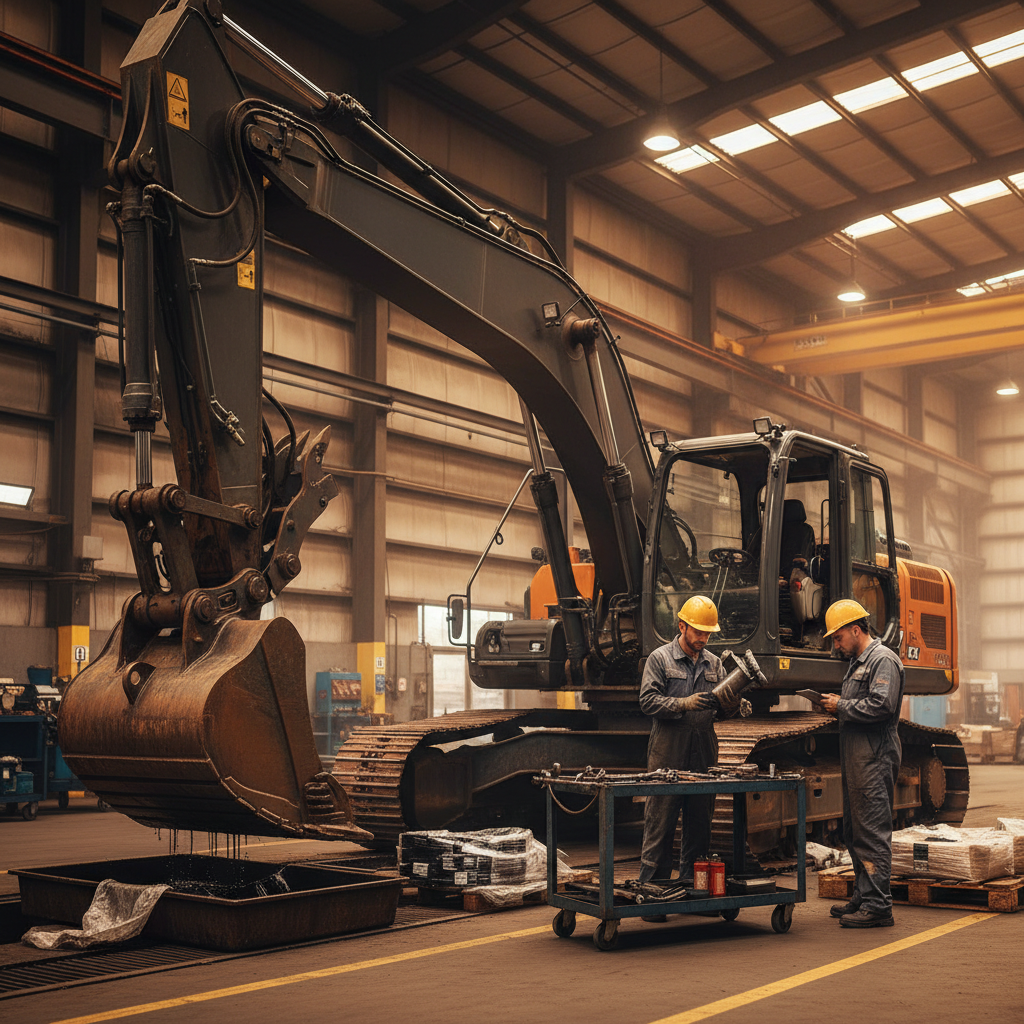

Heavy machinery operates in harsh environments where dust, vibration, and extreme loads accelerate wear. Without a structured maintenance program, equipment like Cat® excavators or Komatsu bulldozers can fail unexpectedly, halting projects and risking worker safety. According to the U.S. Bureau of Labor Statistics, heavy equipment accidents caused 705 fatalities and 196,140 injuries in 2021 alone. Major repair costs can reach $30,000, as reported by SafetyCulture. A proactive approach isn’t optional—it’s a competitive necessity.
Core Strategies for Equipment Maintenance Excellence
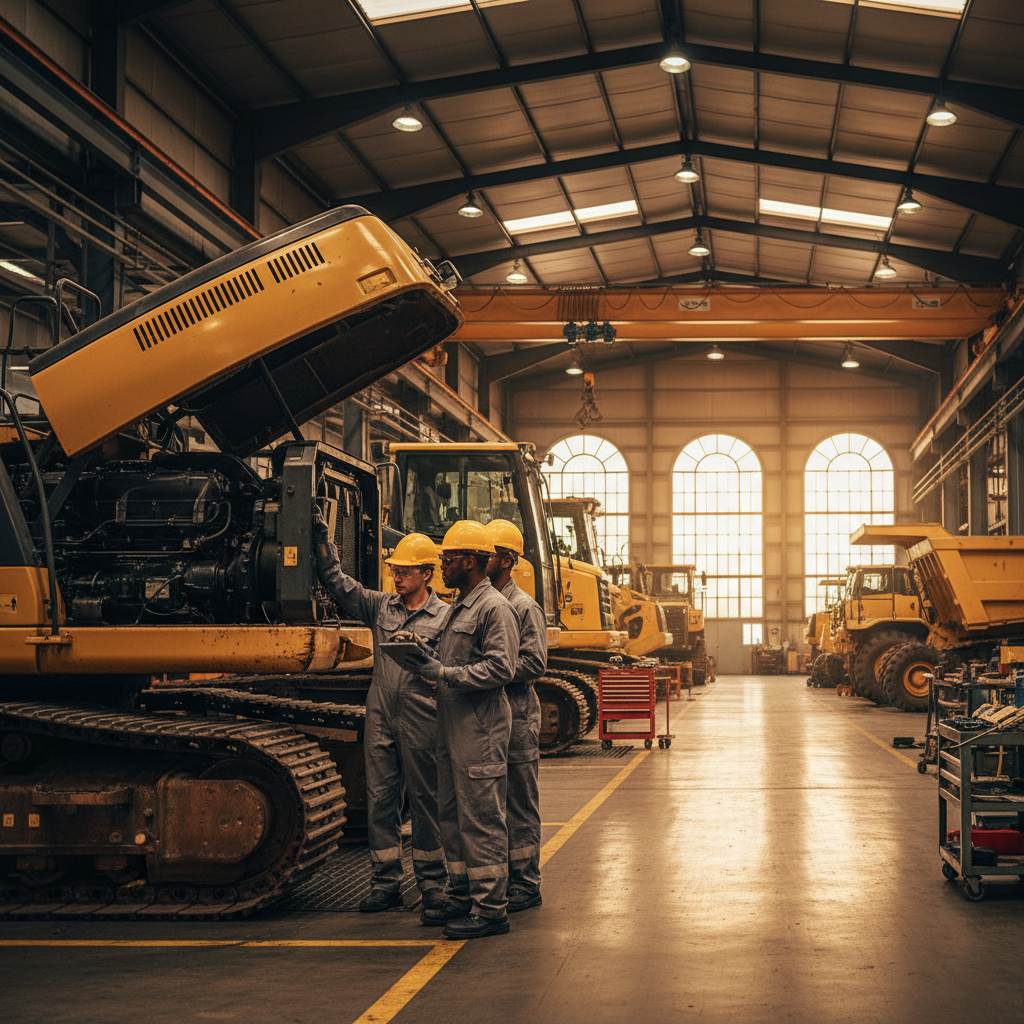

Implementing best practices for heavy machinery preventive maintenance requires shifting from reactive fixes to a scheduled, data-driven system. Here are the foundational strategies every fleet manager should implement:
- Follow OEM guidelines precisely. Manufacturers like Caterpillar, Komatsu, and John Deere provide service intervals based on engine hours or mileage. Adhering to these maintains warranty eligibility and performance standards.
- Digitize maintenance records. Replace paper logs with a computerized maintenance management system (CMMS) to automate reminders and track historical data. This improves compliance and helps forecast part lifecycles.
- Conduct fluid analysis regularly. Oil, coolant, and hydraulic fluid sampling detects contaminants or metal particles early, preventing engine or transmission damage. Pair this with Caterpillar’s S·O·S Fluid Analysis program for actionable insights.
- Inspect undercarriage and tires daily. For tracked equipment, worn rollers or loose track links can cause costly downtime. Pneumatic tires require pressure checks and tread depth monitoring.
- Empower operators through training. Operators are the first line of defense. Teach them to recognize abnormal noises, vibrations, or leaks and report them immediately via a mobile inspection app.
Building a Customized Preventive Maintenance Checklist


A standardized checklist ensures no critical component is overlooked. Use this step-by-step process, tailored to each asset type:
- Step 1 – Ground-Level Visual Inspection: Walk around the machine looking for leaks, loose bolts, cracked welds, or damaged hoses. Check safety decals and guard condition.
- Step 2 – Fluid Levels and Quality: Verify engine oil, hydraulic fluid, coolant, and fuel levels. Look for signs of contamination—milky oil indicates water ingress, while dark hydraulic fluid suggests oxidation.
- Step 3 – Undercarriage and Tires: For tracked machines, measure track tension and shoe wear. For wheeled loaders, inspect tire sidewalls and tread depth.
- Step 4 – Engine Compartment: Inspect belts, hoses, and wiring for cracks or corrosion. Check air filter restriction indicators and replace elements before they clog.
- Step 5 – Operational Test: Start the engine and listen for abnormal knocks. Operate all hydraulic functions, steering, and brakes at idle and full RPM to confirm response and force.
- Step 6 – Documentation: Log all findings in your CMMS, noting any corrective actions or parts replaced. This creates a verifiable service history that boosts resale value.
Leveraging Technology: Telematics and Predictive Maintenance


Modern heavy machinery comes equipped with telematics systems that transmit real-time data on engine load, fuel consumption, fault codes, and location. Platforms like Caterpillar VisionLink and John Deere Operations Center allow fleet managers to move beyond calendar-based maintenance toward predictive maintenance. By analyzing trends—such as rising transmission temperatures or increasingly frequent DPF regenerations—technicians can schedule repairs just before a failure occurs, maximizing uptime and part life. Integrating telematics with your CMMS, as offered by Fleetio, automates work orders and inventory management, further reducing administrative burden.
Comparative Analysis: Preventive vs. Predictive vs. Reactive Maintenance
Understanding the trade-offs among maintenance philosophies helps you allocate resources wisely. The table below compares the four primary approaches for heavy equipment.
| Maintenance Type | Description | Cost Implication | Pros | Cons |
|---|---|---|---|---|
| Preventive | Scheduled servicing based on time or usage intervals (e.g., every 250 engine hours). | Reduces repair bills significantly. | Minimizes unexpected downtime; extends component life. | May lead to over-servicing if intervals are too conservative. |
| Predictive | Real-time monitoring of asset health via sensors and telematics; service triggered by anomalies. | Higher upfront technology investment but longer asset life. | Prevents failures just-in-time; optimizes part usage. | Requires data analysis expertise and reliable connectivity. |
| Condition-Based | Maintenance performed when inspections reveal a need (e.g., brake pad thickness reaches limit). | Variable; avoids unnecessary work but risks missing hidden defects. | Focuses resources only where needed. | Dependent on accurate, frequent inspections. |
| Reactive | Repairs done after failure; no planned service. | Highest due to emergency parts, labor, and downtime. | Zero planning effort. | Dramatically shortens equipment life; causes safety hazards. |
Financial and Safety Impact of Maintenance Excellence
Adopting best practices for heavy machinery preventive maintenance directly impacts the bottom line. MacAllister Machinery illustrates that an $80,000 machine can incur $24,000 in maintenance and repair costs over 5,000 operating hours. With a preventive program, that drops to $18,000—a saving of $6,000 per asset. For a fleet of 10 machines, that’s $60,000 retained annually. Beyond cost, safety improves: regular inspections prevent accidents caused by brake failure, hydraulic leaks, or structural cracks. Compliance with OSHA’s maintenance requirements and standards like ISO 55000 on asset management also shields companies from fines and litigation. A well-documented maintenance history further bolsters equipment resale value significantly, according to industry analysts.
CMMS Software Selection and Implementation
Choosing the right computerized maintenance management system is critical for scaling your maintenance program. Leading platforms include Fleetio for fleet-focused operations, FMX for facility management integration, and Limble for user-friendly mobile access. When evaluating CMMS options, prioritize features like automated work order generation, inventory tracking, and integration with existing telematics systems. Implementation typically requires 2-3 months for data migration and staff training, but the payoff includes reduced administrative time and improved compliance tracking.
In conclusion, implementing best practices for heavy machinery preventive maintenance is not a one-time initiative but a cultural shift. Pairing disciplined daily checks, OEM-aligned service plans, and telematics-driven insights creates a maintenance ecosystem that protects investments, safeguards workers, and keeps projects on schedule. Shop OEM-quality spare parts with global 5-day delivery at 3genexport.com.
Frequently Asked Questions
What is the 10% rule in preventive maintenance?
The 10% rule suggests budgeting approximately 10% of your heavy equipment’s purchase price annually for maintenance. This covers parts, labor, and consumables to keep the machine in reliable condition and avoid deferred repairs.
What are the 7 elements of a preventive maintenance plan?
The seven core elements are: (1) Asset inventory, (2) Task identification, (3) Frequency scheduling, (4) Responsibility assignment, (5) Procedural documentation, (6) Performance measurement, and (7) Continuous improvement review.
How often should heavy equipment be serviced?
Service intervals are set by the OEM and measured in engine hours or miles. Common intervals include every 250, 500, or 1,000 hours for oil changes, with major overhauls at 10,000+ hours. Always consult the equipment’s operation manual.
Can telematics prevent all equipment failures?
No, telematics significantly reduce unexpected failures but cannot eliminate them. Sensor blind spots and sudden external damage still occur. However, combining telematics data with regular physical inspections covers most risks.
What is the difference between preventive and predictive maintenance?
Preventive maintenance is time-based (e.g., replace filters every 500 hours), while predictive maintenance uses real-time condition data to service components only when needed, avoiding premature replacements.