B2B Heavy Equipment Parts Marketplace Guide 2026
A b2b heavy equipment parts marketplace connects buyers with verified OEM suppliers. Compare top platforms, features, and get global 5-day delivery.
Loading article…
Article Not Found
The article you're looking for doesn't exist or may have been removed.
Back to BlogA b2b heavy equipment parts marketplace is a specialized digital platform where businesses buy and sell components for construction, mining, and industrial machinery. These platforms offer bulk pricing, technical specifications, RFQ management, ERP integration, and warranty tracking built for industrial procurement teams.
Key Takeaways
- A parts marketplace connects industrial buyers with verified suppliers of OEM, aftermarket, and rebuilt components.
- Platforms range from the global marketplaces to specialized portals offering ERP-integrated self-service and contract pricing.
- Prioritize marketplaces with robust inventory data, secure payments, and global logistics support.
- Verify supplier credentials, part-number accuracy, and return policies before committing to any platform.
- As of 2026, AI-driven recommendations and automated replenishment are entering mainstream procurement workflows.
- Use our comparison table to match your needs, whether you're a fleet manager, dealer, or OEM buyer.
What Is a B2B Heavy Equipment Parts Marketplace?
A this type of marketplace is a purpose-built digital hub where industrial businesses source components for construction, mining, agricultural, and energy machinery. Unlike consumer-facing retailers, these platforms deliver bulk pricing, technical spec sheets, and procurement tools that general e-commerce sites simply don't offer. Industry data indicates that modern platforms now support configure-to-order workflows and self-service portals for reordering spare parts, downloading manuals, and managing service requests.
The distinction matters in practice. A fleet maintenance supervisor sourcing final drives for a Komatsu PC360 needs part-number cross-references, serial-number compatibility filters, and account-based pricing tied to volume commitments. A general marketplace won't deliver that. A specialized this kind of parts marketplace will.
Why Use an Online Platform for Heavy Equipment Parts Sourcing?
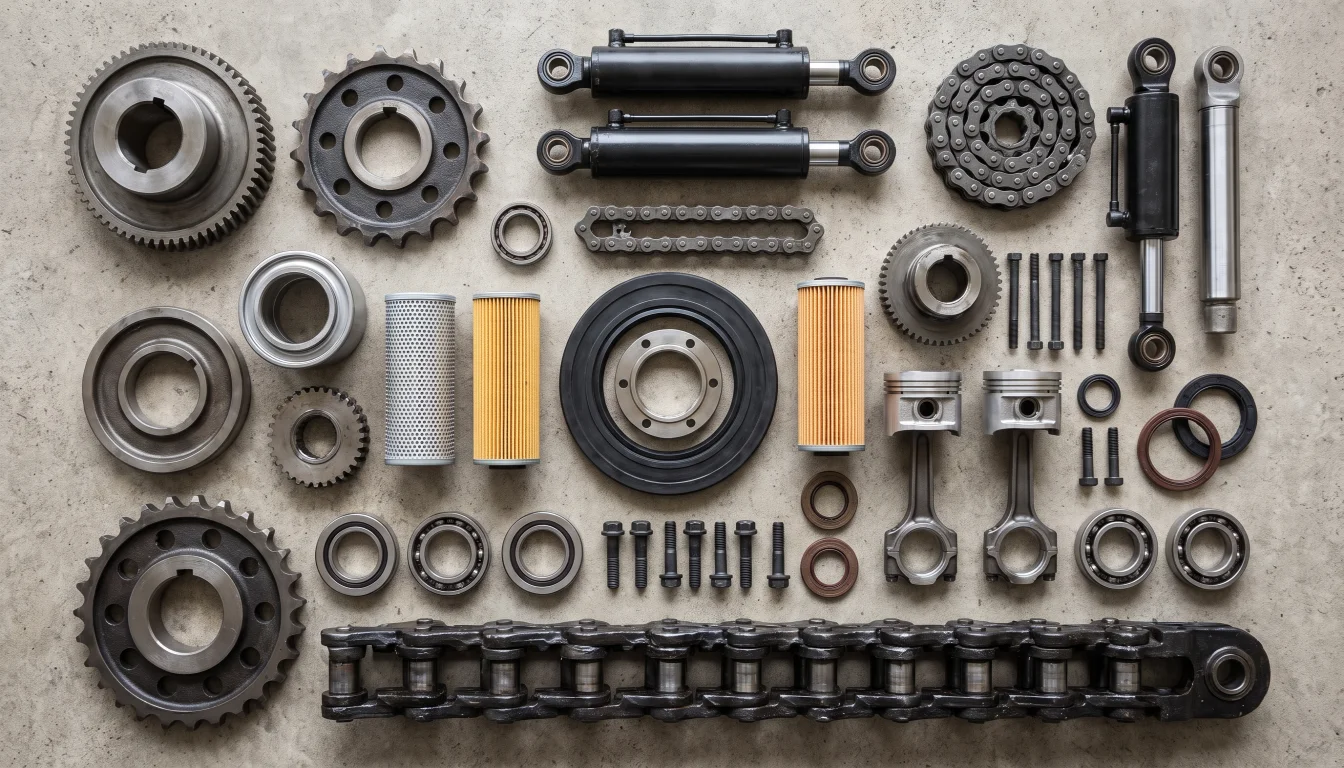
Using a the heavy equipment parts marketplace gives procurement teams access to a global supplier network with built-in verification, transaction security, and competitive pricing tools that traditional phone-and-email ordering cannot match. according to published industry data market data, the number of enterprises in the Machinery and Equipment sector is projected to reach 240,000 by 2025, growing at a compound annual rate of 1.71%. That scale demands efficient digital procurement.
Key advantages include:
- Global Reach: Connect with verified vendors across continents, cutting sourcing time significantly.
- Cost Efficiency: Compare multiple quotes and apply bulk pricing structures in a single workflow.
- Verified Suppliers: Many portals vet sellers, offering ISO-certified or trade-assured options, as noted in the LinkedIn analysis of top machinery portals for 2025.
- Wider Product Range: From OEM parts to aftermarket alternatives, all accessible in one place.
- Automation: Self-service portals handle reorders, documentation, and warranty tracking without manual back-and-forth.
"The acceleration of digital sales channels is being driven by customer expectations for convenience, speed, and accuracy. Businesses that don't provide self-service options are falling behind." - Kris Harrington, CEO of GenAlpha, speaking on The Heavy Duty Parts Report podcast (Episode 355)
Types of Heavy Equipment Parts Platforms
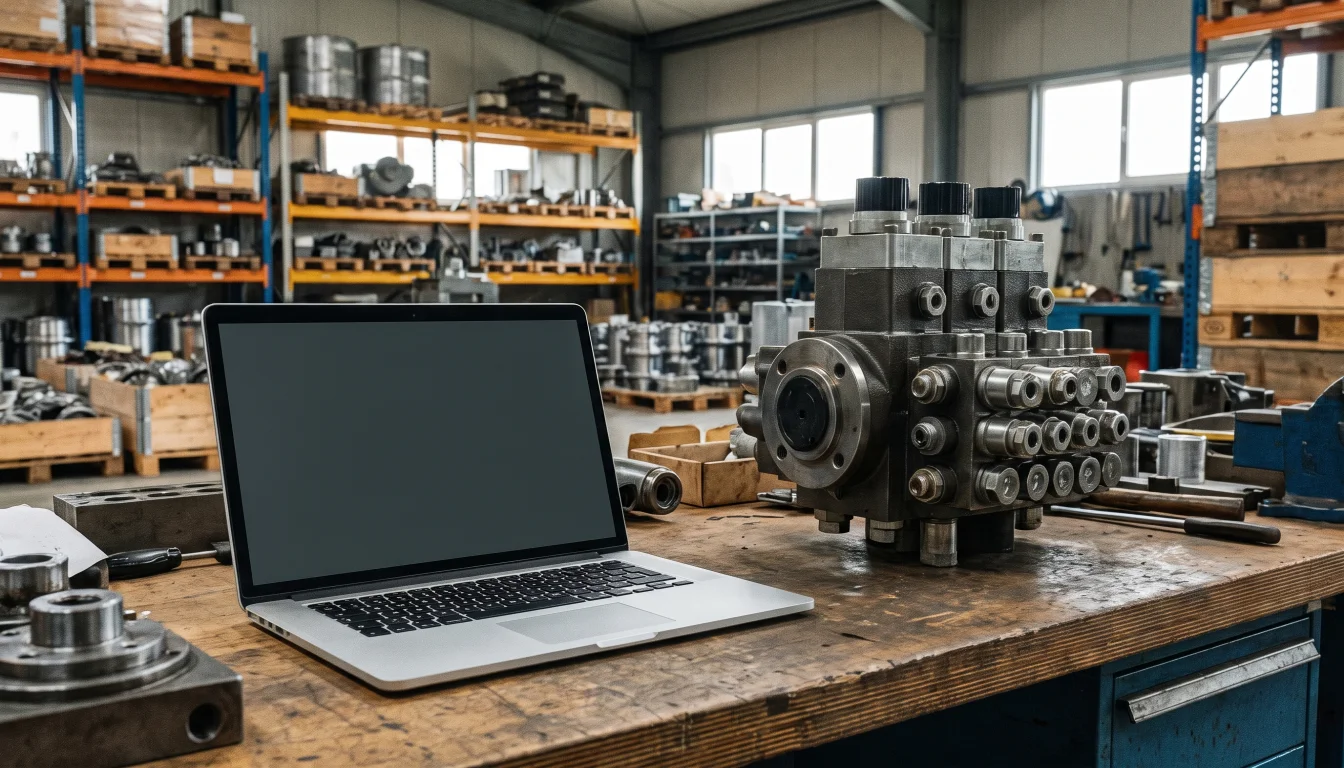
General B2B Portals
aggregator platforms, and Global Sources offer vast inventories across industries. specialist suppliers, recognized as the largest B2B platform globally, features excavators, loaders, CNC machines, and spare parts with Trade Assurance and bulk pricing. These portals work well for cost-driven international sourcing, but they often lack specialized part-number search or equipment-specific technical support.
Specialized Heavy Equipment Marketplaces
Focused exclusively on construction and industrial machinery, overseas parts marketplaces and Specialist parts supplier go considerably deeper. Overseas parts marketplaces combines secure payments with built-in global logistics. Leading suppliers stock new, used, and aftermarket parts for over 100 brands including Caterpillar, Komatsu, John Deere, Case, and Volvo, covering components from final drives and pumps to slewing rings, swing drives, track rollers, and transmissions. These hubs typically offer direct access to knowledgeable support teams who understand the equipment, not just the catalog.
OEM-Branded Digital Storefronts
Some manufacturers run their own commerce sites. equipment-rental marketplaces sells OEM and aftermarket parts with a loyalty rewards program, offering free shipping on orders of $149.99 or more (terms apply), and a make-and-model search covering brands like Skyjack, Sany, Komatsu, Kubota, and Takeuchi. This route guarantees authenticity but limits you to specific brands in their catalog.
Used and Aftermarket Parts Networks
Auction aggregator platforms., alongside eBay's dedicated Heavy Equipment Parts and Attachments category, cater to pre-owned and surplus components. eBay's category spans everything from seats and hydraulics to wheels, tracks, and boom lift parts, backed by buyer protection. Condition grading and part authenticity can vary widely on these platforms, so verification steps matter more here than anywhere else.
Key Features to Look For in a Parts Marketplace
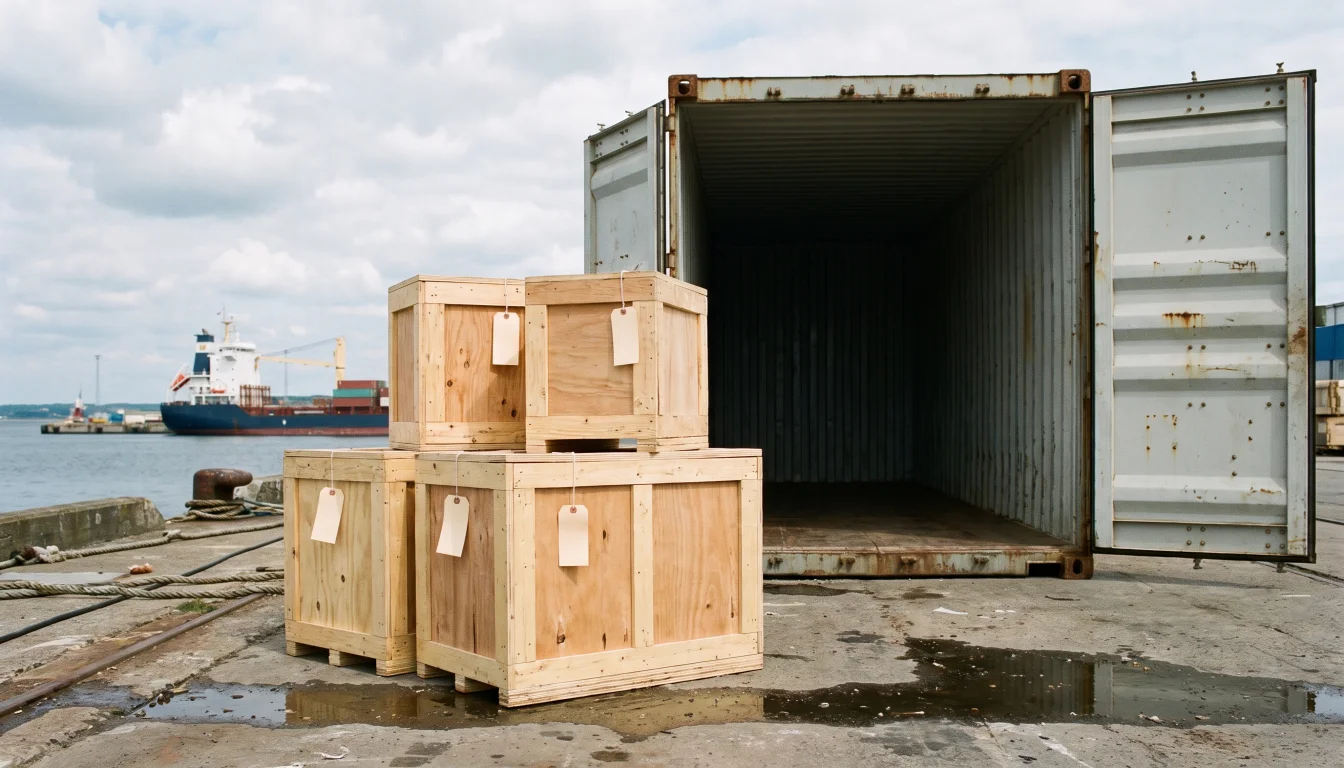
When evaluating any marketplace, these are the criteria that separate a reliable procurement partner from a frustrating catalog experience.
Inventory Depth and Brand Coverage
Check whether the marketplace carries parts for your specific fleet. Does it cover Caterpillar, John Deere, Hitachi, Komatsu, and Volvo serial-number ranges? Specialized platforms typically list exact replacement part numbers and OEM cross-references. General portals often require manual cross-referencing, which adds time and error risk to every order.
Part categories to verify include: undercarriage components (track rollers, idlers, track springs), hydraulic systems (pumps, cylinders, seals), powertrain (engines, transmissions, torque converters), and structural components (slewing rings, swing drives, differentials).
Integration and Self-Service Capabilities
Modern procurement demands real-time data. aggregator platforms offer ERP-synced inventory, automated invoice and document handling, and self-service portals where buyers can reorder spare parts, download manuals, and track orders without back-and-forth emails. Per a leading supplier's platform documentation, this includes live inventory and pricing pulled directly from your ERP or PIM system. For large dealer networks and fleet operators, this capability is increasingly a baseline expectation, not a premium feature.
Pricing, Payments, and Security
Look for account-based pricing, trade assurance programs, and flexible payment terms such as net-30 or net-60. General portals often provide buyer protection through escrow-style programs. Specialized marketplaces may offer volume-discount structures or credit lines for approved accounts. Always confirm that the payment gateway is encrypted and compliant with current data security standards before submitting any order.
Logistics and Global Reach
Cross-border procurement requires a marketplace that manages freight, customs documentation, and shipment tracking. Overseas parts marketplaces explicitly offers end-to-end global logistics for heavy equipment transactions. Consider lead times, warehousing options, and return logistics for heavy or oversized components. A platform that handles customs clearance in-house removes a significant operational burden from your procurement team.
How to Evaluate and Select the Best Marketplace
Follow these seven steps to identify the right b2b heavy for your operation:
- Audit your parts book: List the brands, models, and part categories you buy most frequently, including undercarriage, hydraulics, engine components, and powertrain.
- Shortlist platforms: Use the comparison table below to match your fleet profile and geographic sourcing needs.
- Test the search experience: Can you filter by machine serial number? Are OEM cross-references displayed alongside aftermarket alternatives?
- Verify seller credentials: On general portals, look for verified badges and trade assurance. On specialized sites, check for industry certifications and documented case studies.
- Assess pricing and negotiation tools: Request a demo or trial account to review actual account-based prices and RFQ workflows before committing.
- Check integration readiness: If you run an ERP like SAP or Oracle, confirm the marketplace can sync inventory and purchase orders in real time.
- Review support and returns: Understand warranty terms and return windows, especially for electrical components, rebuilt assemblies, and hydraulic units.
Comparison of Leading B2B Heavy Equipment Parts Marketplaces
| Marketplace | Type | Key Features | Best For | Price Range |
|---|---|---|---|---|
| Specialist parts supplier | General B2B Portal | Trade Assurance, bulk pricing, millions of listings | International sourcing of new parts and machinery | Varies widely; factory-direct pricing |
| Overseas parts marketplaces | Specialized Heavy Equipment Marketplace | Global logistics, secure payments, equipment-focused | Buyers and sellers needing end-to-end logistics | Subscription or commission based |
| Specialist parts supplier | Specialized Parts Supplier | New, used, aftermarket, rebuilt parts; 100+ brands | Quick access to parts for common construction brands | Competitive; request quote |
| Equipment-rental marketplaces | OEM-Branded Digital Platform | OEM and aftermarket parts, loyalty rewards, model-specific search | Fleets and service shops using late-model equipment | Free shipping over $149.99; individual part pricing |
| eBay Heavy Equipment | General Marketplace | Auction and fixed-price listings, buyer protection | Occasional purchases of used or surplus parts | Varies widely; often lower for used components |
| Specialist parts supplier | B2B Commerce Platform Builder | ERP integration, self-service portals, configure-to-order | Large dealers and OEMs building their own branded marketplace | Custom pricing; tailored solution |
| 3GEN Export | Specialized OEM-Quality Parts Supplier | OEM-standard parts, 40+ brands, global 5-day delivery | Mining, construction, and energy fleet procurement worldwide | Competitive B2B pricing; contact for volume quotes |
Pros and Cons of Using a B2B Heavy Equipment Parts Marketplace
Pros
- Global supplier access: Source OEM and aftermarket components from verified vendors across multiple continents without leaving your desk.
- Competitive pricing: RFQ tools and bulk pricing structures let you compare multiple quotes and negotiate better terms than single-supplier relationships allow.
- Reduced downtime: Fast search, real-time inventory visibility, and streamlined checkout mean critical parts reach your site faster.
- Procurement automation: ERP integration and self-service reordering eliminate manual data entry and reduce order errors.
- Broader parts coverage: A single platform can cover undercarriage, hydraulics, powertrain, and structural components across dozens of brands.
Cons
- Variable part quality: On general marketplaces, counterfeit or substandard components are a real risk without rigorous supplier vetting.
- Limited technical support: Broad platforms often lack the brand-specific expertise needed to confirm compatibility for complex assemblies.
- Return complexity: Cross-border returns for heavy or custom components can be costly and time-consuming, particularly for electrical or rebuilt parts.
- Integration effort: Connecting a marketplace to your ERP or WMS requires upfront technical work and ongoing maintenance.
Regional Compliance and Import/Export Considerations
Cross-border procurement through any b2b heavy equipment parts marketplace introduces regulatory complexity that buyers often underestimate. Import duties, customs classifications, and country-of-origin documentation vary significantly by region and part type.
Key considerations for global procurement teams:
- Harmonized System (HS) codes: Heavy equipment parts fall under specific HS classifications that determine duty rates. Misclassification leads to customs delays and unexpected costs.
- Country-of-origin certificates: Many trade agreements require documented proof of origin to qualify for preferential duty rates. Confirm your supplier can provide these.
- Restricted parts and sanctions: Some components for specific equipment brands may be subject to export controls depending on the destination country. Verify compliance before ordering.
- Incoterms clarity: Confirm whether the marketplace quotes DDP (Delivered Duty Paid) or EXW (Ex Works) pricing. The difference can represent a substantial cost gap on large orders.
Platforms that offer built-in freight forwarding and customs clearance, like overseas parts marketplaces's logistics model, reduce this burden considerably. For high-volume cross-border procurement, working with a supplier that has established logistics infrastructure is worth the premium.
Best Practices for Digital Parts Procurement
Once you've chosen a b2b heavy equipment parts marketplace, these practices will sharpen your procurement workflow and reduce costly errors.
- For buyers: Always cross-reference part numbers against OEM spec sheets before ordering. Use RFQ tools to solicit competitive bids from multiple verified suppliers. Build a preferred supplier list within the platform to speed repeat orders.
- For sellers: Maintain accurate, real-time inventory feeds. Provide high-resolution images and complete technical descriptions including part numbers, compatibility ranges, and condition grades. Use automated document handling for invoices and shipping labels to accelerate order processing.
- Security: Never share account credentials across teams without role-based access controls. On specialist suppliers, activate Trade Assurance for every transaction. On eBay, rely on the Money Back Guarantee for buyer protection. On specialized marketplaces, confirm SSL encryption and two-factor authentication are active.
Pro Tip: For undercarriage components specifically, always provide the machine serial number and hours of operation when requesting quotes. Wear patterns and specification tolerances vary between production runs of the same model, and a supplier who asks for this information is demonstrating the technical depth you want in a long-term partner.
Future Trends: The Evolution of B2B Heavy Equipment Parts Commerce
The shift toward digital self-service is accelerating. As discussed in Episode 355 of The Heavy Duty Parts Report, host Jamie Irvine and GenAlpha CEO Kris Harrington examined how buying habits in the heavy-duty parts industry have evolved, with AI-driven recommendations and automated replenishment entering mainstream procurement workflows. We'll also see deeper ERP connectivity, moving from static catalogs to dynamic, stock-aware portals that update pricing and availability in real time.
Sustainability is another driver gaining traction. Remanufactured and rebuilt components are increasingly preferred by procurement teams managing ESG commitments. Platforms may soon include carbon-footprint data alongside part listings to help buyers meet sustainability targets without sacrificing equipment performance. As of 2026, the most competitive b2b heavy equipment parts marketplace operators are already building these capabilities into their roadmaps.
Ready to source OEM-quality spare parts with global 5-day delivery? Visit 3genexport.com to browse components for Caterpillar, Komatsu, Volvo, Atlas Copco, and 40+ brands, with competitive B2B pricing and logistics built for industrial procurement teams worldwide.
Frequently Asked Questions
What is the difference between a general B2B marketplace and a specialized heavy equipment parts marketplace?
General online marketplaces offer a broad range of industrial products across many categories, while a specialized b2b heavy equipment parts marketplace focuses exclusively on construction and industrial machinery. Specialized platforms provide deeper technical filtering, brand-specific part numbers, serial-number compatibility, and logistics support designed for heavy components.
How can I verify the authenticity of parts on these platforms?
Look for verified supplier badges, ISO certifications, and OEM part-number cross-references. Reputable platforms allow you to request serial-number tracking and warranty documentation before purchase. For critical components like hydraulic pumps or final drives, always request a condition report or test certification from the supplier.
What are the typical payment terms for B2B parts purchases?
Many marketplaces support account-based pricing with net-30 or net-60 terms for approved buyers. Trade assurance programs or escrow services add a layer of security for first-time transactions. Volume buyers can often negotiate extended terms or credit lines directly with specialized suppliers.
Can I return unused heavy equipment parts if they don't fit?
Return policies vary significantly by platform and part type. Specialized marketplaces often allow returns for incorrectly ordered parts within a defined window, but custom-machined, electrical, or rebuilt components are frequently non-returnable. Always confirm the return policy and restocking fees before placing an order.
Are there marketplaces specifically for used or rebuilt parts?
Yes. Auction aggregator platforms. specialize in pre-owned heavy machinery and components. eBay's Heavy Equipment Parts and Attachments category also covers used and surplus parts with buyer protection. Many specialized parts suppliers, including specialist suppliers, stock rebuilt options alongside new OEM and aftermarket inventory.
How does a b2b heavy equipment parts marketplace help with logistics?
Some platforms offer built-in global logistics including freight forwarding, customs clearance, and real-time shipment tracking to simplify cross-border orders. For procurement teams sourcing internationally, choosing a marketplace with integrated logistics removes a significant layer of operational complexity and reduces the risk of customs delays.