
Construction Equipment Aftermarket Parts Market 2026
The construction equipment aftermarket parts market spans $22–$30B in 2026. Explore growth drivers, regional trends, and OEM sourcing strategies here.
Loading article…
Article Not Found
The article you're looking for doesn't exist or may have been removed.
Back to BlogThe construction equipment aftermarket parts market is the global industry for replacement components, maintenance supplies, and refurbished systems supporting heavy machinery after its original sale, valued between $22.1 billion and $30.44 billion in 2026 depending on scope.
Key Takeaways
- The parts market spans a wide valuation range in 2026, from $961.69 million (narrow parts-only scope) to $30.44 billion (full aftermarket ecosystem).
- Aging global machinery fleets and record infrastructure spending are the primary growth catalysts, with CAGRs ranging from 2.7% to 8.4% through 2034 depending on the study.
- Earthmoving equipment parts dominate, capturing over 45% of market share, while online sales channels are expanding rapidly.
- Predictive maintenance and IoT sensors are shifting parts procurement from reactive to proactive, reducing costly unplanned downtime.
- Counterfeit parts remain a critical safety threat, pushing OEMs to expand certified dealer networks and authentication systems.
- Asia-Pacific holds the largest regional share, fueled by massive infrastructure projects in China and India.
Understanding the Construction Equipment Aftermarket Parts Market
Defining the Aftermarket in Heavy Machinery
The this type of market is the ecosystem of replacement parts, accessories, and services that support the operational longevity of heavy machinery after the original equipment sale. This includes everything from engine components and hydraulic hoses to undercarriage parts and electrical systems. As construction equipment ages, the need for maintenance and repair intensifies, making aftermarket parts essential for fleet operators seeking to maximize return on investment. The aftermarket is not a single category: it spans OEM-certified parts, generic replacements, and remanufactured components, each with varying quality and cost profiles.
Market Sizing: A Wide Range of Estimates
The lack of a uniform market definition leads to starkly different valuations across research reports. The Business Research Company pegged the global construction equipment aftermarket at $28.53 billion in 2025, rising to $30.44 billion in 2026. In contrast, Market Data Forecast valued the narrower "aftermarket parts in construction industry" at $887.17 million in 2025, with a forecast of $961.69 million for 2026. Other firms like Credence Research reported $26.29 billion in 2024, while Dataintelo estimated $22.1 billion in 2025. These differences stem from whether the analysis includes services, labor, software, or only physical parts, and which equipment categories are counted.
| Source | Market Size (Year) | CAGR | Scope Note |
|---|---|---|---|
| The Business Research Company | $30.44B (2026) | 7.3% (2025–2030) | Aftermarket including parts, service, telematics |
| Credence Research | $26.29B (2024) | 2.7% (2024–2032) | Parts only, all equipment types |
| Dataintelo | $22.1B (2025) | 6.2% (2025–2034) | Parts and components, broad end uses |
| Market Data Forecast | $961.69M (2026) | 8.4% (2026–2034) | Narrow definition: replacement parts only |
Why Market Definitions Differ
Discrepancies in the this kind of parts market data arise because some analysts include wear-and-tear items like filters and tires, while others focus strictly on major components such as engines and transmissions. Additionally, the inclusion of services - labor, maintenance contracts, and digital solutions - further inflates or deflates totals. Fleet operators evaluating these figures must scrutinize the methodology: a $30 billion market likely encompasses the entire aftermarket ecosystem, including OEM service revenues, whereas a sub-billion figure may represent only the independent replacement parts sector. Understanding these boundaries is critical for strategic procurement and investment decisions.
Key Drivers Fueling Market Growth

Aging Equipment Fleets Necessitate Constant Maintenance
One of the strongest catalysts for the the equipment aftermarket parts market is the global aging fleet of heavy machinery. As equipment surpasses its optimal service years, the frequency of mechanical failures rises sharply, driving continuous demand for replacement components. Credence Research highlights that earthmoving equipment - widely used in mining and infrastructure - experiences heavy wear on hydraulic systems and undercarriage parts, leading to steady aftermarket sales. Caterpillar's global dealer network actively supports this demand by supplying OEM-certified parts for machines that are often decades old. The push to extend asset lifecycles rather than purchase new equipment, especially in cost-sensitive markets, keeps the aftermarket resilient even when new equipment sales dip.
Global Infrastructure Boom Intensifies Equipment Utilization
Massive infrastructure investments worldwide are boosting equipment utilization rates to record levels, directly increasing part failure rates and aftermarket sales. According to the Global Infrastructure Hub, global infrastructure investment is projected to reach $94 trillion by 2040, with a significant portion concentrated in emerging economies. Mega-projects like China's Belt and Road Initiative, India's National Infrastructure Pipeline, and the U.S. Infrastructure Investment and Jobs Act are pushing machines to operate longer hours under harsh conditions. As Market Data Forecast notes, high utilization accelerates wear on tires, buckets, and braking systems, shortening replacement cycles. Construction firms running multiple shifts to meet deadlines further exacerbate mechanical stress on machinery, ensuring a robust aftermarket demand stream.
Cost-Effective Equipment Lifecycle Extension
Fleet managers increasingly view the aftermarket as a strategic lever for cost control. Rather than capital expenditure on new machinery, many opt for high-quality aftermarket or remanufactured parts to keep existing equipment operational at a fraction of the cost. According to Dataintelo, engine parts alone command 32.5% of the market, reflecting their high replacement frequency and cost sensitivity. Remanufacturing programs from OEMs like Volvo Construction Equipment and independent suppliers allow operators to achieve near-OEM performance at significantly lower prices, driving market expansion.
Emission Regulations Driving Certified Parts Demand
Stricter government regulations on equipment emissions, particularly in North America and Europe, are compelling equipment owners to use certified aftermarket components that meet compliance thresholds. As noted in competitor research from Data Insights Reports, operators face real penalties for non-compliant parts, making certified replacements a procurement necessity rather than a preference. This regulatory pressure is especially relevant for engine and exhaust system components, where substandard parts can trigger both equipment failure and regulatory fines. For fleet managers sourcing parts globally, understanding regional compliance requirements is now as important as price and lead time.
Industry Data: "According to the European Construction Industry Federation, 40% of large construction firms now utilize IoT sensors to anticipate part failures, transforming aftermarket parts from reactive replacements into integral components of proactive asset management strategies." - Market Data Forecast, 2026.
Pros and Cons of the Aftermarket Parts Approach
Pros
- Significant cost savings: Remanufactured and third-party parts can deliver near-OEM performance at substantially lower prices compared to new OEM components.
- Extended equipment lifecycles: Quality aftermarket parts allow fleet operators to keep aging machinery productive well beyond its original service window.
- Wider availability: Independent suppliers and online platforms give procurement teams access to parts across more brands and geographies than traditional OEM dealer networks alone.
- Faster sourcing options: Regional aftermarket distributors often carry stock that OEM channels do not, reducing lead times on critical components.
- Sustainability benefits: Remanufactured parts reduce material waste and support circular economy goals increasingly required by project owners and regulators.
Cons
- Counterfeit risk: The market contains substandard parts that mimic OEM branding but use inferior materials, posing serious safety and reliability risks on job sites.
- Quality inconsistency: Without universal quality standards, buyers face significant variation between suppliers, requiring rigorous vetting and certification checks.
- Warranty complications: Using non-OEM parts can void original equipment warranties, creating financial exposure if a component failure causes broader machine damage.
- Compatibility complexity: Cross-referencing part numbers across brands and machine generations demands expertise, and errors can result in costly downtime.
Restraints and Challenges
Counterfeit and Substandard Parts Threaten Safety and Reliability
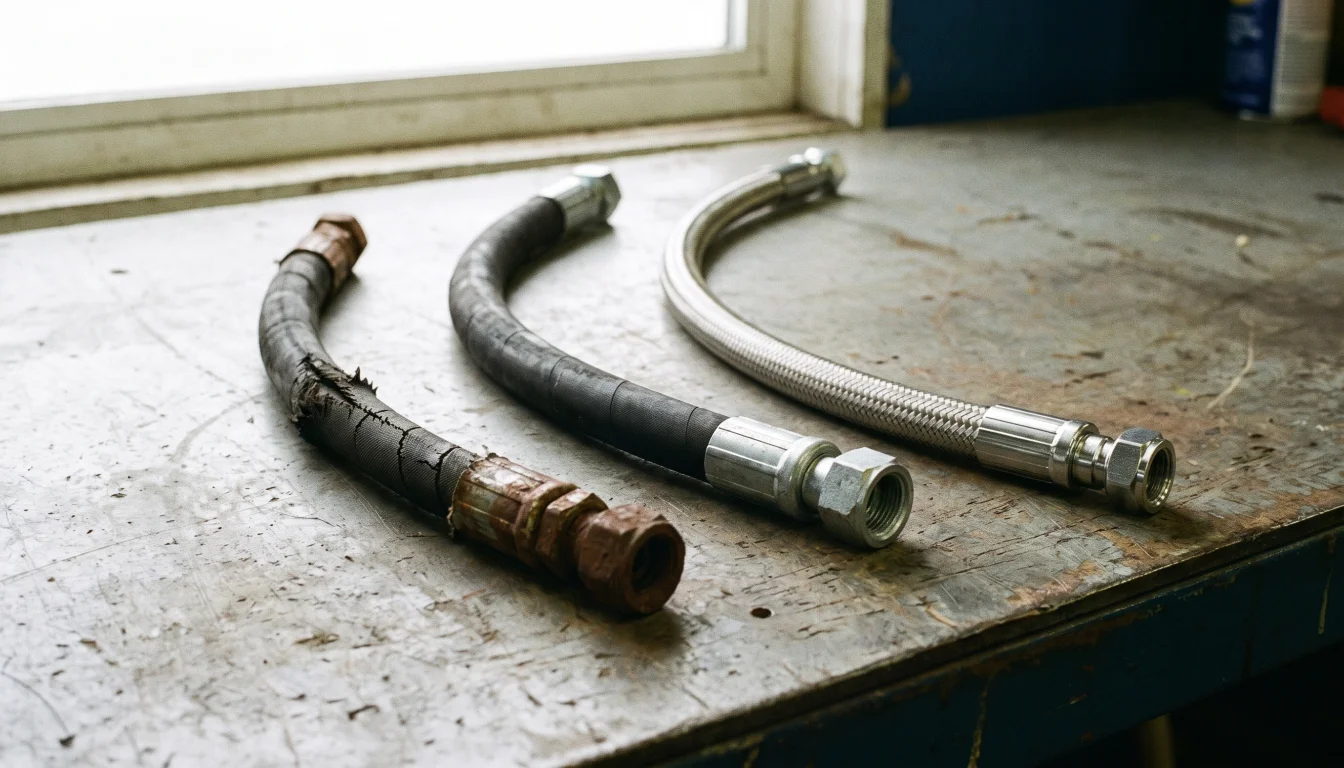
The proliferation of counterfeit components stands as the most significant threat to the market. Market Data Forecast warns that substandard parts not only undermine equipment reliability but also pose severe safety risks on job sites. These fake parts often mimic OEM branding but use inferior materials, leading to premature failure and potential accidents. Regions with lax intellectual property enforcement are hotspots for counterfeits. OEMs combat this by expanding certified dealer networks and implementing part authentication systems, yet the challenge persists, especially in price-driven segments.
Supply Chain Disruptions and Parts Availability
Global supply chain vulnerabilities have exposed weaknesses in aftermarket parts availability. The Business Research Company underscores how reliance on traditional distribution channels - often concentrated in a few manufacturing hubs - creates bottlenecks during geopolitical tensions or natural disasters. Lead times for critical components such as hydraulic cylinders or electronic control units can extend to weeks, forcing contractors to stockpile inventory or risk project delays. The disruptions of recent years taught the industry the value of localizing supply chains, prompting investments in regional aftermarket centers and diversified sourcing strategies.
Balancing OEM vs. Aftermarket Quality Perceptions
A persistent challenge in the aftermarket is the perceived quality gap between genuine OEM parts and third-party alternatives. While many independent aftermarket parts meet or exceed specifications, the lack of universal quality standards creates buyer skepticism. Credence Research notes that nearly 70% of aftermarket revenue still flows through offline, OEM-affiliated channels because equipment owners associate them with warranty protection and certified quality. Overcoming this requires independent suppliers to invest in certifications, warranties, and digital transparency to build trust with procurement teams.
Segmentation of the Construction Equipment Aftermarket Parts Market
By Equipment Type: Earthmoving, Material Handling, and Concrete
The construction equipment is typically segmented by equipment type, with earthmoving and road-building machinery dominating. Credence Research reports that this category captured over 45% of the market in 2024, driven by excavators, bulldozers, and graders used in mining and major infrastructure projects. Material handling and cranes represent the second-largest segment, supported by demand from logistics and port operations. Concrete equipment, while a smaller share, benefits from specialized wear parts like mixer drums and pump seals that require frequent replacement.
By Sales Channel: Online Platforms Surge While Offline Dominates
Offline sales channels - authorized dealers, service centers, and direct OEM sales - still account for approximately 70% of aftermarket revenue, according to Credence Research. Customers value in-person diagnostics, immediate parts availability, and warranty assurance. Online aftermarket sales are growing rapidly, fueled by digital transformation. The Business Research Company highlights that e-commerce platforms and OEM digital parts portals are streamlining procurement, offering 24/7 ordering, real-time inventory checks, and competitive pricing. Companies like Komatsu and Caterpillar have launched online parts catalogs, while broader B2B platforms are expanding their heavy equipment parts selections, making it easier for contractors worldwide to source components efficiently.
Regional Analysis: Asia-Pacific Leads, North America Matures
Asia-Pacific stands as both the largest and fastest-growing region in the parts market. The Business Research Company confirms this dominance, attributing it to massive infrastructure spending in China, India, and Southeast Asian nations. Dataintelo reports Asia-Pacific held 38.2% of revenue share in 2025. North America held a 34% share in 2024 per Credence Research, benefiting from an aging equipment base and advanced telematics adoption. Europe, holding 27% per Credence Research, emphasizes circular economy principles with strong demand for remanufactured and refurbished parts, while the Middle East and Africa are emerging due to urban development and mining activities.
Procurement Perspective: "According to Credence Research, the earthmoving and roadbuilding equipment segment dominated the construction equipment aftermarket in 2024, accounting for over 45% of total share - a direct reflection of the intense wear these machines endure on mining and infrastructure sites globally."
Technology and Innovation Shaping the Market
Predictive Maintenance and IoT-Driven Parts Replacement
The integration of IoT sensors and telematics is reshaping the this type of market. Market Data Forecast notes that 40% of large construction firms already use IoT to anticipate failures before they occur, per data from the European Construction Industry Federation. Sensors embedded in engines, hydraulics, and undercarriages transmit real-time data on temperature, vibration, and wear, enabling precise part replacement schedules. This shifts the market from reactive to predictive, reducing unplanned downtime and emergency part shipments. Caterpillar's CAT Connect and Komatsu's Komtrax platforms provide alerts that trigger automatic parts ordering through dealer networks, streamlining the aftermarket supply chain.
Digital Platforms and E-Commerce in Aftermarket Parts
Digitalization is dismantling traditional aftermarket distribution models. The Business Research Company reports that online aftermarket procurement is expanding rapidly as OEMs and third-party vendors build user-friendly portals with AI-powered part identification. Mobile apps allow technicians to scan barcodes or upload photos to instantly find compatible parts, reducing ordering errors. This trend boosts aftermarket sales and increases price transparency, forcing brick-and-mortar channels to improve service levels. Companies like Terex and Manitou are investing in e-commerce, recognizing that the next generation of fleet managers expects fast, digital-first procurement experiences.
Sustainability and Remanufacturing Initiatives
Sustainability is becoming a driving force in the aftermarket. Remanufacturing - restoring used components to like-new condition - is gaining traction as both an environmental and economic strategy. According to The Business Research Company, major trends include the development of durable and sustainable replacement parts technologies. OEMs like Volvo and Epiroc have committed to circular service models, with Epiroc's 2024 annual report showing strong demand for its aftermarket support driven by sustainability-conscious contractors. Remanufactured engines, transmissions, and hydraulic pumps reduce waste while offering meaningful cost savings compared to new OEM parts, appealing to budget-constrained operators worldwide.
Competitive Landscape: Major Players and Strategies
OEMs Strengthen Aftermarket Services
Original equipment manufacturers dominate the this kind of parts market by leveraging brand reputation and dealer networks. Credence Research lists Caterpillar, Komatsu, Liebherr, Volvo CE, SANY, and Zoomlion as market leaders. These firms generate significant revenue from parts and services, often tying aftermarket support to equipment purchase agreements. Caterpillar's global parts distribution system, with over 3,000 dealer locations, ensures rapid availability, while Komatsu's authorized service outlets guarantee genuine parts and technical assistance. Long-term maintenance contracts and captive financing further lock customers into OEM aftermarket ecosystems.
Independent Aftermarket Suppliers and Distributors
Independent players are crucial, especially in price-sensitive markets. HTF Market Insights notes that aftermarket parts often provide a lower-cost alternative to OEM components, helping small and medium contractors reduce maintenance budgets. Companies like IPD (Industrial Parts Depot) and Costex specialize in engine and undercarriage parts for multiple brands, offering competitive pricing and extensive cross-reference catalogs. The rise of online aggregators is further empowering independents, though they must consistently prove quality parity to gain and retain buyer trust.
Strategic Mergers and Acquisitions
The construction equipment aftermarket parts market has seen notable M&A activity as companies seek scale and digital capabilities. The Business Research Company highlights that prominent M&A deals are reshaping the competitive landscape, with OEMs acquiring telematics startups and aftermarket specialists to enhance service offerings. These moves signal a future where aftermarket parts are increasingly bundled with data services and performance guarantees, blurring the line between physical components and digital asset management.
Future Outlook Through 2032–2034
Growth Projections
Looking ahead, the construction equipment aftermarket parts market is positioned for sustained expansion. The Business Research Company projects a $40.39 billion market by 2030 at a 7.3% CAGR, while Dataintelo sees $38.1 billion by 2034 at 6.2%. Even the most conservative estimates from Credence Research, at a 2.7% CAGR through 2032, reflect steady, non-cyclical growth: equipment maintenance is a non-discretionary expenditure for contractors. Emerging markets in Africa and South Asia will contribute incremental demand, while mature markets shift toward high-tech aftermarket solutions.
Emerging Trends to Watch
Several trends will shape the next decade. First, 3D printing of spare parts could disrupt supply chains by enabling on-site, on-demand manufacturing of critical components, drastically reducing lead times. Second, telematics data will increasingly be used by insurers and financiers to assess equipment health, potentially linking aftermarket parts quality to coverage terms. Third, electrification of construction equipment will create a new aftermarket for batteries, electric motors, and power electronics. Finally, autonomous machinery will require sophisticated sensor and software maintenance, blending physical parts with digital services. As of 2026, companies investing in these areas are already outpacing competitors reliant solely on traditional distribution models.
How 3GEN Export Supports Your Aftermarket Procurement
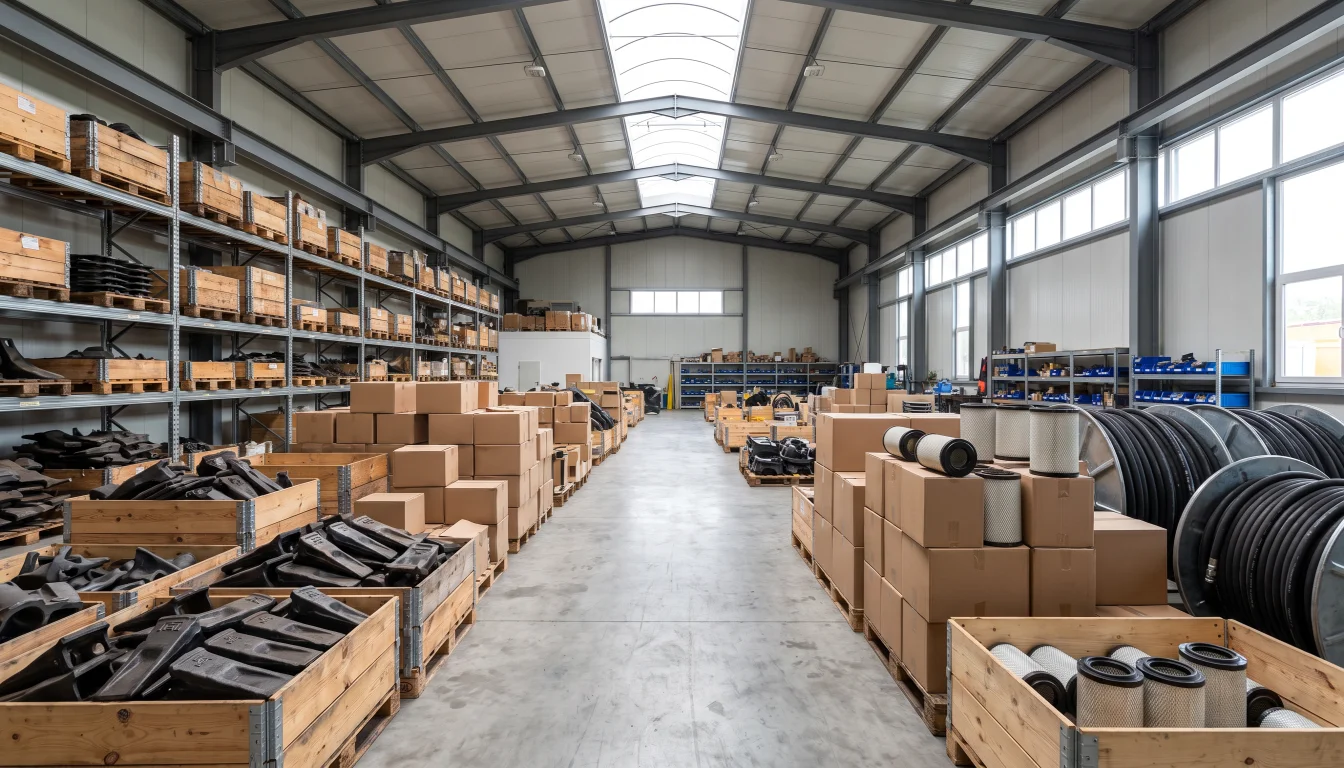
At 3GEN Export, we supply OEM-standard spare parts for Caterpillar, Komatsu, Volvo, Atlas Copco, and 40+ additional brands to procurement teams across more than 80 countries. Our inventory covers the highest-demand categories in the construction equipment aftermarket parts market: engine components, hydraulic systems, undercarriage parts, electrical systems, and wear parts. Every part ships with full traceability documentation, and our team can cross-reference part numbers across machine generations to eliminate compatibility errors before they cost you downtime. With global 5-day delivery on stocked items, we're built for the procurement timelines that real construction projects demand. Browse our full parts categories or explore parts by brand to find what your fleet needs today.
Frequently Asked Questions
What is the construction equipment aftermarket parts market?
The construction equipment aftermarket parts market is the global industry for replacement components, accessories, and maintenance services sold after the original sale of construction machinery like excavators, loaders, and bulldozers. It spans OEM-certified parts, independent alternatives, and remanufactured components across all major equipment categories.
How big is the construction equipment aftermarket parts market in 2026?
Valuations vary widely by scope. The Business Research Company estimates $30.44 billion for the full aftermarket ecosystem, while Market Data Forecast places the narrower replacement-parts-only segment at $961.69 million. Most comprehensive studies covering parts and components place the market between $22 billion and $30 billion in 2026.
What are the key growth drivers for the construction equipment aftermarket parts market?
Primary drivers include aging equipment fleets requiring frequent repairs, surging global infrastructure investments projected at $94 trillion by 2040 per the Global Infrastructure Hub, and the growing adoption of predictive maintenance technologies that prompt earlier, more precise part replacements. Stricter emission regulations are also pushing demand for certified aftermarket components.
Which region leads the construction equipment aftermarket parts market?
Asia-Pacific is the largest and fastest-growing region, driven by massive infrastructure development in China and India. Dataintelo reports Asia-Pacific held 38.2% of revenue share in 2025. North America and Europe follow, with mature markets focusing on remanufacturing, telematics, and compliance-driven parts procurement.
What is the construction equipment market outlook for 2026?
As of 2026, the broader construction equipment aftermarket parts market is growing steadily across all major regions, supported by aging fleets, infrastructure spending, and digital procurement adoption. Growth rates across credible research sources range from 2.7% to 8.4% CAGR depending on market scope, with the strongest momentum in Asia-Pacific and emerging markets.
Are aftermarket parts as reliable as OEM parts?
Quality varies significantly by supplier. Reputable aftermarket brands and remanufactured parts can match OEM specifications at lower costs, but poorly made counterfeits pose serious safety risks. Buyers should seek certified suppliers, warranty-backed products, and full traceability documentation to ensure they're getting components that meet OEM-equivalent standards.