
Construction Machinery Parts Wholesale Distributors Guide
Construction machinery parts wholesale distributors offer OEM-quality components at up to 65% below dealer pricing.
Loading article…
Article Not Found
The article you're looking for doesn't exist or may have been removed.
Back to BlogConstruction machinery parts wholesale distributors are businesses that source, stock, and sell heavy equipment components in bulk at volume pricing. They serve contractors, fleet operators, and dealers worldwide, covering everything from engine rebuild kits to undercarriage assemblies for brands like CAT, Komatsu, and Volvo.
Key Takeaways
- wholesale distributors can price components at up to 65% below OEM dealer rates without sacrificing reliability.
- Leading distributors maintain inventories ranging from 100,000 to over 8 million references, covering all major brands including CAT, Komatsu, John Deere, and Hitachi.
- Understanding part grades - new, used, rebuilt, and aftermarket - is essential for balancing cost against performance on every repair job.
- Top-tier distributors offer global shipping, multi-warehouse networks, and dedicated parts specialists to get the right component to your site fast.
- Warranty terms, return policies, and core charge programs separate genuine supply partners from commodity brokers.
Understanding the Role of Construction Machinery Parts Wholesale Distributors
this type of distributors act as the supply chain bridge between manufacturers and the fleets that depend on heavy equipment every day. Unlike OEM dealerships, these distributors negotiate directly with manufacturers - or produce their own aftermarket lines - to offer steep discounts on everything from engine rebuild kits to final drives. Their core mission is simple: keep machines productive by combining ready-to-ship inventory with genuine technical expertise.
How Wholesale Distribution Differs from OEM Dealerships
OEM dealerships sell branded parts at full manufacturer-suggested retail prices, often with lead times that stretch into weeks. Wholesale distributors aggregate demand across multiple brands and end users, which lets them pass bulk-purchasing savings directly to buyers. Many also carry aftermarket alternatives that meet or exceed OEM specifications, plus used and remanufactured options that dealerships rarely stock. Through a manufacturer-direct marketplace, buyers can save up to 65% below OEM pricing - a figure that traditional dealer networks simply cannot match.
The Supply Chain Behind the Parts
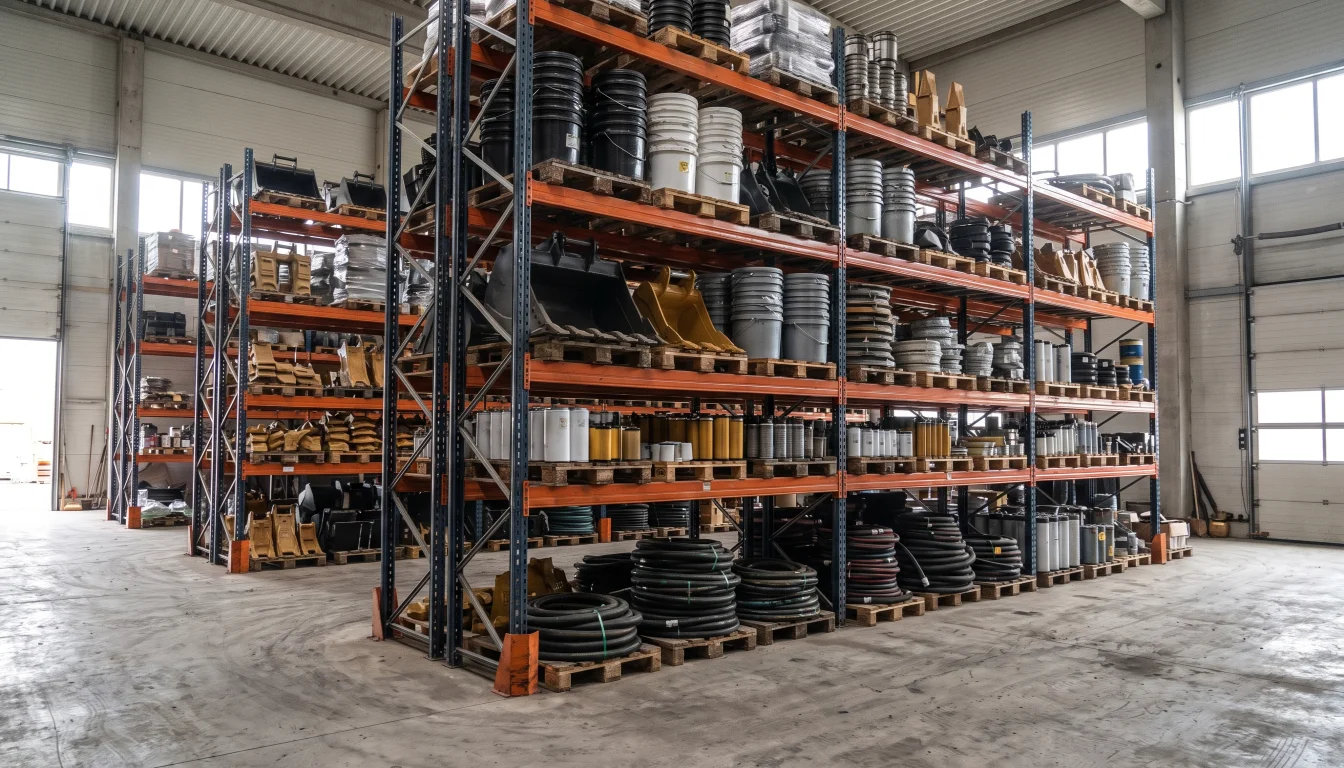
The largest distributors manage over 8 million references and maintain branches across 90+ locations worldwide, enabling next-day delivery on most orders. This scale is possible because they partner with hundreds of manufacturers - both OEM and independent - and invest in predictive stocking systems. When a customer orders a final drive for a Hitachi ZX600 (part #9189960) or a track spring assembly for a Volvo EC330B (part #14562927), the distributor's system instantly locates inventory, checks cross-references, and dispatches from the nearest warehouse. The largest catalogues list hundreds of thousands of individual SKUs, ensuring that even obscure machine models remain supported.
Why Choose Wholesale Over Retail?
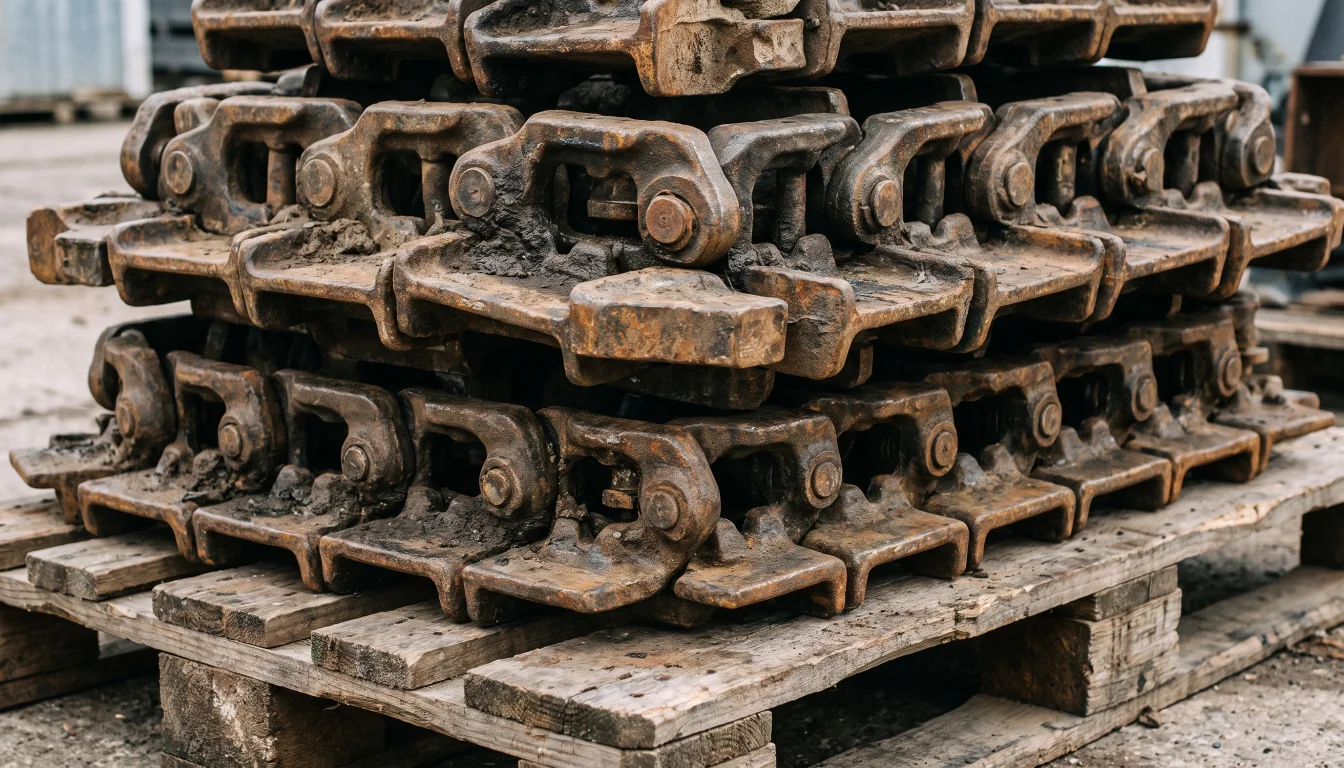
The economic argument for sourcing from this kind of wholesale distributors is straightforward. With heavy equipment downtime costing real money every hour a machine sits idle, wholesale distributors address the problem directly: just-in-time ordering, exclusive pricing tiers, and bulk discounts that retail outlets cannot match.
Cost Savings That Impact Your Operation
Membership programmes give buyers priority manufacturer-direct access and pricing typically reserved for the largest fleet owners. Some distributors combine free shipping on qualifying stock orders over $350 with a 6-month warranty, reducing the total cost of ownership for aftermarket components. Multiply those savings across a large fleet and the annual parts budget shrinks considerably - particularly on high-consumption items like filters, ground engaging tools, and undercarriage wear parts.
Availability Beyond Your Local Dealer
Regional dealerships stock only fast-moving parts for machines sold in their territory. the machinery parts wholesale distributors tap a global network instead. A large distributor may stock 100,000 parts across warehouses in the United States, United Kingdom, and Canada, and express-ship critical assemblies like swing drives or hydraulic pumps within 24-48 hours. independent suppliers Construction Equipment Parts, serving over 50,000 customers since 1984, maintains a searchable online inventory of final drives, slewing rings, and transmissions that is refreshed in real time.
Pros and Cons of Buying from Construction Machinery Parts Wholesale Distributors
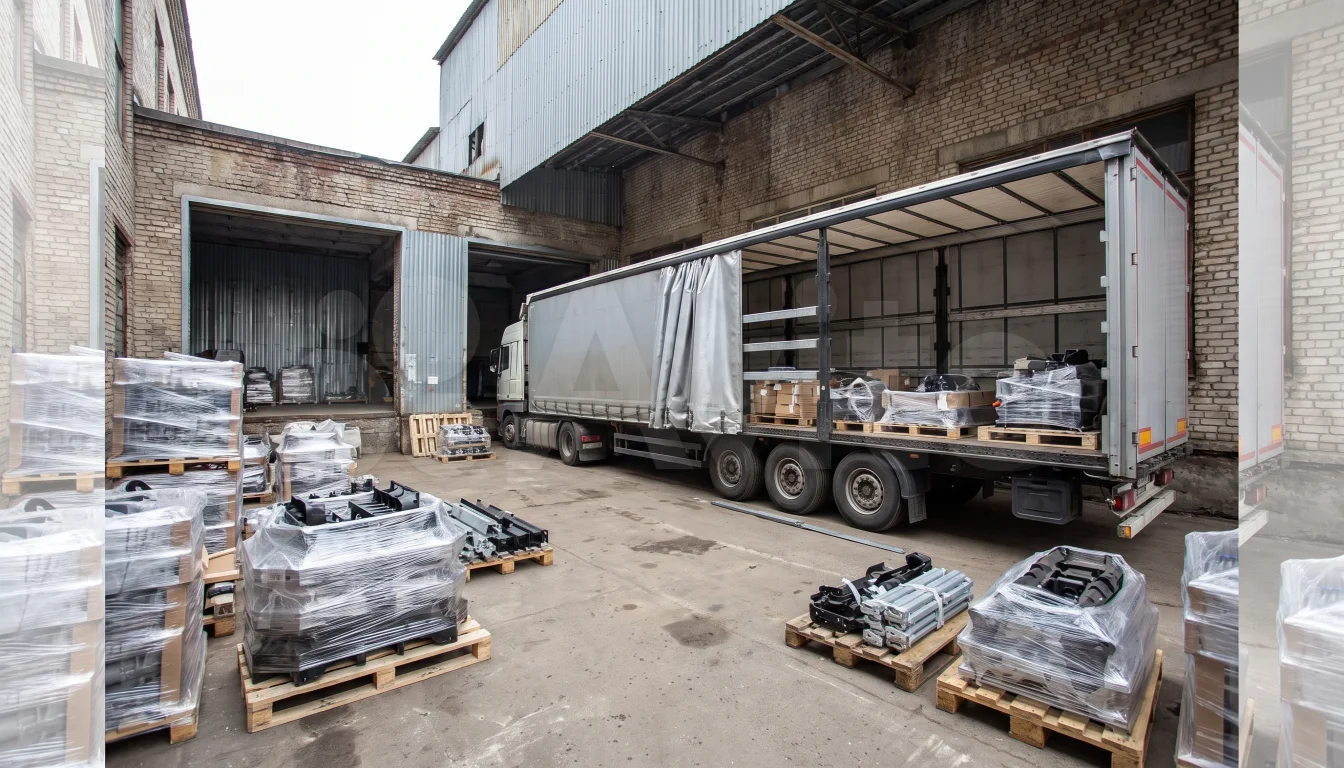
Wholesale sourcing delivers clear advantages for most fleet operations, but it also comes with trade-offs worth understanding before you commit to a supply partner.
Pros
- Significant cost savings: Pricing up to 65% below OEM dealer rates, with additional volume discounts for high-frequency buyers.
- Broad inventory: Access to millions of SKUs across dozens of brands from a single supplier, reducing the need to manage multiple vendor relationships.
- Faster fulfillment: Multi-warehouse networks and next-day delivery options (the largest networks ship from 90+ branches worldwide) cut downtime compared to waiting on dealer orders.
- Part grade flexibility: Choose from new OEM, premium aftermarket, rebuilt, or used components depending on the application and budget.
- Technical support: Experienced parts specialists who can decode serial numbers, cross-reference OEM numbers, and suggest compatible alternatives.
Cons
- Warranty variability: Coverage terms differ widely between distributors and part grades - some rebuilt components carry limited warranties that may not cover labor.
- Quality inconsistency in the aftermarket: Not all aftermarket brands are equal. Sourcing from an unknown distributor without verified quality standards carries risk for critical components.
- Minimum order requirements: Some wholesale pricing tiers require minimum purchase volumes or membership fees that may not suit smaller operations.
- Customs and logistics complexity: International orders can involve duties, customs delays, and freight surcharges that erode the price advantage if not planned carefully.
Key Benefits of Partnering with Construction Machinery Parts Wholesale Distributors
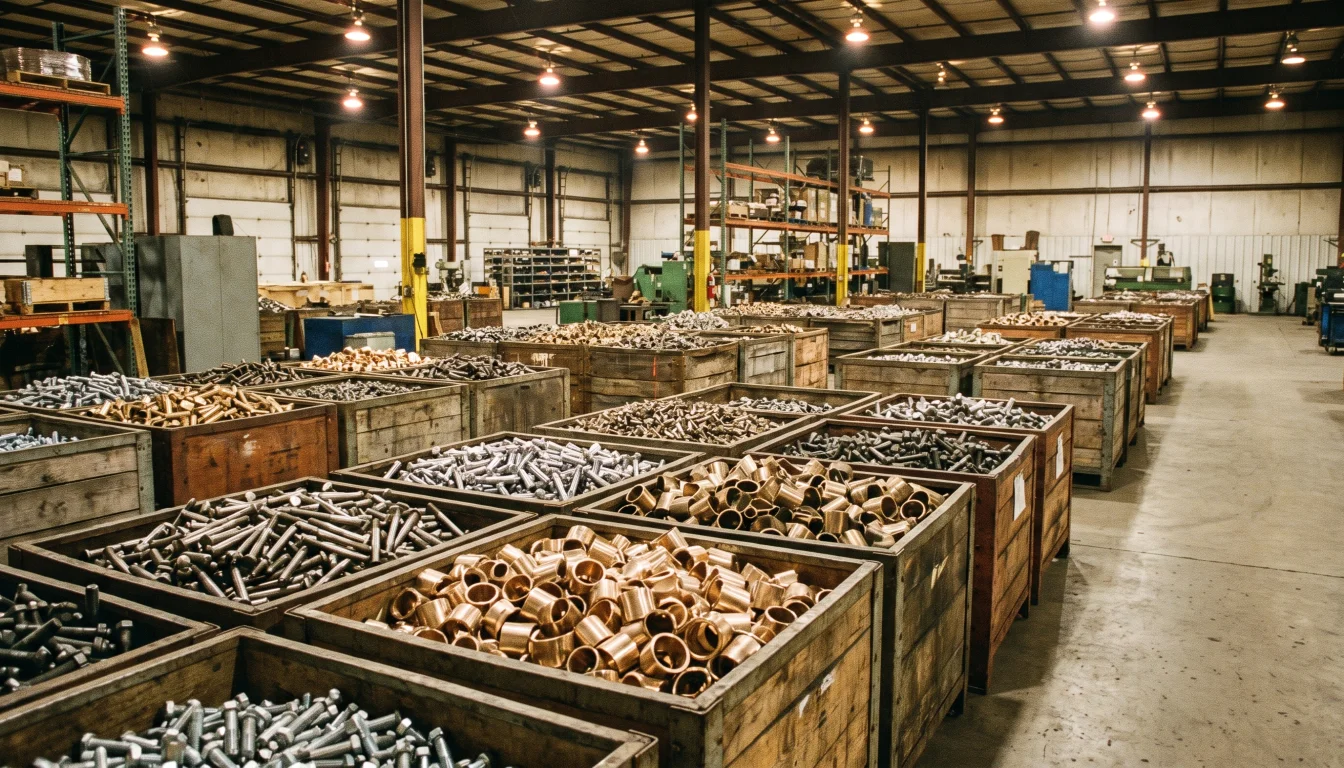
Construction machinery parts wholesale distributors deliver more than low prices. They provide a single point of contact for all your fleet's component needs, combining deep technical expertise with flexible sourcing strategies. Whether you prefer OEM reliability, aftermarket value, or a hybrid approach, the best distributors structure their catalogs to let you choose.
One-Stop Shopping Across Brands
Rather than calling three different dealerships for a CAT bulldozer, a Komatsu excavator, and a Volvo wheel loader, a wholesale distributor consolidates orders. The broadest distributors cover 80+ manufacturers from Bobcat to Liebherr, including niche lines like Timberjack and Terex. This breadth lets fleet managers streamline purchasing, reduce administrative overhead, and often qualify for tiered discount programs.
Quality Assurance and Warranty Protection
Reputable distributors back their parts with robust warranties. Many distributors offer a 6-month warranty on most items, and the better ones guarantee that rebuilt transmissions and final drives are inspected to meet original performance standards. Premium aftermarket brands are engineered to duplicate OEM specifications. When evaluating a distributor, always confirm the warranty length, whether it covers labor, and how claims are processed - the answers separate commodity brokers from true supply partners.
Access to Specialized Expertise
Distributors employ seasoned parts specialists who can decode machine serial numbers, suggest compatible alternatives, and work through complex hydraulic or drivetrain failures. The better distributors offer free parts-lookup books for CASE, CAT, Komatsu, and John Deere, enabling even first-time buyers to identify correct components quickly. That level of support eliminates costly mis-orders and reduces machine downtime by hours, not just minutes.
AI-Powered Platforms and Digital Tools
As of 2026, the most advanced construction machinery parts wholesale distributors are investing in digital infrastructure that goes beyond a basic online catalog. The most advanced operate a unified AI platform covering fleet management, inventory control, and customer engagement. These tools give procurement managers real-time stock visibility, automated reorder triggers, and cross-reference lookups that previously required a phone call. For fleet supervisors managing dozens of machines across multiple sites, that kind of digital integration translates directly into fewer emergency shutdowns.
Types of Parts Available: New, Used, Rebuilt, and Aftermarket
The heavy equipment aftermarket divides into four main condition grades. Understanding each grade's strengths, risks, and price point is critical for making informed purchasing decisions. The following steps will help you select the right grade for every component on your machine.
Step 1: Define Your Budget and Downtime Tolerance
New OEM parts offer the highest reliability but come at a premium - often the list price charged by dealerships. Aftermarket parts reduce cost while often meeting the same material standards. Rebuilt components like final drives and transmissions typically cost less than new and include a warranty. Used parts are the most affordable option, suitable for non-critical applications or older machines where new parts are no longer available.
Step 2: Assess the Component's Criticality
For engine internals, turbochargers, and hydraulic pumps - parts whose failure could cascade into major damage - stick with OEM or premium aftermarket grades that offer full traceability. For ground engaging tools (GET) like bucket teeth and cutting edges, aftermarket or used options are perfectly acceptable and can be replaced more frequently at a lower total cost.
Step 3: Check Availability and Lead Times
Construction machinery parts wholesale distributors keep deep stocks of fast-moving aftermarket parts, but some OEM components may carry 2-4 week lead times. Use distributor online catalogues - the largest run databases of several million references - to verify stock in real time. If a part is out of stock, ask whether the distributor can source it from a global affiliate. A distributor with worldwide warehouses can often fill gaps within days.
Step 4: Evaluate Warranty and Return Policies
New and rebuilt parts should carry a minimum 6-month warranty. Aftermarket warranties vary by brand; reputable distributors state coverage clearly. Always confirm whether the warranty covers the part only or also includes labor for installation - this can significantly affect your actual cost if a component fails in the field.
What to Look for When Buying from Wholesale Distributors
Selecting the right distributor goes beyond the lowest price. Consider these five criteria to build a reliable supply partnership that holds up under pressure.
1. Inventory Breadth and Depth
A distributor that stocks hundreds of thousands of SKUs across dozens of brands is better positioned to handle your entire fleet than one with a narrow focus. Look for real-time inventory visibility on their website and the ability to cross-reference OEM part numbers directly. The broadest catalogues cover over 80 manufacturers, listing parts for everything from compact skid steers to large off-highway trucks.
2. Geographic Reach
If your operations span multiple regions, choose a partner with warehouses in those territories. The largest networks operate branches in over 90 countries, with localized delivery and support in local languages, and warehouses across the US, UK, and Canada for rapid North American and European shipping. For operations in Asia, the Middle East, or Africa, confirm that your distributor has established freight routes and customs experience in those corridors.
3. Pricing Transparency and Volume Discounts
Many distributors offer tiered memberships that unlock progressively deeper discounts. Understand any minimum order requirements, restocking fees, or surcharges for express shipping before you commit. Request a written quote for high-volume consumables - filters, GET, wear parts - to lock in predictable costs across your maintenance budget.
4. Technical Support and Parts Identification
Strong construction machinery parts wholesale distributors invest in parts specialists who can walk you through complex assemblies. Online parts books and search-by-equipment-type tools reduce ordering errors significantly. Before committing to a new supplier, test their responsiveness: call with a challenging part number and measure how quickly they return an accurate quote.
5. Warranty and After-Sales Service
A warranty is only as good as the claims process behind it. Ask about average claim turnaround times, whether they provide advance replacements, and if they accept core returns for rebuildable parts. AIC's 6-month warranty and equipment-rental marketplaces's rewards program - which includes free shipping on orders over $149.99 - signal a customer-first approach that saves money well beyond the initial purchase.
Comparison Table of Top Wholesale Distributors
| Distributor | Key Strengths | Inventory Scale | Global Reach | Pricing Advantage | Warranty |
|---|---|---|---|---|---|
| Manufacturer-direct marketplace | Manufacturer-direct access, AI-powered fleet and inventory platform | Extensive - covers CAT, Komatsu, John Deere, Volvo, Hitachi | Worldwide with membership tiers | Up to 65% below OEM | Contact for details |
| Global aftermarket network | 8 million references, 90+ branches, next-day delivery, 50+ years experience | Largest aftermarket catalog for small earth-movers, MEWPs, telehandlers | Global - support in local languages | Volume-based discounts | Standard manufacturer warranty |
| independent suppliers Construction Equipment Parts | Specialist in final drives and transmissions; 50,000+ customers since 1984 | Deep stock of new, used, and rebuilt parts for major brands | Primarily North America | Rebuilt options at significant savings vs. new | Warranty on rebuilt components |
| Excavator & final-drive specialist | 100,000 parts stocked, warehouses in US/UK/Canada, official premium-aftermarket distributor | Excavator, skid steer, loader parts with strong hydraulic and final drive focus | North America and Europe | Aftermarket savings without quality compromise | Contact for details; 5-star customer reviews |
| Agricultural & construction generalist | 30 years combined experience, 6-month warranty, free shipping over $350 | Millions of agricultural, construction, lawn and garden parts | United States (Webberville, MI) | Fair pricing with aftermarket focus | 6-month warranty on most items |
| Used, rebuilt & salvage specialist | 933,820 SKUs, free parts books for CASE, CAT, Komatsu, John Deere | New, used, rebuilt, and salvage parts for most makes and models | United States | Competitive across all part grades | Varies by part grade |
Care and Maintenance of Heavy Equipment Parts
Even the best parts fail prematurely without proper care. A structured preventive maintenance program extends component life and protects your investment in quality spare parts.
Regular Inspections and Lubrication
Undercarriage components, swing bearings, and hydraulic cylinders demand frequent inspection. Check track tension, roller wear, and pin-and-bushing rotations according to the OEM's schedule. Grease all pivot points daily - consistent lubrication is the cheapest insurance against premature failure, and it costs a fraction of what a seized bearing or cracked bushing will run you in downtime and parts.
Fluid and Filter Management
Contaminated oil is the leading cause of hydraulic pump and motor failure, according to OEM service bulletins across major equipment brands. Change hydraulic, engine, and transmission fluids at manufacturer-recommended intervals, and always use high-quality filters sourced from your wholesale distributor. Buying bulk aftermarket filter kits from construction machinery parts wholesale distributors reduces per-service costs without sacrificing protection - a straightforward win for any maintenance budget.
Proper Storage of Spare Parts
Engine components, seals, and electrical parts are sensitive to humidity and temperature extremes. Store spare parts in a clean, dry environment, ideally in sealed packaging until the moment of installation. This prevents corrosion, seal hardening, and electronic fretting, ensuring your emergency stock is ready for immediate deployment when a machine goes down unexpectedly.
How 3GEN Export Fits Into Your Supply Chain
As a global supplier of OEM-standard spare parts for Caterpillar, Komatsu, Volvo, Atlas Copco, and 40+ additional brands, 3GEN Export operates exactly as the best construction machinery parts wholesale distributors do: direct sourcing, verified quality, and fast global delivery. We stock components across all major categories - final drives, hydraulic pumps, undercarriage assemblies, engine rebuild kits, and more - with a 5-day global delivery commitment that keeps your fleet moving regardless of where your project is located.
Whether you're a procurement manager sourcing parts for a mining fleet in West Africa, a maintenance supervisor keeping a road-building operation running in Southeast Asia, or a dealer looking for a reliable aftermarket supply partner, our team provides the technical support and pricing transparency you need. Explore our parts categories or visit our brand pages to find compatible components for your specific machines.
Frequently Asked Questions
What is the difference between OEM and aftermarket construction machinery parts?
OEM parts are made by the original equipment manufacturer and carry the brand's warranty, while aftermarket parts are produced by independent companies to fit the same machine models. Aftermarket parts often cost significantly less than OEM and can match or exceed OEM quality when sourced from reputable construction machinery parts wholesale distributors.
How can I verify a wholesale distributor's reliability?
Check online reviews, ask for customer references, and confirm how long they have been in business. The established names in this market have decades of trading history and tens of thousands of customers. Also verify their warranty terms and whether they offer real-time inventory visibility before placing your first order.
Do wholesale distributors ship internationally?
Many do. The largest distributors operate in 90+ countries, with warehouses in the US, UK, and Canada providing express international shipping. Always confirm shipping costs, customs duties, and expected transit times before placing an order - particularly for large assemblies like final drives or transmissions that may require freight rather than courier delivery.
Can I return a part if it doesn't fit or fails?
Return policies vary by distributor. Most accept returns for incorrectly supplied parts, but you may need to provide the original packaging and part number. Warranties on new and rebuilt parts typically cover manufacturing defects; ask about core return requirements for rebuildable components like starters, alternators, or hydraulic pumps.
What is a core charge, and why do I have to pay it?
A core charge is a deposit added to the price of a remanufactured component such as an engine, transmission, or final drive. It is refunded when you return your old, rebuildable core to the distributor. This system encourages recycling and keeps the cost of remanufactured parts lower than buying new, which benefits both the buyer and the broader supply chain.
Which is better for my fleet: one distributor or several?
Using a single broad-line distributor simplifies purchasing and often unlocks volume discounts. For highly specialized parts such as proprietary electronics or brand-specific hydraulic components, a second source may be necessary. Evaluate total cost including shipping and administrative time to determine the best strategy for your specific fleet mix.