
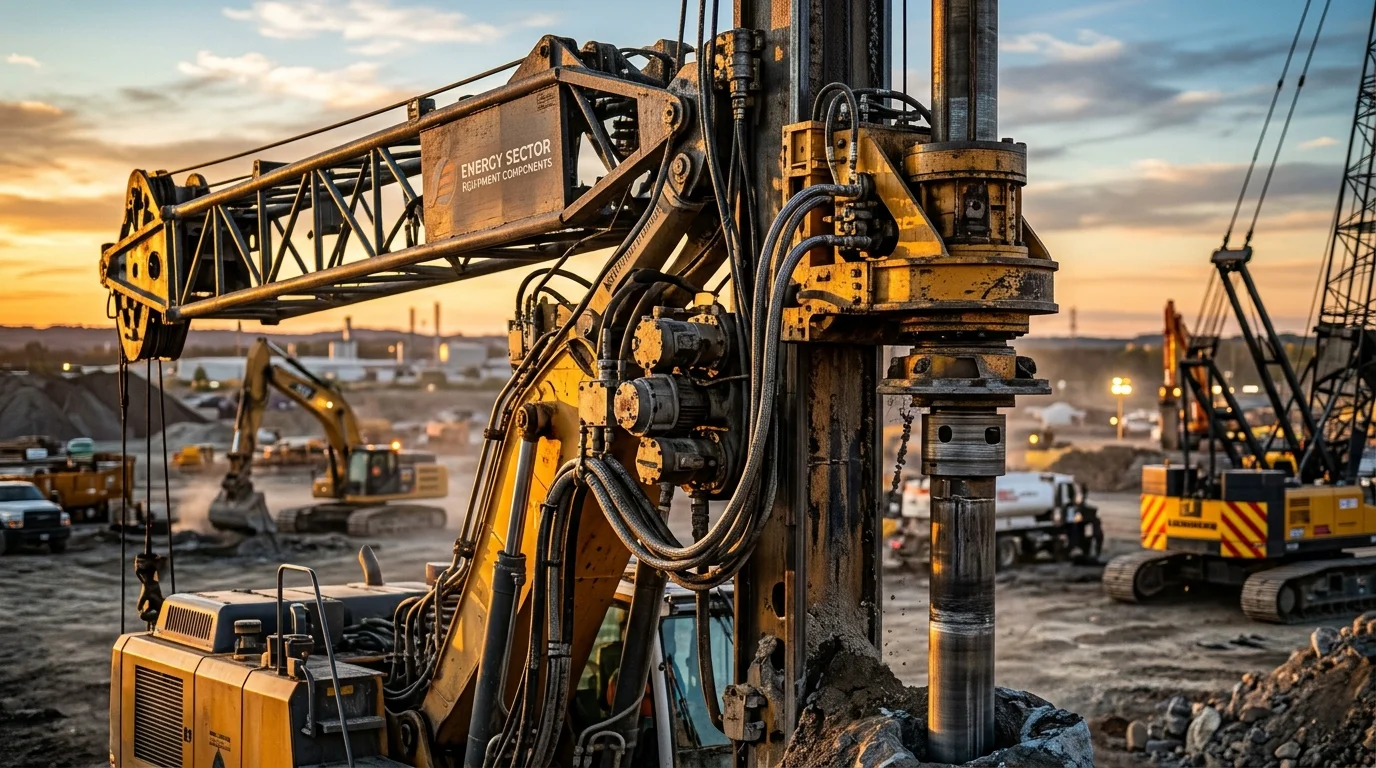
Energy Sector Equipment Components Guide 2026
Energy sector equipment components are the backbone of global power. Explore types, trends, and procurement tips for smarter sourcing in 2026.
Loading article…
Article Not Found
The article you're looking for doesn't exist or may have been removed.
Back to BlogKey Takeaways
- Energy sector equipment components cover every stage of power: generation, transmission, and distribution.
- The global energy equipment service market was valued at $500.27 billion in 2024 and is projected to reach $848.68 billion by 2035, growing at a CAGR of 4.92%.
- Renewable energy integration, smart grid upgrades, and IoT monitoring are the dominant forces reshaping procurement decisions in 2026.
- Supply chain disruptions, skilled labor shortages, and cybersecurity risks remain the top operational challenges for procurement teams.
- OEM-quality sourcing with verified compatibility and fast global delivery is the most effective way to reduce unplanned downtime.
Energy sector equipment components are the physical devices and systems that generate, transmit, and distribute electrical power across the global grid. As of 2026, this market spans everything from high-voltage transformers to wind turbine control systems, and procurement decisions in this space directly affect operational uptime and project economics.
Introduction to Energy Sector Equipment Components
The grid, as the U.S. Department of Energy's Office of Electricity notes, has operated for roughly 100 years - and it is now changing faster than at any point in its history. New generation sources, decentralized microgrids, and digital control systems are all entering service simultaneously, creating both opportunity and complexity for procurement teams.
At 3GEN Export, we work with fleet managers, maintenance supervisors, and procurement officers across mining, construction, and energy who need the right component on-site fast. This guide breaks down the full landscape of energy equipment: what it is, how it works, how to source it correctly, and what to watch out for.
Types of Energy Sector Equipment
Power Generation Equipment
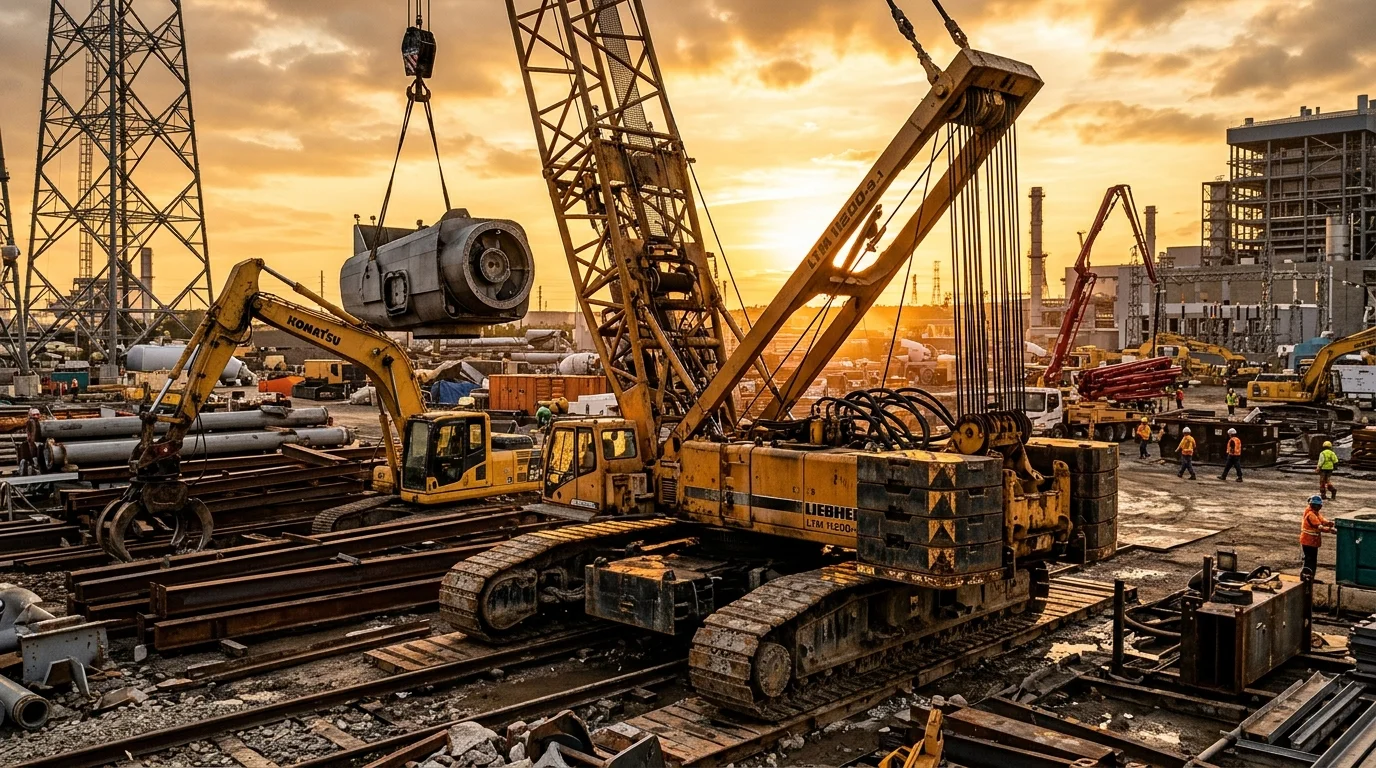
Power generation equipment converts primary energy sources into electrical power, forming the first stage of every grid system. The category includes:
- Generators: Convert mechanical energy into electrical energy. Found in diesel gensets, gas turbines, and hydroelectric stations.
- Turbines: Used in hydroelectric, wind, and thermal plants. Horizontal axis wind turbines (HAWTs) dominate the wind segment, according to industry market data.
- Solar Panels and Inverters: Photovoltaic cells convert sunlight into DC power; inverters convert that to grid-compatible AC.
- Biomass Boilers and Biogas Generators: Convert organic material into heat or electricity for distributed generation applications.
Power Transmission Equipment
Transmission equipment carries bulk electricity over long distances at high voltage, minimizing resistive losses in the process. Key components include:
- Step-Up Transformers: Raise voltage at the generation substation before electricity enters the transmission network.
- High-Voltage Transmission Lines: Supported by tall metal towers, these lines can span hundreds of miles.
- Switchgears: Isolate faults and protect circuits during abnormal operating conditions.
- Large Power Transformers (LPTs): A focus of the U.S. DOE's Transformer Resilience and Advanced Components program, which is accelerating grid modernization by addressing LPT supply vulnerabilities.
Power Distribution Equipment
Distribution equipment delivers electricity from substations to end users at safe, usable voltage levels. This stage includes:
- Step-Down Distribution Transformers: Reduce transmission voltage for residential and commercial use.
- Distribution Panels and Switchboards: Manage circuit routing and load balancing at the point of consumption.
- Fuses and Circuit Breakers: Protect downstream equipment from overloads and short circuits.
- Smart Grid Devices: Advanced metering infrastructure and power-flow control devices that optimize distribution network performance in real time.
How Energy Equipment Works: The Full Power Chain
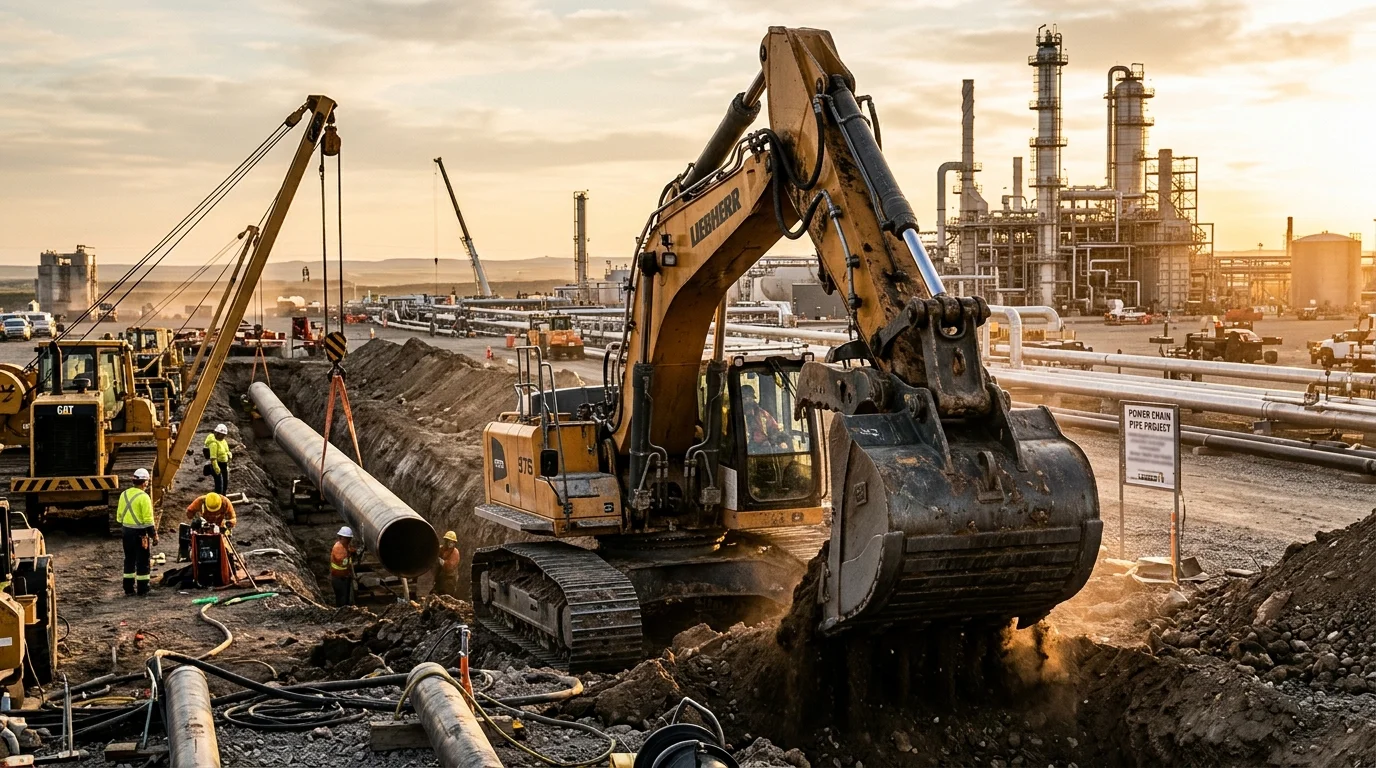
Understanding the mechanics behind energy equipment helps procurement teams specify the right component and avoid costly compatibility errors. Here is how the full chain operates.
Electricity starts at the generation facility, where a prime mover (steam turbine, gas turbine, wind rotor, or water wheel) spins a generator rotor inside a magnetic field. This electromagnetic induction produces alternating current (AC) at a relatively low voltage, typically in the range of a few thousand volts for large plants.
A step-up transformer at the generation substation increases that voltage dramatically for long-distance travel. High voltage means lower current for the same power level, which reduces resistive heating losses in the transmission lines. The electrical grid described by the wemakeithere.org industry overview as the "world's largest machine" depends on this voltage transformation to move power economically across vast distances.
At regional substations, step-down transformers reduce voltage to intermediate levels for sub-transmission. A second transformation at distribution substations brings voltage down further to levels safe for homes and businesses. Switchgears, circuit breakers, and protective relays at each stage isolate faults before they cascade.
Modern grids add a digital control layer on top of this physical infrastructure. IoT sensors report real-time load, temperature, and fault data. SCADA systems aggregate that data and allow operators to reroute power flows within seconds. Digital twins create virtual replicas of physical assets, enabling predictive maintenance before a failure occurs.
"The grid, as we have known it for 100 years, is changing rapidly. These changes introduce new vulnerabilities that today's technologies, processes, and business models do not address." - U.S. Department of Energy, Office of Electricity, Grid Systems and Components Division
How to Source Energy Equipment Components: A Practical Step-by-Step Guide
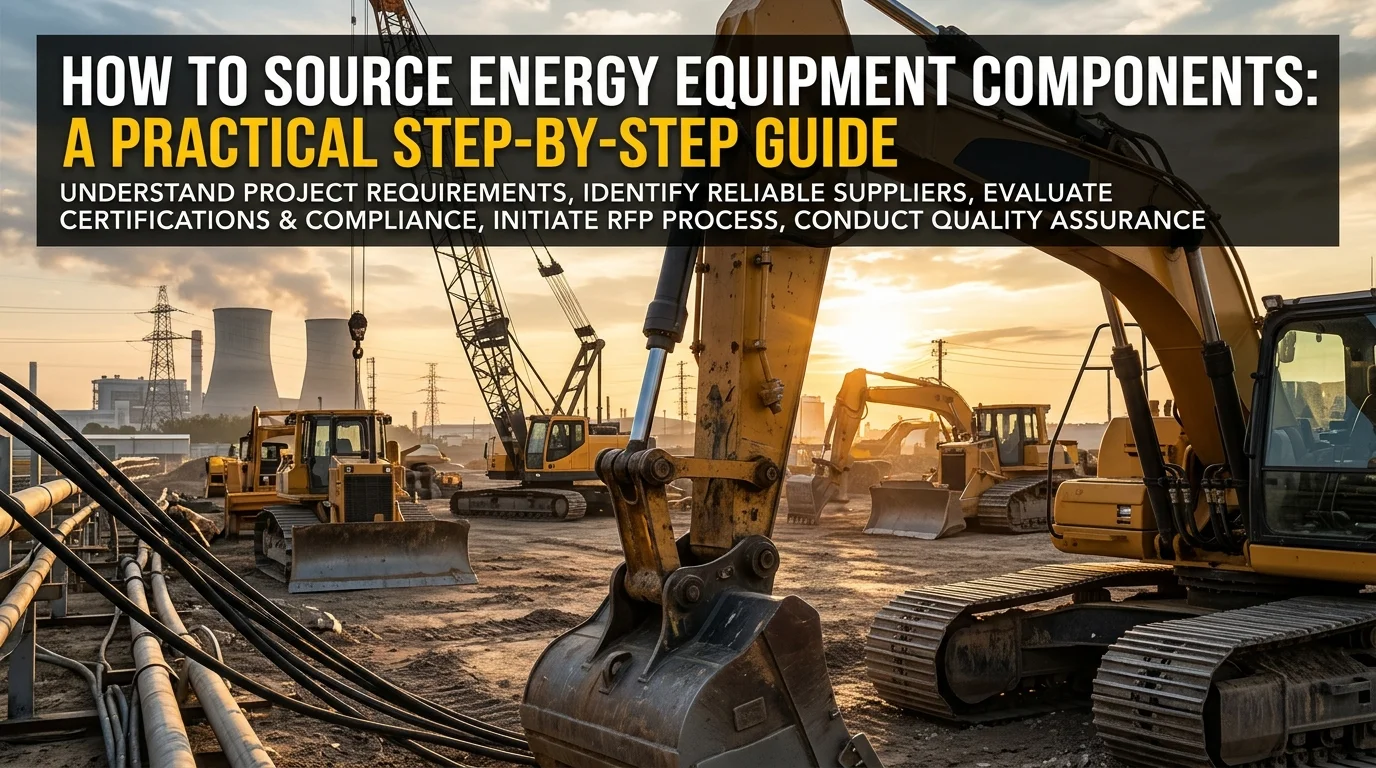
Sourcing the right component for an energy application requires more than finding the lowest price. Follow these steps to reduce risk and lead time.
- Define the exact specification. Pull the OEM service bulletin or nameplate data for the failed or aging component. Record voltage rating, current capacity, insulation class, and any applicable standards (IEC, IEEE, ANSI). Vague specs lead to incompatible parts.
- Confirm OEM vs. aftermarket suitability. For critical protection equipment (circuit breakers, switchgear), OEM or OEM-equivalent parts are strongly preferred. For consumable components (fuses, cable terminations, seals), certified aftermarket alternatives often deliver equivalent performance at lower cost.
- Verify supplier certifications. Require ISO 9001 certification, test reports, and traceability documentation. For transformers and switchgear, ask for type-test certificates per IEC 60076 or IEC 62271 respectively.
- Check lead time against your maintenance window. Standard lead times for large power transformers can run months through OEM channels. A specialist export supplier with global inventory can often compress that timeline significantly.
- Confirm shipping and customs compliance. Energy equipment often falls under export control classifications. Work with a supplier experienced in international logistics to avoid customs delays that extend downtime.
- Inspect on receipt. Before installation, verify part numbers, check for transit damage, and confirm insulation resistance readings on transformers and switchgear before energizing.
"According to manufacturer specifications and OEM service bulletins, installing a component outside its rated voltage or insulation class is the single most common cause of premature equipment failure in distribution systems." - Industry maintenance data, OEM service documentation
Comparison: OEM vs. Aftermarket Energy Equipment Components
Choosing between OEM and aftermarket components is one of the most consequential decisions in energy equipment procurement. The table below compares the two approaches across the criteria that matter most to B2B buyers.
| Criteria | OEM Components | Certified Aftermarket Components |
|---|---|---|
| Compatibility guarantee | Full OEM compatibility, exact fit | Cross-referenced compatibility; verify spec match |
| Price point | Higher list price | Typically lower; savings vary by category |
| Lead time | Can be long for specialty items | Often faster from stocked global suppliers |
| Documentation | Full OEM traceability | Requires third-party test certificates |
| Warranty | OEM warranty applies | Supplier warranty; terms vary |
| Best for | Protection relays, LPTs, switchgear | Fuses, cable accessories, seals, consumables |
| Risk level | Low | Low to medium (supplier-dependent) |
Pros and Cons of Modern Energy Equipment Procurement Approaches
Pros
- Global supplier networks give procurement teams access to components that are out of stock locally, reducing downtime on critical assets.
- Digital inventory platforms allow real-time cross-referencing of part numbers across brands including Caterpillar, Komatsu, Siemens, ABB, and GE.
- Certified aftermarket options for consumable components can reduce per-unit costs without compromising performance when sourced from verified suppliers.
- Predictive maintenance tools (digital twins, IoT sensors) reduce emergency procurement events by flagging component degradation before failure.
- Fast global logistics from specialist export suppliers can deliver OEM-quality parts to remote project sites within days rather than weeks.
Cons
- Counterfeit risk is real in global markets. Uncertified components for protection equipment can cause catastrophic failures and void insurance coverage.
- Long lead times for large power transformers remain a structural challenge. OEM production queues for custom LPTs can stretch to many months.
- Specification complexity increases with grid modernization. Older infrastructure may require components that are no longer in active production.
- Cybersecurity exposure grows as more components include embedded firmware and network connectivity, creating new attack surfaces.
- Raw material volatility for copper, steel, and rare earth elements affects pricing and availability across the supply chain.
Market Segmentation of Energy Equipment
By Type
The energy equipment market segments by equipment type across several core categories:
- Generators
- Transformers
- Switchgears
- Circuit Breakers
- Power Cables
- Gas Turbines and Steam Turbines
- Pumps and Compressors
By Application
Applications of energy equipment span the full power chain:
- Power Generation: Equipment used in the production of electricity from all source types.
- Transmission: Equipment that transports electricity from generation sites to substations.
- Distribution: Equipment that delivers electricity to end consumers.
- Control and Storage: SCADA systems, energy storage, and grid-enhancing technologies.
By End User
End users of energy sector equipment span three broad segments:
- Residential: Homes and small businesses served by distribution networks.
- Commercial and Industrial: Larger facilities with dedicated substations and backup power systems.
- Utility: Public and private utilities managing large-scale generation, transmission, and distribution infrastructure.
Trends in Energy Sector Equipment
Renewable Energy Integration
Renewable energy integration is the dominant procurement driver in 2026, pushing demand for equipment that can handle variable generation profiles and two-way power flows. Key technologies include:
- Smart Grids: Advanced metering, power-flow control devices, and dynamic line rating systems that maximize existing infrastructure capacity while supporting renewable input.
- Energy Storage Systems: Grid-scale battery installations that smooth out generation variability from solar and wind sources.
- Microgrids: Localized grids that can island from the main network during outages, providing resilience for critical facilities like hospitals, data centers, and mining operations.
Technological Advancements
Digital technology is reshaping how energy equipment is specified, monitored, and maintained. Key advancements include:
- IoT Integration: Sensors embedded in transformers, switchgear, and cables report real-time condition data, enabling condition-based maintenance rather than fixed-interval schedules.
- Digital Twins: Virtual models of physical assets that allow operators to simulate fault scenarios and optimize maintenance timing. The wind energy sector has adopted digital twins widely to cut turbine maintenance costs.
- Advanced Materials: New insulation compounds, amorphous metal cores in transformers, and composite conductor materials improve efficiency and extend service life.
Regulatory Changes
Government policy is actively shaping equipment procurement decisions across all major markets. This includes:
- Incentives for Renewable Energy: Tax credits, grants, and loan programs that reduce the financial burden on project developers and drive demand for generation equipment.
- Emission Standards: Regulations limiting greenhouse gas emissions from fossil fuel generation are accelerating the retirement of older equipment and the procurement of cleaner alternatives.
- Grid Modernization Initiatives: Programs like the U.S. DOE's Grid Systems and Components Division fund the development and deployment of next-generation grid hardware and software.
Challenges in the Energy Equipment Sector
Supply Chain Disruptions
The global supply chain for energy equipment has faced sustained pressure from multiple directions. Raw material shortages for copper and steel, geopolitical trade tensions, and pandemic-era manufacturing backlogs have all contributed to extended lead times and price volatility. For procurement teams, this means building longer planning horizons and qualifying multiple suppliers for critical components.
Technological Complexity
As energy systems become more sophisticated, the skills required to specify, install, and maintain them increase proportionally. Challenges include:
- Skilled Labor Shortages: A shortage of qualified technicians and engineers capable of managing advanced digital energy systems.
- Integration Issues: New digital components must interface with legacy infrastructure that may be decades old.
- Cybersecurity Risks: Networked energy equipment creates attack surfaces that did not exist in purely electromechanical systems.
Financial Constraints
Investment in energy equipment is often constrained by financial realities, including high upfront capital costs, long payback periods for renewable projects, and limited access to project financing for smaller operators. These constraints make total cost of ownership (TCO) analysis essential when evaluating procurement options.
Common Mistakes in Energy Equipment Procurement
Procurement errors in this sector are costly. These are the mistakes we see most often, and how to avoid them.
- Buying on price alone. A cheaper transformer that fails after 18 months costs far more than a correctly specified OEM unit. Always evaluate TCO, not just purchase price.
- Ignoring compatibility documentation. Specifying a circuit breaker by current rating alone, without checking interrupting capacity and bus compatibility, is a common cause of protection failures.
- Underestimating lead times. Large power transformers and specialty switchgear can have long production queues through OEM channels. Plan procurement well ahead of your maintenance window.
- Skipping incoming inspection. Transit damage to insulation or bushing assemblies is not always visible externally. Insulation resistance testing before energizing is non-negotiable.
- Using uncertified suppliers for protection equipment. Counterfeit or substandard protection relays and circuit breakers can fail to operate during a fault, causing equipment damage, fire, or injury.
- Neglecting firmware and software compatibility. Modern digital relays and smart meters require firmware versions compatible with the SCADA system. Mismatches cause communication failures that look like hardware faults.
Realistic Procurement Scenario: Transformer Replacement at a Remote Mining Site
Consider a copper mine in a remote region that experiences an unplanned failure of a 33kV/11kV distribution transformer supplying the processing plant. The OEM quotes a 16-week lead time for a replacement unit. Every day the plant sits idle, ore processing stops and fixed costs continue.
The procurement team contacts 3GEN Export. We cross-reference the nameplate data against our global inventory network and identify a compatible OEM-equivalent unit with matching vector group, impedance, and cooling class. Full test documentation and IEC 60076 type-test certificates are available. The unit ships within 48 hours and arrives on-site within the project's logistics window, cutting the downtime from weeks to days.
This scenario plays out regularly across mining, construction, and energy operations worldwide. The lesson: qualify your global spare parts supplier before the failure happens, not after.
Future Outlook for Energy Sector Equipment
Growth Projections
The energy equipment service market is on a strong growth trajectory. According to Market Research Future analysis, the market was valued at $500.27 billion in 2024, grew to $524.9 billion in 2025, and is projected to reach $848.68 billion by 2035, at a CAGR of 4.92% over the forecast period.
Investment Opportunities
Investors and procurement teams alike are focusing on sectors that combine sustainability with operational reliability. Key opportunities include:
- Renewable Energy Projects: Solar, wind, and biomass installations driving demand for generation and storage equipment.
- Energy Efficiency Technologies: Variable frequency drives, smart transformers, and advanced insulation systems that reduce consumption in industrial applications.
- Smart Grid Technologies: Grid-enhancing technologies including dynamic line rating and power-flow control devices that defer the need for new infrastructure investment.
Innovations on the Horizon
Near-term innovation in energy equipment will focus on:
- Solid State Power Substations: The U.S. DOE's Transformer Resilience program is actively developing solid-state substation technology that offers faster fault response and greater flexibility than conventional designs.
- Decentralized Energy Systems: Microgrids and distributed generation reduce transmission losses and improve resilience for remote and critical facilities.
- AI and Machine Learning: Applications that optimize dispatch, predict equipment failures, and automate protection coordination across complex grid topologies.
Frequently Asked Questions
What comes under the energy sector?
The energy sector encompasses all industries involved in the production, transmission, and distribution of energy, including oil and gas, coal, nuclear, and renewable sources such as solar, wind, hydro, and geothermal. It also includes the equipment manufacturers, service providers, and grid operators that support these activities.
What are the four major energy sectors?
The four major energy sectors are oil and gas, coal, nuclear, and renewable energy. Each contributes to the global energy supply in different proportions, with renewable energy's share growing steadily as of 2026 due to policy support and falling technology costs.
What supplies the majority of the world's energy?
Fossil fuels, including oil, natural gas, and coal, supply the majority of the world's energy needs, according to multiple energy industry reports. Renewable sources are growing rapidly but fossil fuels remain dominant in the global energy mix as of 2026.
What are the main sources of energy used in power generation?
The main sources include natural gas, coal, nuclear, hydroelectric, wind, solar, and biomass. Each source requires different generation equipment: gas turbines for natural gas, steam turbines for coal and nuclear, hydraulic turbines for hydro, and wind turbines and photovoltaic systems for renewables.
How is energy equipment classified?
Energy equipment is classified by function (generation, transmission, distribution, control, storage), by equipment type (transformers, generators, switchgear, circuit breakers, cables), by power capacity (low, medium, high), and by the energy source it serves. This classification system is used by market research firms and procurement databases alike.
What is the future outlook for energy sector equipment?
The outlook is strong. According to Market Research Future, the energy equipment service market is projected to grow from $524.9 billion in 2025 to $848.68 billion by 2035 at a CAGR of 4.92%. Renewable energy integration, grid modernization, and digital transformation are the primary growth drivers through the end of the decade.
How do I reduce procurement risk for critical energy components?
Reduce risk by qualifying suppliers before a failure occurs, requiring full certification documentation, verifying compatibility against OEM specifications, and maintaining a strategic spare inventory for long-lead-time items. Working with a specialist global export supplier gives you access to broader inventory and faster delivery than single-source OEM channels alone.
At 3GEN Export, we supply OEM-quality spare parts for energy, mining, and construction equipment with global 5-day delivery. Whether you need a replacement transformer, switchgear components, or generator parts for Caterpillar, Komatsu, Volvo, or any of 40+ supported brands, our team is ready to source, verify, and ship. Browse our parts categories or explore by brand to find what you need - or contact us directly for a fast quote on any energy equipment component.