
Energy Sector Turbine Spare Parts: Buyer's Guide 2026
Sourcing energy sector turbine spare parts? Compare OEM vs aftermarket, supplier criteria, and pricing to cut downtime and procure with confidence in 2026.
Loading article…
Article Not Found
The article you're looking for doesn't exist or may have been removed.
Back to BlogKey Takeaways
- Energy sector turbine spare parts fall into three main categories: gas, steam, and wind turbine components, each with distinct sourcing requirements.
- Prioritize suppliers with OEM certifications and a documented history of serving power generation clients.
- Inventory depth and delivery speed matter more than price alone when a turbine is down.
- Technical support and regulatory compliance separate reliable vendors from box-shippers.
- Scheduled inspections and timely part replacement extend turbine service life and protect output.
"Choosing the right supplier for energy sector turbine spare parts is critical for maintaining operational efficiency and minimizing downtime in power generation." - 3GEN Export Team
Introduction
spare parts are the replacement components, blades, seals, bearings, and combustion hardware, that keep gas, steam, and wind turbines running at full output. A cracked seal or worn bearing doesn't just cost you a part. It costs you megawatts, and every hour of downtime shows up on someone's balance sheet.
We've watched plant managers scramble when a bucket fails on a Frame 7EA gas turbine with no replacement in stock. It's avoidable. This guide walks through the part categories you need to know, what separates a serious supplier from a catalog reseller, and how to build a maintenance rhythm that keeps unplanned outages off your calendar.
Types of Turbine Spare Parts
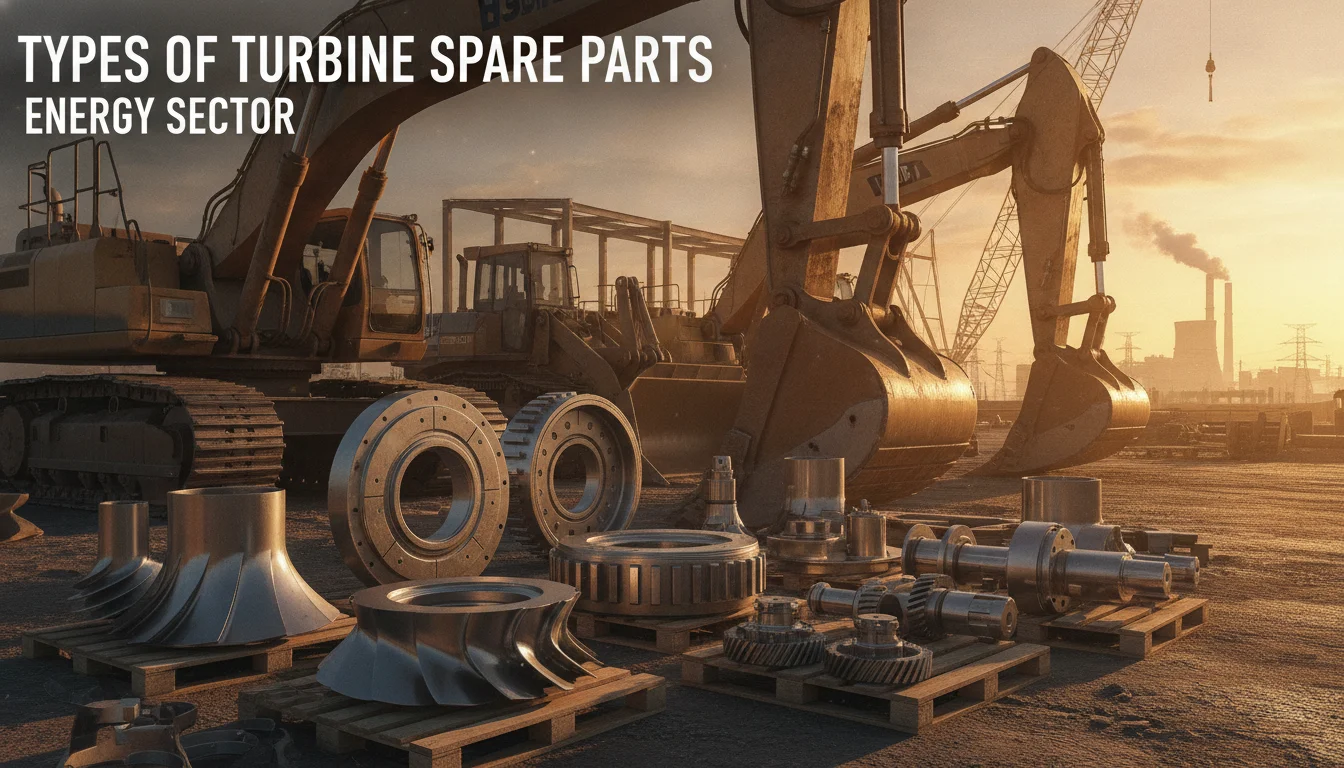
Turbine spare parts break down into three major categories based on the machine they serve: gas, steam, and wind. Each category has its own wear patterns, materials science, and sourcing challenges, so understanding which parts apply to your fleet is the first step in smart procurement.
Gas Turbine Spare Parts
Gas turbines are widely used in power generation and industrial applications, according to industry sourcing guides, which is exactly why their spare parts inventory tends to be the most active in any this type of parts program. Common components include:
- Compressor Components: Blades, vanes, and seals that ensure efficient air compression.
- Combustion Components: Fuel nozzles, combustion liners, and transition pieces critical for combustion efficiency.
- Hot Gas Path Parts: Buckets, nozzles, and shrouds engineered to withstand extreme temperatures and pressures, often exceeding 1,100°C in the first stage.
Pro Tip: Frame 7EA and Frame 7FA gas turbines are among the most common in service worldwide. Keep first, second, and third-stage bucket and nozzle sets on a watch list. These are the components most likely to trigger an unplanned outage.
Steam Turbine Spare Parts
Steam turbines remain essential for electricity generation in thermal power plants, and their spare parts inventory centers on components that manage extreme pressure differentials. Key parts include:
- Blades: Stationary and rotating blades drive energy conversion efficiency; last-stage and L-1 blades are frequently stocked items given their failure impact.
- Bearings: High-quality bearings reduce wear and keep rotation smooth under load.
- Seals: Seals prevent steam leakage, which directly protects overall plant efficiency.
Wind Turbine Spare Parts
Wind turbines depend on a different set of spare parts, largely mechanical and electrical rather than combustion-based. Important components include:
- Blades: The primary component for harnessing wind energy and among the costliest to replace.
- Gearboxes: Convert rotational energy from the blades into usable electrical output.
- Electrical Systems: Slip rings, control units, and sensors that keep the nacelle communicating with grid controls.
Refurbishing wind turbine components instead of buying new can meaningfully reduce the carbon footprint of a maintenance program, according to industry sustainability reporting, an angle worth raising with your sourcing team if emissions targets are on the table.
What to Look For When Buying

The right energy sector turbine spare parts purchase comes down to three checks: material quality, fit compatibility, and realistic pricing expectations. Skip any one of these and you risk a part that fails early or simply doesn't bolt on.
Material Quality
High-quality materials are essential for durability and performance, particularly in components exposed to continuous thermal or mechanical stress. Look for:
- High-Grade Alloys: Common in high-stress gas turbine applications like hot gas path components.
- Corrosion-Resistant Materials: Important for parts exposed to moisture and chemical byproducts, especially in steam turbines.
Fit and Compatibility
Confirming compatibility before you order prevents costly returns and installation delays. Check for:
- OEM Specifications: OEM specifications ensure parts fit perfectly against the original design tolerances.
- Aftermarket Options: Certified aftermarket parts can provide cost-effective alternatives without sacrificing performance, provided they carry proper certification.
Price Range
Pricing for turbine spare parts varies widely by component complexity and material. As a general guide:
- Budget Options: Basic consumables and fasteners often run in the low hundreds of dollars.
- Mid-Range Parts: Bearings, seals, and mechanical assemblies typically land in the mid-hundreds to low-thousands range.
- Premium Parts: Hot gas path components, blades, and gearboxes command the highest prices due to material and engineering demands.
How to Evaluate Suppliers
Evaluating a supplier for energy sector turbine spare parts means checking three things: track record, inventory depth, and technical support. A vendor that's weak in any of these areas becomes a liability the moment you're facing an unplanned outage.
Industry Experience
A supplier's experience in the energy sector often correlates directly with reliability and technical depth. Ask about the turbine models they've supported and whether they've handled urgent, time-critical deliveries before.
Inventory Strength
A capable supplier stocks both routine and emergency components, including:
- Fast-Moving Components: Parts routinely needed for scheduled maintenance.
- Critical Components: Essential parts that may be required on short notice during an outage.
Technical Support
Strong suppliers act as technical advisors, not just order-fulfillment centers. Look for:
- Installation Guidance: Support for fitment and compatibility questions before parts ship.
- After-Sales Support: Troubleshooting and maintenance assistance once the part is installed.
"A good supplier should act like a technical advisor, not just a distributor... Companies that provide technical documentation, consultation, and after-sales assistance show that they understand your turbine, not just your invoice." - industry sourcing guidance from DLGT
Comparison of Top Suppliers
| Supplier | Type of Turbine Parts | OEM Certification | Technical Support | Delivery Speed |
|---|---|---|---|---|
| Spares in Motion | Wind, Gas, Steam | Yes | Yes | Fast |
| BGB Innovation | Wind | Yes | Limited | Standard |
| DLGT | Gas | Yes | Yes | Fast |
| GE Vernova | Steam | Yes | Yes | Standard |
GE Vernova reports reducing average order-to-delivery cycles across its steam turbine parts portfolio and cutting quoting time, based on its own service data from 2024 to 2026, though these improvements don't apply uniformly across every component. It's a useful reminder that delivery speed claims should always be checked against the specific part category you need, not the supplier's headline number.
Care and Maintenance of Turbine Spare Parts
Extending the lifespan of turbine spare parts comes down to three habits: regular inspection, timely replacement, and controlled storage. Skipping any one of these shortens the effective life of even the best-manufactured component.
Regular Inspections
Scheduled inspections catch wear before it becomes failure. Industry maintenance data shows that preventive inspection programs help operators replace parts during planned intervals rather than reacting to a breakdown mid-run.
Timely Replacement
Replace parts according to manufacturer recommendations or when performance metrics start slipping. Waiting past that point usually means a bigger repair bill and unplanned downtime instead of a scheduled swap.
Storage Conditions
Store spare parts in controlled environments to prevent damage from moisture, dust, or temperature swings. A blade or seal degraded in storage fails just as fast as one that's been in service for years.
Pros and Cons
Pros
- OEM-certified energy sector turbine spare parts offer guaranteed fit and predictable performance.
- Certified aftermarket options can lower procurement costs without sacrificing reliability.
- Strong supplier relationships shorten lead times during emergency outages.
- Preventive maintenance programs reduce the frequency of costly unplanned shutdowns.
Cons
- OEM parts typically carry a price premium over aftermarket equivalents.
- Uncertified aftermarket components carry real compatibility and warranty risk.
- Global sourcing can introduce longer lead times for rare or legacy components.
- Poor storage or handling can degrade even high-quality parts before installation.
Where 3GEN Export Fits In
As of 2026, procurement teams sourcing energy sector turbine spare parts increasingly need one partner who can cover multiple equipment categories rather than juggling separate vendors for construction, mining, and power generation fleets. At 3GEN Export, we supply OEM-standard components across Caterpillar, Komatsu, Volvo, Atlas Copco, and more than 40 other brands, with global delivery built for operators who can't afford extended downtime.
If your energy operation also runs heavy equipment for site support, earthmoving, or material handling, our parts categories page and brand directory cover the cross-section of components most fleets need on hand. For related sourcing guidance, see our articles on hydraulic cylinder seal replacement and OEM vs aftermarket parts decisions.
Frequently Asked Questions
Where can I find spare parts for my gas turbine?
Gas turbine spare parts are best sourced from specialized suppliers offering OEM and certified aftermarket components. Look for a supplier with strong inventory depth, documented technical support, and experience with your specific turbine frame or model.
What are the main parts of a turbine?
The main parts of a turbine include blades, bearings, seals, and combustion components, which work together to convert thermal or kinetic energy into mechanical power. The exact component list varies by turbine type, gas, steam, or wind.
How do I ensure compatibility with my turbine model?
Always check OEM specifications first, or consult directly with your supplier about your turbine's exact model, frame type, and stage configuration. Mismatched tolerances on hot gas path parts in particular can cause serious damage.
What is the typical delivery time for turbine spare parts?
Delivery times vary based on supplier inventory and part rarity, but many established suppliers offer expedited shipping for urgent outage needs. 3GEN Export ships OEM-quality parts globally with a 5-day delivery target for in-stock components.
Are aftermarket parts reliable?
Aftermarket parts can be just as reliable as OEM components when they're certified and tested against recognized industry standards. The key is choosing a reputable supplier who can document that certification, not just claim it.
Who is a reputable supplier of spare parts for GE gas turbines?
Several independent service providers specialize in GE heavy-duty gas turbine parts, offering components designed to be interchangeable with OEM originals. Always verify their track record with your specific frame type, such as Frame 7EA or Frame 7FA, before committing to an order.
Ready to cut sourcing time on your next turbine maintenance cycle? Shop OEM-quality spare parts with global 5-day delivery at 3genexport.com.