
Heavy Equipment Radiators for Sale: 2026 Buyer Guide
Shop heavy equipment radiators for sale with confidence. Compare types, brands, and prices, plus get maintenance tips from 3GEN Export's global parts team.
Loading article…
Article Not Found
The article you're looking for doesn't exist or may have been removed.
Back to BlogHeavy equipment radiators for sale are cooling components engineered to regulate engine temperature in excavators, wheel loaders, dozers, and other off-road machinery. They come in copper-brass, aluminum, and composite builds, each suited to different operating conditions and budgets.
Key Takeaways
- Copper-brass, aluminum, and composite radiators each suit different duty cycles and budgets.
- OEM part number verification prevents costly mismatches when buying for sale.
- New, used, and rebuilt options span a wide price range, so match condition to your equipment's remaining service life.
- Regular inspection and coolant checks extend radiator lifespan and reduce unplanned downtime.
- Global suppliers with fast shipping cut the lead time gap that idles machinery on active job sites.
"Choosing the right radiator is crucial for the efficient operation of heavy machinery. Ensure compatibility with your equipment and consider quality over price for long-term performance." - Industry Expert
Understanding Heavy Equipment Radiators for Sale
When you're browsing this type of sale, the variety of types, brands, and specifications can feel overwhelming at first. Radiators sit at the center of your engine's thermal management system, and a mismatched or worn-out unit shortens the life of far more expensive components downstream. We've built this guide to help procurement teams and maintenance supervisors make a confident purchase decision, whether that machine is a CAT excavator on an active mine site or a Komatsu loader running double shifts.
Types of Heavy Equipment Radiators
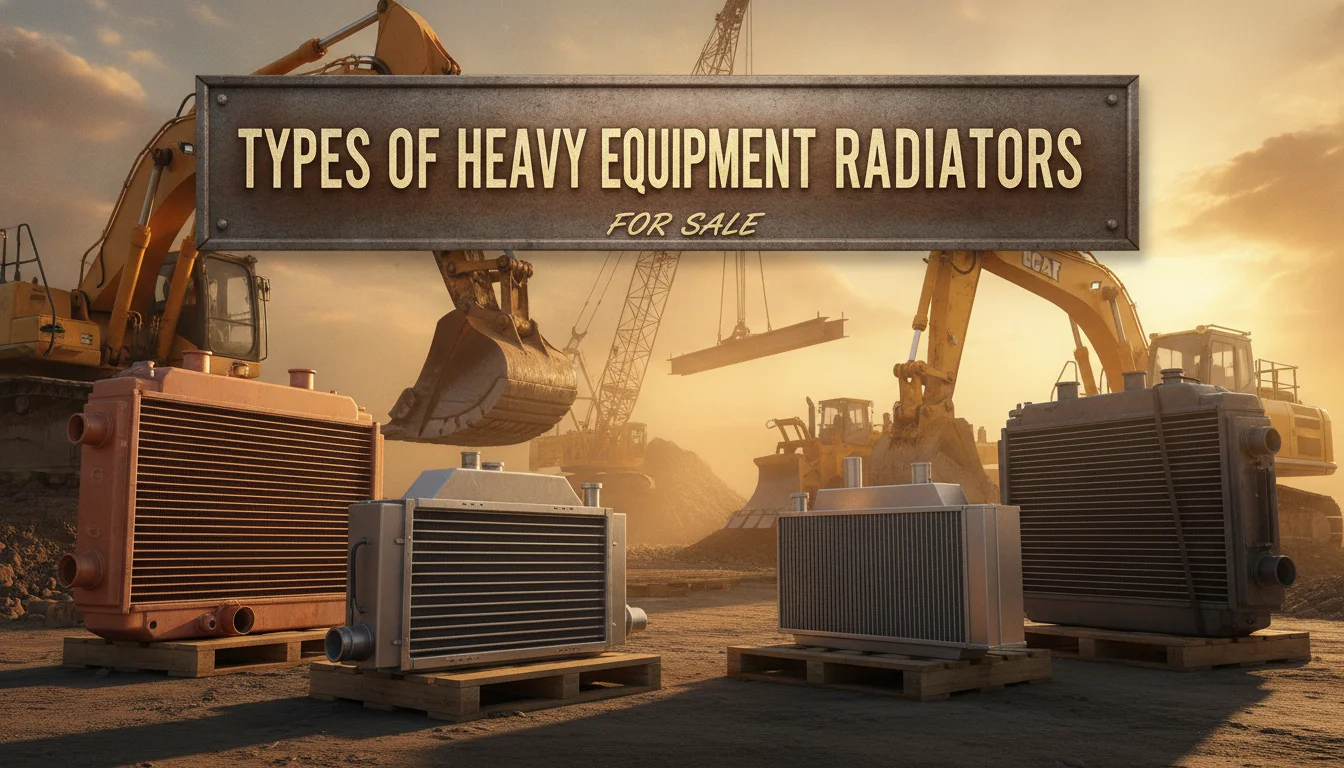
Heavy equipment radiators fall into three main categories based on core material and construction. Each type trades off differently between heat dissipation, weight, corrosion resistance, and cost, so matching the type to your application matters as much as matching the brand.
1. Copper and Brass Radiators
Copper and brass radiators dissipate heat faster than most alternatives thanks to copper's high thermal conductivity. Operators running high-load applications, like mining haul trucks or continuous-duty generators, often prefer these for their proven durability and field-repairability. They're heavier and typically cost more, but for severe-duty cycles, that extra investment pays off in fewer replacements.
2. Aluminum Radiators
Aluminum radiators are lightweight and naturally corrosion-resistant, making them a common choice across modern construction equipment. They generally cost less than copper-brass units and reduce overall machine weight, though they may not match copper's raw heat dissipation in the most demanding continuous-duty environments. For most mid-range excavators and loaders, aluminum strikes a solid balance between performance and price.
3. Plastic and Composite Radiators
Plastic and composite radiators show up most often in lighter machinery and support vehicles rather than heavy production equipment. They're the most cost-effective option upfront, but they generally can't match the durability or heat dissipation of metal cores under sustained heavy load. We recommend these mainly for auxiliary equipment, not primary production machines.
Key Brands to Consider
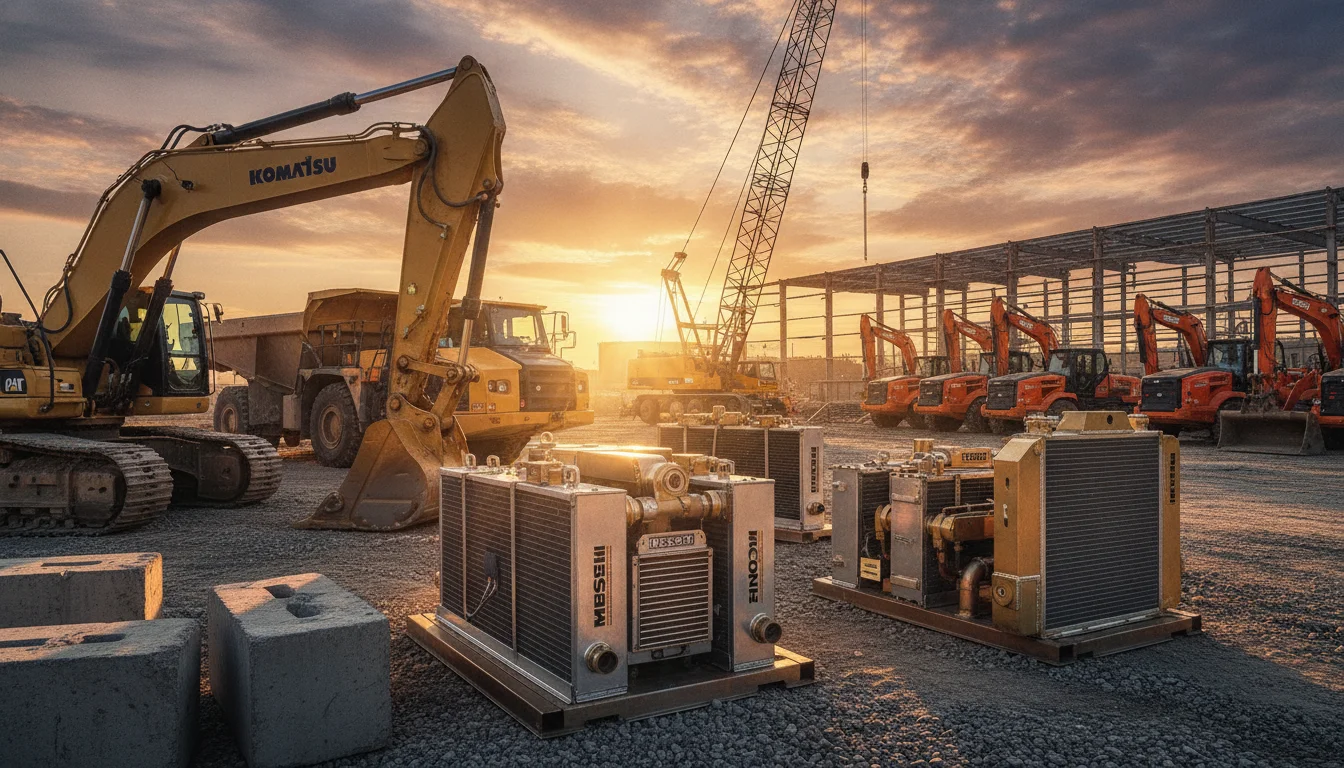
Caterpillar, Komatsu, and John Deere lead the market for OEM-engineered heavy equipment radiators, though the aftermarket landscape includes dozens of additional manufacturers worth evaluating. Here's what sets the major players apart.
1. Caterpillar
Caterpillar radiators are engineered specifically for CAT engine and chassis configurations, with tight tolerances that support long service intervals. Their OEM design language prioritizes durability and predictable performance across the CAT product line, from compact track loaders to large mining excavators.
2. Komatsu
Komatsu radiators are built for compatibility across a wide range of Komatsu wheel loaders, excavators, and dozers. According to supplier listings from parts distributors like H&R Construction Parts, Komatsu radiator part numbers vary significantly by model year and configuration, so verifying the exact part number against your machine's serial number is essential before ordering.
3. John Deere
John Deere radiators are engineered primarily for agricultural and construction equipment, with cooling packages tuned to Deere's engine lineup. They offer a range of core configurations suited to different horsepower classes and duty cycles.
Price Ranges for Heavy Equipment Radiators for Sale
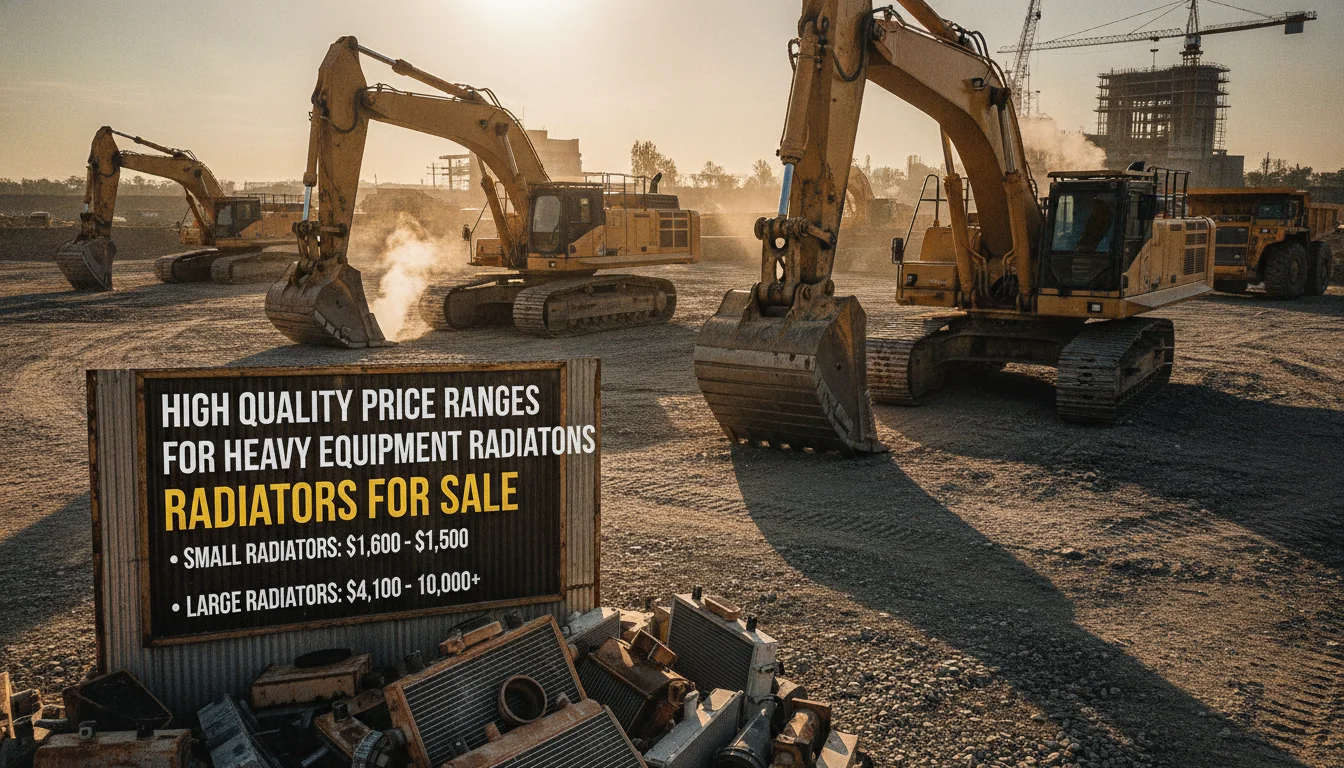
Prices for this kind of for sale typically fall into three tiers based on condition: new, used, and rebuilt. Brand, material, and machine model all shift the number within these bands, so treat the following as a general reference rather than a fixed quote.
| Condition | Price Range | Typical Brands |
|---|---|---|
| New | $500 - $2,000 | Caterpillar, Komatsu, John Deere |
| Used | $200 - $1,000 | Various OEMs |
| Rebuilt | $300 - $1,500 | OEM and aftermarket brands |
Pro Tip: Rebuilt radiators from reputable suppliers often deliver near-new performance at a meaningful discount versus new OEM pricing. Ask for documentation on core testing and pressure verification before you commit.
What to Look For When Buying
The most important factor when buying a radiator is confirmed compatibility with your equipment's exact make, model, and serial number range. Beyond fitment, material quality and warranty coverage separate a durable purchase from a repeat repair bill.
1. Compatibility
Ensure the radiator is compatible with your specific make and model of equipment by cross-referencing OEM part numbers. Skipping this step is the single most common cause of installation headaches and returned parts.
2. Material Quality
Choose a radiator built from materials suited to your operating conditions. Copper and brass generally outlast aluminum and plastic in severe-duty applications, though aluminum remains a strong choice for standard construction duty cycles.
3. Warranty and Support
Look for suppliers who stand behind their radiators with a clear warranty. A solid warranty signals confidence in manufacturing quality and gives you a safety net if a defect surfaces early in service.
Care and Maintenance of Heavy Equipment Radiators
Radiator maintenance comes down to three habits: regular inspection, keeping the core clean, and managing coolant quality. Skipping any one of these accelerates wear on the entire cooling system, not just the radiator itself.
1. Regular Inspections
Inspect the radiator regularly for leaks, corrosion, or physical damage to the core and fins. Catching a small leak early prevents the kind of overheating event that can crack a cylinder head.
2. Cleanliness
Keep the radiator core clear of debris, mud, and dust buildup that restricts airflow. Compressed air or a soft brush works well for routine cleaning without damaging delicate fins.
3. Coolant Maintenance
Maintain coolant at the correct level and check its condition regularly for contamination. Per manufacturer service bulletins, degraded or diluted coolant is a leading contributor to premature radiator failure across diesel engine platforms.
Per OSHA guidelines on heavy equipment maintenance, unplanned cooling system failures rank among the more preventable causes of costly downtime on active job sites, underscoring the value of a consistent inspection schedule.
Where to Buy Heavy Equipment Radiators for Sale
You can buy the equipment radiators for sale through online retailers, local equipment dealers, or auction and surplus channels, each with different tradeoffs on price, speed, and quality assurance. Global buyers increasingly favor specialized parts suppliers who combine OEM-standard sourcing with fast international shipping.
1. Online Retailers and Global Suppliers
Specialized parts suppliers, along with general marketplaces, offer a wide selection of heavy equipment radiators for sale. Verify seller ratings, part number accuracy, and shipping timelines before ordering, especially for cross-border purchases where lead time matters most.
2. Local Dealers
Local heavy equipment dealers and parts suppliers often stock both new and used radiators and can offer hands-on advice for your specific fleet. This route works well when you need a part fast and don't want to manage international logistics yourself.
3. Auctions and Surplus Sales
Auctions and surplus sales can turn up used radiators at lower prices, though they require more due diligence on condition and history. Budget extra time for inspection before committing to a surplus purchase.
Pros and Cons
Pros
- Wide selection across materials, brands, and price tiers to match any budget or duty cycle.
- Rebuilt and used options offer significant savings versus new OEM pricing.
- Global suppliers now offer fast shipping, narrowing the traditional lead-time gap for OEM parts.
- Aftermarket and OEM-standard options both provide reliable compatibility when part numbers are verified.
Cons
- Used and surplus radiators carry higher risk of hidden wear or prior damage.
- Verifying exact OEM compatibility across model years takes time and diligence.
- Lower-cost composite radiators may not hold up under severe-duty conditions.
- Cross-border sourcing without a trusted supplier can introduce shipping delays and customs friction.
Frequently Asked Questions
Where can I find a catalog of heavy-duty truck radiators?
Manufacturer websites and specialized parts suppliers maintain searchable catalogs of heavy-duty truck radiators by part number and application. Many suppliers also offer application lookup tools where you enter your machine's make, model, and serial number to confirm fitment.
How much do radiators cost for a truck?
New truck and heavy equipment radiators typically run from $500 to $2,000 depending on brand and configuration, while used units can be found from $200 to $1,000. Rebuilt radiators generally fall between $300 and $1,500, offering a middle ground on cost and reliability.
Is it possible to buy used radiators?
Yes, used heavy equipment radiators for sale are widely available through online marketplaces, local dealers, and surplus auctions. Always verify condition, pressure-test results, and any remaining warranty before purchasing a used unit.
What brand of radiator is the best?
Caterpillar, Komatsu, and John Deere are consistently regarded as leading brands for heavy equipment radiators, thanks to their OEM engineering and broad parts availability. The