
How to Choose Track Type Excavator: Complete 2026 Guide
Learn how to choose track type excavator setups by terrain, load, and material. Compare rubber vs steel tracks and avoid costly undercarriage mistakes.
Loading article…
Article Not Found
The article you're looking for doesn't exist or may have been removed.
Back to BlogKey Takeaways
- Understanding the terrain is crucial for selecting the right track type excavator, since ground conditions determine tread aggression and material choice.
- Track material significantly impacts performance and durability: rubber suits soft or paved ground, steel suits rock and debris.
- Consider machine specifications, including size and intended use, when working out how to choose track type excavator options for your fleet.
- Regular maintenance and proper track tension are essential for longevity regardless of which track type you select.
- Consult with experts or dealers for tailored recommendations before placing a bulk parts order.
- OEM-spec replacement tracks reduce fitment risk compared to guessing sizes from a machine's model name alone.
"Choosing the right track type excavator setup is not just about the machine; it's about understanding your job site and operational needs. Each decision impacts performance and costs." - Industry Expert
Introduction
How to choose track type excavator equipment is a decision that shapes daily productivity, fuel burn, and undercarriage life. The selection process involves evaluating terrain, machine specifications, and intended use. This guide breaks down how to choose track type excavator setups so procurement teams and site supervisors can make a confident call, not a guess.
We've supplied undercarriage components and spare parts to fleets running Caterpillar, Komatsu, and Volvo excavators for years, and the questions we get are almost always the same: rubber or steel, what width, and how do I know it'll actually fit. This guide answers all three, plus the maintenance and cost angles most buyers overlook until they've already paid for the wrong set.
How Track Selection Actually Works
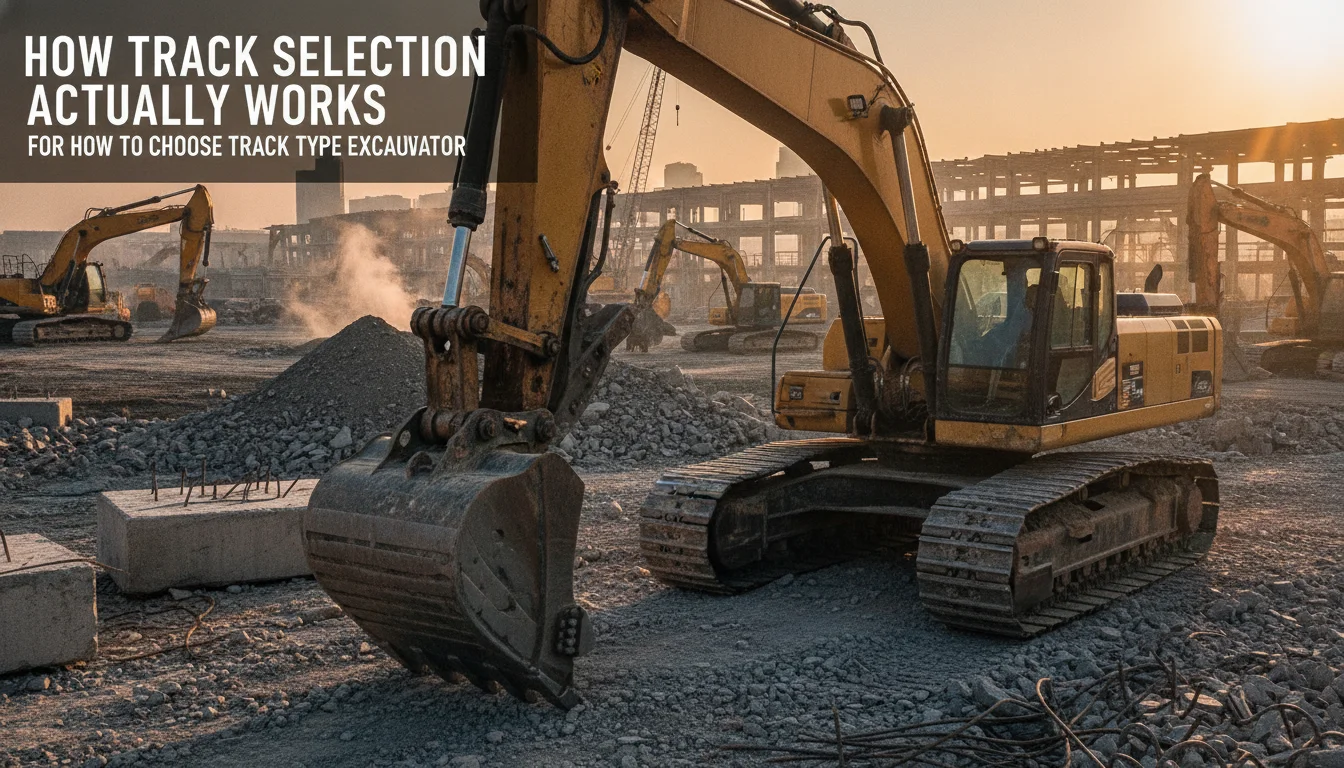
Track selection works by matching the tread material, width, and pitch to the ground pressure and traction demands of your specific jobsite. Every excavator track exists to do one job: spread the machine's operating weight across enough surface area that it doesn't sink, slip, or tear up the ground it's working on.
Tracks support the full operating weight of an excavator in demanding ground conditions. Every pass across mud, rock, or debris sends force through the tracks before that stress reaches the undercarriage and frame. When the track type doesn't match the jobsite, performance drops immediately. Operators notice less traction, slower travel, and a rougher ride that forces more manual corrections at the joystick.
Those small losses compound fast. According to Caterpillar's own guidance on large excavator track options, the wrong tread makes the machine fight the ground instead of moving through it efficiently. In deep mud, a low-aggression tread can slip under load, so forward drive drops before the bucket even finishes the cut. On pavement or compacted soil, an overly aggressive tread can chatter across the surface, wasting engine output through vibration instead of productive hydraulic work.
Rubber tracks wrap steel belts or embedded steel cores inside a flexible rubber compound, balancing wear resistance with smooth movement. Steel tracks use metal links and grousers that contact the ground directly, providing rigid support for high-weight or high-torque operations. Neither is universally "better": each is an engineering trade-off between traction, surface protection, ride comfort, and long-term wear resistance.
Understanding Track Types
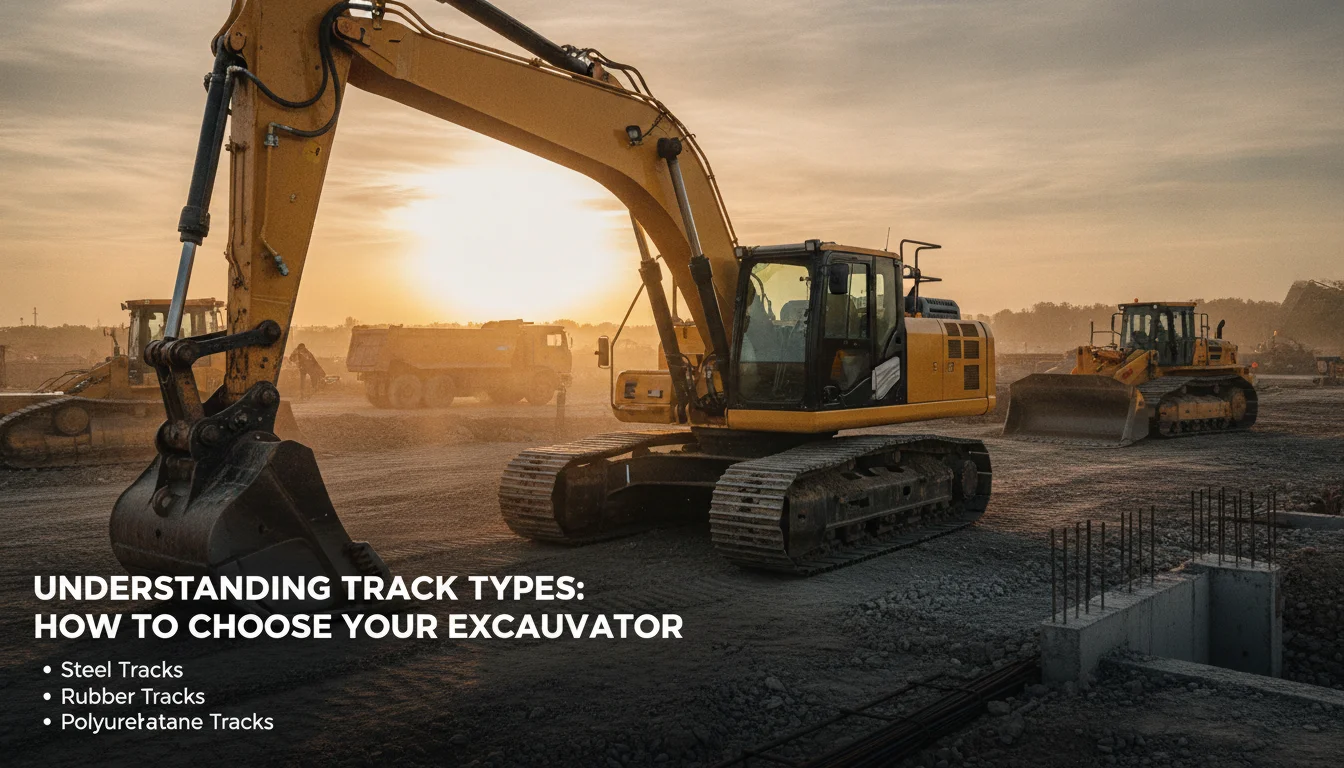
1. Rubber Tracks
Rubber tracks are designed for versatility and are suitable for a variety of surfaces. They are often used in urban environments and on softer terrains where surface protection matters as much as traction. Rubber tracks typically require less daily maintenance and resist corrosion, and they provide more predictable performance on soft ground and finished concrete.
2. Steel Tracks
Steel tracks are known for their durability and are ideal for harsh conditions, such as rocky or uneven terrains. They provide better traction and stability under high-torque loads. Rigid grousers distribute the machine's weight evenly, giving consistent traction on loose or uneven ground, and reinforced links with robust locking systems keep joints secure under repeated impact.
3. Comparison of Track Types
| Track Type | Best For | Advantages | Disadvantages |
|---|---|---|---|
| Rubber Tracks | Soft ground, urban areas, pavement | Smoother operation, less surface damage, quieter ride | Less durable on sharp surfaces, vulnerable to punctures |
| Steel Tracks | Rocky, uneven terrain, demolition debris | High durability, excellent traction, tolerates temperature extremes | Heavier, can damage soft or paved surfaces |
| Heavy Duty XL Tracks | Extreme applications, larger excavator models | Stronger track links, reinforced pin-locking design | Higher upfront cost, generally reserved for larger machines |
Evaluating Jobsite Conditions
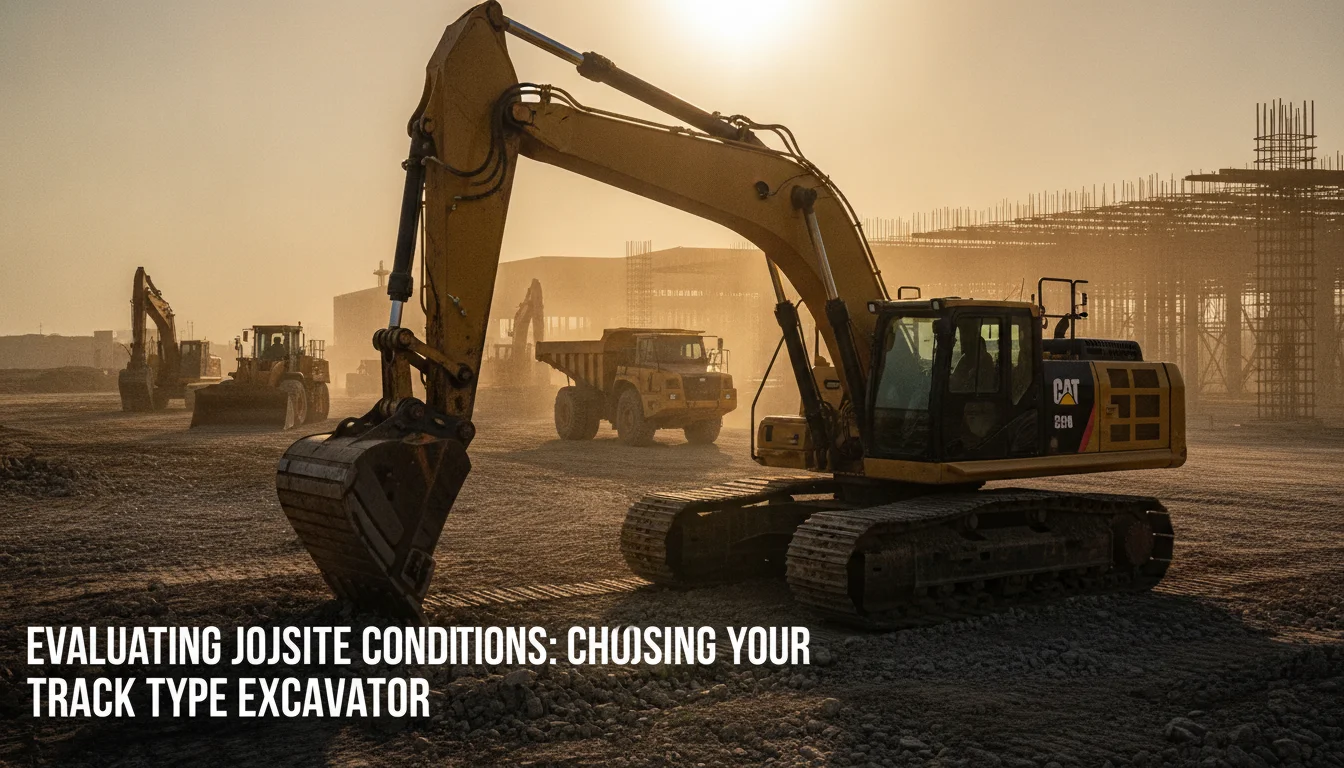
1. Terrain Type
Assess the primary surfaces you will be working on, such as mud, sand, or rocky terrain. Each surface type requires different track characteristics, and mixed-terrain sites often call for an interchangeable setup rather than a single fixed choice.
2. Load Capacity
Understanding the load capacity of your excavator is crucial. Ensure that the tracks you choose can support the weight of the machine plus the load it will carry, since undersized tracks accelerate wear across the entire undercarriage.
3. Seasonal Changes
Consider how seasonal changes may affect your job site. Wet conditions may require wider tracks for better flotation, while frozen or hard-packed winter ground may favor a more aggressive steel tread.
Choosing the Right Track Material
1. Rubber vs. Steel
Rubber tracks are generally quieter and provide a smoother ride, while steel tracks offer better durability and traction in challenging conditions. Steel tracks are recommended for surfaces with high puncture or tear risk, steep or uneven slopes, and heavy-duty operations such as pipeline work or forestry.
2. Composition and Design
The composition of the track material affects its performance. High-quality rubber tracks often contain steel belts for added strength, combining the shock absorption of rubber with core reinforcement that resists stretching under load.
3. Maintenance Considerations
Rubber tracks typically require less maintenance than steel tracks, which may need regular inspections for wear and tear, pin and bushing wear, and grouser damage.
Track Size and Specifications
1. Measuring Track Size
To choose the right track type excavator setup, measure the track width, pitch, and number of links. This ensures compatibility with your machine, and it's the step most buyers skip, to their own cost.
Do not choose a track based on the excavator's model name alone. The safest approach is to identify the track by measurements and by the undercarriage layout actually installed on the machine, since the same machine family can ship with different undercarriage configurations depending on year and factory options. Before ordering, collect: track width, pitch, number of links, the inside guide pattern, the full machine model and serial number, and clear photos of the old track, sprocket, bottom rollers, top roller if fitted, idler, and track frame.
2. OEM vs. Aftermarket Tracks
Original Equipment Manufacturer (OEM) tracks are designed specifically for your excavator model, while aftermarket tracks may offer cost savings but vary in quality. At 3GEN Export, we supply OEM-standard replacement parts precisely because fitment errors on aftermarket tracks are one of the most common causes of premature undercarriage failure.
3. Importance of Proper Fit
A proper fit is essential for optimal performance. Incorrectly sized tracks can lead to increased wear and reduced efficiency, and in some cases, damage to the sprocket or idler that wasn't part of the original problem.
How to Apply This: A Step-by-Step Buying Process
Step 1: Document Your Current Undercarriage
Start by photographing and measuring the existing tracks, sprockets, rollers, and idlers before you contact any supplier. Record the full machine model and serial number, since undercarriage specs can vary even within the same excavator family.
Step 2: Map Your Jobsite Conditions
List every surface type the machine will realistically encounter this year, including seasonal mud, rock, pavement, or demolition debris. If conditions vary significantly across projects, plan for an interchangeable track setup rather than a single fixed choice.
Step 3: Match Material to Terrain and Load
Choose rubber for soft ground, pavement, and lighter loads, or steel for rock, debris, and high-torque heavy-duty work. Cross-check the excavator's operating weight against the track's rated load capacity.
Step 4: Compare OEM and Verified Aftermarket Options
Request spec sheets from your supplier and confirm pitch, width, and link count against your documented measurements. Ask directly whether the aftermarket option has been tested against OEM tolerances, not just advertised as "compatible."
Step 5: Confirm Lead Time and Logistics
Downtime costs money every day a machine sits idle, so confirm shipping timelines before you commit to an order. Global suppliers with regional warehousing can often beat single-country OEM lead times by a wide margin.
Step 6: Schedule Installation and Break-In Inspection
Plan a short break-in period after installation and inspect tension, alignment, and grouser contact within the first working days. Catching a fitment issue early is far cheaper than replacing a track that failed under load.
Operational Considerations
1. Frequency of Use
Consider how often the excavator will be used. For heavy, frequent use, investing in higher-quality tracks may be more cost-effective in the long run, since replacement labor and downtime often cost more than the parts themselves.
2. Type of Work
The nature of the work, whether it's light landscaping or heavy excavation, will influence your track choice. Heavy-duty tracks are better for rigorous applications like demolition or quarry work.
3. Cost vs. Performance
Balancing cost and performance is crucial. While cheaper tracks may save money upfront, they can lead to higher maintenance costs and downtime, which usually erases any initial savings within a season or two of heavy use.
A Worked Example: Matching Tracks to a Mixed-Terrain Site
Consider a mid-size crawler excavator rotating between a quarry floor, a wetland utility trench, and a paved yard for staging materials. On the quarry floor, sharp rock and debris make steel tracks the safer choice, since rubber would be exposed to constant puncture risk. In the wetland trench, however, steel's weight and reduced flotation would increase the risk of the machine bogging down, so a rubber-tracked machine or an interchangeable rubber pad setup performs better there.
For the paved staging yard, rubber tracks protect the surface and reduce vibration, cutting operator fatigue during long shifts. A fleet manager facing this exact mix typically either standardizes on a single mid-aggression rubber tread for the softer sites and rotates a dedicated steel-tracked machine into the quarry work, or invests in heavy duty XL tracks that can be swapped between configurations as job requirements shift. The right answer depends on how much time the machine spends in each environment, and on how the maintenance budget compares to the cost of downtime from repeated resets.
Excavator vs Trackhoe: A Related Distinction
A trackhoe is simply an excavator mounted on a tracked undercarriage rather than wheels, trading road speed for improved traction, lower ground pressure, and better stability in soft or uneven ground. Understanding this distinction matters when comparing machines across suppliers, since some listings use the terms interchangeably while others reserve "trackhoe" specifically for crawler-mounted units used in heavy trenching and production digging.
Common Mistakes to Watch Out For
- Ordering by model name alone. The same excavator family can ship with different undercarriage layouts depending on year and factory configuration, so measurements always take priority over assumptions.
- Ignoring seasonal terrain shifts. A track that performs well on dry summer ground may struggle in wet season mud without adjusted width or tread depth.
- Choosing tracks by price alone. Lower upfront cost on unverified aftermarket tracks often translates into higher long-term maintenance spend and unplanned downtime.
- Replacing only one track at a time. Mismatched wear between an old and new track accelerates uneven stress on the undercarriage and shortens the life of both.
- Skipping tension checks after installation. Improper tension right out of the gate is one of the fastest ways to void the expected service life of a new track set.
- Overlooking debris clearance in triangular vs top-drive designs. Machines with a higher-mounted sprocket gain ground clearance but can trade off some top speed, an issue worth discussing with your supplier before ordering.
Consulting with Experts
1. Dealer Recommendations
Consulting with your equipment dealer can provide valuable insights into the best track options for your specific needs, particularly for less common undercarriage configurations.
2. Industry Standards
Familiarize yourself with industry standards and best practices for track selection to ensure compliance and optimal performance across your fleet.
3. User Reviews and Feedback
Gathering feedback from other operators can help you understand the real-world performance of different track types, including issues like debris buildup in certain sprocket designs that don't always show up in spec sheets.
"The common mistake is assuming that one model always uses one track size. In the real world, the same machine family may have different undercarriage configurations depending on year and build." - Heavy equipment maintenance forum contributor
Maintenance and Care
1. Regular Inspections
Conduct regular inspections of your tracks to identify wear and tear early. This can prevent costly repairs and downtime, and it's the single cheapest maintenance habit a fleet can adopt.
2. Track Tension
Maintaining proper track tension is crucial for performance. Too loose or too tight can lead to premature wear on both the track and the surrounding rollers and idlers.
Pro Tip: Check track tension at the start of every shift on machines working in abrasive or muddy conditions. A five-minute visual and manual check now can prevent a multi-day undercarriage repair later.
3. Cleaning and Storage
Keep tracks clean and store them properly when not in use to extend their lifespan, particularly in regions with corrosive soil chemistry or salt exposure.
Pros and Cons
Pros
- Matching track type to terrain reduces slippage, fuel waste, and undercarriage wear over the life of the machine.
- OEM-spec tracks reduce fitment risk and typically integrate more predictably with existing rollers, idlers, and sprockets.
- Interchangeable heavy duty and general duty components let fleets adapt to changing job requirements without buying an entirely new undercarriage.
- Proper track selection extends service intervals and reduces unplanned downtime on active job sites.
Cons
- Steel tracks add weight and can damage soft or finished surfaces if used in the wrong application.
- Rubber tracks are vulnerable to punctures and tearing on sharp rock or demolition debris.
- Verifying exact fitment requires more upfront effort, including measurements and photos, than ordering by model name alone.
- Premium or specialty tracks, such as heavy duty XL configurations, carry a higher upfront cost that only pays off under heavy usage.
2026 Outlook: What's Changing in Track Selection
As of 2026, fleet managers are increasingly standardizing on interchangeable track systems that let a single excavator swap between general duty and heavy duty components without a full undercarriage replacement. This year's procurement trend leans toward verified aftermarket suppliers that can document OEM-equivalent tolerances, driven largely by longer lead times on some OEM parts networks and rising interest in global sourcing options. Expect continued demand for wider flotation tracks as more contractors take on wetland, agricultural, and reclaimed-site work where soft ground handling is non-negotiable.
Conclusion
In summary, knowing how to choose track type excavator setups involves understanding the terrain, evaluating machine specifications, and considering operational needs. By following the steps outlined in this guide, from documenting your current undercarriage to confirming lead times, you can make an informed decision that improves performance and extends service life.
Shop OEM-quality spare parts with global 5-day delivery at 3genexport.com. Our team sources verified undercarriage components, tracks, and wear parts for Caterpillar, Komatsu, Volvo, and 40+ other brands, so your fleet stays productive regardless of where your next job site is.
Frequently Asked Questions
What are the different types of excavator tracks?
Excavator tracks primarily come in two types: rubber and steel. Rubber tracks suit softer terrains and paved surfaces, while steel tracks are built for rocky or uneven ground where puncture resistance matters more than ride comfort.
Are wider tracks better for soft ground?
Yes, wider tracks distribute weight more evenly across the ground, reducing ground pressure and improving flotation on soft or wet surfaces. This is one of the most reliable adjustments for sites with mud, sand, or unstable soil.
What are the disadvantages of using a track hoe?
Track hoes generally have lower travel speeds compared to wheeled machines and can require more maintenance due to their complex undercarriage systems. The tradeoff is better traction and stability on soft or uneven ground, which wheeled machines can't match.
How do I determine the right track size?
Track size is determined by measuring the track width, pitch, and number of links, then cross-checking those measurements against the specific model and serial number of your excavator. Photos of the sprocket, rollers, and idler help confirm fitment before you order.
What should I consider when choosing tracks?
Consider terrain type, machine usage, load capacity, and maintenance requirements when learning how to choose track type excavator components for a specific fleet. Cost versus long-term performance is just as important as the upfront price.
Should I replace excavator tracks in pairs?
Yes, replacing both tracks together is generally recommended, since mismatched wear between an old and new track can create uneven stress on the undercarriage. Replacing only one side often shortens the life of both tracks.