
How to Identify Genuine Caterpillar Parts (2026 Guide)
Learn how to identify genuine Caterpillar parts using PIN numbers, packaging checks, and part codes. Avoid counterfeits with our field-tested verification
Loading article…
Article Not Found
The article you're looking for doesn't exist or may have been removed.
Back to BlogHow to identify genuine Caterpillar parts is a process of verifying serial numbers, inspecting packaging for authentic Caterpillar branding, and cross-checking part numbers against the official Cat Parts Store. Authorized suppliers like 3GEN Export back every shipment with a 12-month warranty and direct OEM sourcing.
Key Takeaways
- Always cross-reference the part number with the Cat Parts Store or your dealer's online portal before installation.
- Genuine Cat packaging features a yellow-and-black design, holographic seals, and clear barcodes that scan to a valid record.
- Counterfeit parts can cause repairs costing thousands of dollars and extended downtime; a 12-month OEM warranty is your first line of defense.
- Authorized suppliers like 3GEN Export guarantee traceability from Caterpillar's global distribution network.
- As of 2026, digital verification tools are making counterfeit detection faster and more reliable for buyers worldwide.
- Learning how to identify genuine Caterpillar parts protects your equipment warranty, your maintenance budget, and your crew's safety.
What Are Genuine Caterpillar Parts?
OEM Definition and Standards
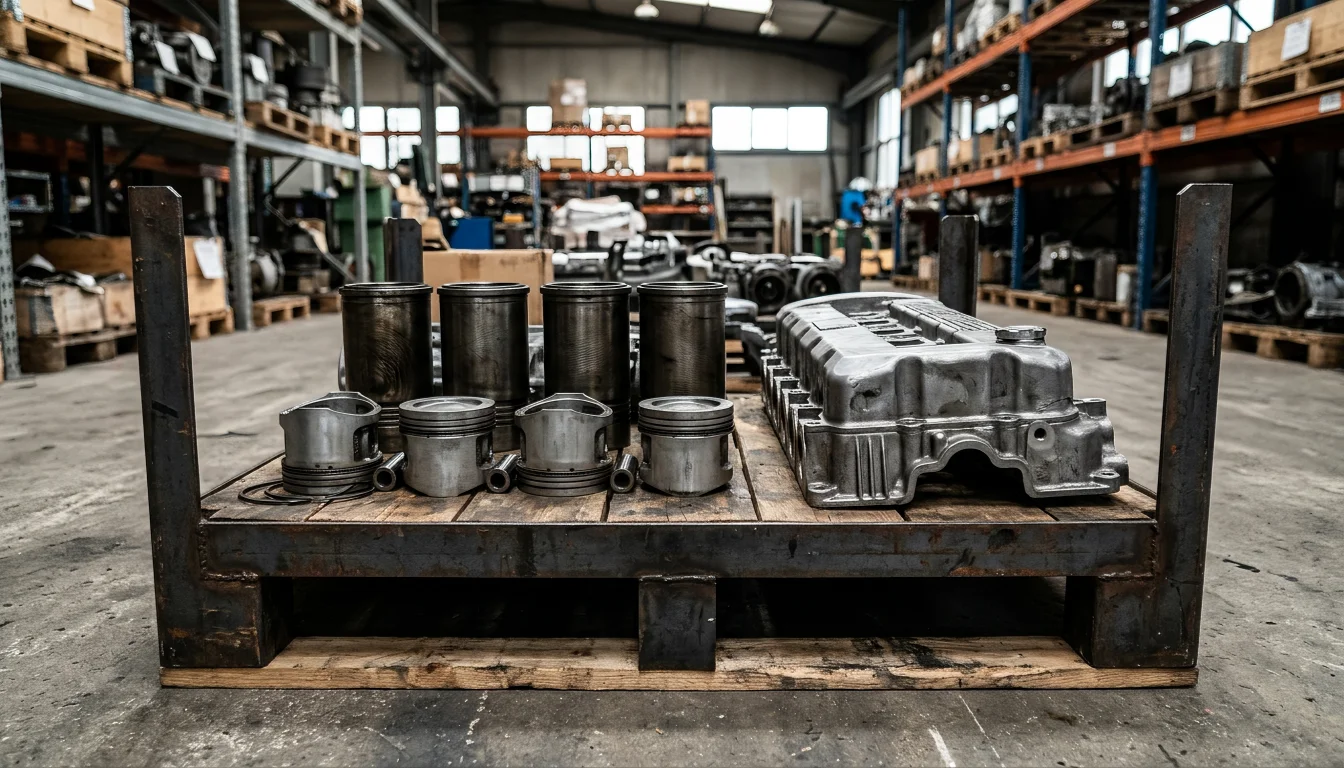
Genuine Caterpillar parts are components manufactured or authorized by Caterpillar Inc. specifically for its heavy equipment lineup. These OEM (Original Equipment Manufacturer) parts are built to meet ISO 9001 quality management standards and are designed to precisely fit Cat machines, from the D8 dozer to the 3406 engine. Unlike aftermarket alternatives, every genuine part is tracked from factory to dealer, giving buyers full traceability.
How Genuine Parts Differ from Aftermarket and Counterfeit
Aftermarket parts are made by third-party companies with no affiliation to Caterpillar. They may claim equivalent performance, but they often skip the rigorous testing genuine components go through. Counterfeit parts are illegal replicas that steal the Cat logo and branding, yet fail on basic material quality. According to Al Burhan, a Cat parts distributor based in the UAE, counterfeits have grown sophisticated enough to copy nearly every visual detail, except the engineering that prevents catastrophic failure.
Why Counterfeit Parts Are a Growing Threat in 2026
The Global Counterfeit Crisis
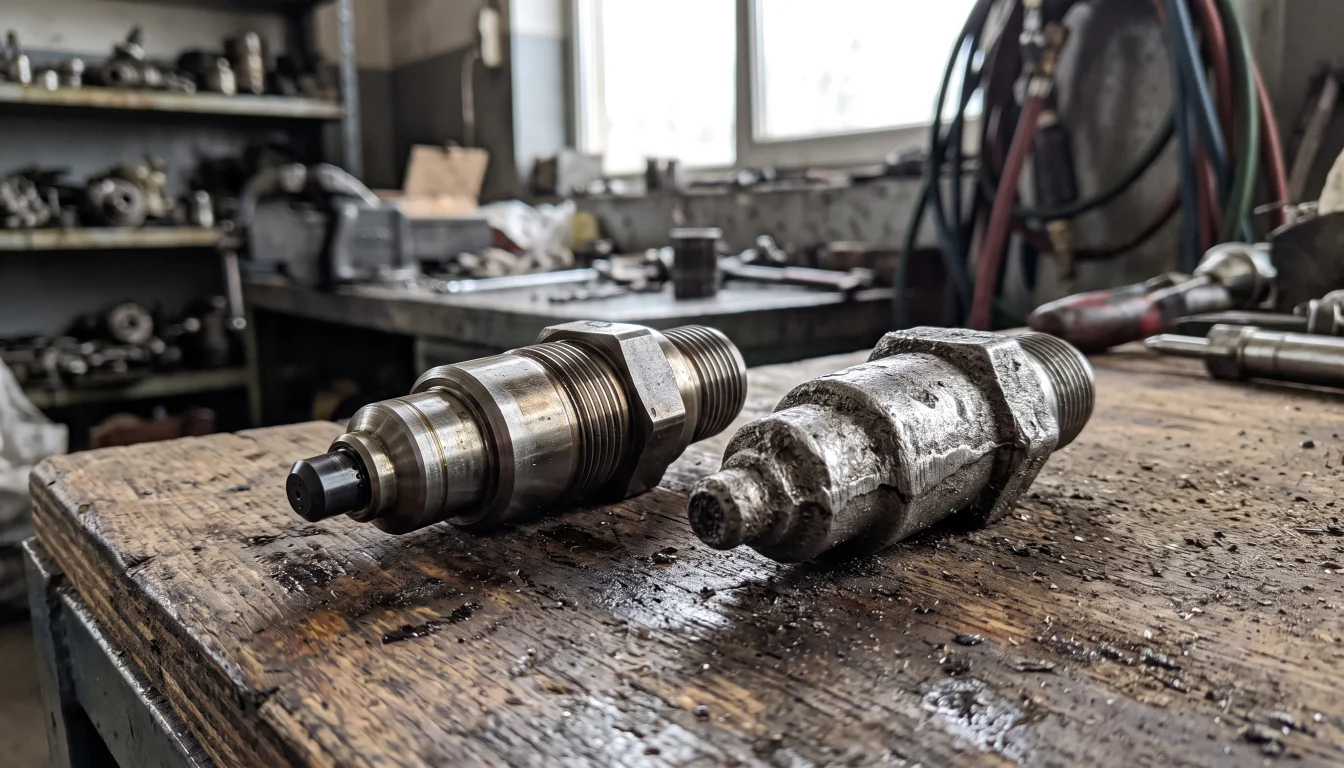
Counterfeit heavy equipment parts remain a persistent problem worldwide, with operators in Africa, Asia, and North America unknowingly installing them on active job sites. These components are typically manufactured in unregulated facilities using substandard materials that were never tested against Caterpillar's specifications. A single counterfeit filter can trigger an engine rebuild costing thousands of dollars, a pattern confirmed by multiple equipment dealers we've spoken with over the years.
Real-World Consequences for Your Equipment
Counterfeit parts lead to increased downtime, voided warranties, and safety hazards on active sites. Industry maintenance data shows that using the incorrect or counterfeit part can add significant unplanned downtime and repair costs to a project timeline. The risk isn't only financial. A failed counterfeit hydraulic hose on an excavator can put lives at risk on the job site.
"After two decades in the parts business, I can tell you the easiest way to spot a fake is the missing warranty. If a seller can't give you a Caterpillar 12-month warranty in writing, walk away. At 3GEN Export, we stake our reputation on every bolt we ship." - Senior Parts Specialist, 3GEN Export
How Cat's 12-Month Warranty Protects You
Every genuine Caterpillar part sold through authorized channels comes with a 12-month warranty. This is your guarantee that the part will perform as specified under normal operating conditions. If a dealer can't provide this warranty, you're likely looking at a gray-market or counterfeit item, and that's one of the fastest ways to confirm how to identify genuine Caterpillar parts before you even open the box.
How to Identify Genuine Caterpillar Parts by Serial Number
Step 1: Locate the Machine's Product Identification Number
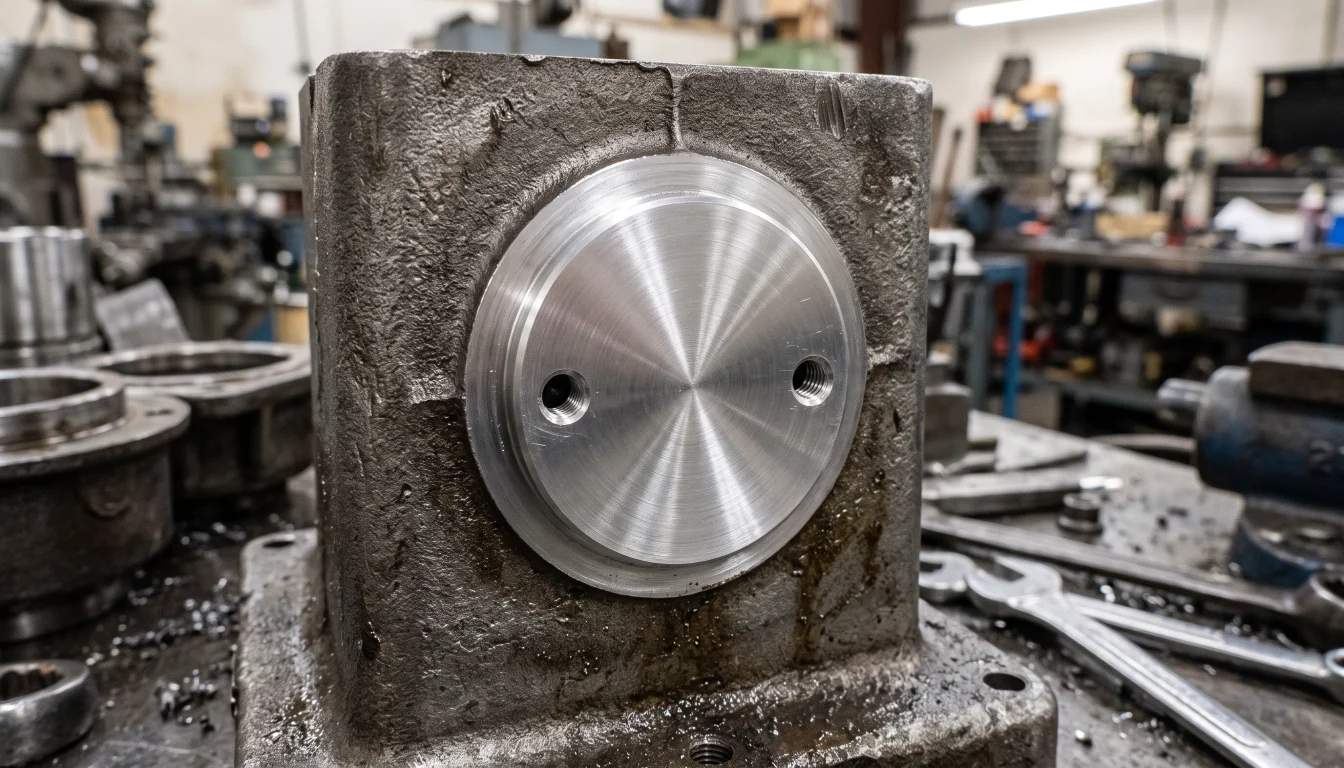
The Product Identification Number, or PIN, is a multi-character alphanumeric code stamped on the machine frame, typically near the operator cab or on the engine block. For example, a Cat 320 excavator PIN might read CAT0320DBLNG12345. Write this number down; it's your key to accessing the exact parts list for your specific unit.
Step 2: Enter the PIN into the Cat Parts LookUp System
Go to the official Cat Parts Store and use the "My Equipment" feature. Input your PIN, and the system filters out incompatible parts automatically. This step alone eliminates most ordering errors, according to a guide from Boyd Cat, one of the larger authorized Cat dealer networks in the US.
Step 3: Cross-Check the Part Number
Once you have a specific part number, like 6Y7197 for a fuel filter or 8E5346 for a gasket, verify it against the parts manual or the dealer's online catalog. Genuine Cat part numbers typically follow a six-character format (e.g., 1R0749 for an oil filter). If you see an unusual digit count or a different format entirely, question its authenticity before buying.
Decoding Caterpillar Part Number Formats
The Standard Cat Numbering System
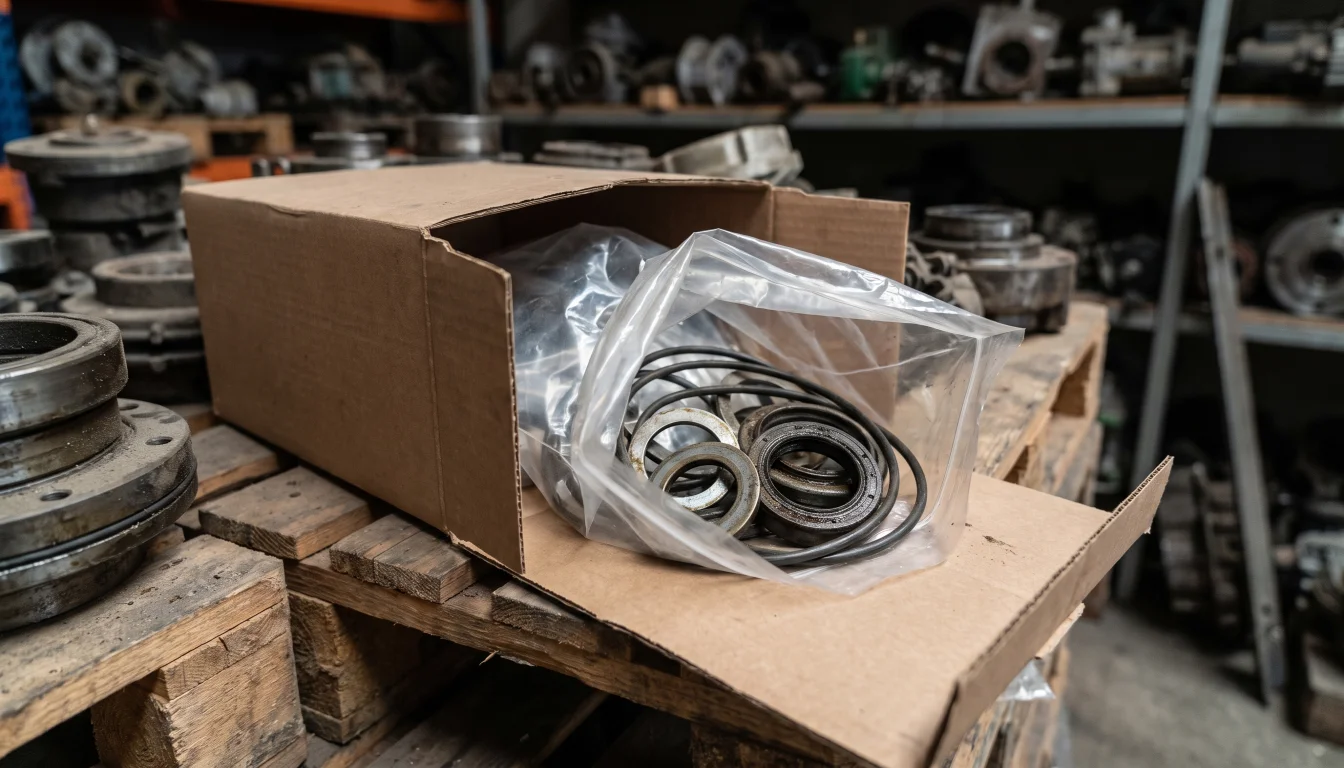
Caterpillar uses a consistent part numbering structure: one or two letters followed by four or five digits. This format helps buyers quickly identify the component category. For instance, "1R" often denotes filters, while "6Y" and "8E" show up frequently across engine parts. A genuine part will always have this number permanently embossed or laser-etched directly onto the metal or plastic, never just printed on a sticker.
Examples from the Field
Here are real part numbers you'll encounter on a Cat machine:
- 1R-0749: Engine oil filter (fits many Caterpillar diesel engines)
- 6Y-7197: Fuel filter for C7 and C9 engines
- 8E-5346: Cylinder head gasket for 3406 engines
If a part shows a number like "ABC-123456" or only a generic code with no matching entry in the Cat system, don't install it until verified.
How to Identify Genuine Caterpillar Parts Through Packaging and Labels
Visual Inspection of the Box
Authentic Cat parts arrive in yellow-and-black boxes carrying the Caterpillar logo and the "Genuine Cat Parts" seal. The printing is crisp, and the barcode scans to a valid part number in Caterpillar's system. Counterfeit packaging, as noted by All Parts Machinery, often shows blurred logos, misspelled words like "Caterpiller," or missing lot codes. This same verification logic applies when checking Komatsu parts, since counterfeiters often target multiple OEM brands with similar tactics.
Security Features to Look For
Caterpillar has been adding holographic authenticity stickers to high-demand parts in recent packaging runs. These stickers include a QR code that links to a dealer verification page. Hold the box under a UV light; many genuine boxes reveal a hidden Cat trade dress pattern invisible under normal light. If your part lacks any security features at all, contact your dealer immediately.
Checking Labels on the Part Itself
Inside the box, the part should carry a matching label with the same part number and a manufacturing date code. Genuine labels use durable synthetic paper that resists tearing. Compare the label's font with photos on the official Cat site; subtle differences in typeface are a major red flag when you're trying to confirm how to identify genuine Caterpillar parts on the shop floor.
Physical Inspection: Logos, Engravings, and Build Quality
Logo Placement and Consistency
The Caterpillar "CAT" logo on a genuine part is always sharply defined and positioned exactly per the engineering drawing. On a track roller, for example, the logo is cast into the metal, not applied as a sticker. Run your finger over the logo; an embossed feel indicates an OEM part, while a painted-on logo often signals a fake.
Surface Finish and Material Weight
Counterfeit parts often use lower-grade steel or aluminum, resulting in components that are noticeably lighter or show rough machining marks. Genuine Cat parts have a uniform, smooth finish throughout. Take a hydraulic cylinder rod as an example: a real one carries a chrome-plated surface with a Rockwell hardness around 50-55 HRC, while a counterfeit may show pitting or flaking after minimal use.
The Smell and Sound Tests for Rubber Components
For seals, belts, and hoses, trust your senses. Genuine Cat rubber has a distinct industrial smell, not the acrid odor common in cheap reprocessed rubber. Tap two metal parts together: a genuine part produces a clear, bell-like ring, while a fake sounds dull and flat. Experienced mechanics rely on these simple field tests every day.
Genuine vs. Counterfeit vs. Aftermarket Parts: A Quick Comparison
| Feature | Genuine Caterpillar Parts | Counterfeit Parts | Aftermarket Parts |
|---|---|---|---|
| Warranty | 12-month OEM warranty | None; may void machine warranty | Often limited (90 days to 1 year) |
| Material Quality | Certified alloys, exact specs | Unknown, often recycled metal | Variable; may not meet OEM specs |
| Performance | Tested to last full service interval | Premature failure common | May require more frequent replacement |
| Packaging | Yellow/black box, holographic seal, scannable barcode | Plain or poorly printed box, no security features | Generic box, no Cat branding |
| Price | Higher initial cost | Attractively low (often 50-70% less) | 15-40% less than genuine |
| Risk | Lowest risk of downtime | Highest risk; can destroy components | Moderate risk; depends on brand |
Pros and Cons of Buying Genuine Caterpillar Parts
Pros
- Full 12-month OEM warranty coverage backed by Caterpillar's authorized network
- Certified materials and exact-spec engineering that match the original build
- Complete traceability through batch codes, Certificates of Origin, and factory documentation
- Longer service intervals, which reduce total cost of ownership over the machine's life
Cons
- Higher upfront price compared to unverified aftermarket or gray-market alternatives
- Lead times can vary depending on region and part availability
- Requires buyers to actively verify sellers, since not every online listing is authorized
How 3GEN Export Guarantees Genuine Cat Parts
Direct Sourcing from Caterpillar's Network
3GEN Export is an authorized global supplier of genuine Caterpillar parts, sourcing directly from Cat's distribution centers across the United States, Europe, and Asia. Every part we ship includes the full 12-month Caterpillar warranty and is backed by our own 30-day satisfaction guarantee. We only sell new, factory-sealed components, never surplus or "take-off" parts of uncertain origin.
Documentation and Traceability
With every order, you receive a detailed invoice showing the OEM part number, batch code, and country of origin. We can provide Certificates of Origin and, for critical components, factory test reports. This transparency is exactly how we help customers learn how to identify genuine Caterpillar parts before they even arrive at the jobsite. If you're sourcing across multiple brands, our brands directory and parts categories page make cross-referencing faster.
Common Mistakes When Identifying Caterpillar Parts
Relying Solely on Price
Many buyers see a part listed at half the dealer cost and assume they've found a great deal. In reality, genuine Cat parts have a controlled price floor; any seller offering a discount in the 50-70% range is almost certainly selling counterfeits. The old adage holds here: if it looks too good to be true, it isn't genuine.
Ignoring the Dealer Network
Authorized Cat dealers have access to the same parts database as the factory. When you buy from an unauthorized online seller, you lose that verification layer entirely. Even if a part looks genuine, it may be old stock, improperly stored, or a well-made fake. Stick with dealers who provide a warranty and a physical address you can verify.
Not Checking Multiple ID Points
A single matching number isn't enough proof on its own. For a fuel injection pump, verify the part number on the housing, the data plate, and the box separately. Counterfeiters sometimes recycle genuine boxes but fill them with junk components. Always open and inspect before installation, no matter how trusted the source seems.
Identifying Vintage and Legacy Caterpillar Parts
Vintage Caterpillar parts are identified by comparing embossed part numbers on older castings against archived Cat parts catalogs, since many legacy machines predate the current PIN and digital lookup systems. Owners of older Cat Ten dozers and similar legacy equipment often rely on printed parts manuals, dealer archives, or forums of restoration specialists to confirm fitment. The numbering conventions on these older parts are generally consistent with modern Cat formatting, but casting quality and stamp depth can vary by production era, so cross-referencing with a knowledgeable dealer remains the safest approach.
How to Use the Cat Parts LookUp System Like a Pro
Creating a Free Account
Setting up an account on parts.cat.com is free and gives you access to real-time inventory, pricing, and parts diagrams. Link your account to a local dealer; you can even switch between dealers to check stock at different warehouses, a trick fleet managers across North America use regularly to cut lead times.
Navigating Parts Diagrams
The online catalog breaks down every machine into subsystems: engine, hydraulics, undercarriage, and more. Each diagram shows exploded views with every nut and bolt labeled by its part number. Click any item to see the price and availability. This remains one of the most accurate ways to identify parts even without a serial number in hand.
Using SIS for Advanced Lookups
Service Information System (SIS) is Caterpillar's technical portal, offering maintenance manuals, troubleshooting guides, and parts interchanges. While primarily built for technicians, many fleet owners subscribe to verify supersessions, meaning cases where an old part number gets replaced by a new one. Always confirm the part you receive matches the latest revision before installing it.
Future Trends: How Technology Is Making Fake Parts Obsolete
RFID and Tracking Technology
Caterpillar has been piloting RFID tags embedded into high-value components as part of ongoing anti-counterfeiting efforts. A quick scan with a smartphone can reveal a part's journey from foundry to final sale. Expanded digital tracking, already tested on select mining truck components, is designed to make tampering with records far more difficult.
AI-Powered Image Recognition
Several Cat dealers are developing mobile apps that use AI to compare a photo of your part against a database of known genuine images. In seconds, the app can flag discrepancies in logo position, font, or surface texture. Tools like this are expected to become more common among field inspectors in the next few years.
What This Means for Equipment Owners
As counterfeiters get more capable, verification technology has to keep pace. For now, the best defense is buying from trusted suppliers like 3GEN Export, who can apply these tools on your behalf during sourcing and inspection. Mastering how to identify genuine Caterpillar parts will always come down to knowing your vendor and using the resources Caterpillar provides through its official channels.
"Counterfeiters can copy a logo in an afternoon. What they can't copy is twenty years of metallurgy data and testing history. That's the gap that keeps failing our customers' machines, and it's the gap genuine parts close every time." - 3GEN Export Procurement Team
Conclusion: Protect Your Investment with Genuine Parts
Understanding how to identify genuine Caterpillar parts is a skill that pays for itself many times over. By checking serial numbers, inspecting packaging and labels, performing physical tests, and buying only from authorized dealers, you protect your equipment from premature failure and costly repair bills. As of 2026, with counterfeiters becoming more convincing than ever, that knowledge matters more than it did even a few years ago. Remember: the 12-month Cat warranty is one of the clearest signals available, if a part doesn't carry it, it's probably not genuine. Keep this guide handy, and when in doubt, reach out to 3GEN Export for expert verification and OE-spec parts delivered worldwide with 5-day global shipping.
Frequently Asked Questions
What is the easiest way to check if a Caterpillar part is genuine?
The quickest method is entering the part number on the Cat Parts Store. If it shows up with the correct description and price, it's legitimate. Also check for the 12-month warranty label on the packaging before you buy.
Do all genuine Cat parts have a 12-month warranty?
Yes, every new OEM part sold through an authorized dealer comes with a minimum 12-month warranty. Remanufactured parts may carry a different warranty period, so it's worth checking with your dealer directly.
Can I rely on part numbers alone to verify authenticity?
Not entirely, since counterfeiters often copy real part numbers onto fake components. Always cross-check the part number against physical characteristics like logo placement, engraving depth, and package quality, and use the Cat Parts LookUp to confirm it matches your machine's serial number.
Where can I find my Caterpillar machine's serial number?
The Product Identification Number (PIN) is usually on a metal plate riveted to the frame, near the operator station or on the engine block. For older machines, it may be located on the dashboard or inside the engine compartment. If it's unreadable, contact your dealer with the engine serial number as a backup.
Are Caterpillar parts made only in the USA?
No. Genuine Cat parts are manufactured in Caterpillar-owned plants worldwide, including the United States, Mexico, Brazil, China, India, and various European facilities. Manufacturing location doesn't affect authenticity; what matters is that the part comes through an authorized distribution channel.
How does 3GEN Export ensure the parts are genuine?
We source directly from Caterpillar's global network of warehouses and authorized distributors. Every part undergoes a three-point inspection: visual check, part number scan against the Cat system, and documentation audit. We also provide the OEM warranty and full traceability papers with every shipment, worldwide.