
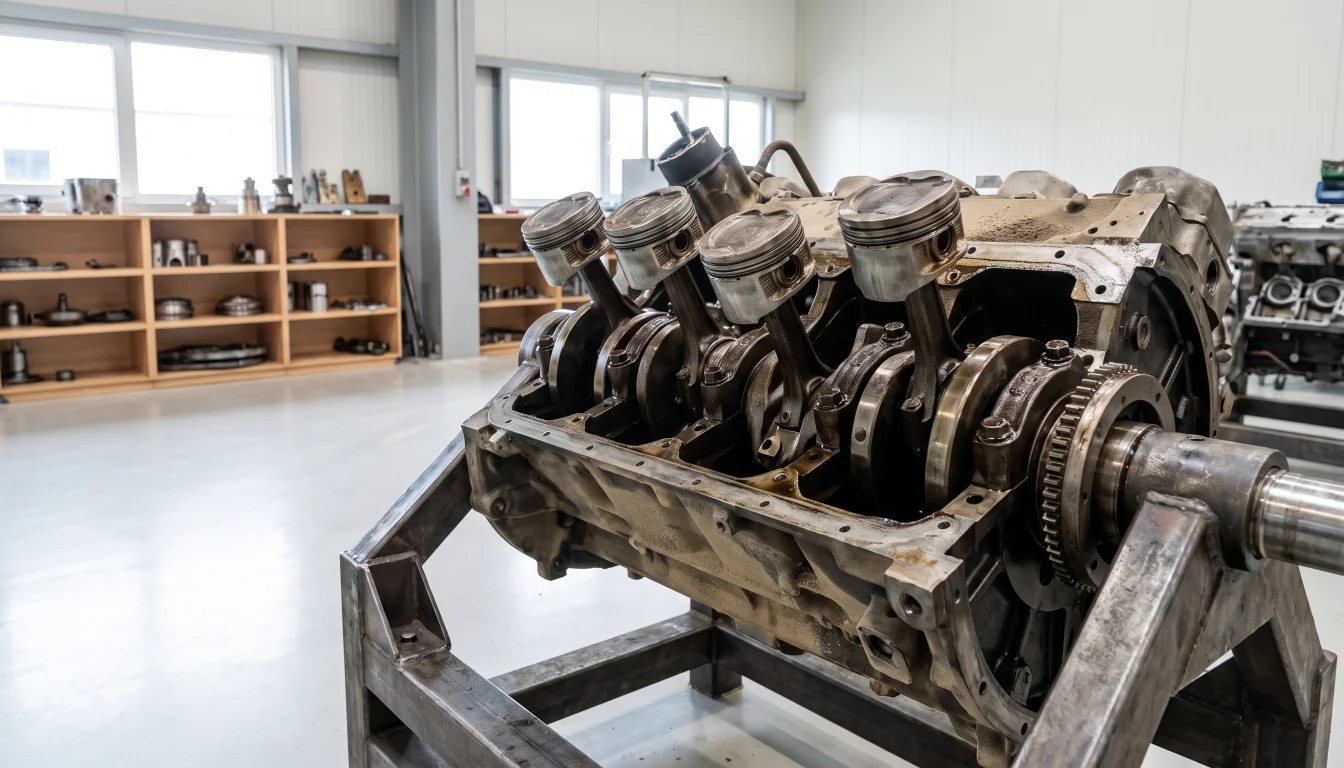
How to Maintain Heavy Machinery Parts in 2026
Learn how to maintain heavy machinery parts with OEM schedules, fluid analysis, and proactive inspection. Cut downtime and costs. Shop 3genexport.com.
Loading article…
Article Not Found
The article you're looking for doesn't exist or may have been removed.
Back to BlogHow to maintain heavy machinery parts is the practice of applying scheduled inspections, OEM-specified fluid changes, and proactive wear-component replacement to keep equipment running at full capacity. Done consistently, this approach cuts unplanned downtime and controls long-term operating costs.
Key Takeaways
- Budget 2-6% of Replacement Asset Value (RAV) annually for parts maintenance to avoid surprise financial strain.
- Daily walk-around inspections are the single most effective tool for catching component wear before it becomes a failure.
- OEM fluid and filter intervals (250 hours for engine oil, 1,000 hours for hydraulic fluid) are the baseline. Adjust for severe conditions.
- Fluid analysis at every oil change detects internal wear metals and contamination before a breakdown occurs.
- Undercarriage costs can represent up to 20% of a tracked machine's total lifecycle cost. Inspect track tension daily.
- Telematics and condition-based monitoring move maintenance from fixed intervals to data-driven decisions, reducing unplanned stoppages.
The Importance of Proactive Parts Maintenance
Proactive parts maintenance is the difference between a fleet that earns revenue and one that sits idle waiting for emergency repairs. Heavy equipment maintenance is not simply about fixing what breaks. It is a strategic discipline that directly affects your operating budget, project timelines, and equipment resale value. When you neglect machinery parts, small issues escalate into major failures that halt operations and trigger costly emergency responses.
Why Reactive Maintenance Drains Your Budget
Waiting until a part fails almost always costs more than scheduled replacement. Unexpected breakdowns carry emergency labor rates, expedited freight charges for parts, and project delays that can trigger penalty clauses or lost contracts. Planned part replacements, by contrast, let you control costs, avoid premium pricing, and schedule work during off-peak hours. According to industry maintenance data, unplanned repair events typically cost 2-3 times more than the same work performed on a scheduled basis.
Calculating Your Maintenance Budget with the RAV Formula
According to industry guidance, equipment owners should budget 2-6% of their total Replacement Asset Value (RAV) for routine maintenance. This percentage shifts based on operating conditions and equipment type. Machines working in abrasive environments like quarries or open-pit mines will sit toward the higher end of that range. Applying this formula gives procurement managers a defensible, data-backed number when planning this type of parts without surprise financial strain.
Pros and Cons of Preventive Parts Maintenance
Pros
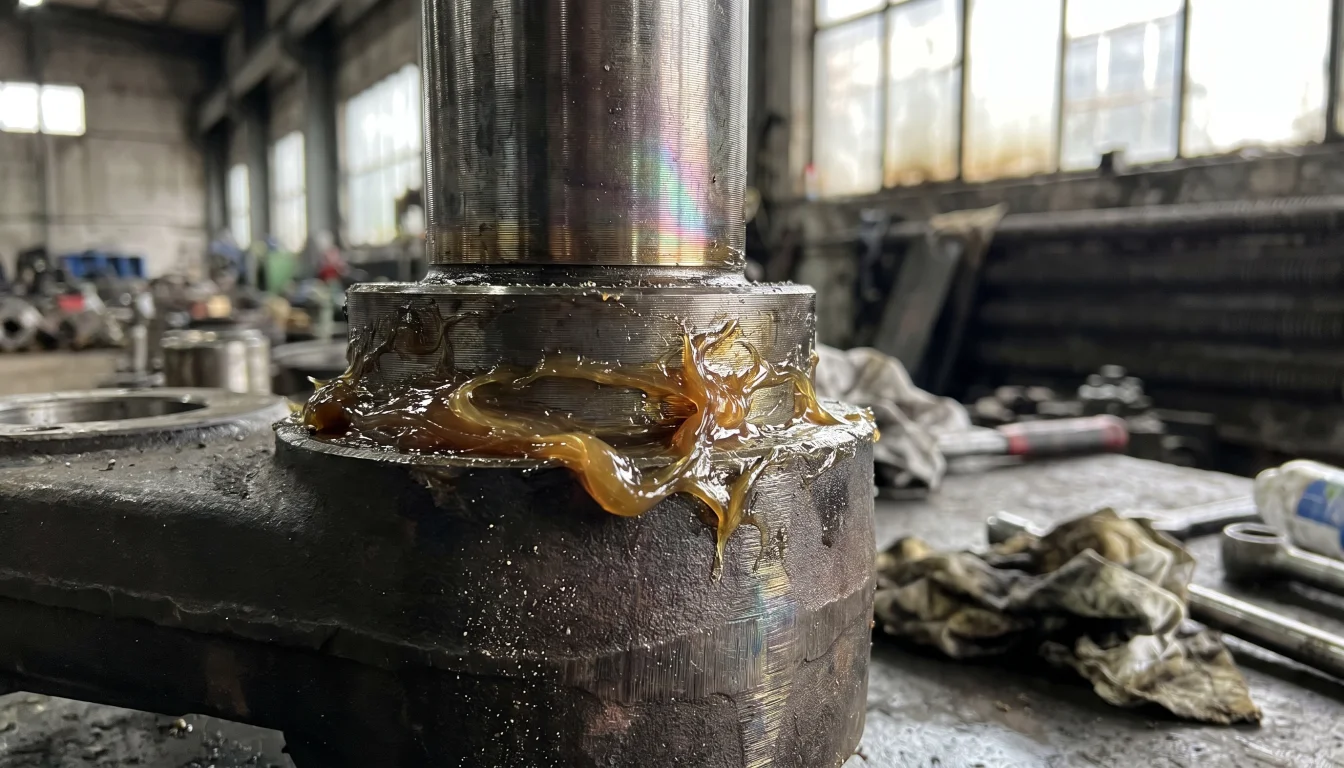
- Reduced downtime: Catching wear early keeps machines on the job instead of in the shop.
- Lower lifecycle costs: Planned replacements cost 2-3x less than emergency repairs, per industry maintenance data.
- Warranty protection: Following OEM service intervals preserves manufacturer warranty coverage on engines and hydraulic systems.
- Higher resale value: Documented maintenance history commands a premium at auction and in private sales.
- Operator safety: Well-maintained parts reduce the risk of sudden failures that endanger personnel on site.
Cons
- Upfront cost: Stocking critical spare parts and scheduling regular service intervals requires capital commitment.
- Administrative overhead: Tracking hour-meter intervals, fluid samples, and part numbers across a large fleet demands disciplined record-keeping.
- Potential over-maintenance: Fixed-interval schedules can lead to replacing parts that still have usable life, increasing material costs.
- Training requirement: Operators and technicians need consistent training to execute inspections correctly and recognize early warning signs.
Daily Inspections: Your First Line of Defense
Daily inspections are the most immediate and cost-effective method for catching parts wear before it becomes critical. A rigorous walk-around gives you consistent, documented data on component condition and is the foundation of any serious program for this kind of machinery parts. According to industry guidance, operators who follow structured pre-shift checklists identify developing faults at a fraction of the repair cost compared to those who skip the routine.
Pre-Operation Walk-Around Checklist
A comprehensive daily checklist should cover:
- Fluid levels: engine oil, hydraulic fluid, coolant, and fuel.
- Tire pressure and condition on wheeled machines.
- Track tension and undercarriage wear on tracked machines.
- All lights, indicators, and backup alarms.
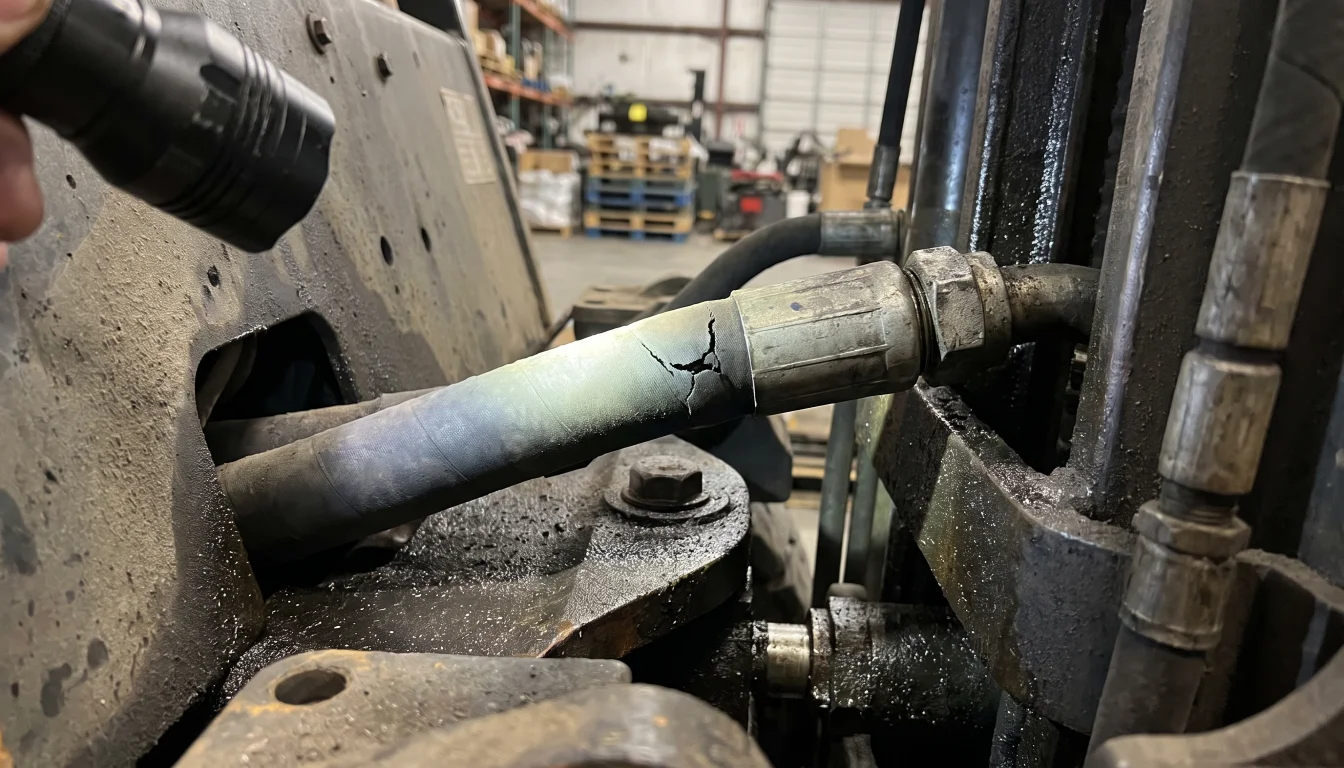
- Hoses and belts for cracks, leaks, or loose connections.
- Bucket teeth or cutting edges for wear depth.
- Air filter restriction indicator gauge.
- Exhaust color: blue smoke signals oil burning, black smoke indicates poor combustion.
Spotting Early Warning Signs
Beyond obvious physical damage, operators must listen for hissing, grinding, or clacking noises that signal bearing issues or hydraulic cavitation. Fluid leaks, even minor drips, point to seal failures that lead to catastrophic loss if ignored. Any discolored or thick exhaust fumes warrant immediate investigation, as they often precede engine component failure. Training operators to recognize these signals is one of the highest-return investments a fleet manager can make.
Lubrication and Fluid Management for Parts Longevity
Proper lubrication is the foundation of heavy machinery reliability. It reduces friction, dissipates heat, and flushes contaminants from critical mating surfaces. A disciplined fluid management program can extend the service life of engine, hydraulic, and drivetrain components by 15-25%, according to manufacturer specifications from leading OEMs including Caterpillar and Komatsu.
Choosing the Right Grease and Oil Grades
Not all lubricants perform equally under heavy-equipment operating conditions. These machines run under extreme pressures and temperatures, requiring specialized greases with EP (extreme pressure) additives and oils with the correct viscosity grade. Consult your OEM manual directly: many Caterpillar excavators specify SAE 15W-40 for engine oil and Cat Advanced 10 or equivalent for hydraulic systems. Using the wrong oil grade leads to inadequate film strength and accelerated wear on precision components.
Fluid Sampling and Analysis Programs
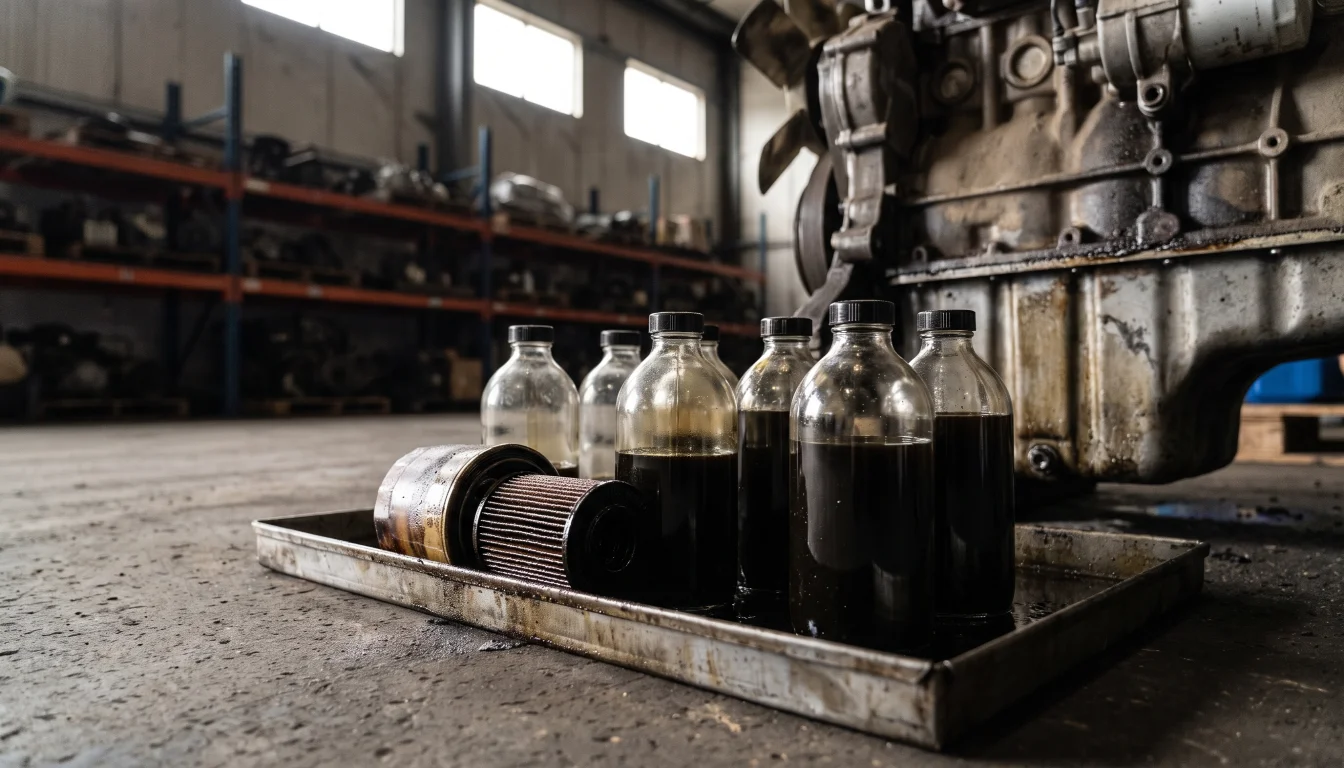
Fluid analysis is one of the most powerful predictive tools available for the to maintain heavy machinery parts. By regularly sampling engine oil, hydraulic fluid, and coolant, you can detect wear metals, fuel dilution, or coolant ingress before they cause damage. Elevated copper levels, for example, may indicate thrust bearing wear. Elevated silicon points to dirt ingress through a compromised air filter. Most OEM dealerships and independent labs offer analysis kits. Integrating this into your maintenance schedule can prevent unscheduled teardowns that cost 3-5x more than planned overhauls.
"Fluid analysis is the closest thing to a blood test for your equipment. It tells you what's happening inside before you ever open the machine." - Industry maintenance specialist, per SAE International technical guidance on condition-based maintenance programs.
Filtration Systems: Protecting Vital Components
Contamination is the primary enemy of tight-tolerance parts in engines, hydraulics, and fuel systems. A structured filter replacement schedule is one of the most cost-effective ways to protect expensive components like injection pumps, hydraulic servo valves, and turbochargers. Replacing a filter on schedule costs a fraction of replacing the component it protects.
Air Filter Maintenance Schedules
Air filters trap dust and debris that score cylinder walls and accelerate ring wear. On heavy equipment operating in dusty conditions, primary air filter elements may need cleaning or replacement every 50 hours. Secondary elements typically last 500-1,000 hours. Always check the restriction indicator: if it shows a high reading, service the filter immediately regardless of hour count. This is especially critical for Komatsu and Volvo machines operating in desert or quarry environments.
Hydraulic and Fuel Filter Replacements
Hydraulic filters prevent contaminants from damaging sensitive servo valves and actuators. Replace them at every hydraulic oil change interval, commonly 1,000 hours but as low as 500 hours for high-pressure piston pump systems. Fuel filters require changes roughly every 250 hours to prevent injector deposits that reduce engine efficiency and increase fuel consumption. For Atlas Copco drilling equipment and similar high-cycle machines, tighter intervals are often warranted.
Undercarriage and Ground-Engaging Parts: A Maintenance Priority
The undercarriage can account for up to 20% of a tracked machine's total lifecycle cost, making it one of the highest-priority areas for parts. Proactive inspection and timely replacement of wear parts like tracks, sprockets, and idlers is essential to avoid premature failure and costly downtime on excavators, dozers, and crawler cranes.
Track Tension and Sprocket Inspection
Incorrect track tension accelerates pin and bushing wear faster than almost any other operating error. Sag should be checked daily and adjusted per manufacturer specifications. Sprockets should be inspected for shark-fin wear patterns: if teeth are pointed, immediate replacement is needed to prevent chain damage. Replacing sprockets at the 50% wear mark, rather than waiting for full wear-out, can extend overall track life significantly. Per OEM service bulletins for Caterpillar D-series dozers, track sag tolerances are typically specified in the 2-3 inch range depending on machine class.
Bucket Teeth and Cutting Edge Replacements
Worn bucket teeth increase material resistance, reduce productivity, and strain the machine's hydraulic system. Rotate or replace teeth when wear reaches 50% of the original profile. Cutting edges on blades and loader buckets should be replaced before they expose the parent material to abrasion. Genuine OEM wear parts ensure proper fit and correct heat treatment for maximum service life. For Volvo and Komatsu wheel loaders, using non-OEM bucket teeth has been shown to reduce attachment service life by a measurable margin, per manufacturer specifications.
Hydraulic System Parts Care
Hydraulic systems rely on precise clearances and clean fluid to function correctly. A single contamination event can compromise pumps, cylinders, and valves, resulting in repair bills that run into thousands of dollars. Protecting these components is central to any program for how to maintain heavy machinery parts on excavators, cranes, and loaders.
Hose and Cylinder Inspection
Inspect all hoses weekly for signs of abrasion, cracking, or bulging. Pay close attention to hose bends and clamp areas, where fatigue failures concentrate. Cylinder rods should be checked for scoring or pitting. Even minor rod damage tears seals and introduces contaminants into the system. Protecting rods with physical guards and wiping them clean before retraction reduces premature seal failure substantially.
Contamination Control in Hydraulics
Maintaining an ISO cleanliness code of 18/15 or better is critical for hydraulic system longevity. Use dedicated filler caps with breathers, and never open the reservoir without a portable filter cart. Always cap open ports when replacing hoses or components. Regular fluid sampling and particle counting help maintain system health. If particle counts spike, investigate immediately and replace filters before the contamination reaches downstream components.
"Hydraulic contamination accounts for the majority of premature component failures in heavy equipment. Cleanliness is not optional - it is a maintenance discipline." - Per Caterpillar hydraulic system service documentation and SAE hydraulic cleanliness standards.
How to Maintain Heavy Machinery Parts with a Preventive Schedule
Moving from ad-hoc repairs to a structured preventive schedule is the most effective way to control long-term operating costs. A preventive program removes the guesswork from how to maintain heavy machinery parts by setting clear, documented intervals based on OEM recommendations and actual operating conditions.
Step 1: Compile a Complete Parts Inventory
List every serviceable part on each machine: filters (air, oil, fuel, hydraulic), belts, hoses, seals, wear items (teeth, cutting edges, scraper blades), fluids, and undercarriage components. Include OEM part numbers for every item. This inventory becomes your ordering reference and ensures you are never sourcing parts under pressure during a breakdown.
Step 2: Set Inspection and Service Intervals
Using the OEM hour meter, assign intervals to each part category. Standard baselines for most heavy equipment include: engine oil and filter every 250 hours; hydraulic oil and filters every 1,000 hours; primary air filter inspection and cleaning every 50 hours with replacement at 500 hours. Adjust all intervals downward for severe conditions involving dust, heat, or moisture. For mini excavators, manufacturers typically specify service checks at 8-10 hours (daily), 50 hours, 100 hours, 250 hours, 500 hours, 1,000 hours, and 2,000 hours.
Step 3: Implement Fluid Analysis and Documentation
Take fluid samples at every oil change and send them to a certified lab. Track trend data across samples: a gradual increase in metallic wear particles indicates a bearing or gear failure in progress. Use this data to schedule major overhauls before a breakdown forces your hand. Documentation also supports warranty claims and increases resale value.
Step 4: Schedule Part Replacements Proactively
Order parts before they are needed. Keep critical spares on hand: belts, hoses, a set of injectors, and common seal kits for your most-used machines. For high-wear items like tracks or bucket teeth, plan replacements during scheduled downtime windows to avoid interrupting production. At 3GEN Export, we supply OEM-quality spare parts for Caterpillar, Komatsu, Volvo, Atlas Copco, and 40+ other brands with global delivery in as few as 5 days, so you can stock critical spares without tying up excessive capital.
Step 5: Review and Optimize the Program
Every 12 months, analyze maintenance records, downtime incidents, and part longevity data. Adjust intervals if filters are being changed too early or if a particular hose model consistently fails before its expected service life. Continuous improvement reduces costs and increases fleet reliability year over year.
OEM vs. Aftermarket Parts: A Maintenance Perspective
The choice between OEM and aftermarket components directly affects maintenance outcomes and total cost of ownership. While purchase price is often the first consideration, long-term reliability and system compatibility are what determine whether a part saves or costs you money. The table below compares the key factors relevant to how to maintain heavy machinery parts effectively.
| Feature | OEM Parts | Aftermarket Parts |
|---|---|---|
| Fit & Tolerance | Exact specifications, guaranteed compatibility | May vary; could require modification |
| Material Quality | Manufacturer-approved alloys and heat treatments | Variable; some use inferior materials |
| Warranty | Typically 12-24 months, backed by brand | Variable; often limited to 90 days |
| Performance | Designed to meet original performance specs | May underperform under extreme loads |
| Cost | Higher initial purchase price | Lower purchase price, but potentially higher lifecycle cost |
| Availability | Wide dealer networks; can be backordered | Readily available from multiple suppliers |
| Risk of Failure | Lower; tested to OEM standards | Higher; product variability increases risk |
For mission-critical parts like engine pistons, hydraulic pumps, and undercarriage components, the premium for OEM is justified by reduced downtime and longer service intervals. For non-critical components like cab trim or aesthetic panels, quality aftermarket can be a reasonable cost-saving option. The key is knowing which category each part falls into before you order.
Telematics for Parts Condition Monitoring
Modern telematics systems go well beyond GPS tracking. They deliver real-time data on engine load, hydraulic pressure, oil temperature, and filter status, giving fleet managers the information they need to make data-driven decisions about when to service parts. This shifts maintenance from fixed-interval scheduling to condition-based action, which is a more precise approach to how to maintain heavy machinery parts across a large fleet.
Telematics alerts can flag an overheating engine, a clogged air filter, or impending hydraulic pump failure hours or days before the machine shows visible symptoms. That lead time lets you order replacement parts and schedule service before production stops. As of 2026, telematics adoption among mid-to-large construction fleets has grown substantially, with Caterpillar's Cat Product Link and Komatsu's KOMTRAX systems among the most widely deployed platforms globally.
Operator Training: The Human Side of Parts Maintenance
Equipment is only as well-maintained as the people operating and inspecting it. Operator training programs are a frequently overlooked element of how to maintain heavy machinery parts, yet they deliver measurable returns. An operator who understands what a hydraulic cavitation sound means, or who can identify a developing track tension problem during a walk-around, prevents failures that no maintenance schedule alone can catch.
Structured training should cover pre-shift inspection procedures, correct operating techniques that reduce component stress (avoiding over-revving, proper load management), and the correct way to report developing faults. OEM training programs from Caterpillar, Komatsu, and Volvo provide machine-specific modules. Many fleet operators also use third-party programs aligned with OSHA guidelines for equipment operation and inspection. Investing 8-16 hours per year in operator maintenance awareness training is one of the lowest-cost, highest-return actions available to a fleet manager.
Seasonal Parts Preparation
Extreme temperatures place unique stresses on heavy equipment components, and preparing your fleet for seasonal shifts is a non-negotiable part of how to maintain heavy machinery parts year-round.
Winterizing Heavy Machinery Parts
Cold weather thickens fluids, reduces battery capacity, and makes rubber and plastic components brittle. Before winter arrives, switch to lower-viscosity oils (5W-40 full-synthetic engine oil is a common choice for cold climates), install block heaters, and clean all electrical connections thoroughly. Inspect and replace any weather-cracked hoses and seals. Keep critical cold-weather spares on hand: glow plugs, starter motors, and battery sets for your most-used machines.
Summer Readiness and Off-Season Storage
High ambient temperatures push cooling systems to their operational limits. Clean radiator fins and intercooler surfaces to ensure efficient heat exchange. Check coolant concentration and pH; replace if out of specification. Inspect fan belts and clutch operation, and consider upgrading to high-capacity hydraulic coolers if you operate in hot climates.
For equipment that will sit idle for 30 days or more, proper storage preparation protects parts from corrosion and seal degradation. Drain and replace fluids before storage rather than after, since used oil contains acids that attack internal surfaces. Apply corrosion inhibitor to exposed metal surfaces, retract cylinder rods fully to protect seals, and store machines under cover where possible. Reconnect and run engines briefly every 2-4 weeks to circulate fluids and maintain battery charge. Following these steps means the machine is ready to work the day you need it, not the week after.
Summary: Mastering How to Maintain Heavy Machinery Parts
Effective parts maintenance is a blend of technical knowledge and operational discipline. By committing to daily inspections, following OEM intervals, using genuine components, training your operators, and applying technology like telematics and fluid analysis, you convert maintenance from a cost center into a competitive advantage. The core of how to maintain heavy machinery parts is consistency: every hour spent on prevention returns many hours of productive uptime and protects your capital investment.
Shop OEM-quality spare parts for Caterpillar, Komatsu, Volvo, Atlas Copco, and 40+ brands with global 5-day delivery at 3genexport.com. Our team is ready to help you source the right part, at the right spec, when you need it.
Frequently Asked Questions
What are the most critical heavy machinery parts to maintain regularly?
Engine oil and filters, hydraulic fluid and filters, air filters, undercarriage components, and fuel system parts demand the most consistent attention. Regular maintenance of these components directly prevents the major system failures that cause extended downtime and expensive emergency repairs.
How often should I change hydraulic fluid in heavy equipment?
Most manufacturers recommend hydraulic fluid and filter changes every 1,000 hours under standard operating conditions. Severe-duty applications, including high-cycle or high-contamination environments, may require 500-hour intervals to prevent contamination buildup and protect servo valves and pumps.
Can I use aftermarket filters instead of OEM filters?
Aftermarket filters may physically fit, but OEM filters are engineered with exact micron ratings and bypass valve settings designed to protect sensitive components. Using non-OEM filters can void engine warranty coverage and increase the risk of contamination reaching critical parts.
What are the signs that a heavy machinery part needs immediate replacement?
Unusual noises (grinding, knocking, or hissing), visible fluid leaks, loss of performance, excessive vibration, or visible damage like cracks or deformation all signal urgent replacement. Do not operate the machine until a qualified technician has inspected and cleared it.
What is the 10% maintenance rule for heavy equipment?
The 10% rule is a budgeting guideline suggesting annual maintenance costs should not exceed 10% of the equipment's replacement value. It aligns with the RAV (Replacement Asset Value) method and helps owners plan preventive upkeep without overspending relative to the asset's worth.
What are the 4 P's of maintenance?
The 4 P's of maintenance are People, Parts, Procedures, and Planning. Together they form the operational framework for any effective maintenance program: trained personnel, the right components on hand, documented service procedures, and a forward-looking schedule that anticipates needs before failures occur.