
Hydraulic Cylinder Seals for Heavy Equipment Guide
Choosing hydraulic cylinder seals for heavy equipment? Compare seal types, materials, sizing, and pricing to cut downtime and repair costs in 2026.
Loading article…
Article Not Found
The article you're looking for doesn't exist or may have been removed.
Back to BlogHydraulic cylinder seals for heavy equipment are precision-engineered components that block fluid leakage and maintain system pressure inside excavators, loaders, and other machinery. Without them, a cylinder simply cannot hold load or move with control.
Key Takeaways
- Hydraulic cylinder seals for heavy equipment prevent leaks and maintain the pressure that lets cylinders lift, push, and hold loads.
- Seal material selection depends on fluid type, temperature range, and the operating environment on your job site.
- Routine inspections and timely seal replacement extend cylinder life and cut unplanned downtime.
- Accurate bore and rod measurements are non-negotiable when ordering hydraulic cylinder seals for heavy equipment.
- Sourcing from reputable suppliers with OEM-standard tolerances reduces the risk of premature seal failure.
- Global buyers should factor lead time and shipping speed into procurement decisions, especially for fleet-critical machines.
"Hydraulic cylinder seals are vital for the efficiency and longevity of heavy machinery. Selecting the right seals ensures optimal performance and minimizes operational disruptions." - Industry Expert
Understanding Hydraulic Cylinder Seals
Hydraulic cylinder seals are the sealing components inside a cylinder assembly that stop fluid from escaping and keep contaminants out. They're essential in construction machinery, agricultural implements, and industrial equipment, and they're engineered to survive high pressure cycles and rough field conditions without losing shape or elasticity.
We've handled enough failed seal calls to know the story rarely changes. An operator notices a slow leak, keeps working anyway, and by the time the machine finally gets pulled off the line, what should've been a $30 seal kit has turned into a scored rod and a bore that needs honing. Hydraulic cylinder seals for heavy equipment are cheap insurance against exactly that scenario.
Types of Hydraulic Cylinder Seals
- Piston Seals: These seals maintain sealing contact between the piston and the cylinder bore, preventing fluid from bypassing the piston under pressure.
- Rod Seals: Rod seals close the gap between the moving piston rod and the cylinder head, keeping hydraulic fluid inside the system.
- Wiper Seals: Wiper seals keep dirt, dust, and debris out of the cylinder, protecting the rod and internal seals from abrasive wear.
- Backup Rings: These rings support the primary seal, preventing extrusion into the clearance gap under high pressure.
Materials Used in Hydraulic Cylinder Seals
Material choice depends heavily on the fluid type, temperature range, and chemical exposure the seal will face on the job. Common options include:
- Nitrile (Buna-N): Strong resistance to petroleum-based hydraulic fluids, making it a common default for general-purpose applications.
- Viton: Handles high heat and aggressive chemicals better than nitrile, suited for harsh or high-temperature environments.
- Polyurethane: Excellent wear resistance, frequently specified for dynamic sealing where abrasion is a concern.
- PTFE (Teflon): Low friction and strong chemical resistance, often chosen for high-performance or high-speed cylinders.
What to Look For When Buying Hydraulic Cylinder Seals
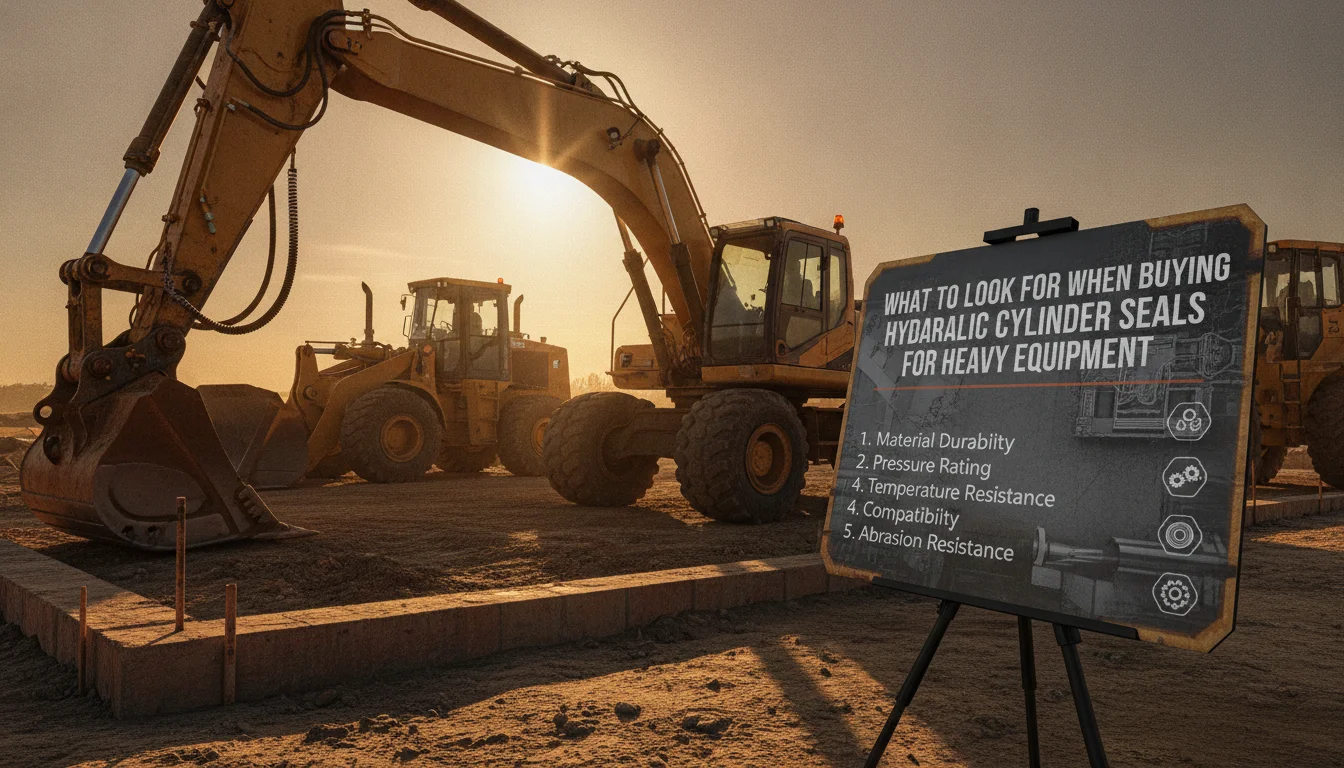
The right hydraulic cylinder seals for heavy equipment match fluid compatibility, exact bore and rod dimensions, seal type, and supplier quality to your specific machine and duty cycle. Skipping any one of these steps invites premature failure.
1. Material Compatibility
Confirm the seal material works with both the hydraulic fluid and the operating environment. Equipment running in high heat or exposed to aggressive chemicals should use Viton or PTFE rather than standard nitrile.
2. Size and Fit
Accurate sizing is non-negotiable. Measure the bore diameter and rod diameter of the cylinder before ordering, and cross-check against supplier catalogs that list seal sizes by cylinder model, as seen with suppliers like Magister Hydraulic and Hercules Sealing Products.
3. Seal Type
Match the seal type to the application's pressure and motion profile. High-pressure cylinders typically need piston seals rated specifically for that pressure range, not a generic substitute.
4. Quality and Brand Reputation
Buy from manufacturers with a track record for consistent tolerances and material quality. Hercules Sealing Products and SKF are two names that show up repeatedly in fluid power circles, and SKF notes its seals are engineered using simulation software to model performance across cylinder components.
According to SKF's technical documentation, hydraulic seals are either molded or precision-machined depending on the application, with product lines covering piston, rod, buffer, and wiper seals along with guide rings and O-rings. That range matters because a mismatched seal type is one of the most common causes of early failure we see reported across the industry.
Care and Maintenance of Hydraulic Cylinder Seals
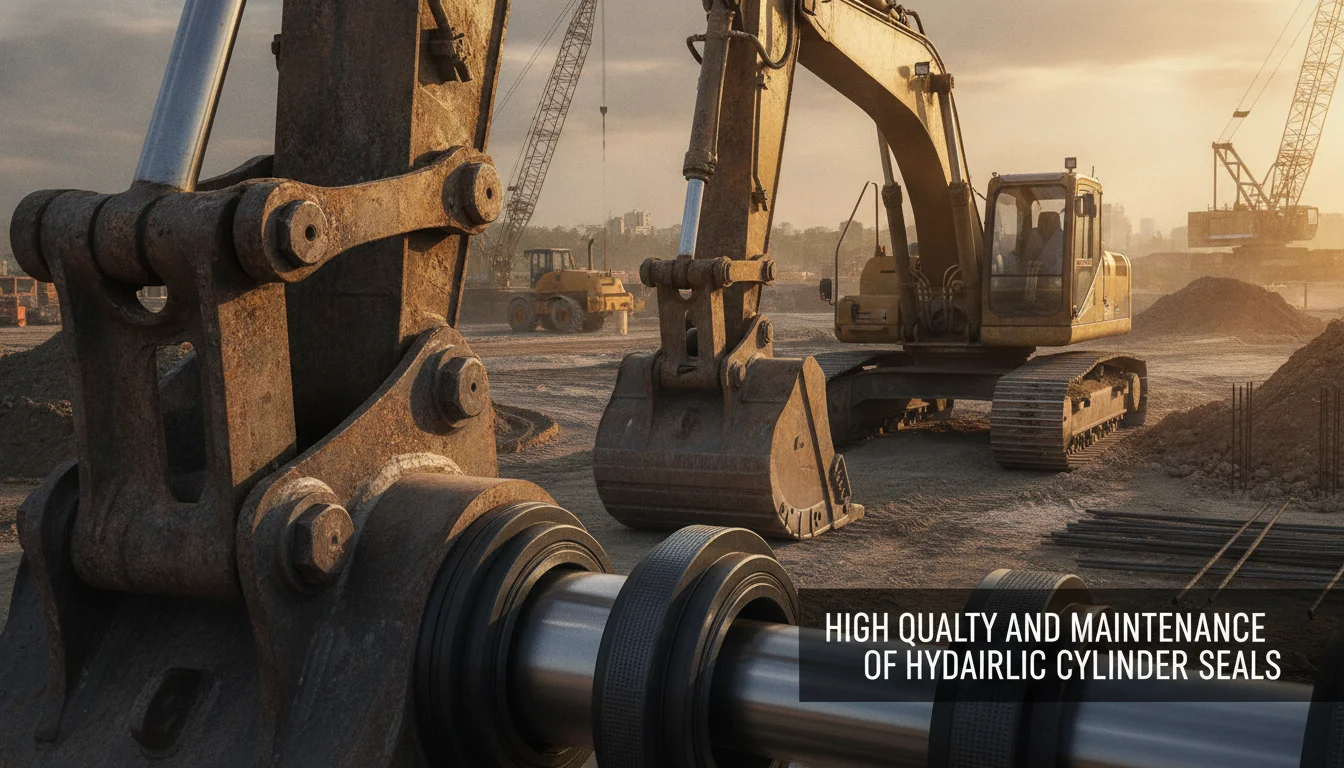
Proper maintenance means regular inspection, contamination control, and prompt replacement at the first sign of wear. Skipping any of these steps shortens seal life and raises the odds of a bigger repair bill down the line.
1. Regular Inspections
Check cylinders routinely for weeping, scoring, or visible wear on seals. Catching a small leak early prevents it from turning into rod damage or bore scoring that costs far more to fix.
2. Cleanliness
Keep the hydraulic system clean and make sure wiper seals are doing their job. Dirt and debris that get past a worn wiper seal will grind away at the rod surface and shorten the life of every seal behind it.
3. Timely Replacement
Replace seals the moment you spot wear or leakage. Waiting turns a routine seal kit swap into a full cylinder teardown, and that means more downtime and a bigger invoice.
Industry maintenance data consistently shows that machines running on a scheduled seal inspection program experience fewer unplanned hydraulic failures than those running seals until they visibly fail. A five-minute visual check during routine service is far cheaper than a field breakdown.
Comparison of Hydraulic Cylinder Seal Kits
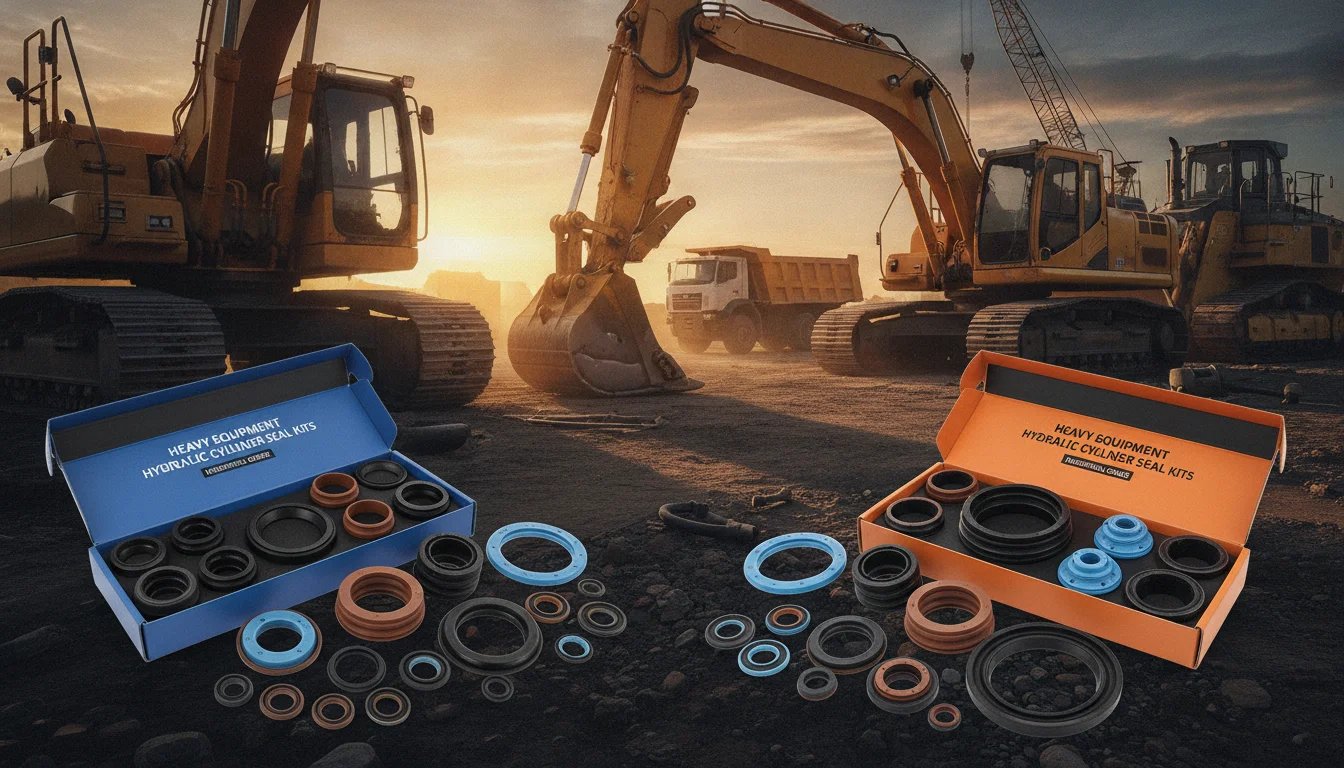
Below is a snapshot of how seal kit pricing and material options compare across suppliers referenced in current market listings.
| Brand | Seal Type | Material | Price Range | Availability |
|---|---|---|---|---|
| Hercules Sealing Products | Piston, Rod, Wiper | Nitrile, Viton | $10 - $500 | In Stock |
| RuggedMade | Piston, Rod | Polyurethane | $25 - $40 | In Stock |
| Magister Hydraulic | Repair Kits | Nitrile | $9 - $50 | In Stock |
| SKF | All Types | PTFE, Viton | $20 - $100 | Available on Order |
Pro Tip: Always order a complete kit rather than individual seals when rebuilding a cylinder. Backup rings and wipers wear at different rates than the primary seal, and replacing everything at once avoids a second teardown a few months later.
Pros and Cons
Pros
- Quality hydraulic cylinder seals for heavy equipment cost a fraction of a full cylinder rebuild.
- Wide material options let buyers match seals precisely to fluid type and climate.
- Seal kits are widely stocked, so most common bore and rod sizes ship quickly.
- Preventive seal replacement reduces unplanned equipment downtime on active job sites.
Cons
- Incorrect sizing or material selection leads to repeat failures and wasted labor.
- Specialty or large-bore seal kits may carry longer lead times than standard sizes.
- DIY installation without proper tools risks damaging the rod or bore surface.
- Low-quality aftermarket seals can degrade faster under high-pressure cycling than OEM-standard parts.
Topics We Still Get Asked About
Buyers frequently ask about sourcing hydraulic cylinder seals for heavy equipment by exact size rather than by brand. Most reputable suppliers, including RuggedMade and The O-Ring Store, organize catalogs by bore and rod diameter specifically because fitment, not brand loyalty, is what determines whether a kit works. As of 2026, cross-referencing OEM part numbers against aftermarket bore and rod specs remains the fastest way to confirm compatibility before ordering.
For global fleet operators, sourcing decisions also come down to logistics. A seal kit that's technically correct but takes three weeks to arrive doesn't help a mining operation with an idle excavator. This year, more procurement teams are consolidating orders with suppliers who stock OEM-standard parts across multiple brands and can commit to fast international shipping, rather than juggling several regional vendors per equipment brand.
If you're sourcing for a mixed fleet across Caterpillar, Komatsu, Volvo, and Atlas Copco machines, check our hydraulic parts category and browse by brand to find OEM-standard seal kits matched to your exact model. Our related guide on excavator hydraulic cylinder maintenance covers teardown and rebuild steps in more depth, and our piece on choosing OEM vs aftermarket parts is worth a read before you commit to a supplier.
Frequently Asked Questions
What type of seals are used in hydraulic cylinders?
Hydraulic cylinders typically use piston seals, rod seals, wiper seals, and backup rings to prevent leaks and maintain pressure. Each type protects a different part of the cylinder assembly, and most rebuild kits include all four.
Where can I buy hydraulic cylinder seals?
Hydraulic cylinder seals can be purchased from specialized suppliers such as Hercules Sealing Products, RuggedMade, Magister Hydraulic, and global part suppliers like 3GEN Export that stock OEM-standard kits for major equipment brands. Online marketplaces also carry seal kits, though fitment accuracy varies by vendor.
How do I size hydraulic cylinder seals?
To size hydraulic cylinder seals, measure the bore diameter and rod diameter of the cylinder precisely, then cross-reference those measurements against a manufacturer or supplier catalog. Many suppliers also let you search by cylinder model number for a faster match.
What is the average price range for hydraulic cylinder seals?
Pricing for hydraulic cylinder seal kits generally runs from around $10 to $500, depending on bore size, seal type, and material. Standard nitrile kits for common bore sizes sit at the lower end, while large-bore or specialty PTFE kits cost more.
How often should hydraulic cylinder seals be replaced?
Replace hydraulic cylinder seals at the first sign of wear or leakage rather than waiting for full failure. Regular visual inspections during routine maintenance help you catch problems before they escalate into rod or bore damage.
What are the signs of a failing hydraulic cylinder seal?
Common signs of a failing hydraulic cylinder seal include visible fluid leaks around the rod or cylinder head, reduced lifting or pushing force, and slower or jerky cylinder movement. Visible wear, cracking, or hardening of the seal material during inspection is another clear warning sign.
Shop OEM-quality spare parts with global 5-day delivery at 3genexport.com. Our team sources hydraulic cylinder seals for heavy equipment across 40+ brands, so your fleet stays in motion instead of sitting in the yard.