
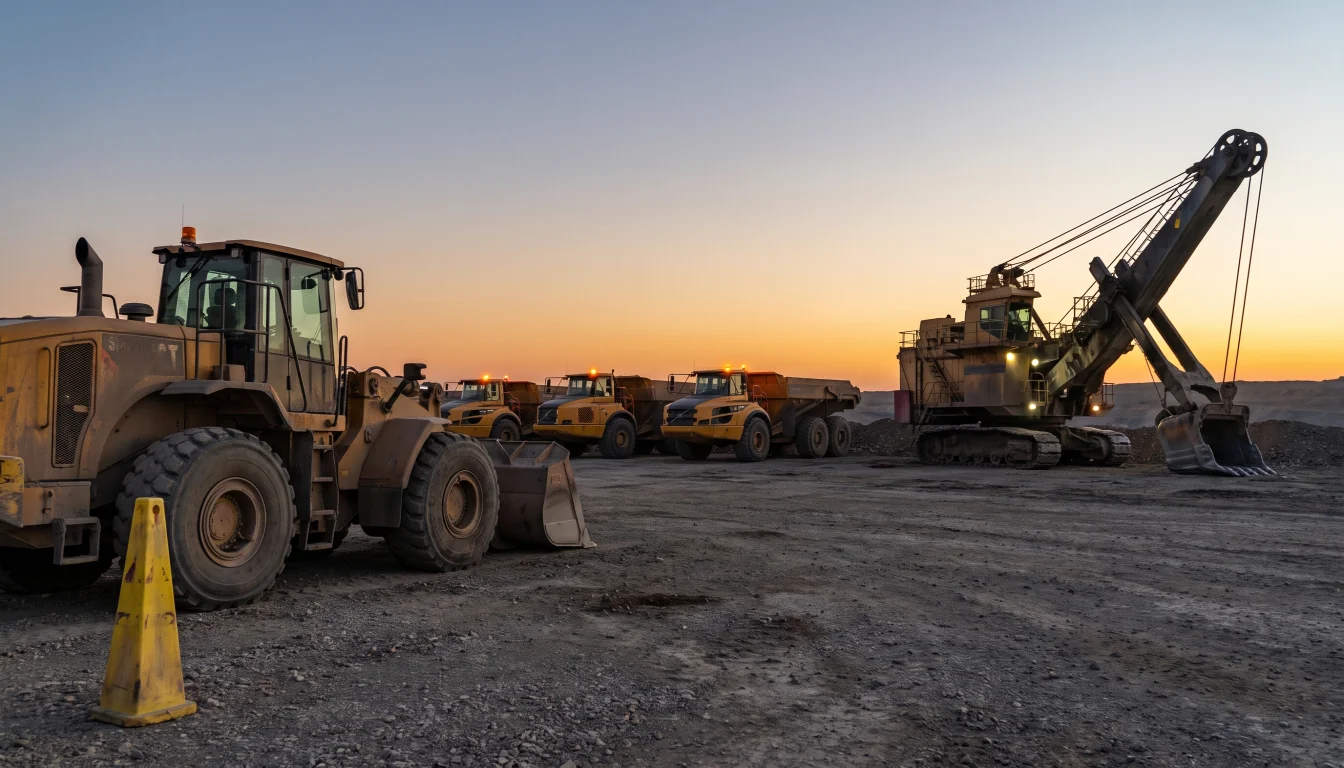
Industrial Mining Equipment Safety Standards 2026
Industrial mining equipment safety standards: MSHA rules, electrical testing, inspection protocols, and compliance steps for safer, cost-effective operations.
Loading article…
Article Not Found
The article you're looking for doesn't exist or may have been removed.
Back to BlogIndustrial mining equipment safety standards are mandatory regulations and best practices enforced by agencies like MSHA to prevent accidents, protect workers, and ensure operational integrity across all mine types.
Key Takeaways
- MSHA's final rule requires all surface mines to implement written safety programs for mobile equipment, effective 2024.
- Powered haulage and machinery account for the majority of mining fatalities in recent MSHA reporting periods.
- Electrical hazards in mining cause fatality rates 8 to 12 times higher than in other industries, per U.S. Bureau of Labor Statistics data.
- Federal law mandates MSHA inspections at least 2 times per year for surface mines and 4 times for underground mines.
- Compliance with ASTM and MSHA rubber goods testing schedules is critical for electrical safety on any mine site.
- Companies that exceed minimum compliance standards typically see 15-25% lower incident rates, reducing workers' compensation costs and equipment downtime.
1. Understanding Industrial Mining Equipment Safety Standards
What Are Industrial Mining Equipment Safety Standards?
safety standards are legally binding requirements and voluntary best practices governing the design, maintenance, and operation of machinery used in mining. These standards address the inherently high risks of heavy earth-moving equipment, crushing machinery, electrical systems, and automated processes. In the United States, the Mine Safety and Health Administration (MSHA) enforces these standards under the Federal Mine Safety and Health Act of 1977, as amended by the MINER Act of 2006. Coverage spans everything from brake performance and backup alarms to rubber insulating glove testing and proximity detection systems.
Why Are These Standards So Critical?
Mining remains one of the most hazardous industries globally. According to the U.S. Centers for Disease Control and Prevention (CDC), over 40% of severe mining accidents in the early to mid-2000s were machine-related. In a single recent reporting year, the mining industry recorded 40 fatalities: 16 classified as machinery-related and 10 as powered haulage accidents. this type of standards directly target these leading causes of death and injury. Without rigorous enforcement, operators face tragic human costs, significant legal liabilities, production shutdowns, and lasting reputational damage.
"Adherence to this kind of safety standards isn't just about regulatory compliance. It's the foundation of a sustainable mining operation. Every inspection, every test, every written procedure saves lives."
"According to MSHA enforcement data, mines that implement proactive written safety programs consistently outperform reactive operations on every measurable safety metric, from lost-time incidents to equipment failure rates."
2. Regulatory Bodies Governing Mining Equipment Safety
The Role of MSHA in the United States
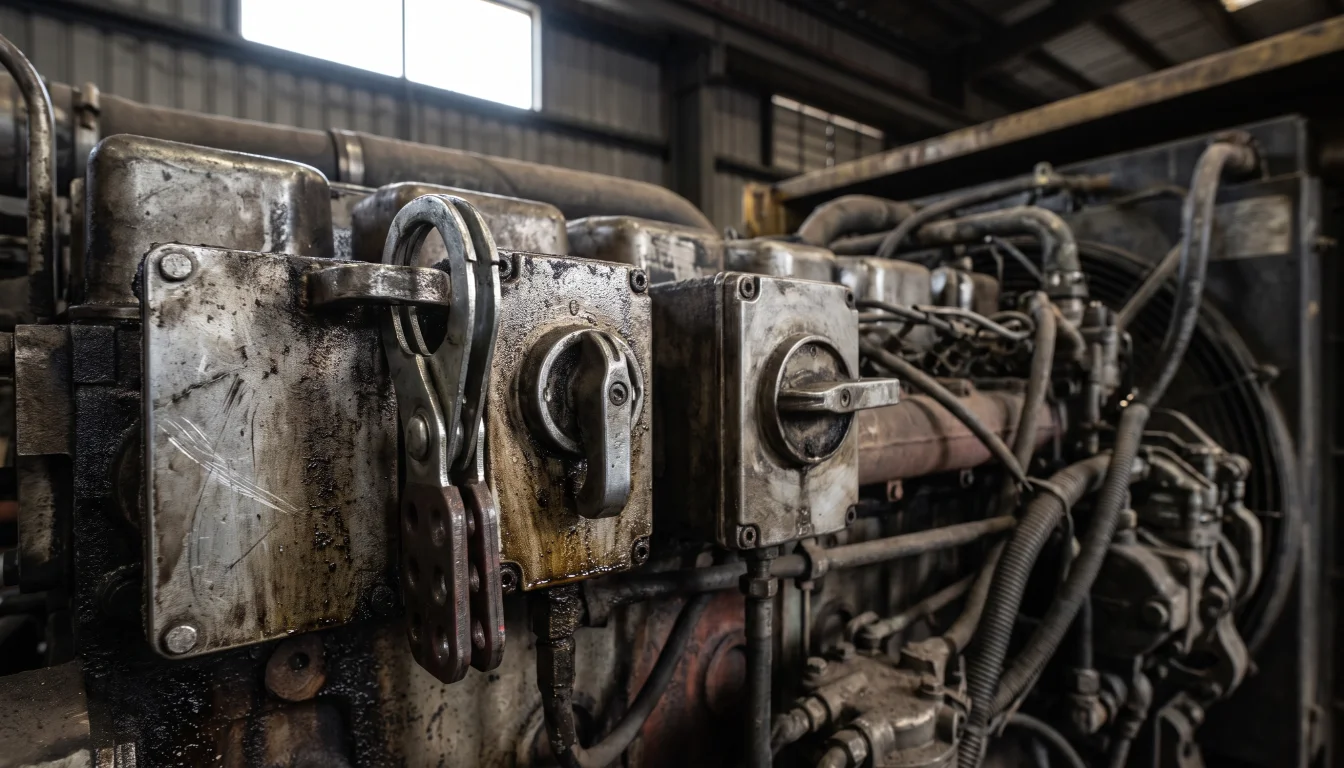
The Mine Safety and Health Administration (MSHA) is the primary federal agency responsible for enforcing safety and health regulations across all U.S. mines. Under the Mine Act, MSHA must inspect each surface mine at least 2 times per year and each underground mine at least 4 times per year. As of 2015, MSHA's jurisdiction covered approximately 350,000 miners and over 13,000 mines. The agency issues citations for any violation of mandatory safety standards, including those related to equipment. Its recent final rule on surface mobile equipment safety programs marks a significant step in formalizing the mining equipment safety standards for powered haulage operations.
International Regulatory Frameworks
Globally, other nations enforce their own mining equipment safety regulations. In the United Kingdom, the Health and Safety Executive (HSE) administers the Mines Regulations 2014, focusing on explosives, lifting procedures, and incident reporting. Australia's Department of Industry, Science, Energy and Resources (DISR) promotes safety alongside sustainable resource development. In Canada, Natural Resources Canada (NRCan) works with provincial authorities to mandate equipment standards. The European Union allows member states to set their own rules within broad directives. Beyond national frameworks, ISO 19296 provides an internationally recognized standard for mining machinery safety, covering design requirements and risk assessment methods that complement local regulations. Despite these differences, the core objective remains consistent: enforce standards that protect workers and the environment.
3. Key Components of Mining Equipment Safety Compliance
Personal Protective Equipment (PPE) Requirements
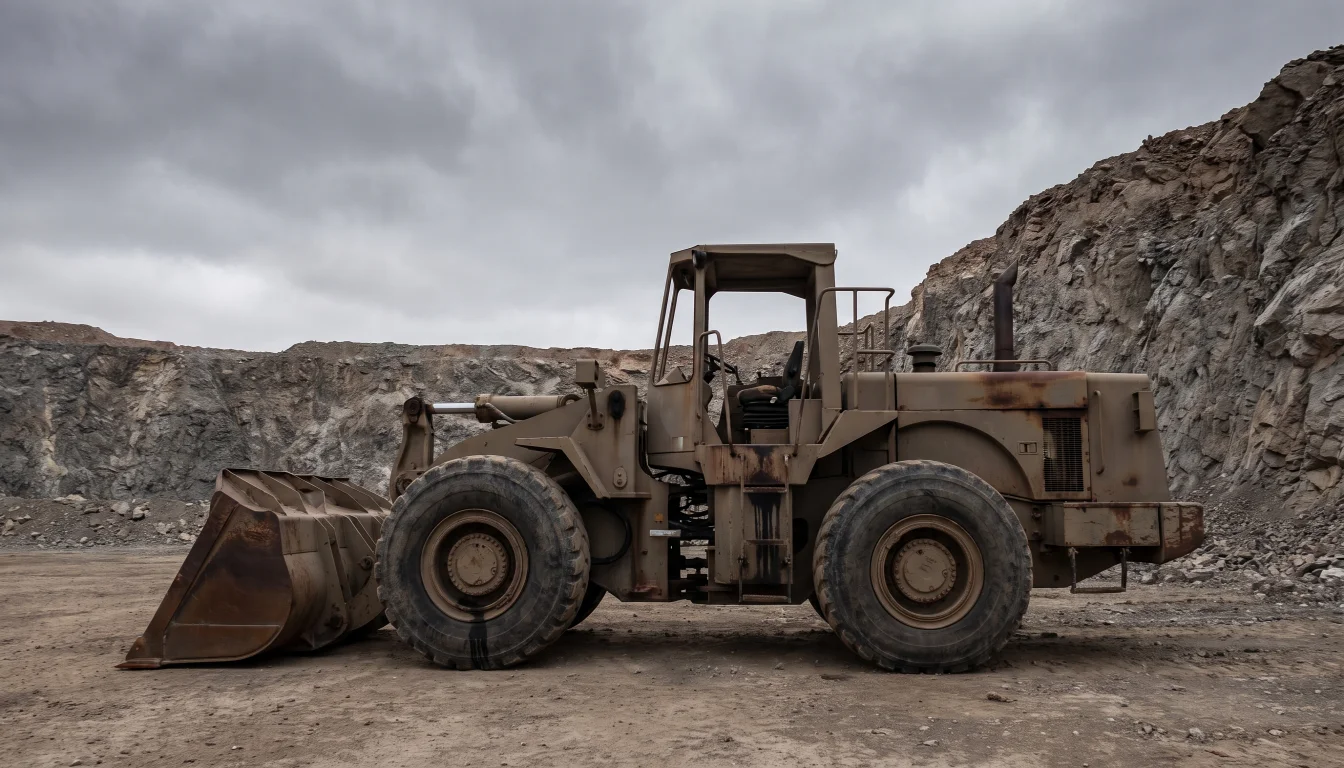
PPE serves as the first line of defense against mining hazards such as dust, chemicals, falling debris, and noise. MSHA regulations require mine operators to provide and enforce the use of appropriate PPE, including hard hats, safety glasses, mining boots, respirators, reflective vests, gloves, and earplugs. All PPE must be regularly inspected, maintained, and replaced when damaged. Compliance with industrial mining in this area ensures workers are shielded from the immediate physical dangers present in every mining environment.
Equipment Maintenance and Inspection Protocols
Heavy machinery including haul trucks, hydraulic shovels, and drill rigs must undergo systematic maintenance to prevent failures. MSHA requires that safety defects on any equipment be corrected before use, and records of all examinations must be retained. A typical protocol includes daily pre-shift inspections, weekly detailed checks, and monthly comprehensive reviews. For electrical equipment, specific testing intervals are mandated by ASTM and MSHA standards. Integrating these protocols into a written safety program is now mandatory for surface mobile equipment under the new MSHA rule.
4. MSHA's Final Rule for Surface Mobile Equipment Safety Programs
What the Rule Requires from Mine Operators
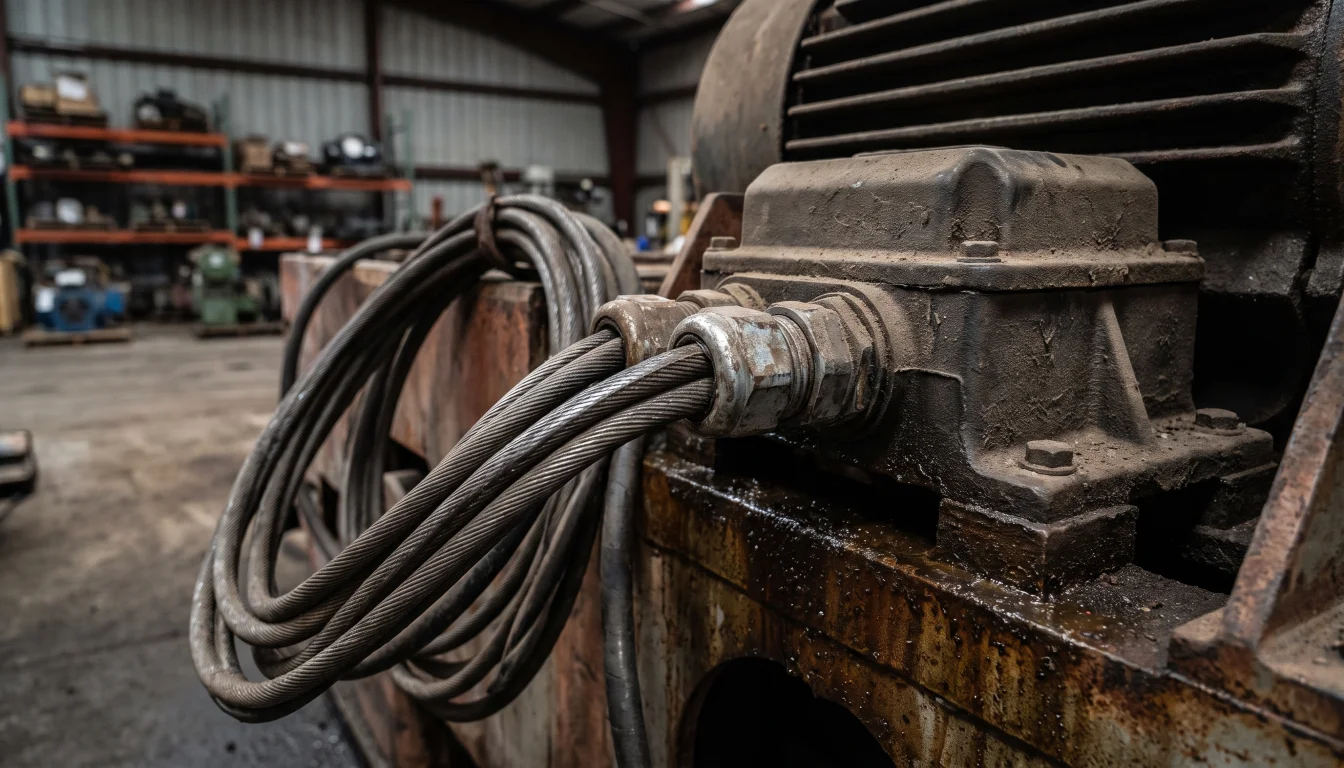
MSHA's final rule, effective 2024, requires mine operators to develop a written safety program for surface mobile equipment at surface mines and surface areas of underground mines. The program must include input from miners and their representatives, identify hazards and risks, and establish procedures for safe operation, maintenance, and inspection. This rule does not cover belt conveyors but applies to all other mobile equipment on site. It represents a significant shift in safety standards, moving from reactive enforcement to proactive risk management.
The Impact on Powered Haulage Fatalities
Powered haulage equipment and machinery have been the leading causes of serious and fatal mine accidents for years. In the year the rule was introduced, MSHA recorded 40 mining fatalities, including 16 classified as machinery-related and 10 as powered haulage fatalities. By mandating written safety programs that involve workers directly in hazard identification, the rule aims to reduce these numbers substantially. Early compliance assistance from MSHA district managers included stakeholder meetings and the release of program templates, emphasizing a collaborative approach to raising safety standards across the industry.
5. Electrical Safety Standards for Mining Equipment
Rubber Goods Testing per ASTM and MSHA Standards
Electrical fatalities in mining occur at a rate 8 to 12 times higher than in other industries, according to the U.S. Bureau of Labor Statistics (BLS). To address this, MSHA enforces strict testing schedules for rubber insulating goods under 30 CFR Part 77.606. These goods must be tested by a NAIL for PET-accredited laboratory according to ASTM standards. The required testing frequencies are:
| Equipment | Testing Frequency |
|---|---|
| Rubber gloves | Once each month |
| Rubber sleeves | Once every 3 months |
| Rubber blankets | Once every 6 months |
| Line hose and insulator hoods | Once a year |
| Other electric protective equipment | Once a year |
Rubber gloves must never be stored wrong side out, and blankets must be rolled when not in use. Daily visual inspections for defects are mandatory before any electrical work begins.
Reducing Electrical Fatalities with Compliance
Adhering to this type of standards for electrical systems dramatically reduces the risk of arc flash, shock, and electrocution. High-quality rubber goods, when properly tested and stored, provide a reliable barrier against high-voltage currents. MSHA's emphasis on third-party accredited testing ensures all equipment meets the rigorous ASTM F496 and F478 standards. Mine operators who invest in stringent electrical safety protocols not only comply with federal law but also build a culture of safety that extends to every worker handling energized equipment.
6. The Role of Technology in Advancing Safety Standards
Proximity Detection and Collision Avoidance Systems
Modern this kind of safety standards increasingly incorporate advanced technologies like proximity detection systems. These systems use radar, cameras, and electromagnetic sensors to alert operators when personnel or other vehicles enter a dangerous zone. MSHA's Powered Haulage Safety Initiative actively encourages the adoption of such technology to prevent striking and pinning accidents, which rank among the most common causes of death in surface mining. While not yet universally mandated, many leading mining companies now install collision avoidance as a standard feature on all new heavy equipment purchases.
Automation and Remote Operation Enhancing Worker Safety
Automation removes workers from high-risk environments entirely. Remote-controlled dozers, autonomous haul trucks, and robotic drill rigs are becoming more common in large-scale operations. By reducing human exposure to hazards like rock falls, machinery entanglement, and dust, these technologies raise the baseline of safety compliance. The integration of automation with real-time monitoring systems allows operators to track equipment health and performance from a safe distance, embedding the mining equipment safety standards into every phase of operation.
7. Practical Steps for Ensuring Equipment Compliance on Your Site
Developing a Written Safety Program
The foundation of compliance with standards is a comprehensive, written safety program. MSHA's final rule requires that this document be developed with input from miners and their representatives. It must include:
- Hazard identification: A systematic assessment of all equipment-related risks.
- Safe operating procedures: Clear instructions for every piece of mobile equipment.
- Maintenance schedules: Intervals for inspection, testing, and replacement.
- Emergency response plans: Protocols for accidents, fires, and evacuations.
- Training requirements: Mandatory initial and refresher training for all operators.
This plan should be reviewed and updated at least annually, or whenever new equipment is introduced to the fleet.
Conducting Regular Equipment Inspections
MSHA requires workplace examinations to identify safety defects before work begins. A step-by-step equipment inspection process includes:
Step 1: Perform a visual walk-around to check for obvious damage, leaks, or wear.
Step 2: Test all safety devices, including backup alarms, horns, lights, and emergency stops.
Step 3: Inspect critical components: brakes, steering, hydraulic lines, and electrical cables.
Step 4: Check fluid levels, tire pressure, and structural integrity.
Step 5: Document findings in a log, noting any defects that must be corrected before use.
Step 6: Sign off on the inspection and file the record per MSHA retention requirements.
Training Miners on Equipment Safety Protocols
Even the best standards fail without a trained workforce. MSHA mandates that all miners receive initial training and annual refresher training. Equipment-specific training should cover hazard recognition, proper use of PPE, and emergency procedures. Regular toolbox talks and monthly safety meetings reinforce the message. When workers are equipped to identify and report hazards, the entire safety culture improves, directly supporting the effectiveness of industrial mining equipment safety standards across the operation.
8. Mine Emergency Response and Environmental Compliance
Mine Emergency Response Plans (MERP)
A Mine Emergency Response Plan is a structured document that outlines procedures for responding to fires, explosions, inundations, and other catastrophic events. The MINER Act of 2006 requires underground coal mines to have emergency response plans approved by MSHA, covering rescue teams, communication systems, and refuge chambers. As of 2026, MSHA continues to update guidance on MERP requirements to reflect advances in communication technology and rescue equipment. Surface mines, while not subject to the same MERP mandates, are strongly encouraged to maintain written emergency procedures as part of their broader industrial mining equipment safety standards compliance programs.
Environmental Regulations Intersecting with Equipment Safety
Industrial mining equipment safety standards don't exist in isolation from environmental rules. Equipment that leaks hydraulic fluid, diesel, or process chemicals can trigger violations under the Clean Water Act and EPA regulations governing stormwater runoff and erosion control. Mine operators must maintain equipment in a condition that prevents fluid releases into waterways or soil. Spill containment systems, secondary containment berms, and regular fluid system inspections are all part of a complete compliance program. Failing to address these intersections can result in dual citations from both MSHA and the EPA, compounding costs significantly.
9. Pros and Cons of Strict Safety Standards Compliance
Pros
- Reduced fatalities and injuries: Companies exceeding minimum compliance typically see 15-25% lower incident rates, per industry maintenance data.
- Lower operational costs: Fewer accidents mean fewer workers' compensation claims, reduced equipment downtime, and lower insurance premiums.
- Regulatory protection: Documented compliance reduces exposure to MSHA citations, fines, and potential mine shutdowns.
- ESG and investor appeal: Strong safety records satisfy Environmental, Social, and Governance criteria demanded by institutional investors.
- Talent retention: Miners prefer employers with proven safety cultures, reducing turnover in a tight labor market.
Cons
- Upfront compliance costs: Developing written safety programs, purchasing PPE, and scheduling third-party testing require initial capital investment.
- Administrative burden: Maintaining inspection logs, training records, and MSHA-required documentation demands dedicated personnel time.
- Technology adoption gaps: Smaller operations may struggle to fund proximity detection systems or autonomous equipment that larger competitors deploy routinely.
- Regulatory complexity: Navigating overlapping MSHA, EPA, and state-level requirements simultaneously can strain compliance teams at mid-size mines.
10. The Business Case for Exceeding Minimum Safety Standards
How Safety Compliance Reduces Operational Costs
Investing in robust safety programs yields measurable financial returns. Companies that exceed minimum compliance typically see 15-25% lower incident rates, which translates to fewer workers' compensation claims, reduced equipment downtime, and lower insurance premiums. A single fatal accident can cost a mine millions in fines, legal fees, and production losses. By contrast, proactive adherence to industrial mining equipment safety standards safeguards both human capital and the bottom line. The math is straightforward: prevention costs far less than remediation.
Safety as a Competitive Advantage in the Mining Industry
Mining firms with exemplary safety records attract better talent, secure community support, and satisfy ESG criteria demanded by investors. Demonstrating a commitment to leading safety standards, often going beyond what MSHA requires, can differentiate a company in a competitive market. Equipment manufacturers that design with advanced safety features also gain a commercial edge, as procurement managers seek machines that simplify compliance and protect workers. As of 2026, ESG reporting requirements are tightening globally, making safety performance a board-level priority at major mining companies.
How 3GEN Export Supports Your Safety Compliance
Maintaining industrial mining equipment safety standards depends directly on the quality of the parts keeping your machinery operational. At 3GEN Export, we supply OEM-standard spare parts for Caterpillar, Komatsu, Volvo, Atlas Copco, and 40+ other brands used in mining and construction worldwide. Our inventory covers hydraulic seals, brake components, electrical system parts, and inspection-critical wear items that directly affect MSHA compliance. With global delivery in as few as 5 days, we help procurement managers and fleet maintenance supervisors keep equipment inspection-ready without extended lead times. Explore our parts categories or browse by brand to find the components your operation needs. For deeper context on maintaining heavy equipment to OEM standards, see our guides on heavy equipment maintenance on the 3GEN Export blog.
Frequently Asked Questions
What is the CFR 30 standard?
CFR 30 (Code of Federal Regulations, Title 30) contains all mandatory safety and health standards for U.S. mining operations enforced by MSHA. It covers surface and underground coal mines, metal and nonmetal mines, and includes specific requirements for mobile equipment, electrical systems, ventilation, and fire protection. Part 77, for example, governs mandatory safety standards for surface coal mines and surface work areas of underground coal mines.
What is ISO 9001 in mining?
ISO 9001 is a quality management system standard that mining companies use to formalize processes for consistent product and service delivery, including equipment maintenance and procurement workflows. While it is not a safety standard in the same sense as MSHA regulations, ISO 9001 certification signals that a mine operator or supplier has documented, auditable processes. Many procurement managers require ISO 9001 certification from parts suppliers as part of their broader industrial mining equipment safety standards compliance framework.
What is the mining version of OSHA?
MSHA, the Mine Safety and Health Administration, is the mining-specific equivalent of OSHA. MSHA enforces the Federal Mine Safety and Health Act of 1977 and has exclusive jurisdiction over all mining operations in the United States, including coal, metal, nonmetal, and stone mines. OSHA retains authority over some ancillary activities at mine sites, but MSHA holds primary responsibility for all industrial mining equipment safety standards enforcement.
How often does MSHA inspect mining equipment?
MSHA inspects each surface mine at least twice a year and each underground mine at least four times a year. Additional inspections occur at mines with particularly hazardous conditions, such as high methane levels or a history of violations. Every inspection includes a review of equipment safety, operator practices, and compliance with written safety programs.
What are the key electrical testing requirements for mining equipment?
Under 30 CFR Part 77.704-8, rubber insulating gloves must be tested monthly, sleeves every 3 months, blankets every 6 months, and line hose and insulator hoods annually. All testing must be performed by a NAIL for PET-accredited laboratory according to ASTM F496 and related standards. Daily visual inspections before electrical work are also mandatory under MSHA regulations.
What are the most common causes of mining equipment accidents?
According to MSHA data, powered haulage and machinery are the leading causes of fatalities in U.S. mines. Equipment failure, operator error, reduced visibility, and inadequate training all contribute to serious accidents. This is precisely why industrial mining equipment safety standards now mandate written safety programs, proximity detection adoption, and structured operator training for all mobile equipment.