
JCB Construction Equipment Parts: Complete Buying Guide 2026
Find the right JCB construction equipment parts with our expert guide. Compare OEM vs aftermarket options, pricing, and trusted suppliers worldwide.
Loading article…
Article Not Found
The article you're looking for doesn't exist or may have been removed.
Back to BlogJCB construction equipment parts are replacement components specifically engineered for JCB machinery, covering everything from hydraulic pumps to undercarriage rollers. Selecting the right part type and source directly impacts machine uptime and operating costs.
Key Takeaways
- Genuine equipment parts ensure longest service life but come at a premium
- Aftermarket alternatives can save 30–50% without sacrificing reliability
- Always verify part number using your machine’s serial plate or online catalog
- Many U.S. suppliers deliver 95% of these parts within 24 hours
- Look for warranties of 12 months or longer on critical components
Understanding JCB Construction Equipment Parts
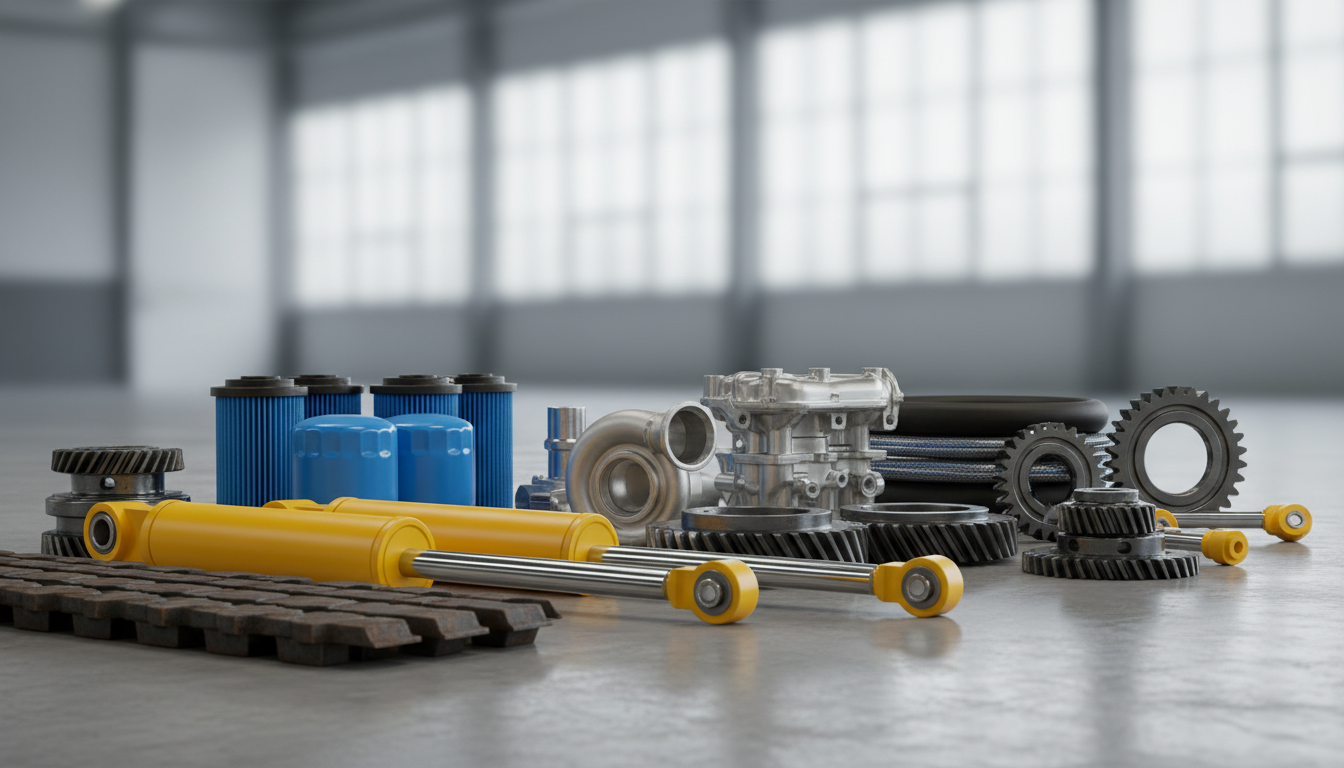
JCB manufactures a broad range of heavy equipment, backhoes, excavators, telehandlers, skid steers, wheel loaders, and compact track loaders. Each model uses hundreds of unique components, and using the correct specification is non‑negotiable. According to Southwest JCB, nearly 95% of all parts in the U.S. can reach a dealer within 24 hours, which highlights the streamlined supply chain behind genuine components.
“Nearly 95% of all parts in the US can be delivered to any of our facilities within 24 hours.” , Southwest JCB
Whether you run a single backhoe or a fleet of telehandlers, you will encounter four main categories of such equipment parts: genuine OEM, aftermarket, rebuilt/remanufactured, and used. Understanding the trade‑offs among them is the first step in making a cost‑effective purchase.
Types of JCB Construction Equipment Parts
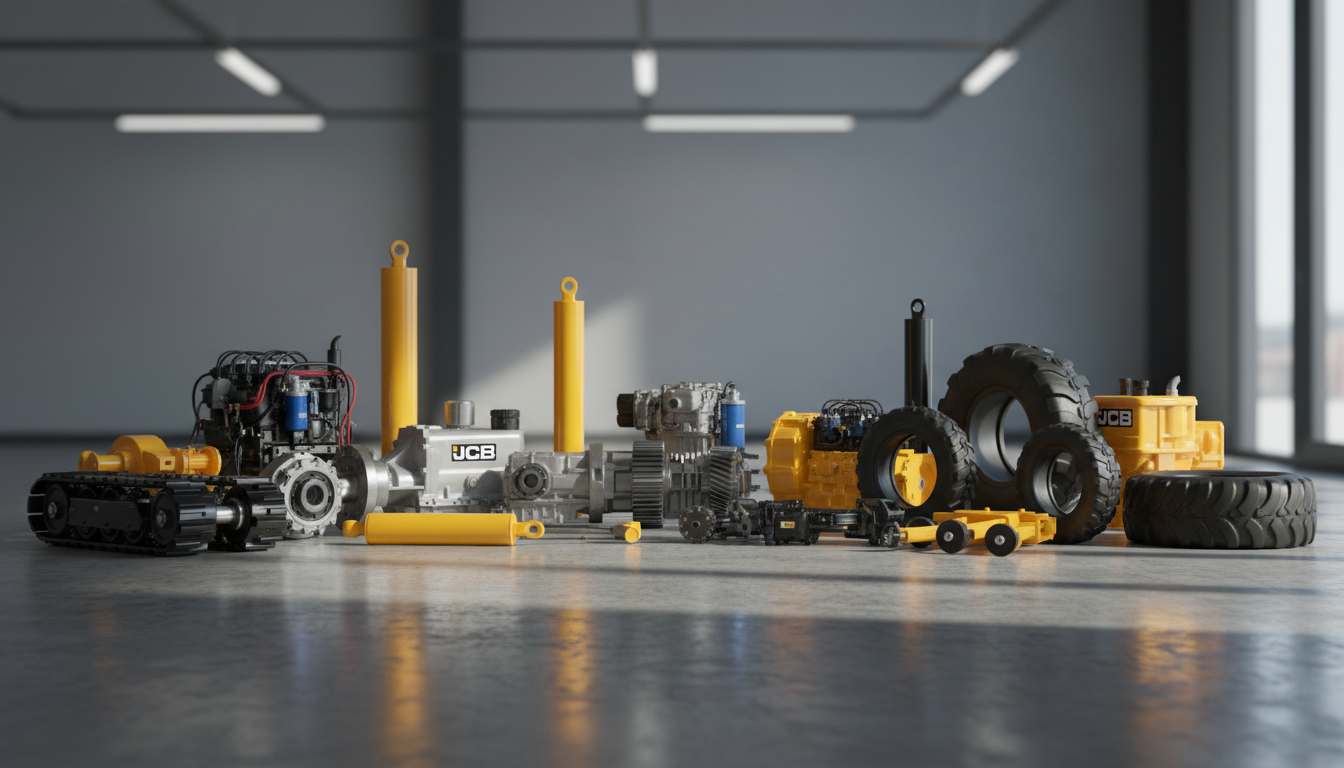
The market offers multiple tiers of parts quality, each with distinct advantages. Below is a comparison of the four most common options for the construction equipment parts.
| Part Type | Pros | Cons | Typical Price Range | Warranty |
|---|---|---|---|---|
| Genuine OEM | Perfect fit, longest life, full warranty support | Highest cost | Premium (e.g., hydraulic pump $2,000+) | 12 months standard |
| Aftermarket | 30–50% cheaper, widely available | Variable quality, may not match OEM specs exactly | Budget to mid ($500–$1,500) | Often 6 months |
| Rebuilt/Reman | Cost-effective like‑new performance | Longer lead time, core charge may apply | Mid ($1,000–$2,000) | 6–12 months |
| Used | Lowest upfront cost, immediate availability | Unknown wear, limited lifespan | Budget (under $500) | None or limited |
Genuine JCB OEM Parts
Original Equipment Manufacturer parts are built to JCB’s exact specifications. They undergo rigorous testing to handle the stress of construction sites. For example, JCB Trackmaster rubber tracks come with an 18‑month warranty when installed by a certified dealer, and the range spans 9 widths from 180 mm to 450 mm with over 35 active part numbers.
Aftermarket Parts
Independent manufacturers produce parts that fit JCB machines, often at a fraction of the cost. While many aftermarket filters, seals, and pins meet industry standards, quality can vary. When choosing aftermarket parts, verify the supplier’s reputation and look for ISO 9001 certification. A supplier like online parts stores backs its aftermarket seals and hoses with a 30‑day return policy and free U.S. shipping on orders over $150.
“We know JCB equipment is famous for its toughness, but even the strongest machines need some TLC sometimes.” , multi-brand parts warehouses
Rebuilt and Remanufactured Parts
Remanufacturing returns a worn component to OEM performance levels. It involves disassembling, cleaning, and replacing all wear‑sensitive parts. Reman hydraulic pumps, final drives, and cylinders can save 40% compared to new OEM while still offering a 12‑month warranty from many suppliers.
Used Components
Salvage yards and online marketplaces list used jcb construction at the lowest price point. These are ideal for older machines where investing in new components isn’t cost‑justified. However, always inspect for cracks, wear, and corrosion before purchasing, and confirm the return policy before committing.
What to Look For When Buying JCB Construction Equipment Parts
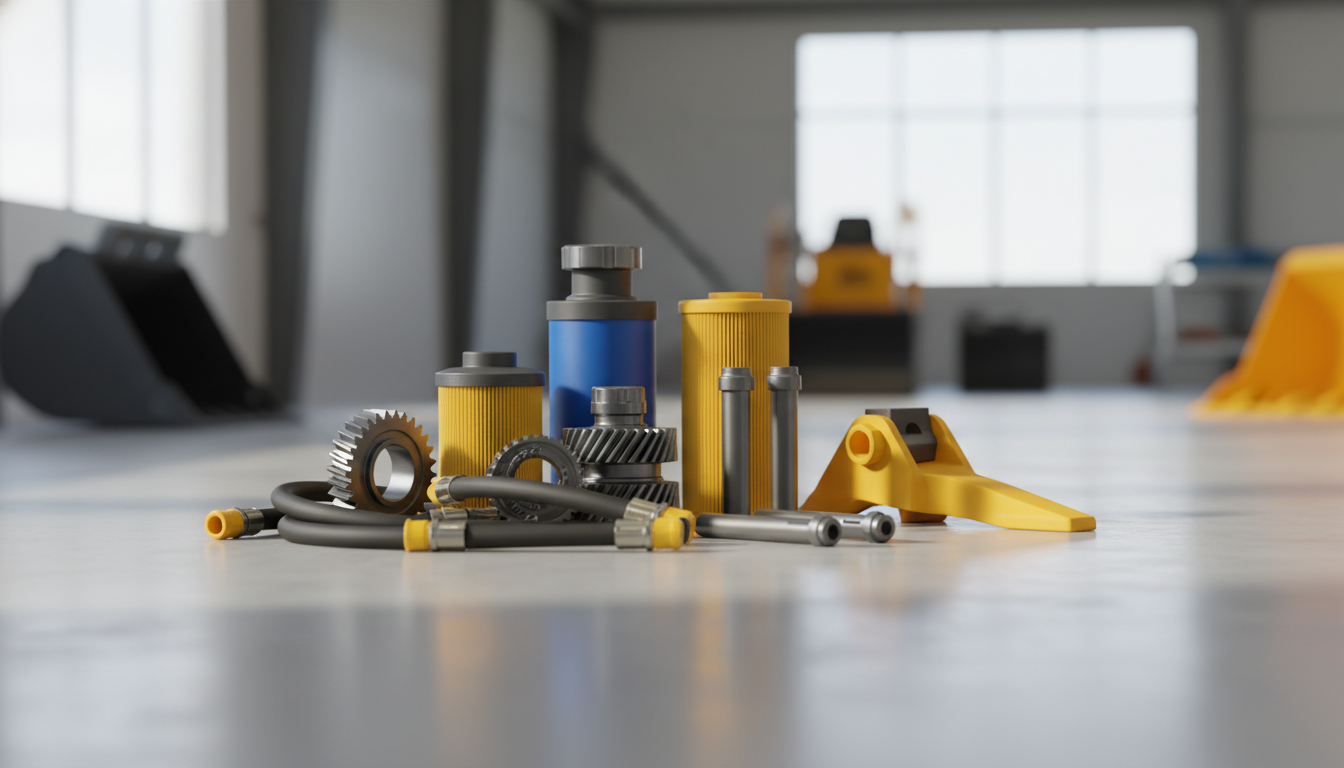
Whether you are a fleet manager or an owner‑operator, these criteria will help you avoid costly mistakes and downtime when sourcing equipment parts.
Compatibility and Part Numbers
JCB assigns a unique part number to every component. Always match the number from your machine’s identification plate or service manual. Online catalogs allow you to search by serial number for precise results. Using the wrong part, even if it physically fits, can cause premature failure or safety hazards.
Material and Build Quality
Look for components made from high‑grade steel, reinforced polymers, or OEM‑spec rubber. For example, JCB’s own filters are designed to maintain optimal fluid cleanliness and meet emissions compliance, which directly protects hydraulic, transmission, and engine systems from contamination.
Supplier Reputation and Support
Choose suppliers with a proven track record. Top‑rated vendors often have live parts specialists, as seen at used and salvage specialists, which lists over 18,965 JCB parts and offers phone support. Look for customer reviews, clear contact information, and industry certifications.
Warranty and Return Policy
A solid warranty reduces financial risk. Genuine parts typically carry a 12‑month warranty, while many aftermarket suppliers offer 6 months. Rebuilt units often include 6–12 months. Return policies vary; some sellers allow 30‑day returns with restocking fees, while others accept returns only for unopened boxes. Always read the fine print.
Price and Total Cost of Ownership
Cheapest isn’t always most economical. A low‑cost filter that fails early can cause an engine repair costing 10 times the filter price. Consider the cost over the part’s expected life. Genuine these parts may last two to three times longer than generic alternatives, making them more affordable in the long run.
How to Identify the Right JCB Parts: A Step-by-Step Guide
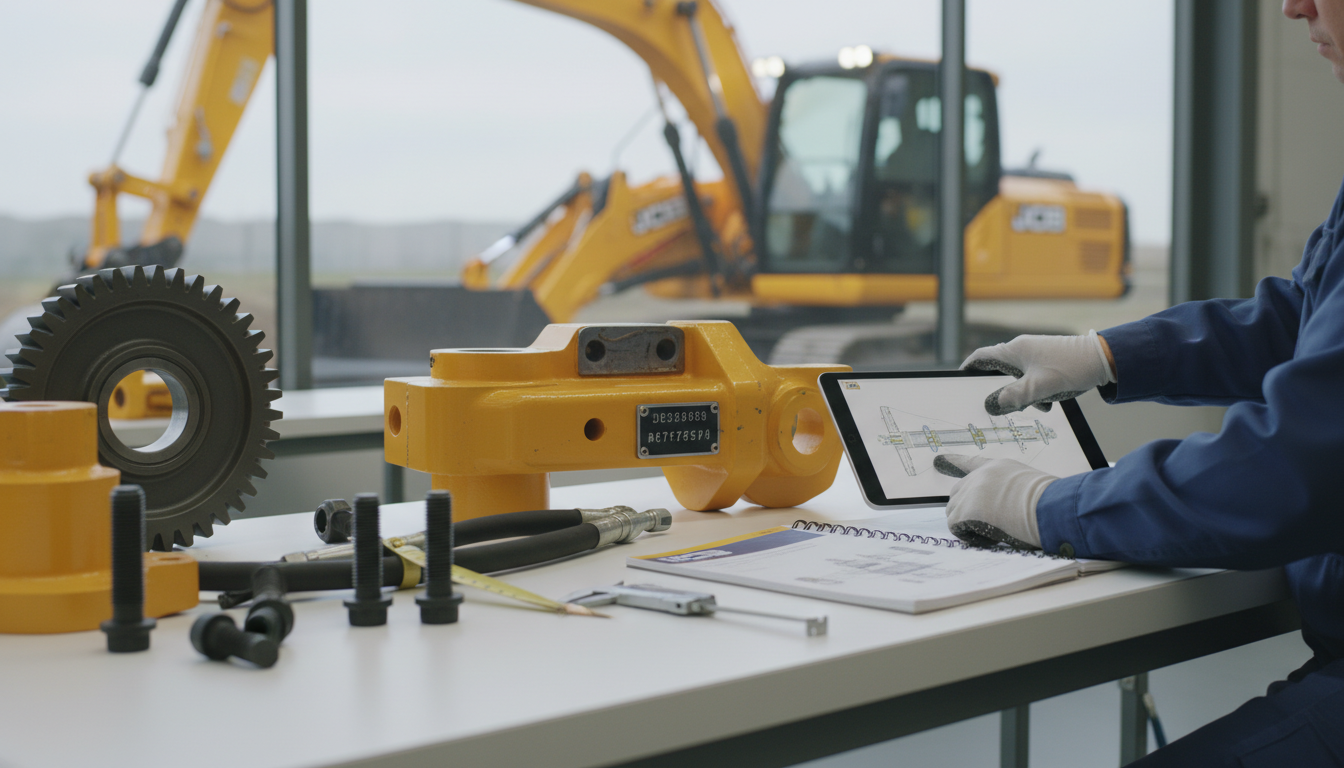
Ordering the correct part the first time saves hours of back‑and‑forth. Follow these steps when sourcing such equipment parts:
- Locate the machine’s serial number and model. The serial plate is usually on the chassis or inside the cab door. Write down the complete model designation (e.g., JCB 3CX, 214, 260).
- Access an online JCB parts catalog. Sites like JCB’s own Parts Lookup or independent platforms let you navigate by model and system diagrams. Many also accept serial number input for direct part listing.
- Find the exact part number. Diagrams break down assemblies into individual items, each with a 10‑digit JCB part number. Note this number carefully.
- Verify interchangeability. If considering aftermarket, cross‑reference the JCB number with the aftermarket catalog to confirm fitment.
- Choose the part type (OEM, aftermarket, rebuilt). Based on budget, machine age, and warranty needs, select the appropriate tier.
- Place your order with a trusted supplier. Provide the part number and machine details. Request confirmation of stock availability and estimated delivery date.
Price Ranges and Where to Buy JCB Construction Equipment Parts
the construction equipment parts are available through authorized dealers, independent suppliers, and online marketplaces. Pricing depends heavily on part type and machine model.
Budget Tier (Under $200)
Common wear items like filters, belts, pins, and bushings fall here. Aftermarket fuel filters can be as low as $15, oil filters $12, and hydraulic hoses $30–$60. These are ideal for routine maintenance.
Mid‑Range ($200 – $1,500)
Covers rebuilt starters, alternators, water pumps, and aftermarket hydraulic cylinders. Many rebuilt final drives and pumps for skid steers and mini excavators are in this bracket. For example, a reman hydraulic pump for a JCB 8025 might cost $800–$1,200.
Premium ($1,500 and Above)
New OEM engines, transmissions, complete final drives, and major hydraulic components dominate. A genuine JCB backhoe transmission can exceed $5,000. Premium pricing also applies to specialty attachments and complete undercarriage sets for tracked machines.
Online sources like ALL JCB PARTS on eBay and specialist multi-brand parts warehouses and Lindstrom Equipment provide access to millions of new, used, and rebuilt components. Many ship internationally, often within 24‑48 hours for in‑stock items.
Care and Maintenance Tips to Extend Part Life
Even the best JCB construction equipment parts won’t last if neglected. Simple habits can double the service life of critical components.
Follow Service Intervals Religiously
JCB recommends specific oil and filter change intervals based on operating hours. Replace engine oil filters every 250 hours, fuel filters every 500 hours, and hydraulic filters annually or at 1,000 hours. Using genuine JCB filters ensures proper flow rates and filtration media that protects against particle contamination.
Keep Hydraulic Systems Contaminant‑Free
Hydraulic pumps, valves, and cylinders are extremely sensitive to dirt. Always clean quick couplers before connecting attachments. Test hydraulic oil for water content every six months, and change the oil if it appears milky.
Monitor Undercarriage Wear
For tracked machines, measure track chain, sprocket, and roller wear regularly. Replace components before they are completely worn to avoid accelerated damage to adjacent parts. Proper track tension also prevents excessive link and pin wear.
Store Equipment Properly
When not in use, park machines on a level, hard surface and relieve hydraulic pressure. Cover exposed cylinder rods to prevent corrosion. Use weatherproof covers for electrical components if working in wet conditions.
Pros and Cons
Pros
- Wide availability through multiple channels including OEM dealers and aftermarket suppliers
- Strong warranty support with genuine parts offering 12-month coverage
- Fast delivery with 95% of parts reaching dealers within 24 hours
- Multiple quality tiers allow budget flexibility from used to premium OEM
- Comprehensive online catalogs simplify part identification by serial number
Cons
- Genuine OEM parts command premium pricing compared to other brands
- Aftermarket quality varies significantly between suppliers
- Older machine models may have limited parts availability
- International shipping can add delays for urgent repairs
Frequently Asked Questions
Are aftermarket JCB construction equipment parts as good as OEM?
High‑quality aftermarket parts can match OEM performance when sourced from reputable manufacturers. Look for ISO‑certified suppliers and check customer reviews. Critical engine or hydraulic components are safer to buy OEM for guaranteed fit and durability.
How do I find the JCB part number for my machine?
Locate the data plate on your machine, usually on the chassis or inside the cab. Use that model and serial number on JCB’s online parts catalog or call a dealer who can provide an illustrated diagram with part numbers.
What is the typical warranty on JCB construction equipment parts?
Genuine JCB construction equipment parts carry a 12‑month warranty. Rebuilt components often have 6–12 months, while aftermarket warranties range from 3 to 12 months depending on the supplier and part type.
Can I return a part if it doesn’t fit?
Policies vary. Many suppliers accept returns within 30 days if the part is unused and in original packaging. Some charge a restocking fee. Always confirm the return policy before ordering.
How quickly can I get JCB construction equipment parts?
Many U.S.‑based suppliers deliver in‑stock parts within 1–2 business days. Overnight shipping is often available for critical breakdowns. International orders may take 3–5 business days depending on customs clearance.
Is it worth repairing an old JCB machine, or should I replace it?
Compare the repair cost to the machine’s residual value and the cost of a replacement. For older machines, using a mix of reman and used parts can extend service life at a fraction of the price, making repair a viable option.
Whether you maintain a single backhoe or a large fleet, sourcing the right JCB construction equipment parts keeps equipment running reliably and within budget. Evaluate each part’s type, warranty, and compatibility, and partner with suppliers that offer fast shipping and strong support. Shop OEM-quality spare parts with global 5-day delivery at 3genexport.com.