
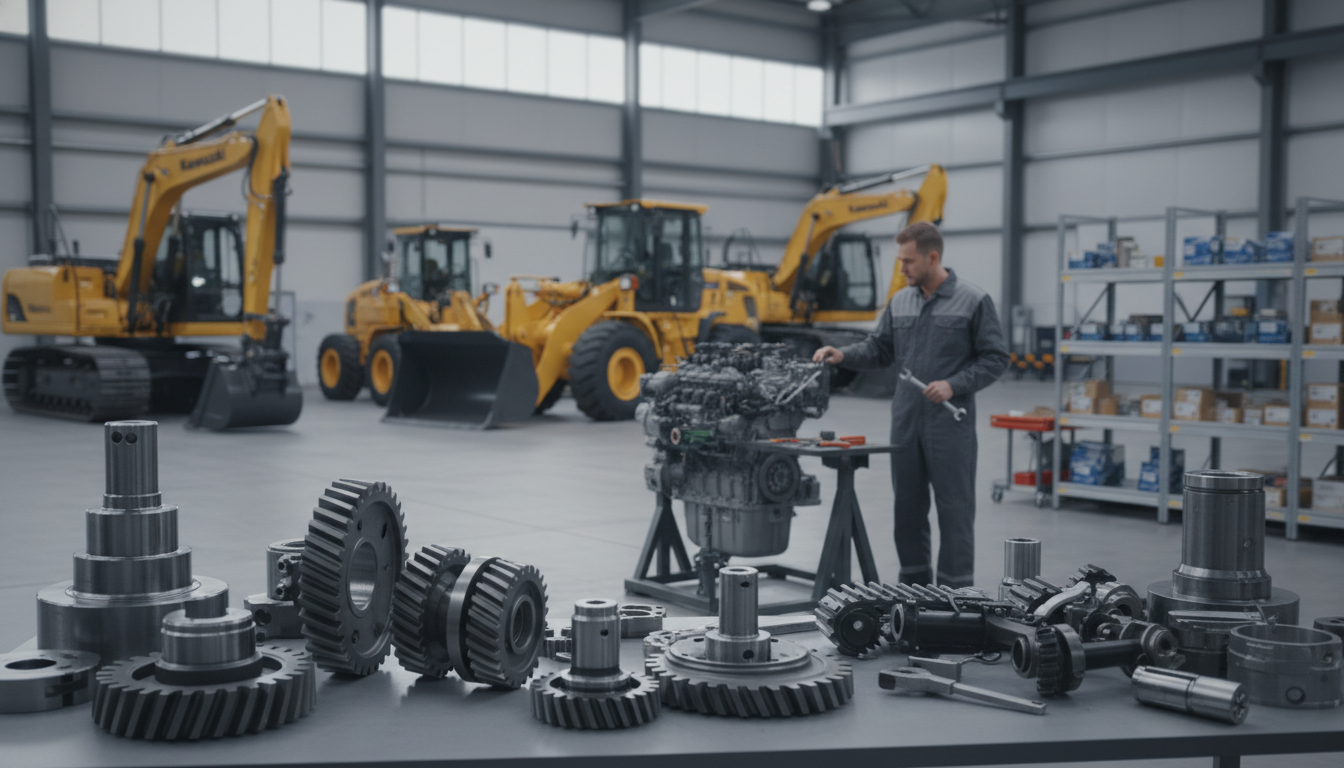
Kawasaki Construction Equipment Parts: Complete Guide 2026
Find OEM-quality Kawasaki construction equipment parts for wheel loaders, excavators, and hydraulic systems. Global delivery in 5 days from 3GEN Export.
Loading article…
Article Not Found
The article you're looking for doesn't exist or may have been removed.
Back to BlogUnderstanding Kawasaki’s Construction Equipment Legacy
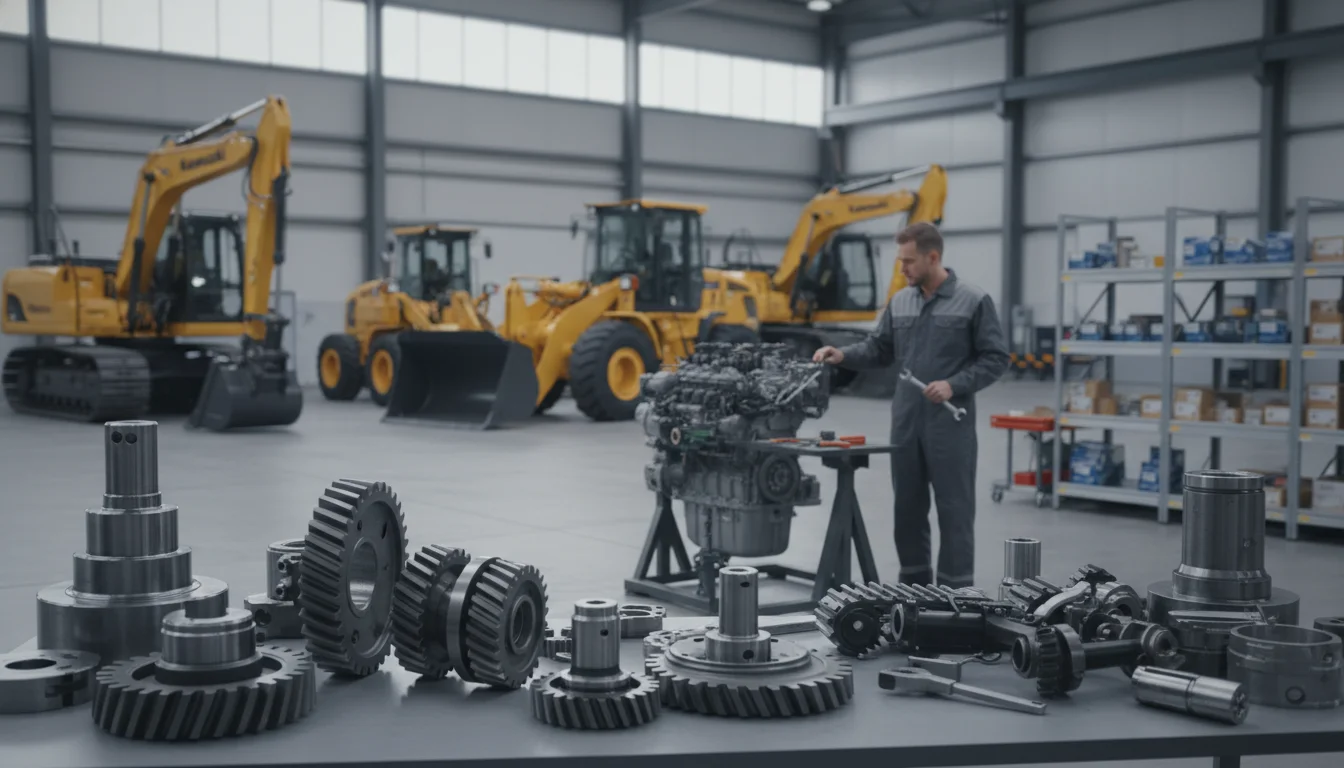
When Kawasaki Heavy Industries entered the construction equipment market, they brought decades of precision engineering from their aerospace and marine divisions. That same attention to detail shows up in every hydraulic pump, transmission component, and seal kit we source for their wheel loaders and excavators.
Core Equipment Categories
Kawasaki’s construction lineup centers around three main categories: wheel loaders (ranging from compact KLD65Z models to heavy-duty KLD150Z units), excavators primarily through their partnership with other manufacturers, and specialized hydraulic systems that power equipment across multiple brands. Each category demands specific part compatibility knowledge , something we’ve developed through sourcing kawasaki construction equipment parts for mining operations in Chile, construction sites in Dubai, and infrastructure projects across Southeast Asia.
Engineering Standards That Matter
Unlike consumer-grade equipment, Kawasaki construction machinery operates under extreme conditions. Hydraulic systems run at pressures exceeding 5,000 PSI, transmission components handle torque loads that would destroy automotive parts, and engine systems must maintain performance in temperatures ranging from -40°F to 120°F. These engineering requirements directly impact part selection and compatibility.
Market Position and Quality Expectations
Kawasaki occupies a unique position in the construction equipment market , they’re not as ubiquitous as Caterpillar or Komatsu, but their hydraulic expertise makes them the go-to choice for applications requiring precise control and reliability. This specialization means parts availability can be challenging, especially for older models or specialized hydraulic components.
Critical Components and Common Failure Points
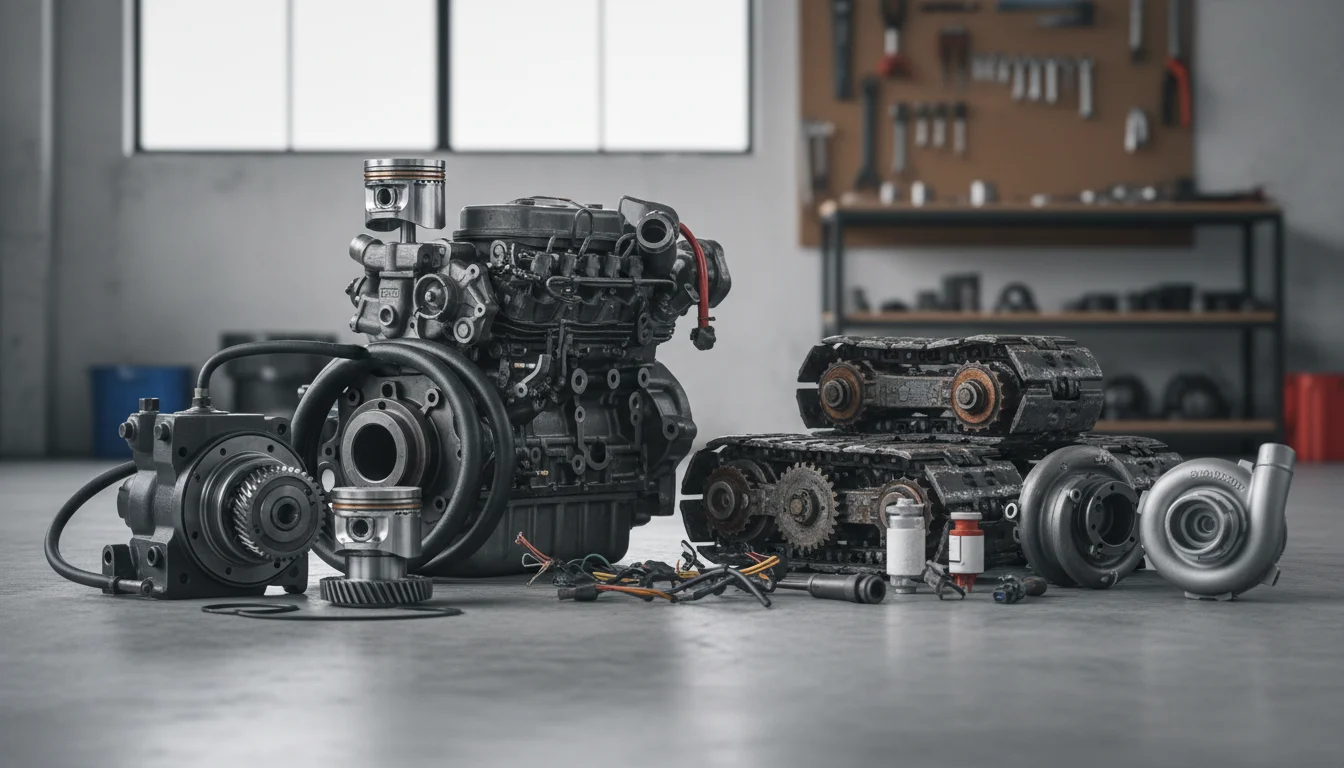
After supplying parts for Kawasaki equipment since 2006, we’ve identified clear patterns in component failure and replacement frequency. Understanding these patterns helps procurement managers plan maintenance schedules and inventory requirements more effectively.
Hydraulic System Components
Kawasaki’s hydraulic pumps are engineering marvels, but they’re also precision instruments that don’t tolerate contaminated fluid or improper maintenance. The K3V series pumps, commonly found in wheel loaders, typically require seal kit replacement every 3,000-4,000 operating hours. Main relief valves start showing pressure drop around 2,500 hours, and pilot control valves begin sticking after exposure to contaminated hydraulic fluid.
We stock complete pump rebuild kits for most K3V series pumps, including the critical swash plate bearings that often get overlooked during standard maintenance. These bearings cost roughly $200-300 each, but pump replacement runs $15,000-25,000 , the math is straightforward.
Transmission and Drivetrain Parts
Kawasaki wheel loaders use strong transmission systems, but certain components wear predictably. Torque converter lockup clutches typically need replacement around 4,000 hours, especially in applications with frequent direction changes. Forward/reverse shuttle valves start leaking around 3,500 hours, and differential lock mechanisms require attention every 2,000 hours in heavy-duty applications.
The transmission filter housing on KLD85Z and KLD90Z models has a known weakness , the mounting bolts work loose under vibration, causing housing cracks. We keep these housings in stock because waiting for OEM delivery means extended downtime.
Engine and Cooling System Vulnerabilities
Most Kawasaki construction equipment uses Isuzu or Cummins engines, but the cooling system integration is pure Kawasaki engineering. Radiator mounting brackets fail frequently due to vibration stress, and the hydraulic oil cooler often develops pinhole leaks around 6,000 hours. Water pump replacement intervals vary by application, but construction environments typically require replacement every 3,000-4,000 hours.
Sourcing Strategies for Kawasaki Parts
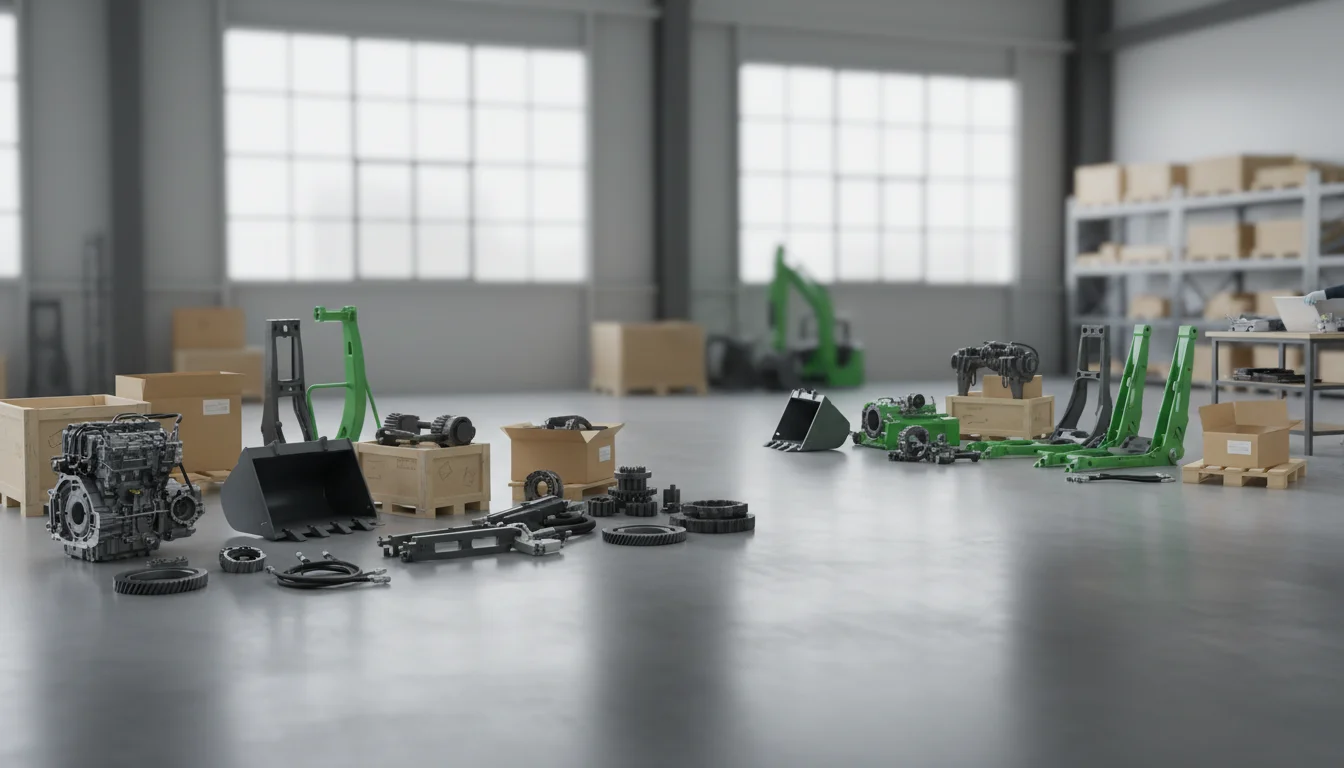
Finding reliable kawasaki construction equipment parts requires understanding the global supply chain and knowing where to look beyond traditional OEM channels. Kawasaki’s construction equipment division has a smaller dealer network compared to industry giants, making alternative sourcing strategies essential.
OEM vs. Aftermarket Considerations
Kawasaki maintains strict quality standards for their OEM parts, but availability can be problematic. Lead times from Japan often stretch 6-8 weeks for specialized hydraulic components, and pricing reflects the premium engineering. Aftermarket alternatives exist for many components, but quality varies dramatically between suppliers.
We’ve tested aftermarket hydraulic seals from twelve different manufacturers over the past five years. Only three consistently meet Kawasaki’s pressure and temperature specifications. The cost savings look attractive initially , aftermarket seal kits run 40-60% less than OEM , but premature failure in critical applications negates any savings.
Global Supply Chain Realities
Kawasaki construction equipment parts flow through a complex global network. Primary manufacturing happens in Japan, with secondary production facilities in China and Thailand for specific components. European distribution centers handle most aftermarket parts, while North American inventory tends to focus on high-volume consumables.
Understanding this geography matters for procurement timing. Parts shipping from Japan face longer lead times but offer guaranteed compatibility. European-sourced aftermarket parts arrive faster but require careful specification verification. We maintain relationships with suppliers across all three regions to optimize delivery times and ensure part availability.
Critical Inventory Planning
Smart procurement managers maintain strategic inventory for Kawasaki equipment based on failure patterns and lead times. High-wear items like hydraulic filters, engine oil filters, and basic seal kits should be stocked locally. Expensive, low-failure components like hydraulic pumps and transmission assemblies can be sourced as needed, provided you have reliable suppliers with confirmed availability.
Compatibility Challenges Across Model Years
Kawasaki’s construction equipment evolution creates unique compatibility challenges that don’t exist with more standardized brands. Understanding these challenges prevents costly ordering mistakes and reduces equipment downtime.
Hydraulic System Evolution
Kawasaki updated their hydraulic control systems significantly between 2018 and 2020, transitioning from mechanical pilot controls to electronic load-sensing systems. This change affects more than just the control valves , pump displacement controls, pressure sensors, and even hydraulic tank configurations changed.
A KLD90Z manufactured in 2017 uses completely different pilot valve assemblies than a 2021 model with the same designation. The mounting patterns look identical, but the internal flow characteristics are incompatible. We’ve seen operators install the wrong pilot valve and wonder why their loader lacks power or responds sluggishly.
Engine Integration Differences
Kawasaki switched engine suppliers for several model lines between 2019 and 2021, moving from Isuzu to Cummins powerplants in specific markets. This change affects more than just engine parts , cooling system components, engine mounting brackets, and even electrical harnesses differ between engine variants.
The KLD85Z provides a perfect example. Early models used Isuzu 4JJ1 engines with specific cooling system requirements. Later models switched to Cummins QSF2.8 engines with different cooling capacity and mounting configurations. Parts interchange between these variants is minimal, despite identical model designations.
Serial Number Importance
Kawasaki uses detailed serial number systems that encode manufacturing date, engine type, hydraulic system configuration, and market destination. Learning to decode these serial numbers prevents ordering mistakes and ensures proper part compatibility.
The serial number format changed in 2020, adding additional digits to specify electronic system configurations. Older parts lookup systems don’t recognize the new format, creating confusion during parts identification. We maintain updated databases that cross-reference old and new serial number formats to ensure accurate part identification.
Maintenance Best Practices for Longevity
Proper maintenance extends component life and reduces the frequency of parts replacement. Kawasaki equipment responds well to preventive maintenance, but their systems require specific procedures that differ from other manufacturers.
Hydraulic System Care
Kawasaki hydraulic systems demand exceptional fluid cleanliness , more so than most competitors. Their tight tolerances and precision components can’t tolerate contamination levels that other systems handle without issues. Hydraulic fluid should be changed every 2,000 hours or annually, whichever comes first, using only fluids meeting Kawasaki’s specific viscosity and additive requirements.
Filter replacement intervals are critical. Suction strainers need inspection every 500 hours and replacement every 1,000 hours. Return filters require replacement every 1,000 hours, and pressure filters need attention every 2,000 hours. Extending these intervals to save money typically results in pump damage that costs far more than filter replacement.
Transmission Maintenance Specifics
Kawasaki transmissions use specialized fluid that’s not interchangeable with standard transmission oils. The fluid contains specific friction modifiers that ensure proper clutch engagement and prevent shudder during direction changes. Using incorrect fluid causes premature clutch wear and erratic shifting behavior.
Transmission filter replacement requires specific procedures. The internal filter screens must be cleaned with solvent and inspected for metal particles. Magnetic drain plugs should be cleaned and inspected for unusual wear patterns. These simple steps prevent major transmission problems and extend component life significantly.
Cooling System Attention
Kawasaki’s integrated cooling systems require regular attention to prevent expensive failures. Radiator cores should be cleaned every 250 hours in dusty conditions, and coolant should be tested monthly for proper pH and additive levels. The hydraulic oil cooler needs separate attention , it typically accumulates more debris than the main radiator and requires more frequent cleaning.
Cost Analysis and Budget Planning
Understanding the true cost of kawasaki construction equipment parts requires looking beyond initial purchase prices. Total cost of ownership includes procurement time, shipping costs, installation labor, and potential downtime expenses.
Price Comparison Strategies
Kawasaki parts pricing varies significantly between suppliers and regions. OEM parts from authorized dealers typically cost 20-40% more than equivalent aftermarket options, but they include warranty coverage and guaranteed compatibility. However, OEM availability can be problematic for older models or specialized components.
We track pricing across multiple suppliers and regions to identify the best value propositions. Japanese OEM parts offer superior quality but longer lead times and higher costs. European aftermarket alternatives provide faster delivery and lower prices but require careful quality verification. Chinese-manufactured parts offer the lowest costs but inconsistent quality control.
Hidden Costs in Parts Procurement
Shipping costs significantly impact total parts expenses, especially for heavy components like hydraulic pumps or transmission assemblies. Air freight from Japan can double the effective part cost, while ocean freight adds 4-6 weeks to delivery times. Emergency shipping for critical failures often costs more than the parts themselves.
Installation labor varies by component complexity and local labor rates. Simple filter changes require minimal labor, but hydraulic pump replacement can take 8-12 hours including system flushing and testing. Factor these labor costs into your total cost calculations when comparing part options.
Inventory Investment Strategies
Strategic parts inventory reduces total ownership costs by minimizing emergency procurement and downtime expenses. High-turnover items like filters and basic maintenance parts should be stocked locally. Medium-turnover components like seal kits and electrical parts can be sourced regionally with 1-2 week lead times.
Low-turnover, high-value components like hydraulic pumps and transmission assemblies require different strategies. Establishing relationships with reliable suppliers who maintain inventory reduces procurement risk without tying up capital in slow-moving parts.
Quality Assurance and Part Authentication
The aftermarket parts industry includes both high-quality alternatives and substandard imitations. Distinguishing between legitimate aftermarket parts and counterfeit components requires specific knowledge and verification procedures.
Identifying Genuine Components
Kawasaki uses specific marking systems and packaging standards for their OEM parts. Genuine parts include holographic security labels, specific font styles for part numbers, and consistent packaging materials. Counterfeit parts often have subtle differences in marking quality, incorrect fonts, or missing security features.
Part numbers provide another verification method. Kawasaki uses consistent numbering systems with specific prefixes for different component categories. Hydraulic parts typically start with “K3V” or “K5V” prefixes, while transmission components use “KLD” designations. Counterfeit parts often have incorrect or inconsistent numbering patterns.
Aftermarket Quality Standards
Legitimate aftermarket manufacturers maintain quality standards that meet or exceed OEM specifications. Companies like Parker Hannifin, Bosch Rexroth, and Hydac produce aftermarket components for Kawasaki equipment that offer equivalent performance at lower costs.
However, quality varies dramatically between aftermarket suppliers. We test aftermarket components in controlled conditions before recommending them to customers. Hydraulic seals undergo pressure testing, temperature cycling, and compatibility verification. Electrical components receive bench testing and installation verification before approval.
Warranty and Support Considerations
OEM parts typically include 12-month warranties covering defects and premature failure. Aftermarket parts warranties vary from 90 days to 24 months, depending on the manufacturer and component type. However, warranty coverage means little if the supplier lacks responsive support or replacement part availability.
We provide warranty support for all parts we supply, regardless of manufacturer. This includes technical support for installation questions, troubleshooting assistance for performance issues, and rapid replacement for defective components. Our global logistics network ensures warranty replacement parts reach customers quickly, minimizing downtime.
Future Trends and Technology Integration
Kawasaki continues evolving their construction equipment technology, incorporating electronic controls, telematics systems, and improved efficiency features. These advances create new opportunities and challenges for parts procurement and maintenance planning.
Electronic System Integration
Modern Kawasaki equipment incorporates sophisticated electronic control systems that monitor performance, optimize efficiency, and provide diagnostic information. These systems require specialized diagnostic tools and software for proper maintenance and troubleshooting.
Electronic components have different failure patterns than mechanical parts. Sensors and control modules typically fail suddenly rather than gradually, making predictive maintenance more challenging. However, the diagnostic capabilities help identify problems before they cause major damage, potentially reducing overall maintenance costs.
Telematics and Remote Monitoring
Kawasaki’s telematics systems provide real-time equipment monitoring and maintenance scheduling capabilities. These systems track operating hours, fluid temperatures, pressure readings, and performance parameters to optimize maintenance intervals and predict component failures.
Telematics integration affects parts procurement by providing better data for inventory planning and maintenance scheduling. Fleet managers can track parts usage patterns across multiple machines and optimize inventory levels based on actual consumption rather than estimates.
Sustainability and Remanufacturing
Environmental regulations and cost pressures drive increased interest in remanufactured components for Kawasaki equipment. Remanufactured hydraulic pumps, transmissions, and engine assemblies offer cost savings of 30-50% compared to new parts while meeting OEM performance standards.
However, remanufacturing requires proper core exchange programs and quality control procedures. Not all components are suitable for remanufacturing, and quality varies between remanufacturing facilities. We work with certified remanufacturers who meet ISO standards and provide complete warranties on their products.
“The key to successful Kawasaki parts procurement isn’t just finding the lowest price , it’s understanding the total cost of ownership and ensuring parts availability when you need them. We’ve learned that building relationships with reliable suppliers who understand Kawasaki’s engineering requirements saves more money than chasing the cheapest quote.” , 3GEN Export Parts Procurement Team
Managing kawasaki construction equipment parts inventory requires balancing cost, quality, and availability across a complex global supply chain. Success comes from understanding component failure patterns, maintaining strategic supplier relationships, and planning procurement based on actual equipment usage rather than arbitrary schedules.
Ready to optimize your Kawasaki parts procurement? Shop OEM-quality spare parts with global 5-day delivery at 3genexport.com