
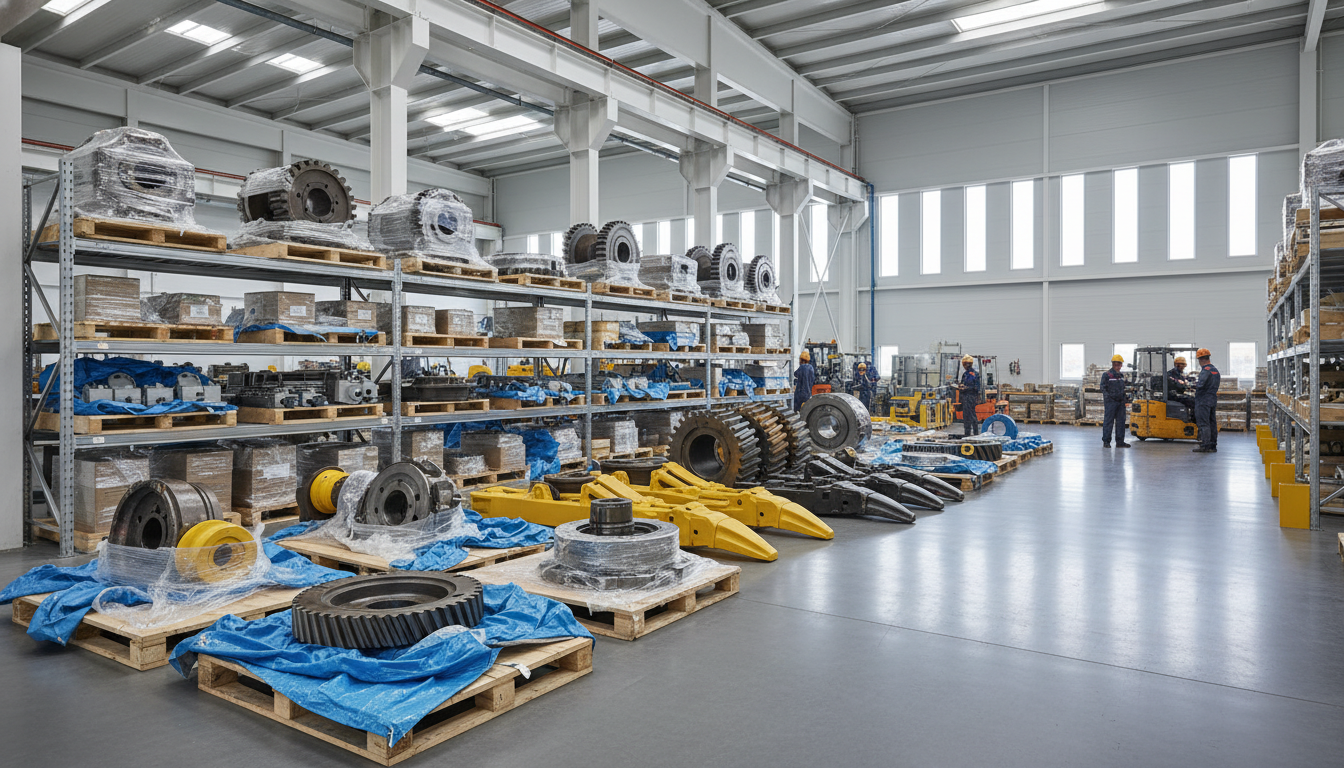
Mining Equipment Spare Parts Global Supplier: Complete Procurement Guide 2026
Find the right mining equipment spare parts global supplier. OEM quality, 5-day delivery, 40+ brands. Expert guide for procurement managers.
Loading article…
Article Not Found
The article you're looking for doesn't exist or may have been removed.
Back to BlogKey Takeaways
- OEM-certified global suppliers guarantee part compatibility and extend equipment life , non-negotiable for critical components.
- Strategic distribution networks cut lead times from weeks to days, directly reducing costly downtime.
- ISO 9001 and ASTM certifications separate professional suppliers from parts brokers who can’t guarantee quality.
- Vendor-managed inventory programs with global partners reduce total cost of ownership by 15-25%.
- Digital platforms and predictive maintenance integration are reshaping spare parts procurement in 2026.
Introduction
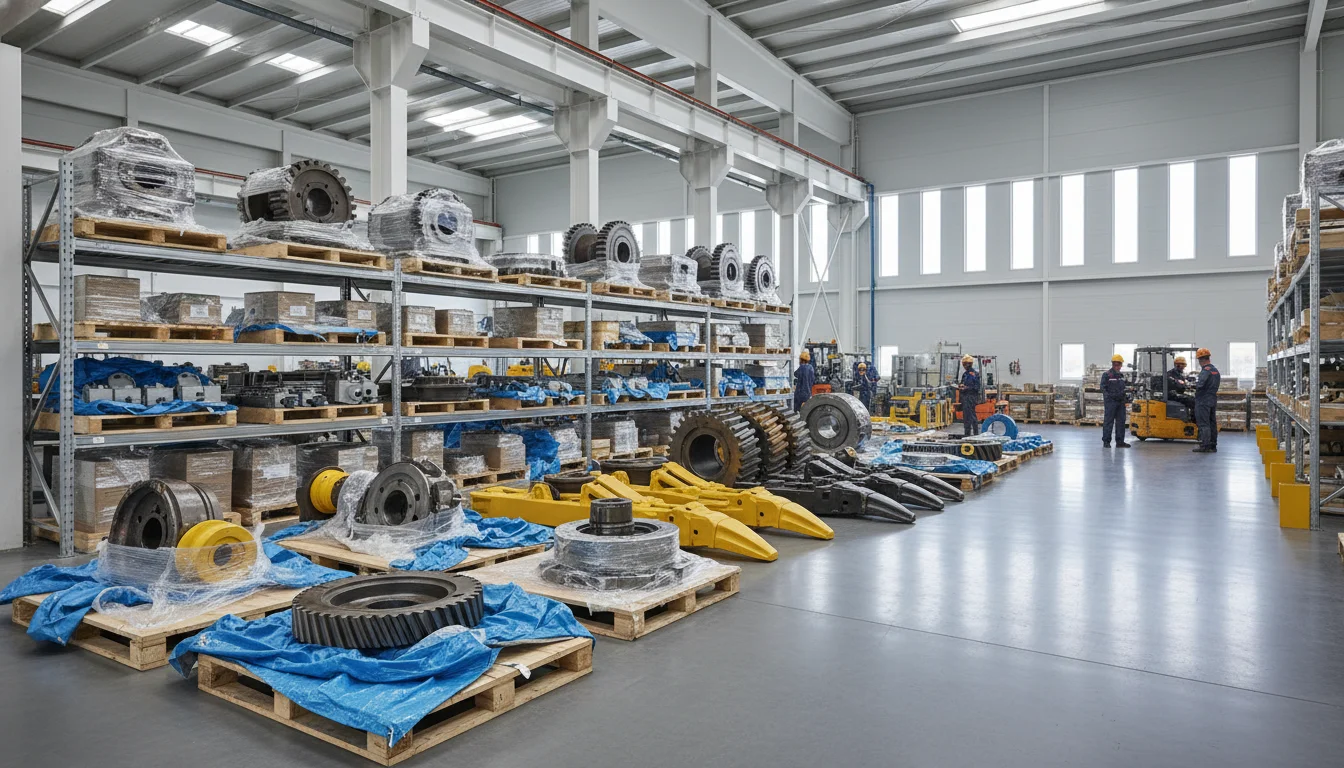
When a crusher jaw plate cracks at 2 AM on your Caterpillar 777 haul truck, you don’t have time to research suppliers. Every hour that machine sits idle costs your operation real money , and the longer you wait, the more your production targets slip.
We’ve been supplying mining equipment spare parts to operations across six continents since 2006, and the pattern never changes: mines that partner with reliable global suppliers maintain 95%+ equipment availability. Those that don’t face 20-30% more unplanned downtime.
Whether you’re running copper extraction in the Atacama or coal mining in the Hunter Valley, access to OEM-quality parts isn’t just procurement , it’s operational survival. Here’s how to evaluate and work with global suppliers who understand that your equipment can’t wait.
Why Partnering with a Global Supplier Matters
Unmatched Availability and Reduced Lead Times
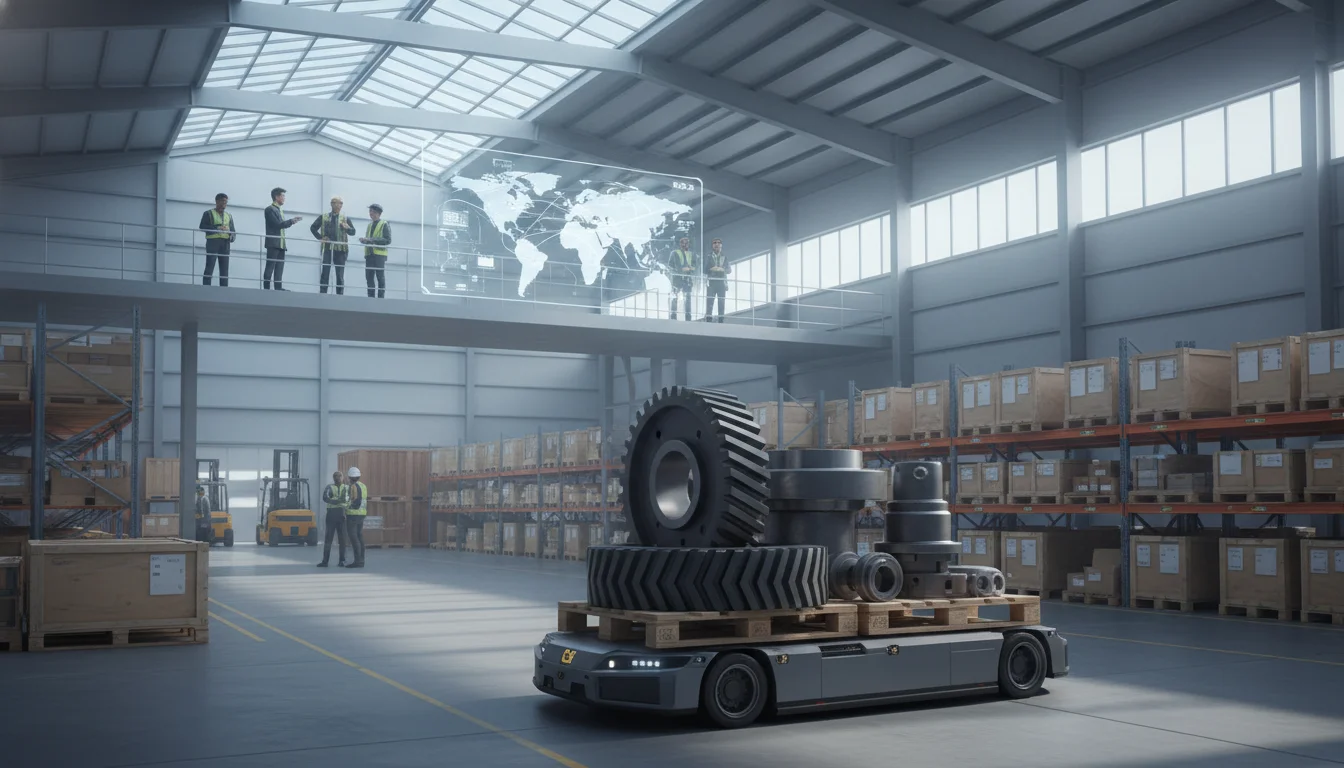
Global suppliers maintain inventory where mining happens , not just where it’s convenient for them. The difference between a 14-day lead time and a 48-hour delivery often determines whether your project stays on schedule.
We stock Komatsu hydraulic pumps in Perth, Volvo crusher liners in Santiago, and Atlas Copco drill bits in Johannesburg because that’s where the equipment operates. When Metso operates 150+ distribution centers worldwide, they’re not showing off , they’re solving the fundamental problem of distance in mining logistics.
According to industry maintenance data, mines with regional parts access experience 40% fewer emergency shutdowns compared to those relying on single-source suppliers.
OEM Quality and Engineering Expertise
Not all “equivalent” parts are actually equivalent. OEM suppliers engineer components to exact metallurgical specifications , the difference between a mill liner lasting 3,000 hours versus 1,800 hours.
When you’re processing harder ore or increasing throughput, a mining equipment spare parts global supplier with OEM backing can recommend upgraded materials or design modifications. We’ve seen operations extend crusher mantle life by 60% simply by switching from generic aftermarket to OEM-specified chrome-moly alloys.
This expertise extends to legacy equipment support. Brands like Bucyrus may no longer manufacture new machines, but OEM-quality parts keep 30-year-old equipment running profitably.
End-to-End Support and Customization
Professional suppliers don’t just ship parts , they solve problems. Equipment audits, installation support, and failure analysis turn your parts supplier into a maintenance partner.
When ore characteristics change or production demands increase, experienced suppliers can engineer solutions beyond standard catalog items. This partnership approach optimizes your entire process, not just individual components.
“Choosing an OEM-certified global supplier isn’t just about getting a part; it’s about gaining a partner who understands your equipment’s entire lifecycle. The right supplier can help you predict failures before they happen.” , Industry Expert, Mining Maintenance Journal
How to Evaluate a Mining Equipment Spare Parts Global Supplier
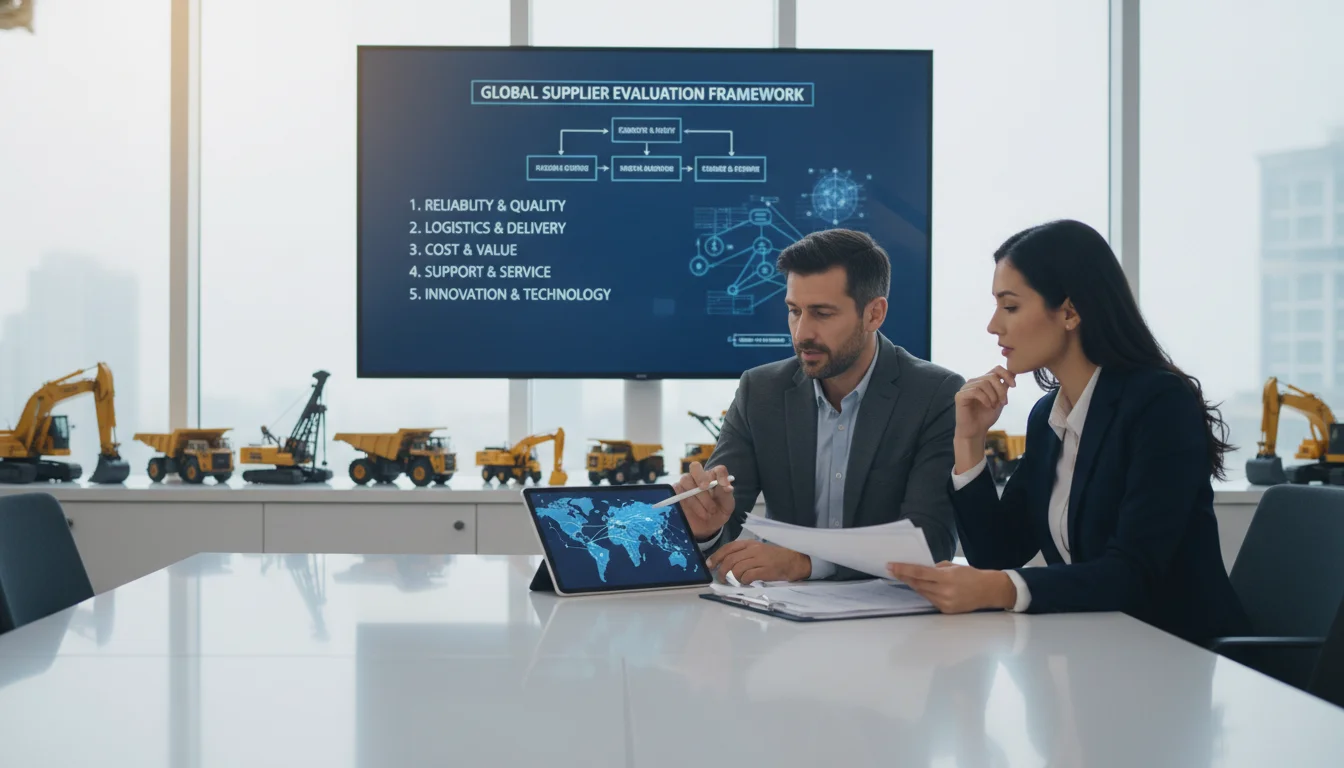
Step 1: Verify Quality Certifications
Quality certifications separate professional suppliers from parts brokers. ISO 9001, ASTM, and ASME certifications indicate consistent manufacturing processes and rigorous testing protocols.
Demand certificates of conformance and material test reports for critical components. If a supplier can’t provide documentation immediately, they’re not managing quality , they’re hoping for it. We maintain ISO 9001:2015 certification specifically because mining operations can’t afford quality surprises.
Step 2: Assess Inventory Depth and Breadth
Inventory depth matters more than catalog size. A supplier might list 50,000 part numbers but only stock 500. Ask about inventory turnover rates and whether they offer consignment programs or vendor-managed inventory.
Professional suppliers stock high-velocity parts locally and maintain relationships for rapid sourcing of specialty items. The broader their actual inventory, the more likely they can fulfill emergency orders without manufacturing delays.
Step 3: Evaluate Logistics and Global Reach
Distribution networks determine whether “global” means worldwide capability or just worldwide marketing. Examine their warehouse locations , do they align with major mining regions?
Ask specific questions: What’s your average delivery time to our site? How do you handle customs clearance? What’s your on-time delivery percentage? Professional suppliers track these metrics because mining operations demand accountability.
Step 4: Review Technical Support and Engineering Capabilities
Technical support becomes critical when installing complex assemblies or troubleshooting compatibility issues. Look for suppliers with field engineers who understand your specific equipment brands and operating conditions.
Some suppliers offer equipment audits to identify wear patterns and recommend preventive replacements. This value-added service can extend equipment life by 25-roughly a third compared to reactive maintenance approaches.
Step 5: Check References and Industry Reputation
Request references from similar operations , preferably mines processing similar materials under comparable conditions. Industry forums, trade association memberships, and equipment manufacturer partnerships provide additional credibility indicators.
Suppliers with 20+ years in business demonstrate stability, but also verify they’ve evolved with industry changes. Technology and materials science advance rapidly in mining applications.
OEM vs. Aftermarket: Making the Right Choice
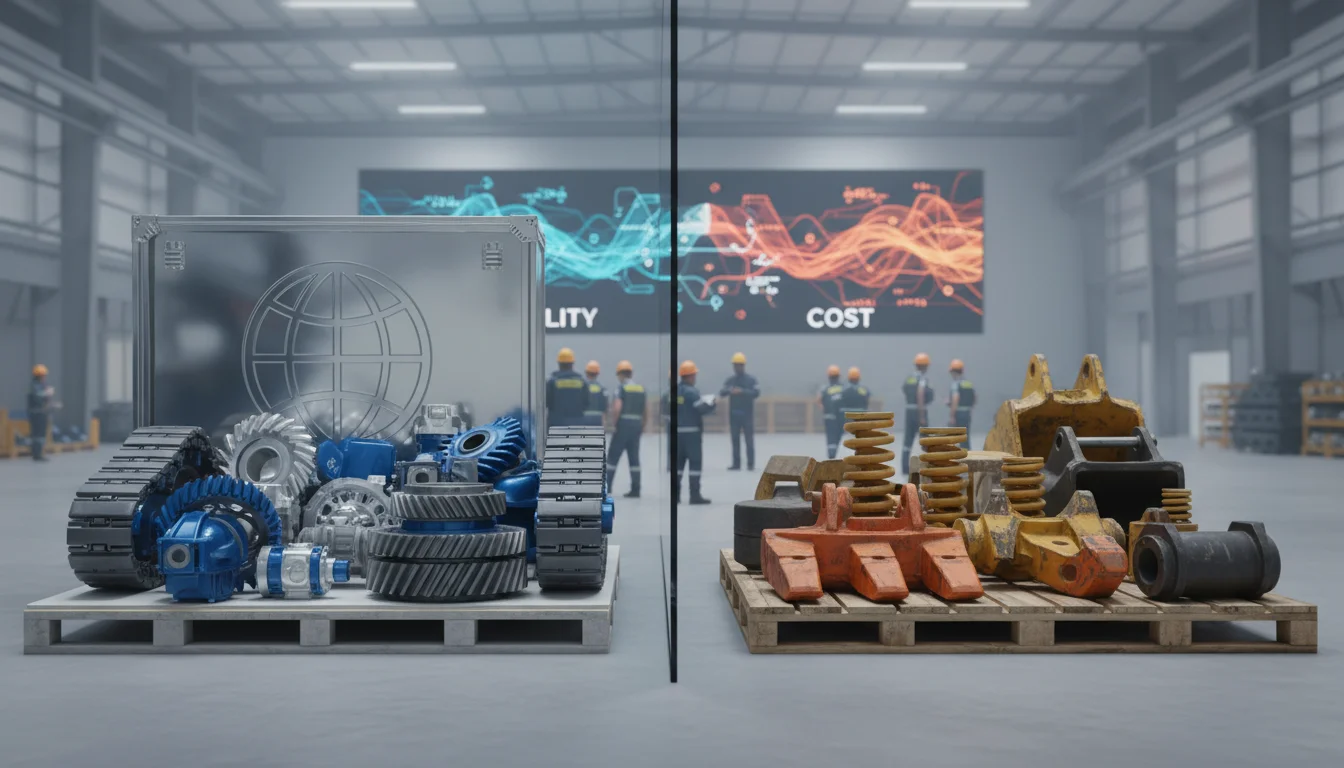
OEM Parts: Guaranteed Fit and Performance
OEM parts eliminate compatibility guesswork. They’re engineered by the same teams that designed your equipment, using identical materials and manufacturing processes.
For safety-critical components , gears, bearings, hydraulic cylinders , OEM specification isn’t optional. Failure of these parts can cause catastrophic damage costing hundreds of thousands in repairs and lost production. OEM parts also maintain equipment warranties and preserve resale value.
Aftermarket Parts: Cost Savings with Calculated Risk
Quality aftermarket parts can deliver 70-most of OEM performance at 40-over half of the cost. The key word is “quality” , many aftermarket suppliers reverse-engineer parts without understanding the metallurgy or stress analysis behind the original design.
Aftermarket parts work best for non-critical applications where failure causes inconvenience, not catastrophe. A reputable mining equipment spare parts global supplier will honestly assess which applications suit aftermarket alternatives.
Hybrid Approach: Optimizing Total Cost of Ownership
Most successful mining operations use a hybrid strategy: OEM for high-wear and safety-critical components, quality aftermarket for less demanding applications.
This approach can reduce spare parts costs by 20-roughly a third without compromising reliability. Your supplier should help categorize parts by criticality and recommend the most cost-effective solution for each application.
Top Categories of Mining Equipment Spare Parts
Crusher and Mill Parts
Crushers and mills consume the highest volume of replacement parts in most operations. Jaw plates, cone liners, gyratory mantles, and mill liners experience extreme abrasive wear.
Material selection makes the difference between 2,000-hour and 4,000-hour wear life. We stock manganese steel, chrome-moly alloys, and ceramic-composite options to match specific ore characteristics and crushing requirements.
Slurry Pump Parts
Slurry pumps handle the most abrasive and corrosive conditions in mining. Impellers, liners, shafts, and mechanical seals require precision engineering to maintain hydraulic efficiency while resisting wear.
OEM suppliers like Metso engineer these components to reduce energy consumption by 15-about one in five compared to generic alternatives. The initial cost premium pays for itself through reduced power costs and extended service intervals.
Drill and Haul Truck Parts
Surface and underground drilling equipment demands strong components: drill bits, hydraulic cylinders, brake systems, and engine assemblies. Safety regulations require these parts meet strict specifications.
We supply rebuilt and remanufactured options for brands like Bucyrus, Komatsu, and Caterpillar that deliver OEM performance at reduced cost. All rebuilt parts undergo dimensional inspection and performance testing before shipment.
Electrical and Automation Components
Modern mines depend on sophisticated electrical systems. High-voltage couplers, cable connectors, sensors, and PLC modules keep automated systems operational.
Electrical component failures can shut down entire processing circuits. We maintain inventory of specialized components like Adalet PLM couplers and explosion-proof enclosures to minimize electrical downtime.
Digital Inventory and Predictive Maintenance Integration
Digital Parts Catalogs and Online Ordering
Digital platforms transform parts procurement from a manual process to an automated workflow. Our online catalog includes 3D models, installation videos, and compatibility verification tools.
API integration with your ERP system enables automated reordering based on inventory levels and usage patterns. This reduces procurement time by 60-most and eliminates ordering errors that cause wrong-part deliveries.
Predictive Maintenance Integration
Sensor technology now monitors component wear in real-time, predicting failures weeks before they occur. When integrated with parts supply systems, this enables proactive replacement scheduling.
We’re piloting programs where equipment sensors automatically trigger parts orders when wear reaches predetermined thresholds. This proactive approach can reduce unplanned downtime by most compared to reactive maintenance strategies.
Sustainability and Circular Economy Practices
Remanufactured and Rebuilt Parts
Remanufactured parts deliver OEM performance while reducing environmental impact and costs. Components are completely disassembled, inspected, and rebuilt to original specifications using new wear surfaces and seals.
Quality remanufactured parts cost 40-over half less than new OEM while maintaining comparable performance and warranty coverage. We qualify all rebuilt components through dimensional inspection and performance testing.
Eco-Friendly Packaging and Logistics
Sustainable packaging reduces waste and shipping costs. We use recycled materials and right-sized packaging to minimize environmental impact.
Route optimization software reduces fuel consumption and delivery times. When evaluating suppliers, ask about their sustainability initiatives , corporate responsibility increasingly influences supplier selection decisions.
Conclusion
Your choice of mining equipment spare parts global supplier directly impacts equipment availability, maintenance costs, and operational profitability. The difference between the vast majority and most equipment availability can mean millions in lost production annually.
Focus on suppliers with OEM certification, proven global logistics, and technical expertise in your specific equipment brands. Balance cost and reliability through strategic use of OEM and quality aftermarket parts. Embrace digital tools and predictive maintenance to transform parts management from reactive to proactive.
The right supplier partnership turns spare parts procurement from a necessary expense into a competitive advantage. Shop OEM-quality spare parts with global 5-day delivery at 3genexport.com.
Frequently Asked Questions
What is the difference between OEM and aftermarket mining parts?
OEM parts are manufactured by the original equipment maker using identical specifications and materials. Aftermarket parts are produced by third parties and may vary significantly in quality and compatibility. OEM parts guarantee fit and performance for critical applications.
How can I verify a global supplier’s quality standards?
Check for ISO 9001:2015 certification, request material test reports and certificates of conformance, and ask for customer references from similar mining operations. Professional suppliers provide this documentation immediately.
What are the most commonly replaced mining equipment parts?
High-wear components include crusher jaw plates and cone liners, mill liners and grinding media, slurry pump impellers and liners, drill bits and hydraulic cylinders, and electrical couplers. These parts experience extreme stress and abrasive conditions.
How do global suppliers manage logistics for remote mine sites?
Professional suppliers maintain regional distribution centers near major mining regions, partner with experienced freight companies for customs clearance, and offer expedited shipping options. Many provide consignment inventory programs for critical parts.
Can a global supplier help with legacy equipment parts?
Yes, experienced suppliers support legacy brands through reverse engineering, strategic inventory of obsolete parts, and partnerships with OEM service divisions. We maintain parts availability for equipment brands no longer in production, including Bucyrus and older Caterpillar models.