
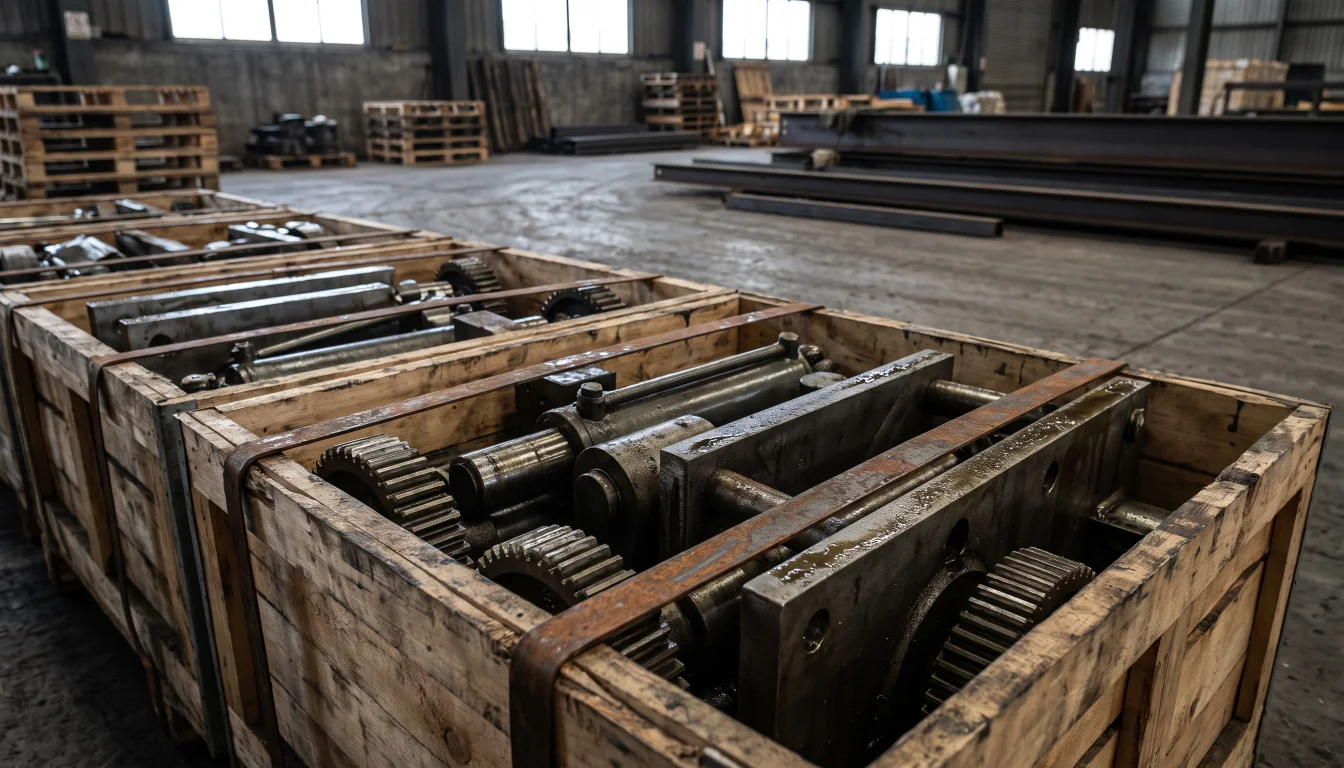
OEM Heavy Equipment Parts Suppliers: 2026 Buyer Guide
Compare top OEM heavy equipment parts suppliers on inventory, warranty, and global logistics. Get pricing benchmarks and sourcing tips for 2026 fleets.
Loading article…
Article Not Found
The article you're looking for doesn't exist or may have been removed.
Back to BlogOEM heavy equipment parts suppliers are companies that sell genuine, manufacturer-produced components for construction, mining, and agricultural machinery. This guide compares top oem heavy equipment parts suppliers on pricing, inventory, and selection criteria so you can source the right parts in 2026.
Key Takeaways
- OEM parts ensure exact fit and compliance with manufacturer specifications, which matters for warranty coverage and machine longevity.
- Not all suppliers are equal: inventory depth, global reach, and warranty policies vary significantly among top parts suppliers.
- Price alone isn't everything. Evaluate supply chain reliability, technical support, and return flexibility to reduce downtime costs.
- Digital catalogs and AI-assisted sourcing are changing parts procurement, cutting search time in many operations.
- Aftermarket and rebuilt options can deliver meaningful savings but require rigorous quality checks before purchase.
Understanding OEM Heavy Equipment Parts
OEM stands for Original Equipment Manufacturer, and OEM parts are built by the same company that produced the original components installed in your machine. That means identical dimensions, materials, and performance specifications. Unlike aftermarket alternatives, genuine OEM parts go through the manufacturer's full quality control process and often carry warranty coverage that matches the machine's original protection. For operators in construction, mining, and agriculture, choosing the right suppliers are one of the biggest factors in avoiding costly unplanned downtime.
Industry leaders like John Deere, Caterpillar, Komatsu, and Volvo design their equipment with tightly integrated systems. Swapping in non-OEM components can compromise hydraulic pressures, electrical tolerances, and structural integrity, which leads to premature failures. According to the Association of Equipment Manufacturers (AEM), following OEM specifications is a top requirement for long-term equipment reliability and resale value. Suppliers with decades of history, such as one with 28 years in business, tend to have more refined remanufacturing processes and better core availability, both of which are markers of stability.
"Equipment reliability starts with parts traceability. If a supplier can't tell you where a component came from, you're taking on risk you didn't budget for." - a principle echoed across AEM member guidance on procurement standards
What to Look For When Choosing OEM Heavy Equipment Parts Suppliers
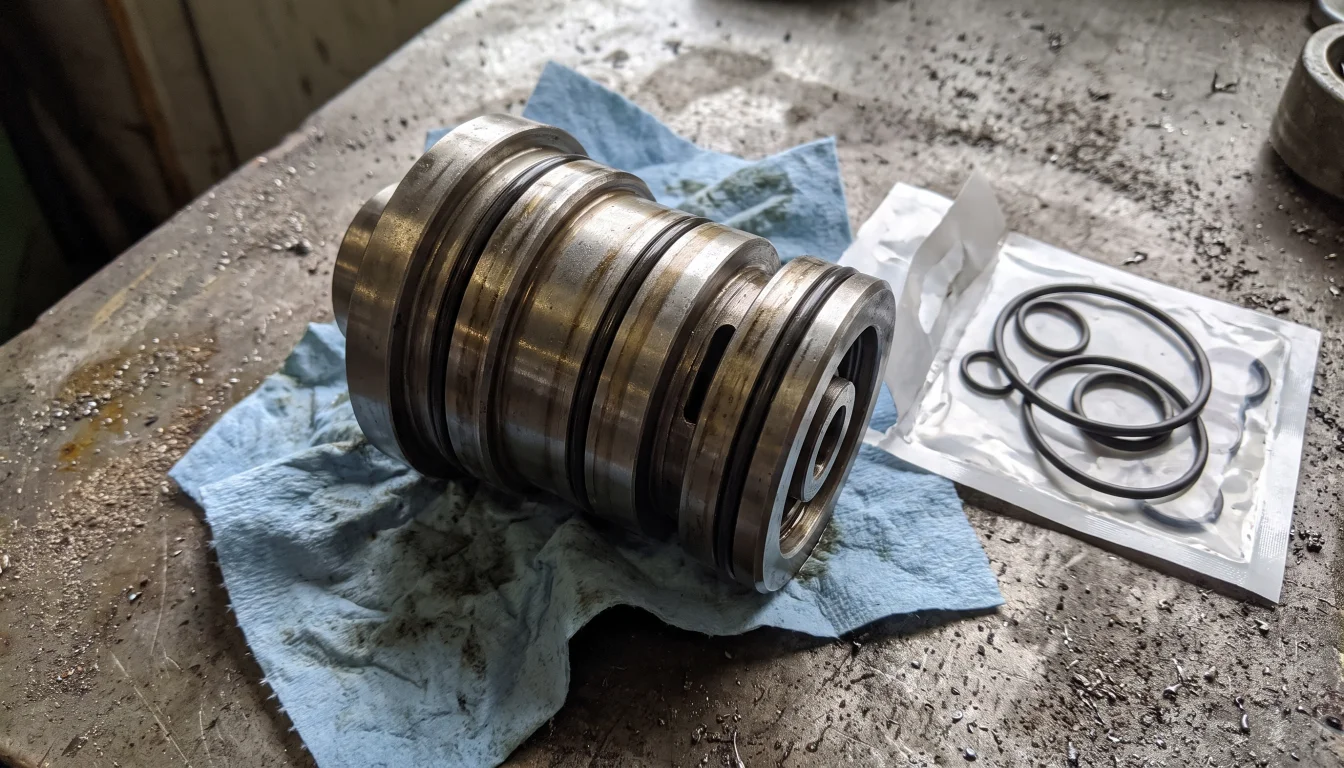
The best this type of suppliers stand out on four factors: authenticity, inventory depth, warranty strength, and logistics reach. Here's how to evaluate each one before committing to a supplier relationship.
Verify Parts Authenticity and Certification
Genuine OEM parts should come with manufacturer certification, and often a holographic label or unique package identifier. Reputable suppliers maintain traceable supply chains and will provide documentation on request. Some counterfeit parts look identical but fail prematurely, costing thousands in repairs. Always request proof of OEM partnership from the manufacturer's own dealer locator, and look for suppliers holding ISO 9001:2015 certification, which signals standardized quality management.
Assess Inventory Depth and Availability
Supplier inventory size directly impacts how fast your machine gets back to work. The largest catalogues list over 900,000 parts across many brands, while specialist suppliers offer a wide mix of new, used, and aftermarket options. Regional distributors can stock very large aggregate parts inventories spread across multiple branch locations. Prioritize this kind of parts suppliers with real-time online catalogs and after-hours emergency support so you're not waiting days for a critical component.
Evaluate Warranty and Return Policies
A strong warranty signals confidence in part quality. Leading suppliers offer 6-month warranties on rebuilt components after thorough testing. Return flexibility matters too. When a part doesn't fit, a restocking fee or a strict return window can erode any savings you thought you were getting. Check whether the supplier accepts returns on electrical items, opened boxes, or special orders before you place the order.
Consider Supplier Logistics and Global Reach
Global supply chain efficiency is what separates top-tier the heavy equipment parts suppliers from the rest. If your projects span multiple countries, choose a supplier with proven international shipping expertise. Regional distributors, for example, operates locations across Colorado, New Mexico, Wyoming, Missouri, and Alberta, Canada, enabling rapid deployment across a wide territory. Some suppliers maintain dedicated parts warehouses near major logistics hubs like DFW Airport, where over 90% of sales are filled directly from their own inventory across three warehouses. This kind of logistical depth shortens lead times considerably compared to drop-shippers who wait on a third party. For contractors working in remote areas, a wide branch network can mean the difference between same-day pickup and a week-long wait.
The Rise of Digital Parts Catalogs and AI-Powered Sourcing
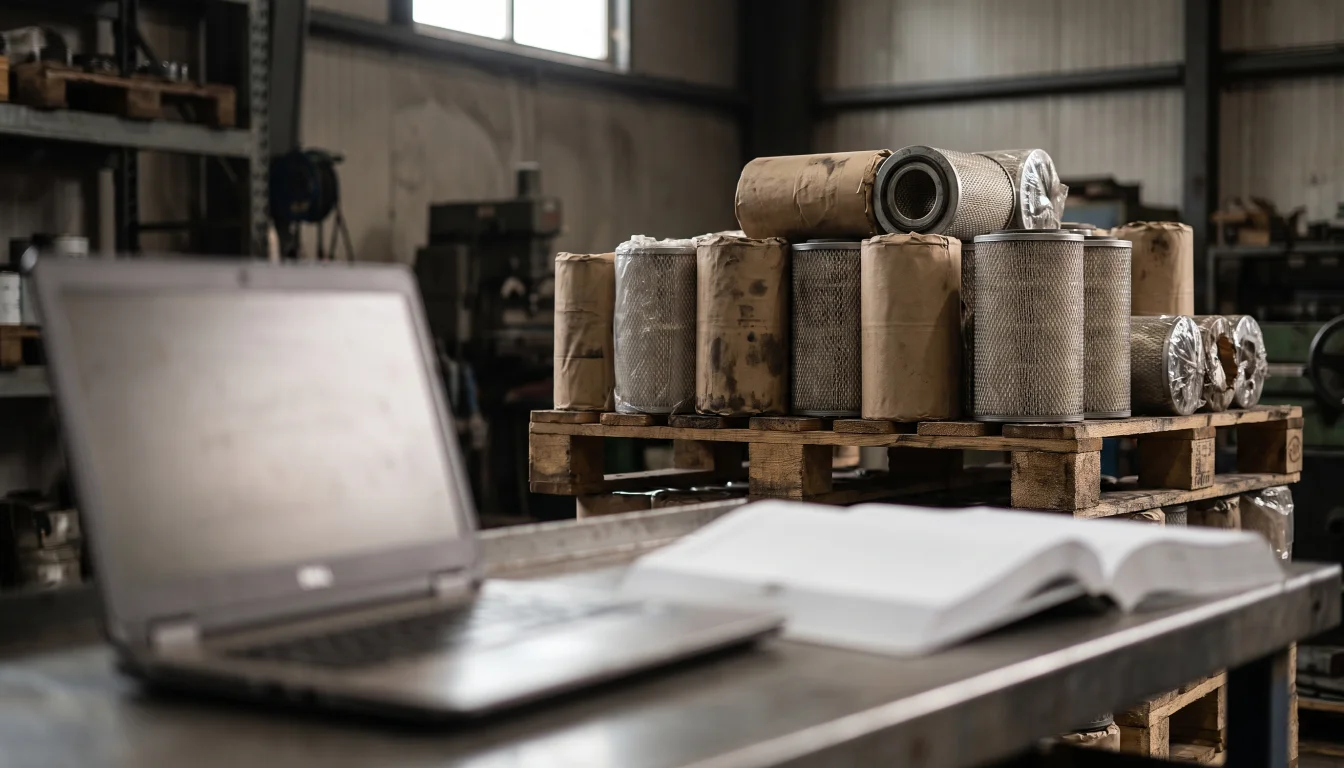
As of 2026, the best suppliers have embraced digital tools to speed up sourcing. Advanced online catalogs now let you search by VIN, part number, or even machine symptom. Equipment-rental marketplaces and the official Case Construction Online Parts Store are good examples, offering instant pricing and availability. AI-driven chatbots can cross-reference a machine's maintenance history to flag likely part failures before they happen, helping fleets get ahead of unplanned breakdowns.
Another development worth watching is photo-based search. Upload a picture of a worn part, and the system identifies it and points you to the exact OEM replacement. This technology was once limited to mega-dealers, but it's now filtering into mid-market suppliers, which levels the playing field for smaller fleet operators. Some suppliers also publish downloadable parts books and brand-specific catalogs, covering individual manufacturer lines like Bobcat, Case, and Caterpillar sub-catalogs, so buyers can cross-reference part numbers offline before ordering.
Comparing Types of Heavy Equipment Parts: OEM, Aftermarket, and Rebuilt
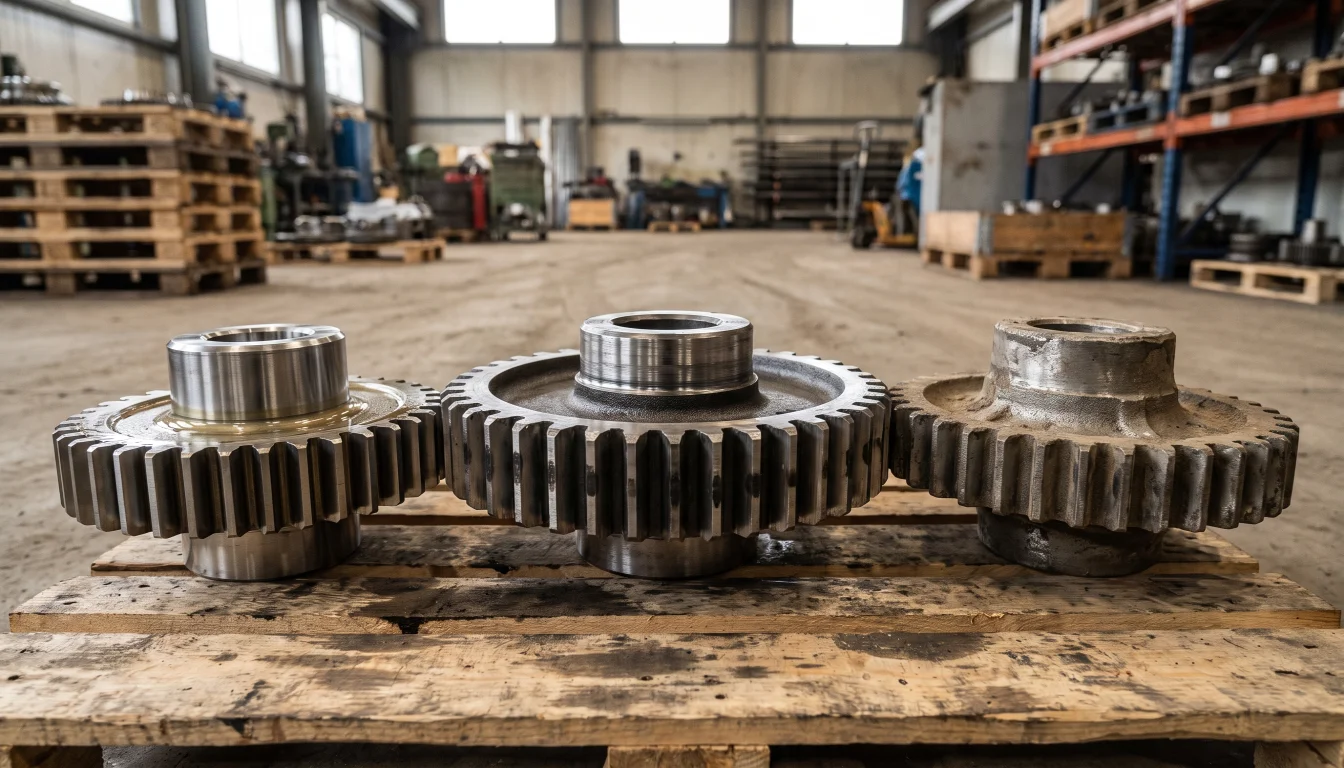
Choosing the right part type matters as much as picking the supplier. Below is a breakdown to help you decide.
| Supplier Type | Example Companies | Pros | Cons | Best For |
|---|---|---|---|---|
| OEM-Only Dealers | PECO, specialist suppliers | Genuine parts, full warranty, factory support | Higher prices, limited to represented brands | Newer equipment under warranty; brand-loyal fleets |
| Mixed Inventory (OEM + Aftermarket) | specialist suppliers, equipment-rental marketplaces | Wide selection, competitive pricing | Need to verify aftermarket quality | Fleet managers seeking balance of cost and performance |
| Global OEM Specialists | 3GEN Export | International logistics, customs clearance, direct manufacturer links | May require larger orders or advance planning | Multinational contractors and exporters |
| Rebuilt/Salvage Specialists | Specialist rebuilders, specialist suppliers | Significant cost savings versus new, tested and warrantied | Limited to available cores, variable cosmetic condition | Older machines; budget-sensitive operations |
When sourcing for critical systems like hydraulic pumps or final drives, many procurement managers prefer oem heavy equipment parts suppliers that stock rebuilt units backed by equal-to-new performance guarantees. some suppliers, for example, have served over 50,000 customers since 1984 and lists rebuilt final drives for models like the Komatsu D65EX-16 at competitive rates. Remanufacturing at this level typically involves dynamometer testing and full teardown inspection before a component is cleared for resale, a process similar to what OEM factory reman programs use.
Price Expectations and Budgeting for OEM Heavy Equipment Parts
Pricing for heavy equipment parts falls into three broad tiers: budget aftermarket, mid-range remanufactured, and premium genuine OEM. Understanding where each part fits helps you negotiate and avoid overpaying in 2026.
Budget Tier: Used and Aftermarket Parts
Aftermarket replacement parts can cost up to 70% less than new OEM equivalents, as advertised by specialist suppliers. Salvage yards and dedicated used-part dealers offer even deeper discounts, though condition varies widely from unit to unit. For non-safety-critical components like body panels or bracketry, this tier often makes sense.
Mid-Range: Remanufactured and Rebuilt Components
Remanufactured engines, transmissions, and hydraulic components typically run 50-65% of new OEM price and come with warranties up to 6 months. a leading supplier's certified parts team, with over 95 years of combined experience, illustrates the expertise required for quality remanufacturing work. Specialist rebuilders in Joshua, TX, similarly draws on decades of cumulative rebuild experience to ensure reman components meet strict testing standards before they ship.
Premium: Genuine OEM Parts
New OEM parts carry the full manufacturer price but eliminate compatibility risk entirely. A complete final drive for a Caterpillar 315B might cost around $11,120 from an independent supplier, while a track spring assembly for a Volvo EC330B could run about $1,600. These investments make sense for mission-critical equipment or when resale value depends on a documented OEM parts history.
Care and Maintenance to Extend Parts Lifespan
Extending the life of OEM components starts with correct installation and consistent upkeep. Follow the manufacturer's torque specifications and use the recommended lubricants every time. Even the highest-quality OEM hydraulic cylinder will fail early if contaminated fluid circulates through the system.
Pro Tip: Store spare parts in climate-controlled conditions. Rubber seals and gaskets degrade quickly in high heat or direct sunlight, even while sitting unused on a shelf. Most leading oem heavy equipment parts suppliers include detailed maintenance instructions with each shipment, so review those before installation rather than relying on memory or guesswork.
How to Assemble a Complete Parts Package for Your Fleet
Smart fleet managers don't wait for breakdowns to start sourcing. They build strategic parts packages tailored to their equipment mix ahead of time. Here's a sample plan for a mid-sized excavator fleet.
Step 1: Analyze Common Failure Points
Review your maintenance logs first. For excavators, the highest-wear items are usually bucket pins, hydraulic hoses, cylinder seal kits, and undercarriage components. Prioritize these in your stocking plan before anything else.
Step 2: Partner With a Supplier Offering Kitting Services
Some oem heavy equipment parts suppliers will pre-assemble critical part kits for each machine type, which streamlines the ordering process considerably. Ask about customized kits built around 250-hour, 500-hour, and 1000-hour service intervals.
Step 3: Rotate Stock and Track Expiration
Even unused parts have shelf lives. Assign expiration dates to filters, belts, and sealants, and use first-in-first-out inventory rotation to avoid waste. An online parts management platform can automate reordering when quantities dip below par levels.
Pros and Cons of Sourcing Through OEM Heavy Equipment Parts Suppliers
Pros
- Guaranteed fit and compatibility with manufacturer specifications
- Warranty coverage that protects your investment on critical components
- Access to certified technical support and installation documentation
- Better resale value for equipment with a documented OEM parts history
Cons
- Higher upfront cost compared to aftermarket or salvage alternatives
- Longer lead times for rare or discontinued part numbers
- Limited flexibility if you run mixed-brand fleets across multiple manufacturers
- Some suppliers require minimum order quantities for international shipments
Frequently Asked Questions
How can I verify a supplier is an authorized OEM dealer?
Check the manufacturer's official website for a dealer locator tool. Authorized dealers will appear there and can provide a certification letter on request. Never rely on a supplier's claim alone; always cross-reference with the OEM directly.
What's the typical warranty on rebuilt heavy equipment parts?
Most reputable rebuilders offer warranties ranging from 6 months to 1 year. Specialist rebuilders, for example, provides a 6-month warranty on all tested reman components. Always confirm what the warranty covers, since some exclude labor or shipping damage.
Are aftermarket parts as reliable as OEM?
It depends on the manufacturer and the application. High-quality aftermarket brands can match OEM specs closely, but many lower-tier imports use lower material grades. For safety-critical systems like steering or braking, OEM is strongly recommended.
Can I return a part if it doesn't fit my machine?
Most suppliers allow returns within 30 days, often with a restocking fee of 15-25%. Keep all original packaging and avoid installing the part before you decide. Some suppliers apply stricter policies to electrical components, so review the return policy before you buy.
How much do global logistics impact part delivery times?
International shipping can add several business days, plus time for customs clearance. Suppliers like 3GEN Export specialize in navigating these steps, pre-clearing shipments and using priority freight to minimize delays. Always request a guaranteed delivery window for critical orders.
Do OEM parts improve machine resale value?
Yes. Equipment with a documented history of genuine OEM parts typically commands a higher resale value, according to industry data from Grand View Research (source). Buyers view it as a marker of proper maintenance and lower future repair risk.
"Buyers increasingly ask for parts documentation before closing on used equipment. A clean OEM parts history can shave weeks off a resale negotiation." - common observation among heavy equipment resale brokers
Conclusion
The right oem heavy equipment parts suppliers do more than ship boxes: they become partners in keeping your fleet productive. Whether you need a genuine John Deere hydraulic pump overnight or a reman Caterpillar transmission with a 6-month warranty, prioritize suppliers with deep inventory, certified authenticity, and global logistics capabilities. By using digital sourcing tools and building a strategic parts package, you can cut downtime and keep your fleet running through 2026 and beyond. For related guidance, see our maintenance scheduling guide and our breakdown of hydraulic cylinder seal kits, both available on the 3genexport.com blog, along with our full parts categories and brands pages.
Shop OEM-quality spare parts with global 5-day delivery at 3genexport.com.