
Sandvik parts are specialized components designed for Sandvik heavy equipment in mining, construction, and manufacturing operations worldwide.
Key Takeaways
- Genuine OEM components offer the highest reliability and are tested to original design standards.
- Aftermarket alternatives provide a cost-effective alternative, often with comparable quality if sourced from reputable suppliers.
- Refurbished components can extend equipment life at a fraction of the cost, but require careful inspection.
- Online portals like My Sandvik give you access to over 130,000 parts with real-time pricing and compatibility checks.
- Verifying part numbers and authenticity is critical to avoid counterfeits and ensure proper fit.
Why Sandvik Equipment Demands High-Quality Parts
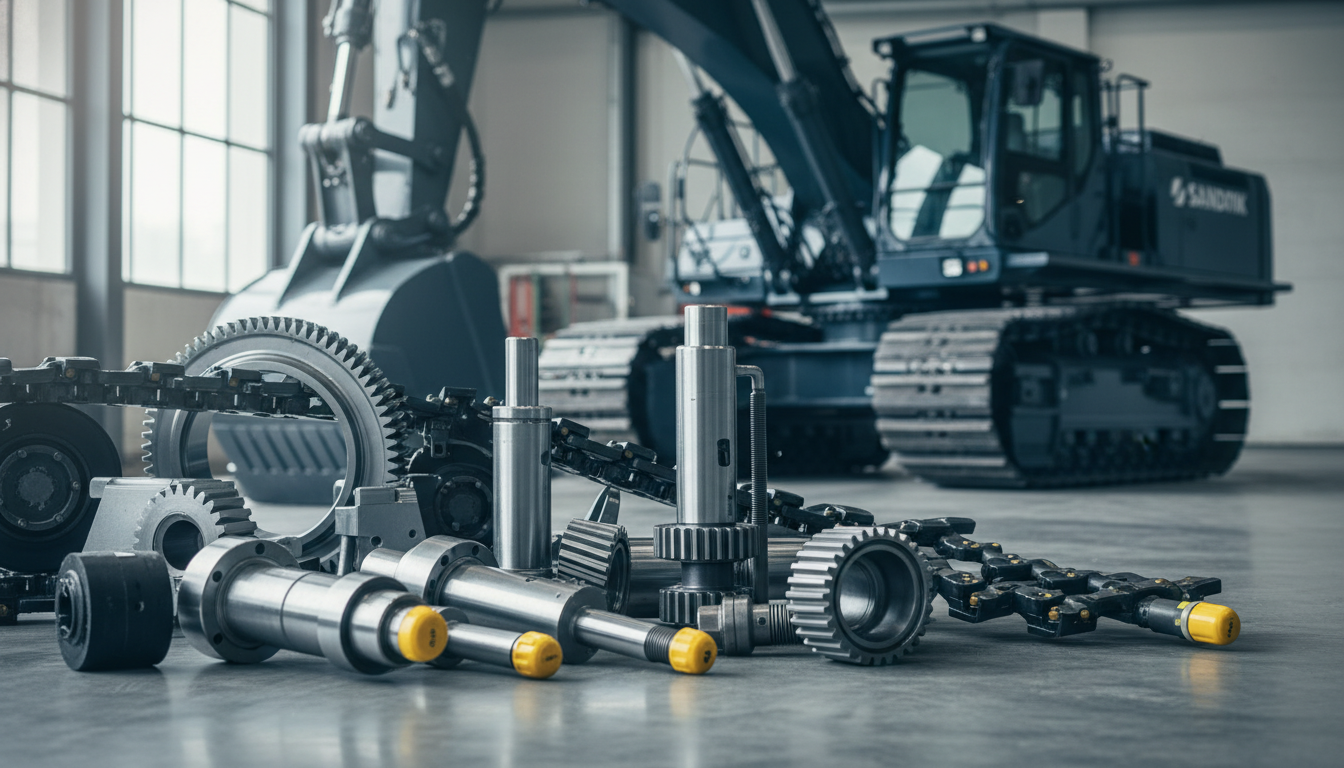
Sandvik machines, underground drill rigs, surface drills, loaders, and crushers, operate in extreme conditions with high vibration, dust, and heavy loads. Using substandard components leads to frequent breakdowns, safety hazards, and costly downtime. Genuine components are engineered to handle these stresses, preserving machine integrity.
“Sandvik genuine spare parts are selected and tested following our engineering design standards and the latest technology available. A perfect fit, these allow you to meet peak performance and protect your equipment in the toughest operating conditions.” – Sandvik Mining
OEM components also help maintain warranty compliance and resale value. Aftermarket options can be viable when sourced carefully, but the initial savings may evaporate if they cause premature wear or failure.
Impact on Equipment Lifespan
According to Sandvik, using genuine components extends service life and reduces the need for frequent repairs. This translates directly to lower total cost of ownership (TCO). For example, a worn pin or bushing may cost only $35 to replace, but if it fails, it can damage a $3,000 hydraulic cylinder.
Types of Sandvik Parts: OEM, Aftermarket, and Refurbished

When sourcing replacement components, you’ll encounter three main categories. Each has its place depending on budget, lead time, and equipment criticality.
OEM Sandvik Parts
Original Equipment Manufacturer components come directly from Sandvik or authorized distributors. They match the exact specifications of the original component and are manufactured under strict quality control. Features include:
- Perfect fit and performance, no modifications needed.
- Comprehensive warranty, usually 6 to 12 months.
- Full traceability, you can verify origin and batch.
These are the safest choice for safety-critical systems like brakes, steering, and high-pressure hydraulics.
Aftermarket Sandvik Parts
Aftermarket components are produced by third-party manufacturers. They are often 20–50% cheaper than OEM, but quality varies significantly. Reputable aftermarket suppliers reverse-engineer OEM designs and use comparable materials. When buying aftermarket, look for:
- ISO 9001 certified manufacturing.
- Material certifications for critical components.
- Positive reviews and case studies from other Sandvik equipment owners.
Vintage Parts, for instance, lists over 140 aftermarket components with prices starting as low as $5.25 for small hardware and reaching $700 for complete kits. This range illustrates the cost flexibility aftermarket options provide.
Refurbished or Used Components
Refurbished components are original items that have been rebuilt to working condition. They are excellent for older machines where new components are no longer manufactured. The rebuild process may include replacing seals, bearings, and wear surfaces. Always request a test report and warranty when buying refurbished.
How to Verify Authentic Sandvik Parts

Counterfeit components are a growing problem in heavy equipment markets. Fake items often look genuine but use inferior materials that can fail catastrophically. Follow these steps to ensure you’re getting authentic components:
- Check the holographic label: Genuine Sandvik packaging includes a silver hologram with the Sandvik logo and a unique serial number. Verify this number on the My Sandvik portal.
- Inspect the machining quality: OEM components have consistent surface finishes, precise threading, and sharp, clean markings. Counterfeits may show rough edges or blurry etchings.
- Compare weight and dimensions: Use a digital caliper and scale. Even slight deviations from specifications mean the component won’t fit correctly.
- Buy from authorized channels: Only purchase from Sandvik directly, authorized dealers, or well-known aftermarket suppliers with a documented return policy.
Decoding Sandvik Part Numbers
All components have a structured part number, often starting with a product group code (e.g., “2865” for mining equipment). You can cross-reference this number in the online catalog or manual. The My Sandvik portal allows you to enter the part number and immediately see compatibility with your specific machine serial number.
Where to Buy Sandvik Parts: Online Portals, Dealers, and Surplus

Procurement channels vary in speed, price, and support. The right choice depends on your location and urgency.
My Sandvik Customer Portal
This official platform gives you 24/7 access to over 130,000 spare components. You can:
- Check real-time pricing and availability.
- View breakdown diagrams.
- Place orders and request quotes.
“Explore over 130,000 spare parts available on the My Sandvik customer portal, where you can also view compatibility with your machines.” – Sandvik Mining
Signing up is free for equipment owners and gives you direct access to the same system used by Sandvik’s own service teams.
Authorized Sandvik Dealers
Local dealers provide hands-on support, emergency delivery, and technical advice. They can also handle warranty claims and core returns for exchange programs. Use the Find an office tool on Sandvik’s website to locate the nearest authorized distributor.
Independent Aftermarket Suppliers
Companies like Vintage Parts and Drill-Parts.com stock thousands of alternative and surplus components. They often ship worldwide and offer competitive pricing. When evaluating an independent supplier:
- Check how long they have been in business.
- Read customer reviews and ask for references.
- Confirm their return and warranty policies.
Sandvik Parts Pricing: What to Expect
Prices vary drastically based on component type, material, and source. Below is a breakdown of typical cost tiers based on real listings from aftermarket catalogs.
| Category | Examples | Price Range |
|---|---|---|
| Budget (under $50) | Pins, bushings, switches, small filters | $5.25 – $45.96 |
| Mid-Range ($50–$400) | Jaws, chutes, sensor kits, rubber kits | $320.11 – $373.59 |
| Premium ($400–$700+) | Conveyor belts, complete hopper doors | $427.48 – $693.96 |
For OEM components, expect to pay 20–50% more than aftermarket equivalents. However, the extra cost is often justified by longer service life and reduced downtime risk. Many operations budget $10,000–$50,000 annually for replacement components per machine, depending on utilization.
Step-by-Step: Ordering the Right Sandvik Parts
- Locate the equipment model and serial number: The serial plate is usually fixed to the main frame or inside the operator cabin.
- Find the part number: Consult the machine’s manual (available on My Sandvik) or use the interactive exploded‑view diagrams online.
- Check compatibility: On the portal, enter the part number and your machine’s serial number to confirm a match.
- Compare options: Note the OEM price and lead time. Then check aftermarket alternatives for cost savings, but verify manufacturer credentials.
- Order and track: Place your order through the chosen channel. Confirm shipping method and delivery window. Many suppliers ship in‑stock items within 48 hours.
- Inspect upon arrival: Before installation, check the component against your old one and verify all markings, threads, and dimensions.
Maintenance Tips to Extend the Life of Your Sandvik Parts
Even the highest quality components will underperform if not properly maintained. Follow these practices to maximize component lifespan:
- Adhere to service intervals: Replace filters, fluids, and wear items on the schedule defined in your Sandvik operator manual.
- Use clean lubricants: Contaminated oil is a primary cause of premature bearing and seal failure.
- Monitor operating parameters: Telemetry systems like Sandvik Remote Monitoring Service can alert you to abnormal vibrations or temperatures before a component fails.
- Train operators: Proper equipment handling reduces shock loads and wear.
- Inspect regularly: A simple visual check can catch loose bolts, leaking seals, or cracked welds early.
For wear items like bucket teeth or drill bits, rotating them before they are fully worn can extend overall replacement intervals by 10–15%.
Pros and Cons
Pros
- OEM quality assurance: Genuine components meet exact specifications and undergo rigorous testing
- Comprehensive warranty coverage: Most OEM items include 6-12 month protection against defects
- Global availability: Over 130,000 components available through official portals with worldwide shipping
- Aftermarket cost savings: Third-party alternatives can reduce procurement costs by 20-50%
Cons
- Higher OEM pricing: Genuine components command premium prices compared to aftermarket options
- Counterfeit risk: Fake components in the market require careful verification and sourcing
- Lead time variations: Some specialized components may require 2-4 weeks for delivery
- Quality inconsistency: Aftermarket suppliers vary significantly in manufacturing standards and reliability
Frequently Asked Questions
Are aftermarket sandvik parts safe to use?
Yes, if sourced from a reputable manufacturer that follows OEM specifications. Avoid no‑name components for safety‑critical systems like brakes or steering.
How do I find the part number for my Sandvik machine?
The part number is listed in the machine’s manual or on the My Sandvik portal. You can also search by machine serial number to find all applicable components.
What is the typical lead time for sandvik parts?
In‑stock OEM components often ship within 24–48 hours from regional warehouses. Aftermarket suppliers may ship the same day. Custom or remanufactured items can take 2–4 weeks.
Do sandvik parts come with a warranty?
Genuine Sandvik components typically carry a 6‑ to 12‑month warranty against manufacturing defects. Aftermarket suppliers may offer warranties ranging from 90 days to a year; always confirm before purchasing.
Can I return sandvik parts if they don’t fit?
Most authorized dealers and online portals allow returns within 30 days if the component is unused and in original packaging. Double‑check compatibility using your serial number before ordering to avoid restocking fees.
Is it worth buying used sandvik parts?
For older or discontinued equipment, used components can be the only option. When buying used, request a detailed inspection report and ensure the supplier offers a warranty or exchange policy.
Shop OEM-quality spare parts with global 5-day delivery at 3genexport.com