
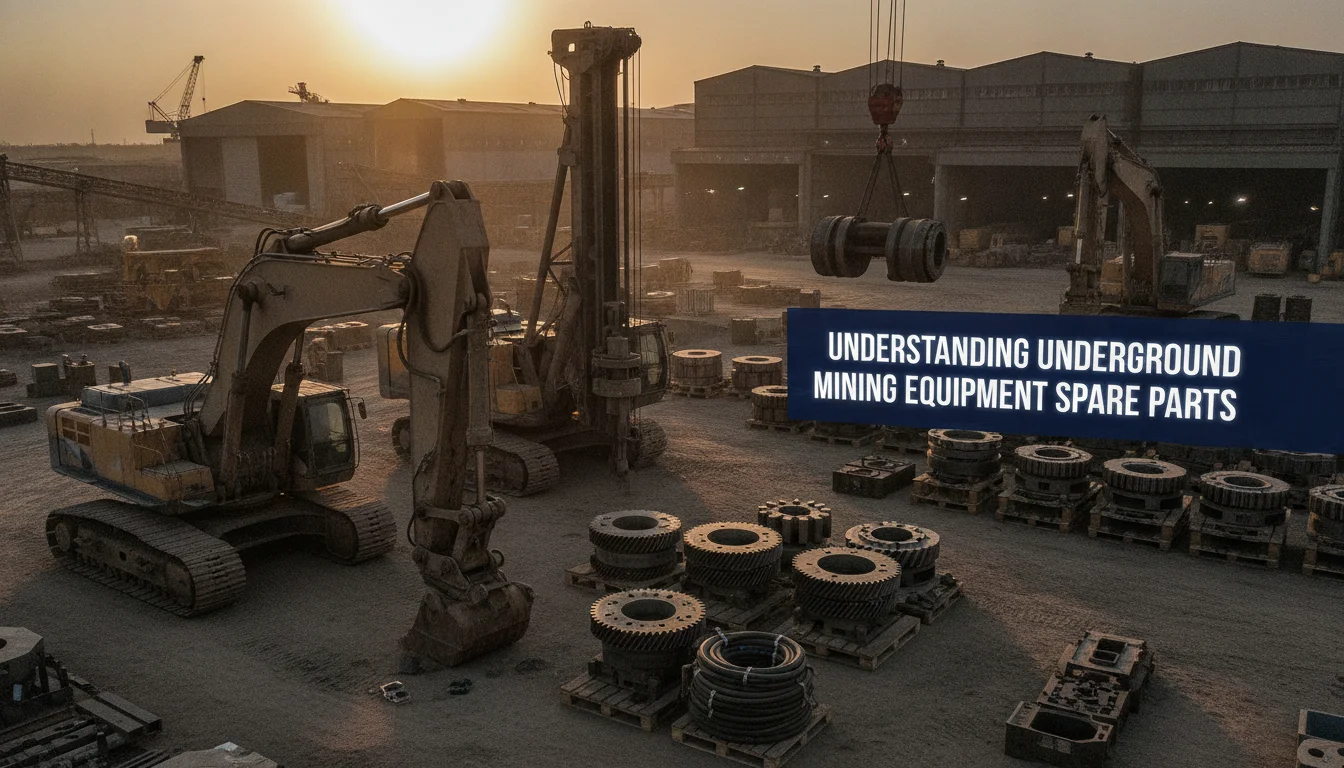
Underground Mining Equipment Spare Parts: 2026 Buying Guide
Buying underground mining equipment spare parts in 2026? Compare OEM vs aftermarket, pricing tiers, top suppliers, and maintenance tips before you order.
Loading article…
Article Not Found
The article you're looking for doesn't exist or may have been removed.
Back to BlogKey Takeaways
- Understanding the types of underground mining equipment spare parts is crucial for operational efficiency.
- Regular maintenance and timely replacement of parts can prevent costly downtime.
- Choosing the right supplier ensures quality and compatibility of spare parts.
- Consider OEM parts for reliability, but also explore alternative options for cost savings.
- Familiarize yourself with the specific needs of your mining operations to make informed purchasing decisions.
- As of 2026, global suppliers are expanding remanufacturing programs to offset longer OEM lead times.
Underground mining equipment spare parts are the hydraulic, drivetrain, electrical, and wear components that keep loaders, drill rigs, and haul trucks running safely below ground. Sourcing the right ones matters more than most buyers realize.
"In the underground mining industry, the reliability of equipment is paramount. Quality spare parts not only enhance performance but also extend the lifespan of machinery, ensuring safety and efficiency in operations." - Industry Expert
Understanding Underground Mining Equipment Spare Parts
spare parts are the replacement components, ranging from hydraulic cylinders to axle assemblies, that restore or extend the working life of loaders, drills, and haul trucks operating below surface. Their timely replacement is critical to avoid equipment failure and downtime. We've seen operations lose entire shifts waiting on a single hydraulic seal that could have been stocked in advance.
Types of Spare Parts
There are several categories of spare parts used in underground mining operations:
- Hydraulic Components: These include hydraulic cylinders, pumps, and valves that are crucial for the operation of mining equipment.
- Drivetrain Parts: Components such as axles, transmissions, and differentials that transmit power from the engine to the wheels.
- Electrical Systems: Parts like wiring harnesses, sensors, and control modules that manage the electrical functions of mining machinery.
- Wear Parts: Items that are subject to frequent wear and tear, such as bucket teeth, liners, and filters.
Common Manufacturers and Brands
Some of the major manufacturers of underground mining equipment and their respective spare parts include:
- Atlas Copco: Known for their rock drills and pneumatic tools.
- Komatsu: Offers a range of heavy machinery and replacement parts.
- Sandvik: Specializes in mining and rock excavation equipment.
- Epiroc: Provides a variety of mining and construction tools and spare parts.
Beyond these four, buyers frequently source powertrain components compatible with Axletech, Dana Spicer, Deutz, Funk Deere, Kessler, Hurth, and Rockwell drivelines, since many underground loaders and trucks integrate these third-party components into their drivetrains, according to supplier documentation from remanufacturing specialists in the space.
What to Look For When Buying Spare Parts
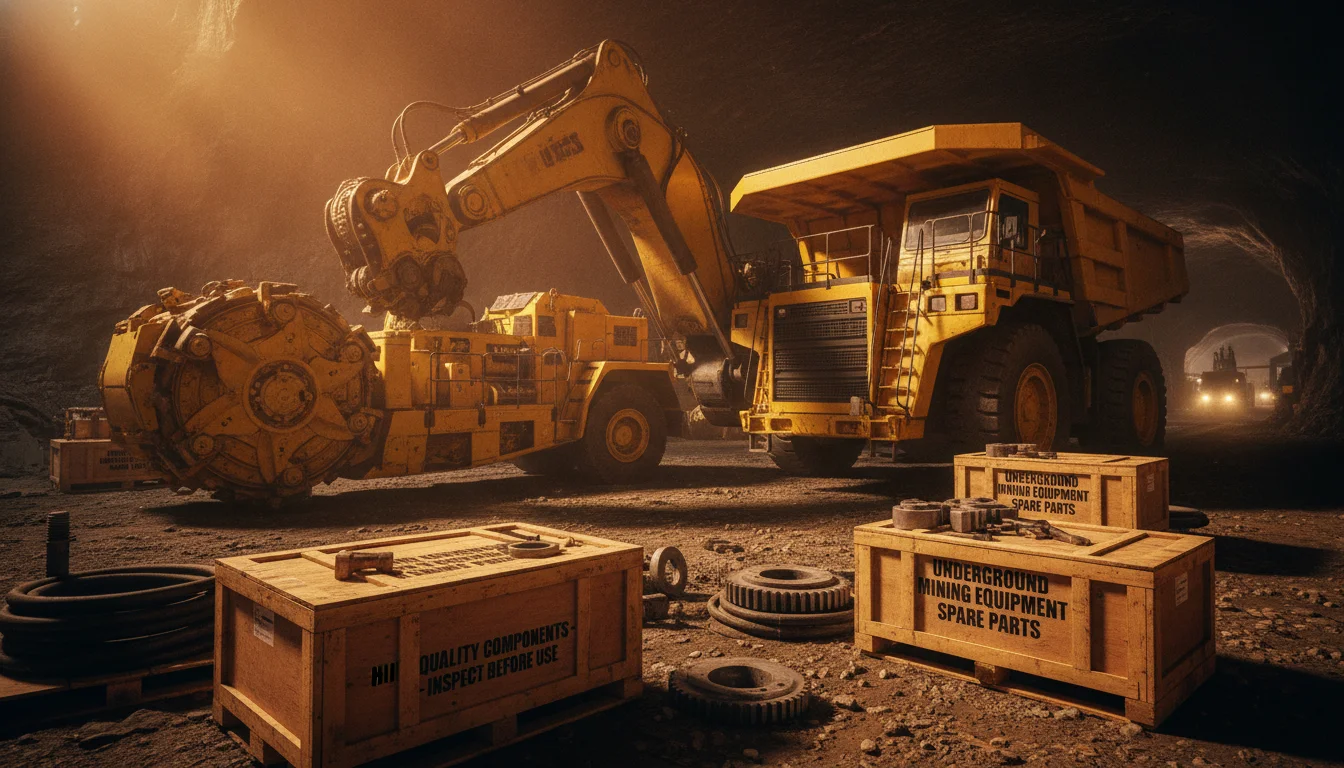
What should you look for when buying this type of parts? Prioritize material quality, exact compatibility with your machine's part numbers, a supplier with a verifiable track record, and clear pricing across budget, mid-range, and premium tiers.
Material Quality
The material used in spare parts significantly affects durability and performance. Look for parts made from high-quality materials that can withstand harsh mining conditions, including constant vibration, moisture, and heavy cyclic loads.
Compatibility
Ensure that the spare parts are compatible with your existing equipment. This includes checking the part number and specifications against your machinery's requirements. A mismatched revision on an axle or transmission component can cause installation delays or premature failure, so cross-reference the supplier drawing before ordering.
Supplier Reputation
Choose suppliers with a strong reputation in the industry. Look for reviews and testimonials to gauge their reliability and customer service. Suppliers with decades of remanufacturing experience and documented quality control processes tend to deliver more consistent results than newer entrants.
Price Range
Spare parts can vary widely in price. Generally, you can expect the following tiers when sourcing this kind of spare parts:
- Budget Range: $100 - $500 for basic components such as filters, seals, and small wear items.
- Mid-Range: $500 - $1,500 for more complex parts like hydraulic pumps and control modules.
- Premium Range: $1,500 and above for specialized or OEM parts, including drivetrain assemblies and large hydraulic cylinders.
Pro Tip: Budget for a 10-20% buffer above your initial quote when ordering premium-tier drivetrain parts. Freight, customs duties, and expedited handling fees for cross-border shipments often push final landed cost higher than the sticker price.
How to Choose Between OEM, Remanufactured, and Aftermarket Parts
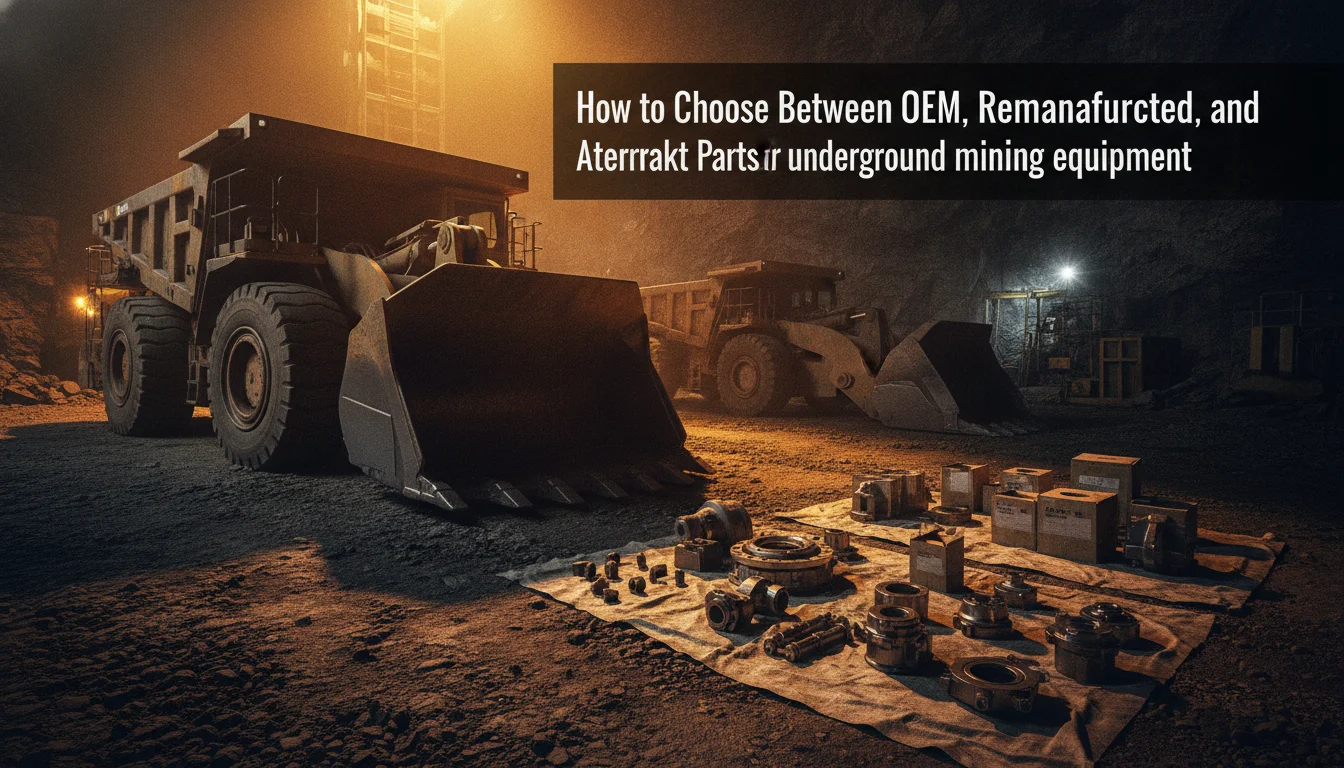
Choosing between OEM, remanufactured, and aftermarket the mining equipment spare parts comes down to your downtime tolerance, budget, and how critical the part is to machine safety. Safety-critical assemblies like brakes and axles generally warrant OEM or certified remanufactured parts, while routine wear items can often be sourced aftermarket at lower cost.
OEM parts are manufactured by the original equipment maker and guarantee exact fit and factory-spec performance. Remanufactured components are rebuilt to genuine specifications, often carrying international warranty coverage, and represent one of the more sustainable and cost-effective paths for high-wear drivetrain and hydraulic parts. Aftermarket parts, produced by third-party manufacturers, can offer savings on non-critical wear items but require closer scrutiny of material quality and compatibility documentation.
| Part Category | Best Sourcing Option | Typical Price Tier | Example Use Case |
|---|---|---|---|
| Brakes, axles, steering | OEM or certified remanufactured | Premium | Safety-critical drivetrain assemblies |
| Transmissions, hydraulic pumps | Remanufactured or OEM | Mid-range to Premium | Drivetrain and hydraulic rebuilds |
| Seals, filters, hoses | Aftermarket or OEM | Budget | Routine scheduled maintenance |
| Bucket teeth, liners | Aftermarket wear parts | Budget to Mid-range | High-wear consumables |
How to Maintain Underground Mining Equipment Spare Parts
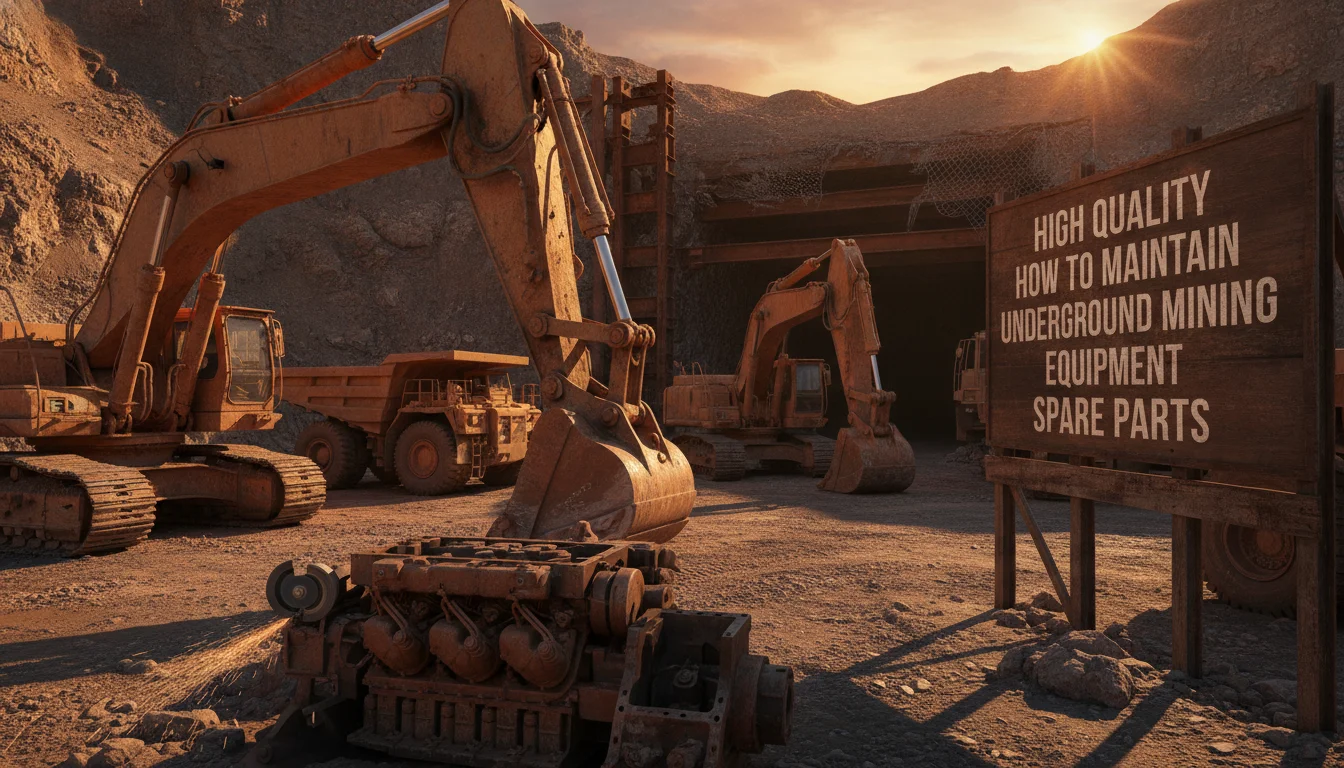
Maintaining parts requires documented inspection routines, condition tracking, and controlled storage to prevent premature failure. Follow these steps:
Step 1: Record the Machine, Assembly, and Part Number
Create a record for the machine model, serial range, assembly position, part number, revision, quantity, and key dimensions before installation. Keep the supplier drawing or specification with the record. This lets a warehouse team distinguish a front-axle component from a rear-axle component and catch superseded revisions before they reach the field.
Step 2: Conduct Regular Inspections
Conduct routine inspections of all spare parts to identify wear and tear. This includes checking hydraulic systems, electrical components, and drivetrain parts on a documented interval rather than an ad hoc basis.
Step 3: Document Condition
Maintain a record of each part's condition, including any repairs or replacements made. This documentation helps in tracking performance and planning future maintenance cycles.
Step 4: Clean and Protect Parts
Keep spare parts clean and free from moisture and contaminants. Store them in a controlled environment to prevent corrosion and damage, particularly for sealed hydraulic and electrical components.
Separating parts into groups helps prioritize maintenance effort. Safety and fit-critical assemblies (brakes, axles, differentials, steering) need full identity and condition records before release. Drivetrain and hydraulic components need sealed storage and contamination control. Routine wear items like seals, filters, and fasteners need only batch identification and basic condition checks.
Constant vibration, impact, and heavy loads accelerate wear on essential mining machinery components in underground environments. Without proactive maintenance and timely replacement, minor issues can escalate quickly into costly downtime and expensive repairs, a pattern documented across multiple mining equipment service providers.
Care & Maintenance: What to Expect Underground
What should you expect when maintaining spare parts in an underground mine? Expect harsher wear rates than surface equipment due to confined ventilation, moisture, and constant vibration, which means shorter inspection intervals for hydraulic and electrical components. Coal-mine or explosion-protected parts carry additional safety and compliance requirements that trackless metal-mining equipment does not.
Regular maintenance protects worker safety, keeps operational efficiency high, and extends the working life of expensive machinery. Faulty or worn-out parts pose real safety risks underground, and regulatory compliance frameworks in most mining jurisdictions require documented maintenance schedules. Budget for more frequent filter and seal replacement in wet or high-particulate underground conditions compared to open-pit operations.
Pros and Cons
Pros
- OEM and remanufactured parts extend machine lifespan and reduce unplanned downtime.
- Global suppliers now offer fast cross-border shipping, shrinking the wait for critical components.
- Remanufactured options deliver near-OEM performance at a lower cost point.
- A wide range of aftermarket options exists for non-safety-critical wear parts, improving budget flexibility.
Cons
- Premium OEM parts for drivetrain and hydraulic assemblies carry high upfront costs.
- Compatibility errors on aftermarket parts can cause installation delays or early failure.
- Lead times for specialized parts can still stretch several weeks depending on origin and customs processing.
- Inconsistent quality control among lesser-known aftermarket suppliers increases inspection burden.
Comparison of Top Suppliers for Underground Mining Equipment Spare Parts
| Supplier | Product Range | Specialization | Location |
|---|---|---|---|
| ARAMINE | Axles, engines, hydraulic components | Remanufactured parts | France |
| Mining Equipment Parts | Rock drills, pneumatic tools | OEM parts | India |
| HEPI | New and remanufactured parts | Longwall mining | USA |
| Quarry And Mining Spares | OEM and alternative parts | Global supply | Australia |
ARAMINE, for example, operates a central logistics center in Aix-en-Provence, France, and ships to customers in dozens of countries worldwide, according to company disclosures. HEPI, operating through its Brake Supply division, maintains dedicated facilities in West Virginia positioned close to coal-producing regions specifically to shorten turnaround for Longwall and conventional underground customers.
2026 Outlook for Underground Mining Spare Parts Sourcing
As of 2026, buyers are leaning harder into remanufacturing programs and diversified global sourcing to reduce single-supplier risk. This year has seen more mining operations formalize their part identification and documentation workflows, in part because sudden equipment failures underground carry outsized safety and production costs. We expect that trend toward documented, traceable parts sourcing to continue as underground mines push equipment fleets to run longer between full overhauls. Buyers who standardize on a smaller number of trusted global suppliers for underground mining, rather than chasing the lowest quote on every order, tend to report fewer compatibility surprises during installation.
Frequently Asked Questions
What types of equipment require spare parts?
Common underground mining equipment includes loaders, drill rigs, and haul trucks, all of which require various spare parts for optimal operation. Hydraulic cylinders, axles, and control modules are among the most frequently replaced components across these machine types.
How can I ensure compatibility of spare parts?
Check the part number and specifications against your equipment's manual or consult with the supplier for confirmation. Keeping a documented record of machine model, serial range, and assembly position also prevents costly mismatches during installation.
What is the difference between OEM and aftermarket parts?
OEM parts are made by the original manufacturer, ensuring compatibility and quality, while aftermarket parts are produced by third-party manufacturers and may offer cost savings. Remanufactured parts sit between the two, rebuilt to genuine specifications and often backed by international warranty coverage.
How often should I replace spare parts?
Replacement frequency depends on usage and wear; however, regular inspections can help determine when parts need to be replaced. Underground conditions such as constant vibration and moisture exposure typically shorten replacement intervals compared to surface equipment.
Where can I buy underground mining equipment spare parts?
Spare parts can be purchased from specialized suppliers, online marketplaces, or directly from manufacturers. Buyers should compare product range, specialization, and shipping capability before committing to a supplier relationship.
What are the benefits of remanufactured parts?
Remanufactured parts are often more cost-effective and environmentally friendly, providing quality performance comparable to new parts. Many remanufacturing programs also include international warranty coverage, which reduces the risk compared to unverified aftermarket alternatives.
Which underground mining machines see the highest spare parts demand?
Underground loaders, drill rigs, and Longwall shield systems typically generate the highest ongoing demand for underground mining equipment spare parts due to their constant operating cycles and exposure to abrasive conditions. Hydraulic cylinders and drivetrain components are consistently among the most-replaced parts on these machines.
Ready to source reliable components without the guesswork? Shop OEM-quality spare parts with global 5-day delivery at 3genexport.com and keep your underground fleet running.