
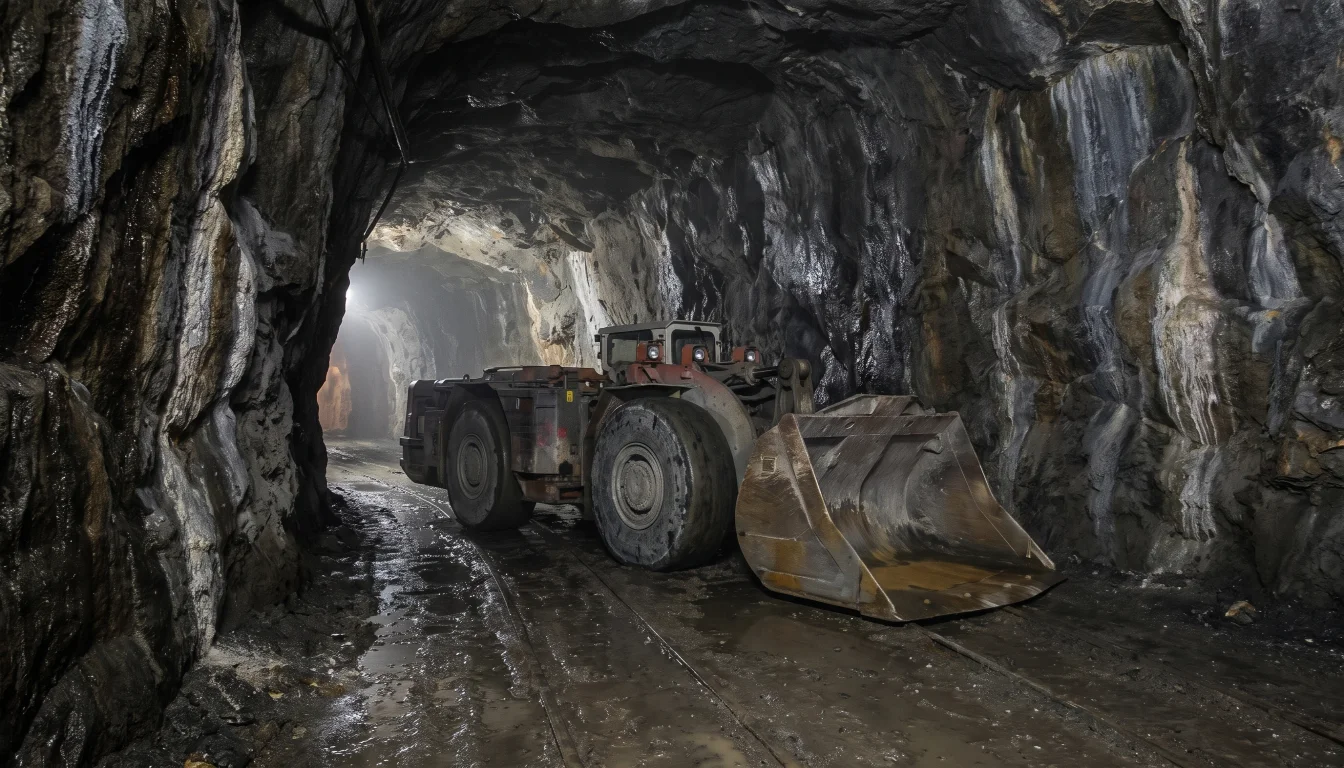
Underground Mining Spare Parts: 2026 Buyer's Guide
Compare OEM, aftermarket & reman underground mining spare parts. Get sourcing steps, supplier data & logistics tips to cut costs and downtime in 2026.
Loading article…
Article Not Found
The article you're looking for doesn't exist or may have been removed.
Back to BlogUnderground mining spare parts are the replacement components, from hydraulic cylinders to drifter wear parts, that keep loaders, drills, and haul trucks running in deep mining operations. This guide compares OEM, aftermarket, and remanufactured options and shows you how to source them without costly mismatches.
Key Takeaways
- Part Type Matters: OEM parts guarantee exact fit and performance, while quality aftermarket or remanufactured spare parts can cut costs by roughly 30-50%.
- Online Catalogs Are Essential: Platforms like Aramine's SmartParts list over 1.5 million spare parts, simplifying cross-referencing.
- Compatibility is Non-Negotiable: Always verify OEM part numbers or use manufacturer-approved interchange tools to avoid costly mismatches.
- Global Logistics Impact Lead Times: Suppliers with warehouses across multiple regions can deliver rush orders within 48-72 hours.
- Maintenance Extends Life: Routine inspections and proper installation meaningfully increase part longevity and reduce unplanned failures.
What to Look For When Buying Underground Mining Spare Parts
The right this type of parts directly protect uptime, safety, and total cost of ownership, so evaluation should start with build quality, compatibility, price, and supplier reliability. According to a McKinsey Digital Mine report, unscheduled equipment downtime can carry a substantial hourly cost for a mid-size mine, which makes part selection a financial decision as much as a technical one. We break the evaluation into four criteria below.
Material and Build Quality
Underground conditions, extreme pressure, abrasive dust, and constant moisture, demand parts made from hardened steels, corrosion-resistant alloys, and high-grade rubber compounds. Look for ISO 9001-certified manufacturers who publish material specifications rather than vague marketing claims. Specialist parts supplier, for example, supplies clevis pins and hexagon screws machined to OEM standards for Sandvik and Epiroc rigs, built to withstand repeated high-load cycles underground.
OEM Specifications vs. Compatibility
Always check the original part number and equipment model before ordering. Top-tier suppliers like Aramine and GHH offer electronic spare parts books, GHH's is called eDokS, that let you cross-reference technical drawings down to the component level. Some aftermarket manufacturers produce drop-in compatible parts that match OEM dimensions and performance, but a technical audit is worth the time for critical components like hydraulic cylinders or transmissions.
Price and Value
Budget-level parts may look attractive on paper but often lead to more frequent replacements and higher lifetime cost. Mid-range aftermarket parts typically deliver most of OEM service life at a noticeably lower price point. Premium OEM parts come with extended warranties, often up to 12 months, plus direct engineering support. For components like shield cylinders and brake systems, remanufactured this kind of spare parts can deliver near-new performance at a meaningful discount versus new OEM pricing.
Supplier Reliability
Choose partners with proven logistics networks, not just competitive pricing. GHH, for instance, maintains warehouses in Germany, India, Mexico, and South Africa, offering overnight and airfreight options for urgent orders. Read reviews, ask about response time for technical queries, and confirm whether the supplier handles customs documentation for international shipments.
OEM vs. Aftermarket vs. Remanufactured Parts: Pros and Cons
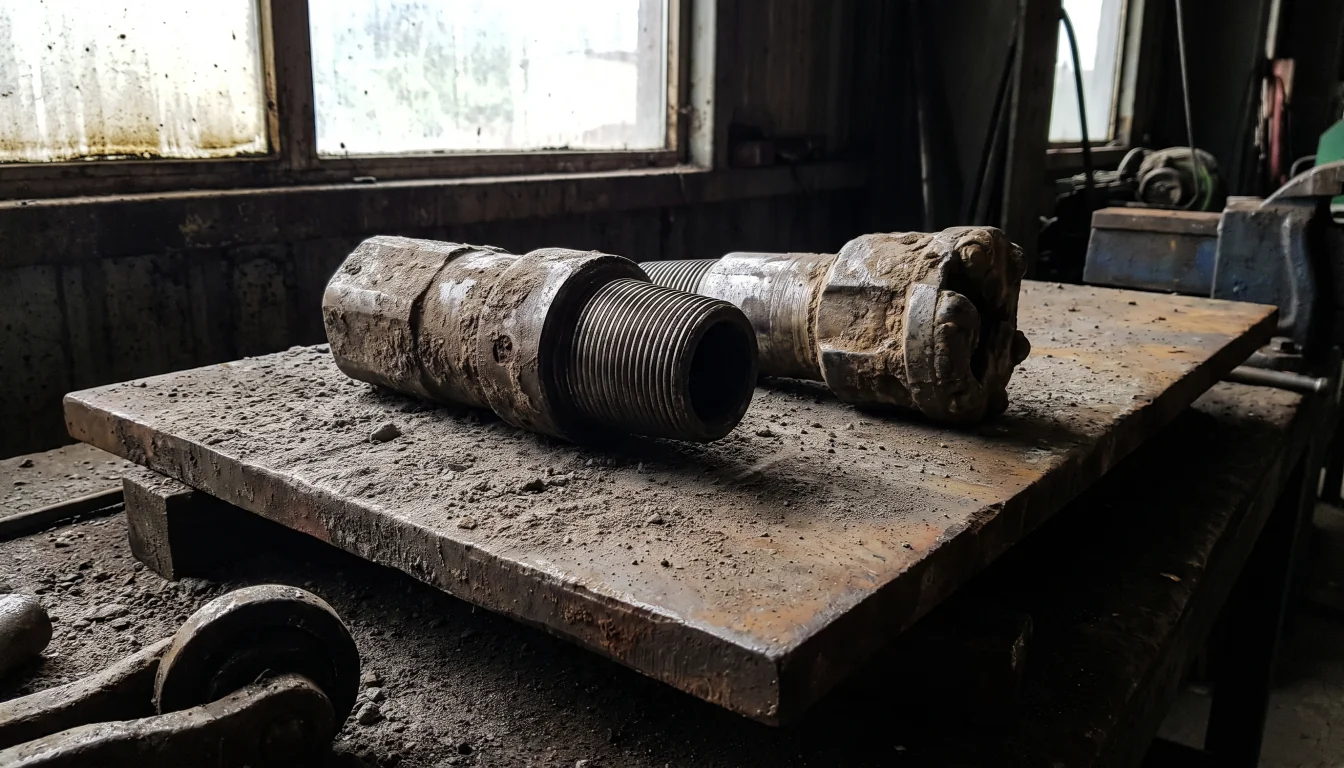
Not all the mining spare parts are created equal, and the right choice depends on how critical the component is to safety and uptime. The table below breaks down the trade-offs so you can align purchases with your maintenance strategy.
| Part Type | Pros | Cons | Best For |
|---|---|---|---|
| OEM (Original Equipment Manufacturer) | Guaranteed fit, full warranty, latest engineering updates | Highest cost, may have longer lead times if not stocked locally | Critical safety components, high-precision assemblies |
| Aftermarket (Non-OEM, Quality Equivalent) | Roughly 30-50% cheaper, often readily available, broad interchange | Quality varies; must validate manufacturer's test data | Wear items (bushings, seals), non-safety-critical parts |
| Remanufactured / Re-engineered | Much lower cost, sustainable, can include engineering upgrades | Core charge may apply; not available for all parts | Hydraulic cylinders, pumps, transmissions, torque converters |
"The biggest mistake we see is buying based on price alone. In underground mines, a single failed component can halt dozens of workers and equipment for days. Always factor in total lifecycle cost, not just the invoice." Senior Maintenance Consultant, 3GEN Export
Pros and Cons of Sourcing Underground Mining Spare Parts Online
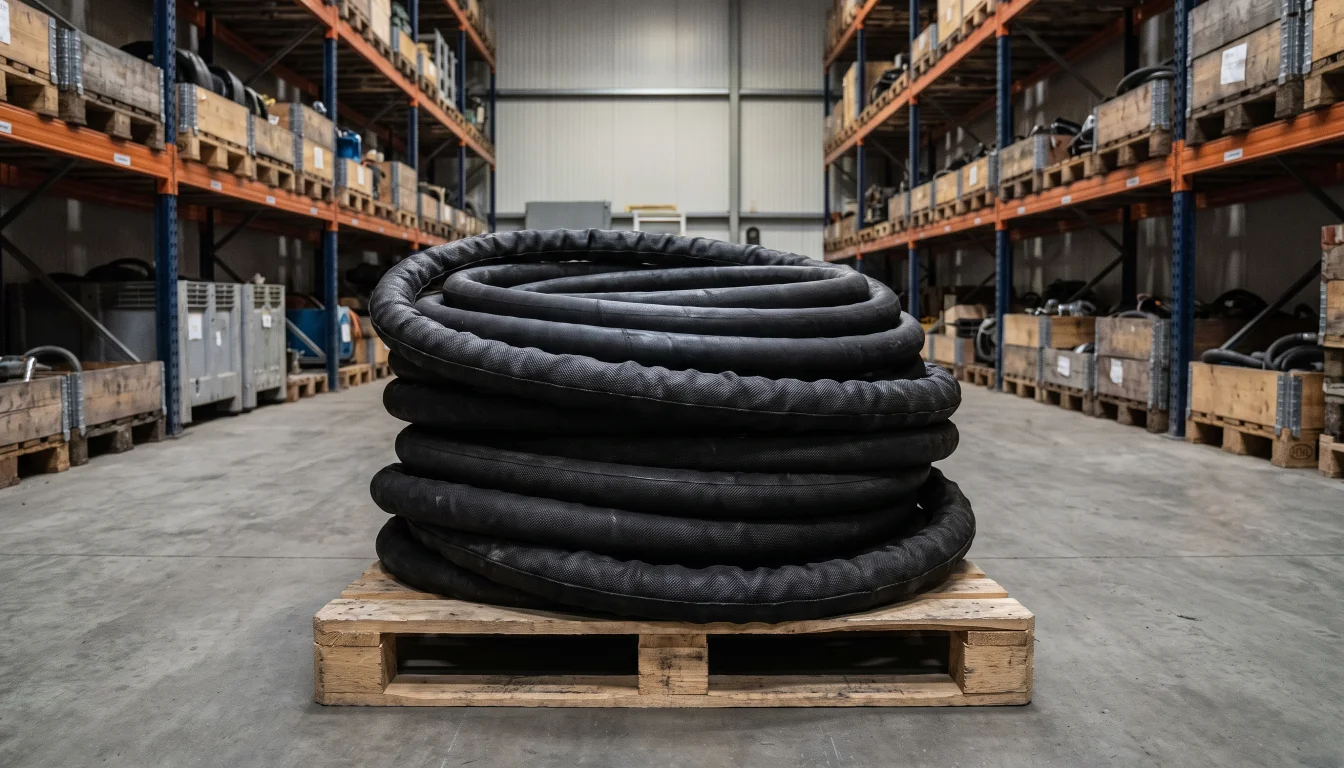
Buying parts online speeds up procurement significantly but shifts more compatibility-checking responsibility onto the buyer. Weigh these factors before committing your budget to a single digital channel.
Pros
- Access to catalogs with hundreds of thousands of listed parts, letting you compare price and availability in minutes
- Faster quote turnaround than phone or fax-based ordering, often same-day
- Easier cross-referencing of OEM part numbers across multiple brands and suppliers
- Digital order tracking from warehouse to mine site
Cons
- Risk of ordering incompatible parts without a technical audit, especially for hydraulic and drivetrain components
- Shipping and customs costs can be unclear until checkout on some platforms
- Not all online catalogs list real-time stock levels, which can delay urgent orders
How to Source Underground Mining Spare Parts Online: A 5-Step Guide
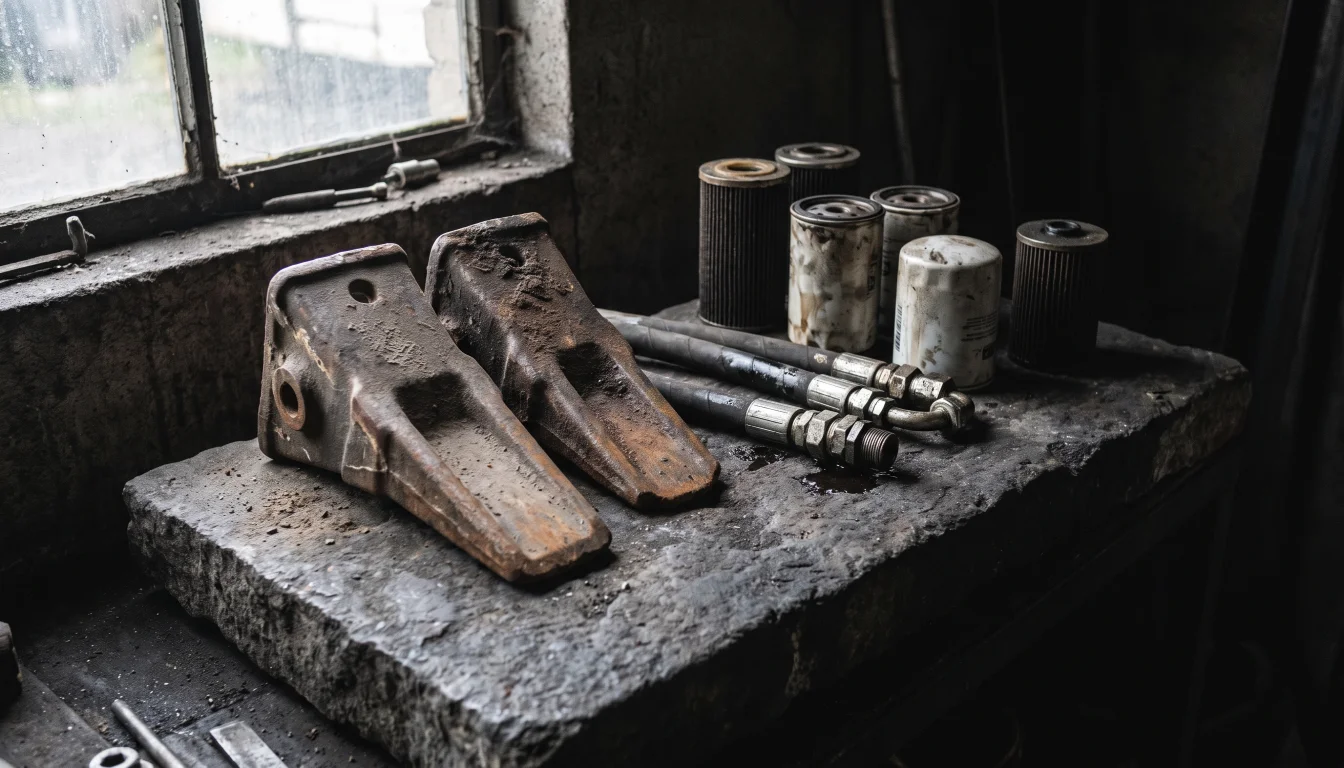
Sourcing underground mining online requires identifying exact machine details first, then cross-checking multiple supplier catalogs before placing an order. Digital platforms have transformed procurement, but a systematic approach prevents expensive errors. Follow these five steps.
Step 1: Identify Exact Machine and Part Details
Record the equipment make, model, serial number, and original part number. For Sandvik loaders, Epiroc drills, or Komatsu haul trucks, this information is usually stamped on a nameplate. Tools like Aramine's SmartParts let you search by OEM reference or machine model directly.
Step 2: Use Multiple Supplier Catalogs
Check official OEM portals (Komatsu, Sandvik) alongside independent aggregator platforms, which lists roughly 130,000 catalog positions and stocks over 53,000 items from 288 manufacturers,. Cross-referencing several sources ensures you find the best combination of price and availability for the spare parts you need.
Step 3: Verify Compatibility with Technical Support
Contact the supplier's engineering team whenever you're unsure about fitment. Many offer free compatibility checks before you commit to an order. GHH, for example, provides dedicated spare parts staff via email and phone around the clock.
Step 4: Compare Delivery Options and Incoterms
For international orders, clarify shipping methods, customs duties, and realistic lead times upfront. specialist suppliers, which operates a facility in West Virginia and provides new, remanufactured, and re-engineered parts, serve U.S. longwall mines with ground shipping in 24-48 hours. For overseas orders, airfreight typically delivers in 3-5 days.
Step 5: Place the Order and Track Shipment
Use secure ordering portals, request a proforma invoice for customs purposes, and track the parcel until it reaches your mine site. Retain all documentation, invoices, and shipping records for warranty claims down the line.
Top Brands and Machine-Specific Spare Parts
A well-planned inventory of this type of parts covers several core equipment categories, and stocking the right wear items reduces most unplanned outages.
- Loaders (LHDs): Sandvik Toro series, Aramine L440B (battery-powered). Frequent parts: hydraulic pumps, wheel ends, transmission components.
- Drilling Rigs: Epiroc Boomer series, Sandvik DD and DS series. Frequent parts: drifter wear parts, drill steels, guide pins, rock drill bushings, and shank adapters.
- Bolters: Sandvik Boltec, Normet Charmec. Key parts: rock bolts, resin cartridges, feed cylinders.
- Haul Trucks: Sandvik TH series, Komatsu underground trucks. Key parts: brake discs, engine filters, articulation bearings.
specialist suppliers specialize in remanufactured longwall shield cylinders, hydraulic valves, and related shield system components like control valves and leg assemblies, while specialist suppliers stock over 53,000 items from 288 manufacturers. ESPIC focuses specifically on Wagner underground mine wheel loader parts. Partnering with a multi-brand expert like 3GEN Export gives you access to OEM, aftermarket, and re-engineered this kind of spare parts from a single source, which simplifies invoicing and reduces the number of vendor relationships you need to manage.
Battery-Electric LHD Parts: A Growing Category
Battery-powered loaders like the Aramine L440B are becoming more common underground as mines push to cut diesel emissions and ventilation costs. This shifts spare parts demand toward battery packs, thermal management components, electric drive motors, and specialized connectors, in addition to the traditional hydraulic and drivetrain parts. If your fleet includes electric LHDs, confirm your supplier stocks battery-specific components and not just the mechanical wear parts, since lead times on electric drivetrain parts can run longer than standard hydraulic components.
Used Spare Parts and Surplus Inventory
Used and surplus the mining spare parts exist as a legitimate secondary market, particularly for older machine models where OEM support has wound down. Some fleet operators buy surplus components from decommissioned equipment or liquidated mine inventories to keep legacy machines running at a fraction of new-part cost. This approach carries real risk: used parts typically come without warranty, and wear history is often undocumented. We generally recommend used parts only for non-critical, easily inspected components, and always pair a surplus purchase with an independent inspection before installation.
International Logistics and Customs: What You Need to Know
Reliable underground mining spare parts logistics come down to regional warehousing, correct customs classification, and a supplier who handles documentation for you. Mining operations in remote regions of Chile, Australia, or Canada demand robust logistics, and working with a supplier that manages export documentation, cargo insurance, and regional warehousing can meaningfully cut lead times compared to a single-warehouse vendor.
Key factors to confirm with any supplier:
- Free Trade Agreements: Parts shipped within NAFTA or the EU Customs Union may avoid certain tariffs.
- Harmonized System (HS) Codes: Ensure the supplier classifies parts correctly to prevent customs delays. A common HS code for mining machinery parts is 8431.39.
- Regional Warehouses: Choose a distributor with stock on your continent. 3GEN Export, for example, utilizes hubs in North America, Europe, and Asia to provide 48-hour delivery on rush orders.
- After-Sales Support: Confirm the supplier can arrange on-site technical audits or reverse logistics for core returns on remanufactured parts.
Maintenance and Care Tips to Extend Part Life
Even premium underground mining spare parts fail prematurely without correct maintenance, so inspection routines and installation discipline matter as much as part quality itself. Implement these four practices across your fleet.
Regular Inspections and Lubrication
Follow OEM lubrication schedules closely, since overgreasing bearings can be just as damaging as undergreasing them. Use high-temperature, water-resistant greases specifically recommended for underground use.
Precision Installation
Hydraulic cylinder misalignment, improper bolt torque, or contaminated fluid drastically reduce component life. Always use calibrated tools and clean environments when assembling critical parts.
Industry maintenance data shows that a large share of premature hydraulic component failures trace back to installation errors and fluid contamination rather than defective parts themselves, which is why torque specs and clean assembly environments matter as much as part quality.
Condition Monitoring
Deploy vibration sensors on gearboxes and pumps wherever practical. Many modern LHDs come equipped with telematics; use that data to replace parts proactively before a catastrophic failure takes the machine offline.
Core Management for Reman Parts
If you're using remanufactured transmissions or cylinders, establish a clear process to clean, inspect, and return cores promptly. This keeps inventory costs low and ensures a steady supply of refurbished underground mining spare parts moving through your maintenance cycle.
Building a Reliable Supply of Underground Mining Spare Parts
As of 2026, a dollar saved on cheap parts can mean thousands lost in downtime across a single shift. By understanding the differences between OEM, aftermarket, and remanufactured options, and by partnering with globally connected suppliers, you can secure a steady flow of quality underground mining spare parts at competitive prices. Digital tools now make it easier than ever to verify compatibility, compare quotes, and track shipments door-to-mine. Start by auditing your critical equipment list, then reach out to a specialist to discuss a tailored procurement plan. Shop OEM-quality spare parts with global 5-day delivery at 3genexport.com.
Frequently Asked Questions
What are the most critical underground mining spare parts to keep in stock?
High-wear items like hydraulic hoses, filters, brake pads, and drifter spares should be on-site at all times. Also stock one or two sets of major components, such as pumps and cylinders, if lead times from your supplier exceed three days.
How do I verify if a spare part is compatible with my machine?
Cross-reference the OEM part number using the supplier's online catalog or speak directly with a technical advisor. Many suppliers, like Aramine, provide interactive part diagrams for exact identification before you order.
Is it better to buy OEM or aftermarket parts?
It depends on the component. For safety- and performance-critical items like steering and brakes, OEM is recommended, while a reputable aftermarket brand can offer real savings on wear parts without sacrificing uptime.
What is the typical delivery time for mining spare parts?
Locally stocked items typically arrive in 24-48 hours. International airfreight can take 3-7 days, while ocean freight may extend to 2-4 weeks, so choose suppliers with regional warehouses to minimize delays.
Can remanufactured parts perform as well as new ones?
Yes, when rebuilt to strict standards. Many remanufactured components include engineering upgrades and carry warranties comparable to new parts, and they're widely used in longwall mining for shield cylinders and pumps.
How can I reduce downtime while waiting for spare parts?
Implement predictive maintenance, keep a strategic safety stock of critical spares, and negotiate service-level agreements with suppliers that include emergency airfreight or loaner units.