Marketplace of Heavy Machinery Spare Parts

23B2211141, 23B-22-11141 RETAINER KOMATSU



Categories: Frame & Structural Parts
$2.580,00
90 in stock
- Our spare parts are engineered to seamlessly integrate with your machinery.
- Delivery anywhere in the world in max. 10 days
- 1 year manufacturer warranty
- Your transactions are protected by the most advanced security measures.
- Shipping fees are included in the prices of all our products.
Product Video
Product Description
23B2211141, 23B-22-11141 RETAINER KOMATSU
The 23B2211141, 23B-22-11141 RETAINER KOMATSU is a heavy-duty final drive support component used in Komatsu grader driveline assemblies. Public catalog references place this part in final drive gear sections, including differential-lock and no-spin differential layouts, which makes its role much more specific than a simple ring or cover. It is a structural retaining element that helps keep adjacent internal parts correctly positioned inside a highly loaded drive assembly. Public seller listings also describe it as a grader retainer and show an approximate weight in the 15 to 15.9 kg range.
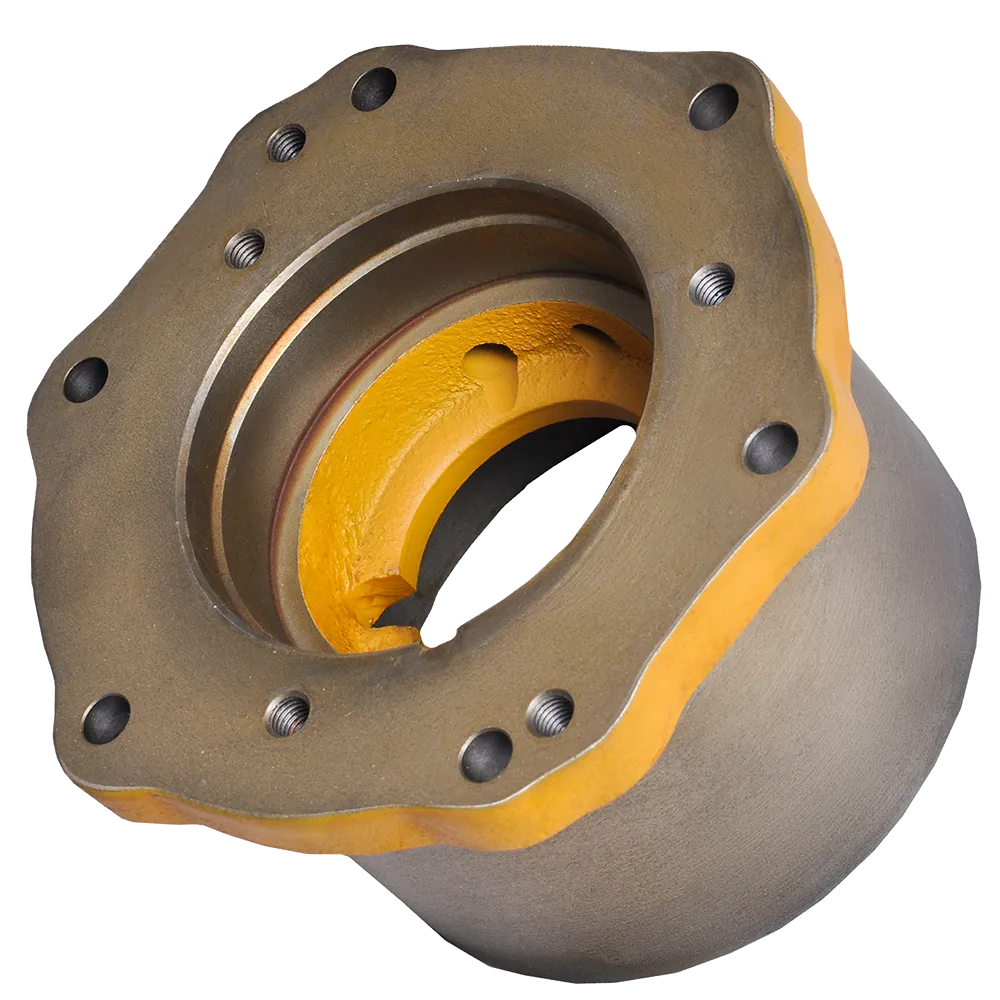
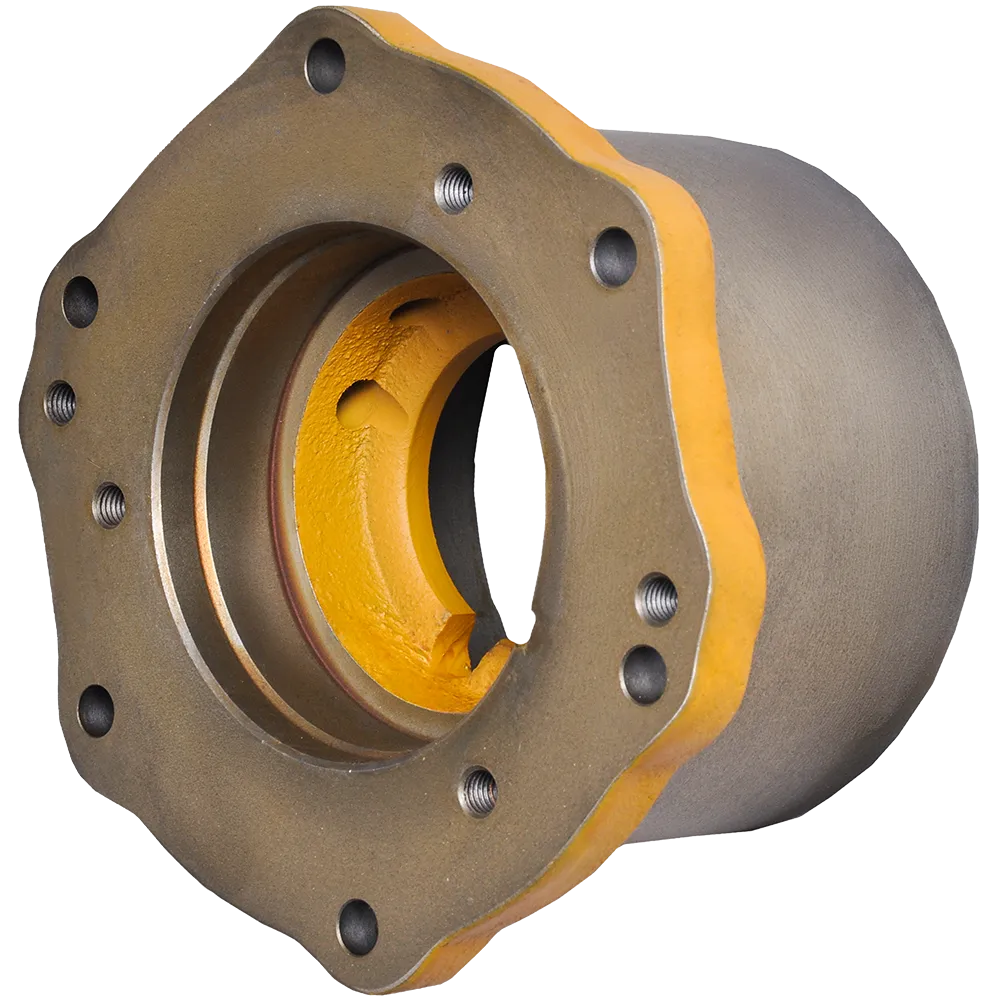
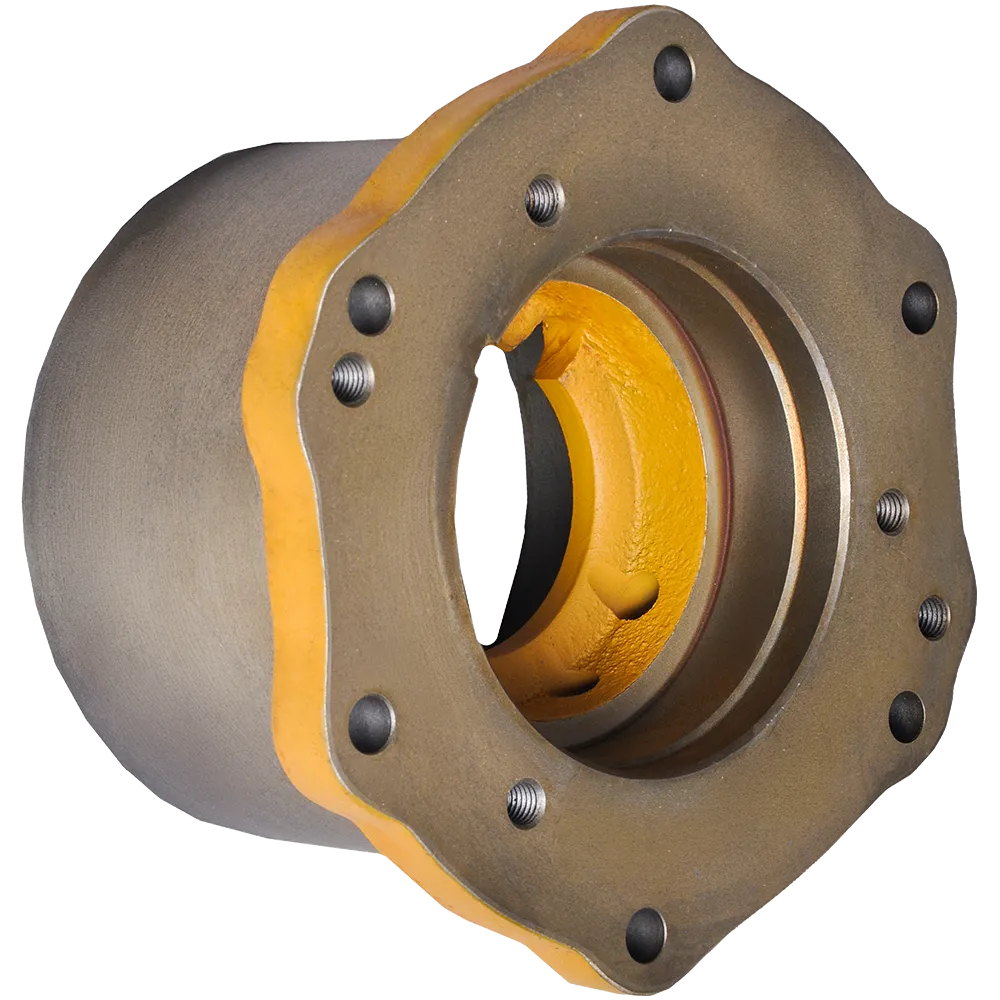
From the uploaded banner image, the part has the visual signature of a precision-machined retainer body with a reinforced circular structure, multiple bolt locations, thick section walls, and an accurately finished inner seating area. Those details strongly suggest a component designed to lock, support, and stabilize bearings, seals, or mating final drive elements rather than transmit torque by itself. In real workshop terms, this is the kind of part that keeps bigger and more expensive components working in the correct position.
At 3GEN Export, we supply this item as an OEM replacement solution for international buyers who need dependable export service, accurate part identification, and worldwide delivery in 5 working days.
Product Overview
The 23B-22-11141 RETAINER KOMATSU belongs to the part of a grader where strength and accuracy have to exist together. Final drive assemblies operate under torque, shock load, constant vibration, and long service hours. In that environment, the parts that only “hold things in place” are often just as important as the parts that rotate. A retainer has the job of preserving internal order. It supports the assembly by controlling fit, holding components in alignment, and creating the correct seat for neighboring elements. Public catalog snippets repeatedly connect this part number to final drive gear groups, which supports that interpretation.
The reason this matters is simple. A final drive system does not tolerate looseness well. When a retaining part is worn, cracked, distorted, or poorly machined, the damage may not appear immediately on the retainer itself. Instead, the symptoms show up in nearby bearings, seals, cages, gear contact patterns, and overall driveline stability. That is why experienced mechanics never dismiss a support component just because it does not look like the main gear or shaft. In a grader, correct internal positioning is part of performance.
Public listing data for the 23B2211141, 23B-22-11141 RETAINER KOMATSU identifies it specifically as a Komatsu retainer and ties it to grader final drive sections rather than to engine or hydraulic groups. One catalog result places it under “Axle, Final Drive,” while several other results place it under “Final Drive Gear (1/2)” or “Final Drive Gear (No-Spin Differential Type).” That repeated placement across multiple catalog results is important because it tells buyers where the part lives in the machine and what kind of assembly logic surrounds it.
What This Retainer Does
The 23B-22-11141 RETAINER KOMATSU is best understood as a structural locating component for the final drive assembly. Its function is not to generate motion. Its function is to maintain mechanical discipline around motion. It helps create the correct seating relationship between the housing and the internal rotating elements. In many final drive systems, a retainer of this kind works with bearings, seals, cages, or flange-side components to keep everything centered and properly supported under load.
That job becomes even more important in graders because these machines spend long hours operating on uneven ground, graded surfaces, compacted material, and job sites that transmit vibration directly into the driveline. Every steering correction, load shift, traction event, and surface impact eventually reaches the transmission and final drive area. If the support geometry in that area begins to move out of tolerance, the result can be premature wear, noise, oil sealing problems, and inconsistent power transfer.
This is why the 23B2211141, 23B-22-11141 RETAINER KOMATSU should not be treated as a cosmetic or secondary item. It is part of the foundation that allows the larger drive components to work in the correct relationship to one another. When rebuilding a final drive, replacing only the obviously damaged gear or bearing without checking the retainer can leave the root problem untouched.
Visual Analysis of the Uploaded Part
The uploaded image gives useful mechanical clues even before any catalog reference is checked.
Heavy circular body
The part has a thick annular body with a strong outer structure. That amount of material is typical of a component meant to resist flex and preserve shape under clamping force. A thin, decorative, or low-load part would not need this much section strength.
Machined inner seating surfaces
The inner diameter and stepped seating faces appear carefully machined. That kind of finish usually indicates a fit-critical area, often related to bearing location, oil-seal support, or alignment with a mating cage or housing element. The machining suggests the part is designed to manage precise internal relationships rather than act as a rough spacer.
Multiple bolt locations
The flange area includes several evenly distributed fastener holes. That pattern supports the idea that this retainer is bolted firmly into a final drive assembly where uniform clamping and secure seating are essential. Uneven or weak retention would not be acceptable in this section of the machine.
Cast strength plus machined accuracy
The combination of a cast-style body and machined contact surfaces is exactly what buyers expect in drivetrain support hardware. The cast section gives rigidity and mass. The machined section gives dimensional control. Together they create a component suited for long service in heavy mechanical environments.
Based on the image alone, the 23B-22-11141 RETAINER KOMATSU clearly appears to be a precision support part for a loaded drivetrain assembly.
Publicly Listed Machine Associations
Public parts references do not all show the same compatibility range, so the most honest way to present model fitment is to separate confirmed public associations from broader seller claims.
Catalog snippets publicly associate this part number with Komatsu grader final drive assemblies on models including GD505A-1 or GD505A-3 depending on catalog variant, GD521A-1E, GD605A-5, GD623A-1, GD661A, GD663A-2, and even GC380-1 in final-drive-related listings. These references come from multiple catalog search results that explicitly show the part number inside final drive gear sections.
A seller page from 3GEN Export lists broader grader compatibility, naming GD511, GD555, GD675, GD705, and GD825. Another Turkish industry listing ties the same part number to GD-661. Because these public sources are not perfectly identical, the safest commercial practice is to treat them as compatibility indicators rather than final confirmation. Buyers should always confirm by serial number, old part number, and assembly diagram before purchase.
So, if you need a practical answer to “which Komatsu models use this part,” the publicly associated list includes GD505A, GD511, GD521A, GD555, GD605A, GD623A, GD661A or GD661, GD663A, GD675, GD705, GD825, and GC380-1, but serial-number verification is strongly recommended because catalog and seller listings vary.
Technical Details and Specifications
The publicly available data for this component supports the following practical specification profile.
Part number: 23B-22-11141
Alternative search format: 23B2211141
Part name: Retainer
Machine family: Komatsu grader and final-drive-related applications
Assembly area: Final drive gear / axle-final drive sections
Approximate weight: about 15.0 to 15.9 kg based on public seller listings
Commercial search context: final drive, differential lock, no-spin differential, grader drivetrain.
For export and warehouse use, I would present the weight as approximately 15–16 kg rather than pretending there is a single universally confirmed number. Public listings show both 15 kg and 15.9 kg, which is close enough to guide packaging and shipping discussions while still staying honest about source variation.
Why This Part Matters in Real Service Work
The 23B2211141, 23B-22-11141 RETAINER KOMATSU becomes especially important during final drive overhaul, differential service, bearing replacement, and major driveline rebuilds. Mechanics may remove it while tracing noise, leakage, heat, or internal wear. In some cases, the retainer itself is not the first visibly damaged part. Instead, its seating area may have subtle wear, distortion, or loss of fit quality that only becomes obvious once bearings or mating components are inspected closely.
That is why experienced buyers often replace support parts during a major rebuild instead of only replacing the most obvious rotating element. A new bearing installed into a worn or fatigued retaining surface does not create a fully healthy assembly. The surrounding structure still controls the real fit. In heavy grader work, where downtime is expensive and rework is even more expensive, support accuracy has direct value.
The 23B-22-11141 RETAINER KOMATSU also matters because final drive assemblies are not easy-access locations. Reopening the same unit because a retaining component was overlooked is the kind of mistake that turns a routine service job into a costly delay. When the machine is part of road construction, mine support, site preparation, or municipal grading, that delay can quickly affect labor schedules and equipment availability.
Installation and Inspection Notes
When preparing this part for installation, technicians should inspect the surrounding bearing seats, oil-seal locations, fastener threads, mating flanges, and housing contact faces. The retainer itself should be checked for cracks, impact damage, deformation, corrosion at the seat area, and wear around the bolt holes. Even where visible damage is limited, surface condition matters because this is a fit-control component.
During assembly, cleanliness is critical. Dirt or old gasket residue between the retainer and the mating surface can create alignment errors that look small during installation but become significant under load. Correct torque procedure, correct seal handling, and proper inspection of adjacent bearing and cage parts are all part of installing a component like this correctly.
Because public catalog references consistently place this number in final drive gear assemblies, it should be handled with the same care as any other close-fit driveline component.
Buying Guidance
If you are sourcing the 23B2211141, 23B-22-11141 RETAINER KOMATSU for stock or for an active repair job, there are a few good checks to make before ordering.
First, confirm the exact part number on the removed component or in the machine parts book. Both 23B-22-11141 and 23B2211141 are publicly used forms of the same number.
Second, confirm the machine model and serial range. Public references show the part in several grader families and serial contexts, including 1001-UP, 12001-UP, and 30001-UP depending on machine series.
Third, compare the removed part visually with the replacement image. The flange profile, bolt count, wall thickness, and inner seating shape should all agree.
Fourth, use the public 15–16 kg range as a practical shipping estimate, not as the only technical measurement that matters.
Why Buy from 3GEN Export
At 3GEN Export, we know that buyers looking for a Komatsu retainer like this are usually dealing with an active maintenance schedule, a parts stock plan, or a machine that cannot stay idle for long. That is why we present the 23B-22-11141 RETAINER KOMATSU as an OEM supply option backed by responsive export handling and worldwide delivery in 5 working days.
Our role is to make sourcing easier for international customers who need serious heavy machinery parts without wasting time. For drivetrain parts, correct identification matters as much as price. A retainer that does not match the final drive assembly creates installation problems immediately, so our approach is always centered on clear part recognition and practical export support.
Final Evaluation
The 23B2211141, 23B-22-11141 RETAINER KOMATSU is not a decorative outer ring and not a low-priority support piece. Public catalog references repeatedly place it in Komatsu final drive gear sections, including differential-lock and no-spin differential arrangements, which means it belongs to one of the most load-sensitive areas of the grader drivetrain. Public listings also show a shipping weight around 15 to 15.9 kg, reinforcing that this is a substantial structural component rather than a light spacer.
From both the catalog context and the uploaded image, the most accurate commercial description is this: it is a precision-machined retaining component designed to support fit, alignment, and stability in Komatsu final drive assemblies. It helps hold the internal system together correctly, protects the working geometry of nearby parts, and supports dependable service life in heavy grader conditions.
If you are rebuilding a final drive or replacing worn support hardware, this is exactly the kind of part that should be matched carefully, installed correctly, and never treated as an afterthought.
Approximate weight: 15–16 kg.
Publicly associated Komatsu models: GD505A, GD511, GD521A, GD555, GD605A, GD623A, GD661/GD661A, GD663A, GD675, GD705, GD825, and GC380-1, with serial-number verification recommended before purchase because public sources are not fully identical.
Manufactured in Turkey, these products are made using the latest technologies and built to meet the highest international standards. Each machine is a high-quality copy of the original, ensuring durability, precision, and performance that you can rely on for modern construction and metalworking projects.