Marketplace of Heavy Machinery Spare Parts

3115376800, 3115 3768 00 VALVE ATLAS COPCO


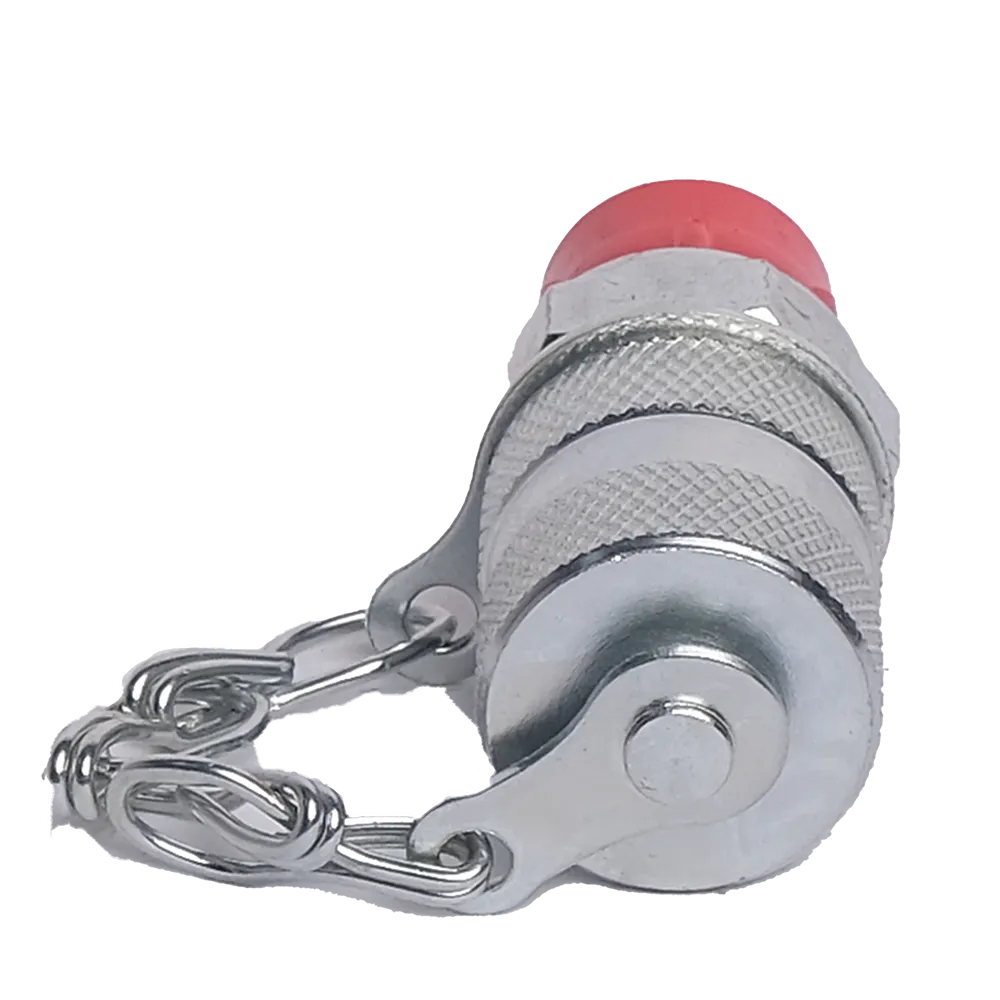

Categories: Hydraulic System, Valve
$160,00
90 in stock
- Our spare parts are engineered to seamlessly integrate with your machinery.
- Delivery anywhere in the world in max. 10 days
- 1 year manufacturer warranty
- Your transactions are protected by the most advanced security measures.
- Shipping fees are included in the prices of all our products.
Product Video
Product Description
3115376800 Valve Atlas Copco (3115 3768 00) | Service / Gas Valve for Rock Drill Maintenance
The 3115376800 valve (also referenced as 3115 3768 00) is a compact service valve used in rock drilling systems where controlled charging, pressure service, and protected connection points are required. In drilling, a “small” part can be the difference between stable performance and recurring stoppages, because service ports live in the dirtiest, most vibration-heavy environment on the machine.
This product page is written for technicians, maintenance planners, and procurement teams who need the right fit and a dependable supply chain. 3GEN Export supplies 3115376800 as an OEM supplier and ships worldwide in 5 working days, helping you restore uptime without stretching your maintenance window.
What the 3115376800 valve does in a rock drill system
A service valve like 3115376800 is primarily about controlled access. It provides a reliable interface for service procedures such as charging, checking, and connecting equipment to a pressurized point without exposing the system to contamination.
Rock drills operate under repeated pressure pulses, high-frequency vibration, dust, water, and temperature swings. In that environment, service points must be:
-
Easy to connect safely
-
Protected when idle
-
Resistant to loosening and micro-leaks
-
Tolerant of repeated handling with gloves and tools
The 3115 3768 00 valve is commonly described in parts listings as a gas/service valve for drilling applications, reinforcing that it is intended for maintenance/charging style workflows rather than continuous flow operation.
Visual features seen in your images
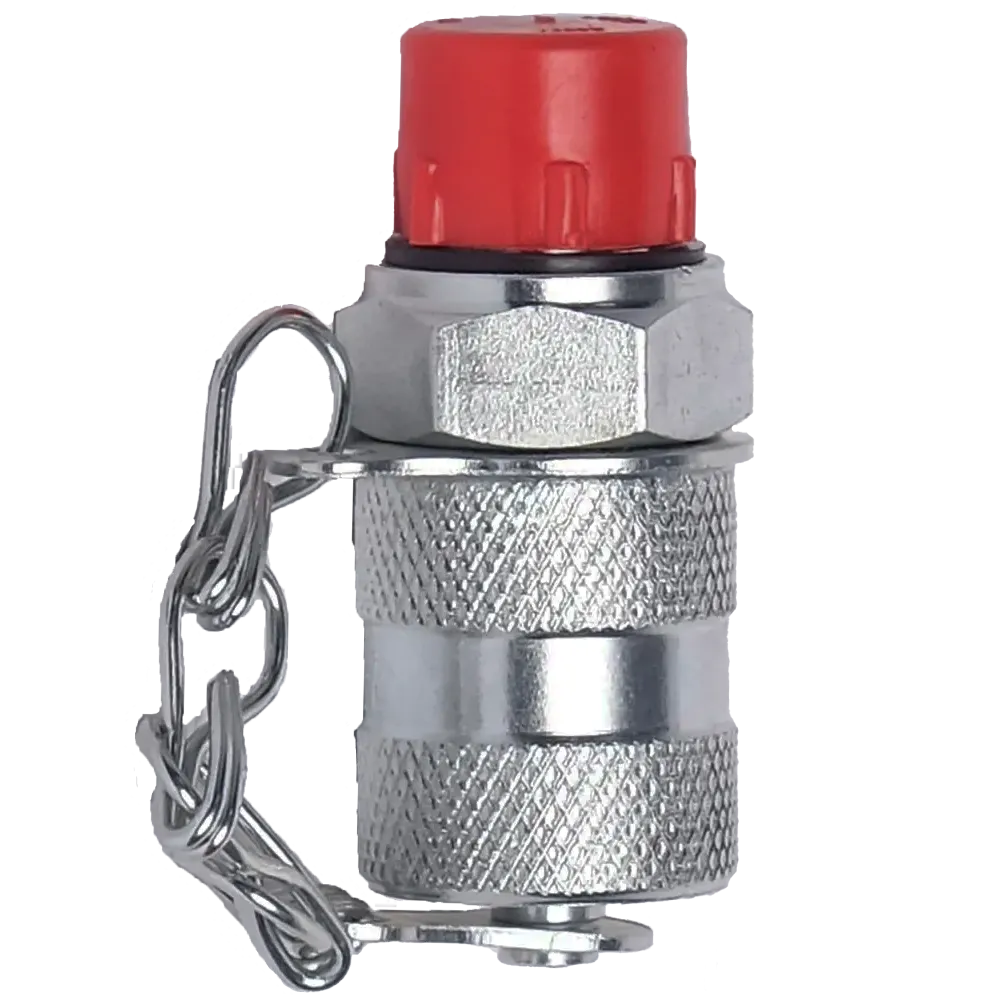
The photos you provided show a compact metal assembly with clear field-friendly design choices:
Protective cap with retention chain
The red cap protects the connection face between services, while the chain reduces the chance of losing the cap during maintenance tasks. This matters because abrasive dust can quickly damage sealing surfaces and create slow leaks.
Knurled grip section
Knurling improves control with gloves, especially in oily or wet conditions. It also helps a technician seat the component without slipping or improvising with tools that can mar the surface.
Wrench flats / hex section
A hex engagement section supports correct tightening without deforming the grip area. Proper tightening is critical in vibration environments where under-torque can lead to loosening and over-torque can damage seats and threads.
Why correct service valves matter more than they look
A rock drill can be mechanically strong and still lose performance because a service point is compromised. The most common problems caused by a poor or damaged service valve include:
-
Dust ingress that contaminates the circuit
-
Micro-leaks that alter pressure behavior over time
-
Thread damage that makes future service difficult
-
Unplanned downtime when a routine check turns into a repair
Replacing a worn 3115376800 valve is often preventive maintenance: you are avoiding a small leak today that could become a major job tomorrow.
Technical details and practical specifications
Specifications for small service valves are often described with a few key dimensions and weight. One public parts listing for 3115 3768 00 / 3115376800 provides the following reference specifications:
-
Reported weight: 5 g (0.005 kg)
-
Reported diameter: 18.9 mm
Because shipping weight depends on packaging and order quantity, it’s normal for logistics weight to be higher than the net part weight. On your product page, listing the net weight as 0.005 kg is clear and practical, while letting your shipping rules handle the packed weight.
Part number formats buyers search for
Many customers will search using different spacing and punctuation. Include these variants naturally on the page:
-
3115376800
-
3115 3768 00
-
3115-3768-00
-
3115 3768 00 valve
-
3115376800 valve
Using both the compact and spaced formats helps your listing appear in procurement searches and maintenance notes.
Quick reference (for copy/paste into maintenance notes)
-
3115376800 valve: use this format when your maintenance log stores numbers without spaces.
-
3115 3768 00 valve: use this format when your parts book uses grouped spacing.
-
If a purchase request says 3115376800 but your system expects spacing, convert it to 3115 3768 00.
-
If a purchase request says 3115 3768 00 but your ERP expects a compact code, convert it to 3115376800.
Keeping both 3115376800 and 3115 3768 00 in your notes reduces ordering mistakes, especially when multiple sites and teams are involved.
Compatibility: ATLAS COPCO / Epiroc models that commonly reference this valve
Compatibility in rock drilling is usually anchored to the rock drill (drifter) model rather than the rig model. A parts listing that explicitly links 3115 3768 00 – 3115376800 to compatible rock drill families includes the following models:
-
COP 1132
-
COP 1238K
-
COP 1638HD+
-
COP 1838+
-
COP 1838HD+
-
COP 1838HE+
-
COP 1838MUX / COP 1838MUX+
-
COP 1840+
-
COP 2238HD+
-
COP 2550+
-
COP 2560+
-
COP 3060
-
COP RR11
-
COP SC25
-
RD 18S, RD 18U, RD 22S
Important: exact fit can depend on configuration and serial range. The safest verification is always your parts book or service documentation for the specific drifter and rig.
Evidence of use in COP 1838HD+ maintenance kits
Epiroc’s COP 1838HD+ brochure includes a preventive maintenance kit listing where “Valve 3115 3768 00” appears with a quantity of 2 in the minor preventive maintenance kit.
This is a helpful reference for customers who maintain COP 1838HD+ units and want to align their spare stock with known kit components.
How to confirm you need 3115376800 before ordering
If you’re managing multiple rigs or mixed drifter configurations, use this quick confirmation flow:
-
Check the removed part
Match the visible features: cap style, chain retention, knurled grip, and the overall body shape. -
Confirm the part number in your documentation
Look for 3115376800 or 3115 3768 00 in the drifter parts list or maintenance kit list. -
Confirm the application point
Service valves can be used in different locations depending on the system design. Confirm the circuit where the valve is installed (charging/service point). -
Avoid “close enough” substitutions
Threads, seats, and internal geometry can differ. A near-match can cause slow leaks or thread damage.
If your team shares the drifter model and a clear photo of the existing unit installed, you can reduce ordering risk and avoid returns.
Installation guidance
Always follow your machine’s official service procedure and safety rules for pressurized systems. The guidance below is intended as best-practice for field handling.
Before installation
-
Depressurize the system safely.
-
Clean the area around the service point to prevent contamination from entering during removal.
-
Inspect the mating threads and seat for burrs, dents, or embedded grit.
-
Verify that the protective cap seats cleanly and that the chain is not damaged.
During installation
-
Start threads by hand to prevent cross-threading.
-
Use the hex flats for tightening.
-
Tighten to the specification used for your system; avoid over-tightening.
-
Ensure the chain and cap will not snag on moving components.
After installation
-
Perform a controlled leak check according to your procedure.
-
Reinstall the protective cap immediately after service.
-
Record the replacement in your maintenance log so future troubleshooting is faster.
Troubleshooting: common symptoms and what they indicate
Service valves typically fail gradually. Recognizing early signs reduces downtime.
Light oil film or dust “sticking” around the connection
This often indicates micro-leakage. Even small seepage attracts dust that can accelerate wear.
Difficulty connecting service tooling
This can be caused by damaged threads, contamination, or a deformed seating surface. Replacing the valve is often faster than trying to “make it work” repeatedly.
Cap does not seat properly
If the cap sits crooked or does not seal, the port is exposed. Replace the cap or the complete valve if the cap interface is damaged.
Repeated pressure instability during checks
A poor seal at the service point can cause inconsistent readings or slow pressure loss. Replace the service valve and verify the mating surface.
Maintenance habits that extend service-life
Small habits create big reliability wins in drilling.
-
Always recap immediately after service.
-
Wipe the area before opening the service point.
-
Keep spare caps in your service kit if your site loses caps frequently.
-
Avoid gripping knurled surfaces with pliers; use the flats.
-
Replace the valve when threads show wear rather than waiting for a leak.
Purchasing notes for procurement teams
When a buyer requests 3115376800, they usually care about three things:
-
Fit and function (it installs without modification and seals correctly)
-
Consistency (repeat orders match the same specification)
-
Delivery speed (so maintenance windows stay predictable)
3GEN Export supplies 3115376800 as an OEM supplier solution for rock drill maintenance and fleet support. We ship worldwide in 5 working days, with export-ready packing for international operations.
Where a service valve adds value during charging and diagnostics
On modern rock drills, service procedures often revolve around three priorities: keeping the circuit clean, keeping the pressure behavior stable, and making repeatable checks possible without “guesswork.” A protected service point helps on all three.
During charging or diagnostic checks, technicians may connect tools, perform controlled open/close steps, then disconnect and recap. If that interface is unreliable, the entire maintenance routine becomes slower and riskier. A stable interface is also a safety and workflow improvement: it reduces the temptation to rush, improvise, or leave a port uncapped while gathering tools.
Even when the circuit is not actively being charged, the service point still matters. A clean and sealed interface helps protect nearby assemblies from contamination, especially on rigs that work in abrasive rock dust, wet tunneling, or temperature swings where condensation can appear during shutdown.
Material expectations and durability factors
In rock drilling, durability is not only “how strong the metal is.” It is the combination of surface finish, thread quality, seat geometry, and protection against contamination.
Surface finish and wear
Smooth sealing faces reduce micro-leaks. Poor finishing can create tiny paths where pressure escapes and dust is pulled in. Over time, this becomes an expensive problem because the leak creates a dirt magnet that accelerates wear on the surrounding area.
Thread integrity
Threads must start cleanly, run smoothly, and tolerate repeated removal/installation. In field conditions, cross-threading happens when technicians are tired, in a tight location, or under time pressure. Good machining helps reduce the risk, but best practice still matters: always start by hand and keep alignment straight.
Cap, chain, and “human factor” durability
A cap and chain do not improve drilling power directly, but they protect the interface from the most common real-world failure: contamination during downtime. If caps frequently disappear on your site, it is a signal to improve service discipline (recap immediately) and to keep spare caps in the service kit.
Quality checks you can standardize in your workshop
If you maintain your own fleet, you can build a simple incoming inspection routine that prevents avoidable problems.
Visual inspection
-
Confirm there are no burrs, dents, or damaged threads.
-
Confirm the cap seats cleanly and does not wobble.
-
Confirm the chain attachment is secure and not stretched.
Fit check
-
Start the threads by hand on a clean, matching port (or gauge) to confirm smooth engagement.
-
Confirm the part seats without forcing.
Functional check
A controlled leak check after installation is the best confirmation. Keep it procedural: depressurize, install, pressurize, check, recap, record. This saves time later because the maintenance log becomes evidence, not memory.
Storage and handling recommendations
Spare parts lose value if they are stored poorly. Service-point components should be treated like “clean” parts.
-
Store in sealed packaging until use.
-
Keep away from grinding dust and metal chips.
-
Avoid storing in direct sunlight if your environment is hot; heat can accelerate aging of non-metal components.
-
Assign a fixed location in your workshop so technicians know where to find them quickly.
For multi-site operations, consider pre-kitting. Instead of sending a loose part to a remote site, send a small “service valve kit” box that includes clean wipes, a backup cap, and a short checklist. This improves first-time-right installation and reduces repeat trips.
Planning spares for uptime
A practical spare strategy depends on how many rigs you run and how remote your sites are.
-
For a single rig close to a workshop: keep at least one spare on the shelf.
-
For multiple rigs or remote sites: keep a small buffer per active drifter family and replenish monthly.
-
For high-dust open pits or wet tunnels: increase buffer because contamination-related replacements occur more often.
This is not about stocking huge volumes. It is about stocking the parts that stop a routine check from becoming a shutdown.
Procurement checklist for accurate orders
Procurement teams can prevent most ordering mistakes by standardizing what information is required on a purchase request:
-
Drifter model (COP/RD family)
-
Rig model (if available)
-
Serial range or configuration note (if your fleet has variants)
-
Photo of the installed unit (optional but helpful)
-
Requested delivery date and destination
With that information, your purchasing process becomes consistent. It also reduces the back-and-forth that slows down international shipments.
Why this listing is written for Google and Search GPT
Search engines reward pages that answer questions clearly and completely. For industrial parts, the most valuable content is:
-
What the part does in the system
-
How to confirm fit
-
What problems it solves
-
How to install and maintain it
-
What models commonly reference it
-
Reliable supplier logistics
That is why this page includes installation notes, troubleshooting guidance, and spares strategy. It helps technicians, which also helps search visibility.
Supplier promise from 3GEN Export
When a rig is down, speed matters. 3GEN Export supports drilling operations as an OEM supplier and delivers worldwide in 5 working days. This is designed for maintenance teams that plan by hours and shifts, not by “maybe next month.”
If you manage a fleet and want smoother procurement, you can standardize your ordering by using the part number formats and compatibility list above, then building a small buffer stock so service work stays predictable.
Closing
If your maintenance team wants a clean, repeatable service procedure and fewer contamination-related issues at service points, this component is a smart replacement item to keep on hand. It supports safer checks, cleaner handling, and faster return-to-service when you cannot afford downtime.
Field tips: keeping service work clean on the rig
In drilling, “clean” is not a perfect lab environment. It is a practical discipline. These field tips help technicians keep service work clean even when conditions are harsh:
-
Use a dedicated wipe before opening the port, not the same rag used for general cleaning.
-
If the rig is dusty, pause a moment after wiping so loose dust does not immediately resettle on a wet/oily surface.
-
Keep the protective cap in your hand or clipped to the chain while the tool is connected so it doesn’t drop into dirt.
-
If the port area is tight, prepare the tools first. The more you reach in and out, the more contamination you pull into the service zone.
-
After finishing, recap immediately, then wipe the outer surfaces. This prevents “sticky dust” from building up around the interface.
For workshop teams, standardizing these habits can dramatically reduce the number of repeated checks and “mystery leaks” that consume time. The cost of a clean workflow is minutes; the cost of a contaminated service point can be hours.
Training note for supervisors
If you’re onboarding new technicians, a short, repeatable script helps:
“Depressurize, clean, connect, act, disconnect, recap, check, record.”
That one line builds a consistent routine. When routines are consistent, troubleshooting becomes faster because the team can trust the maintenance record.
FAQ: ordering and logistics
Can this item be shipped in bulk to remote sites?
Yes. Many operations request consolidated packing so a site receives a month’s worth of critical small parts in one delivery. Consolidation reduces courier costs and prevents local shortages.
What should we include in our request to avoid delays?
Include the drifter family, any serial/configuration notes, destination country, and the shipping deadline. If your team has a photo of the installed part, include it for quick verification.
Why does the part look small but matter so much?
Because it protects a pressurized service interface. A small interface that fails can create contamination problems that spread into larger assemblies, raising downtime risk.
Manufactured in Turkey, these products are made using the latest technologies and built to meet the highest international standards. Each machine is a high-quality copy of the original, ensuring durability, precision, and performance that you can rely on for modern construction and metalworking projects.