Marketplace of Heavy Machinery Spare Parts

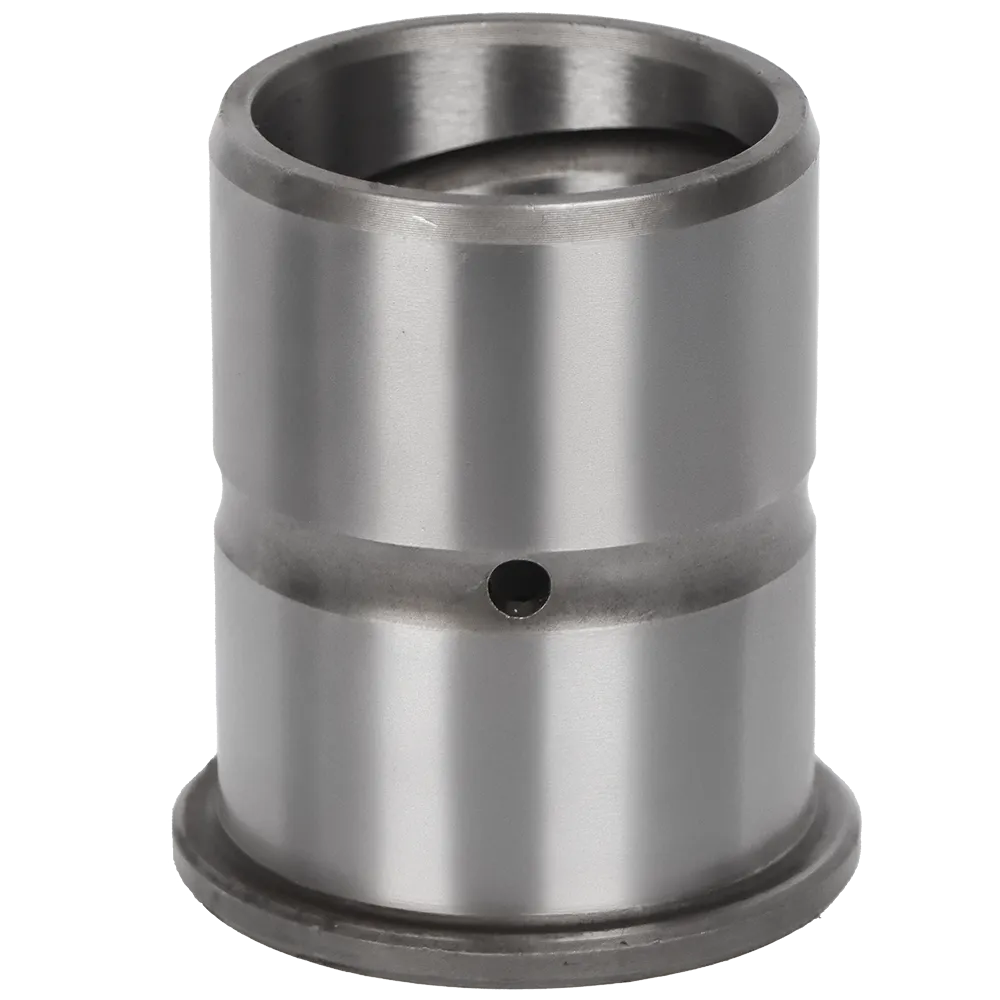
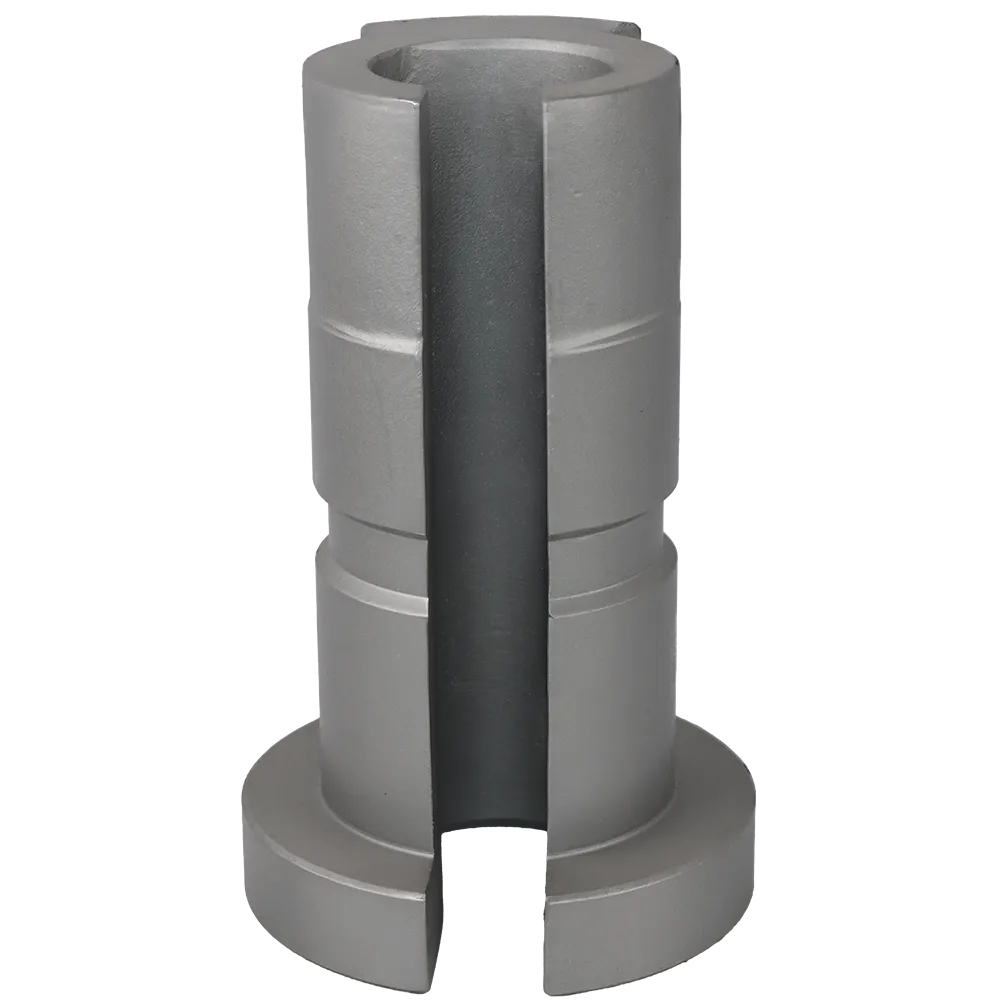
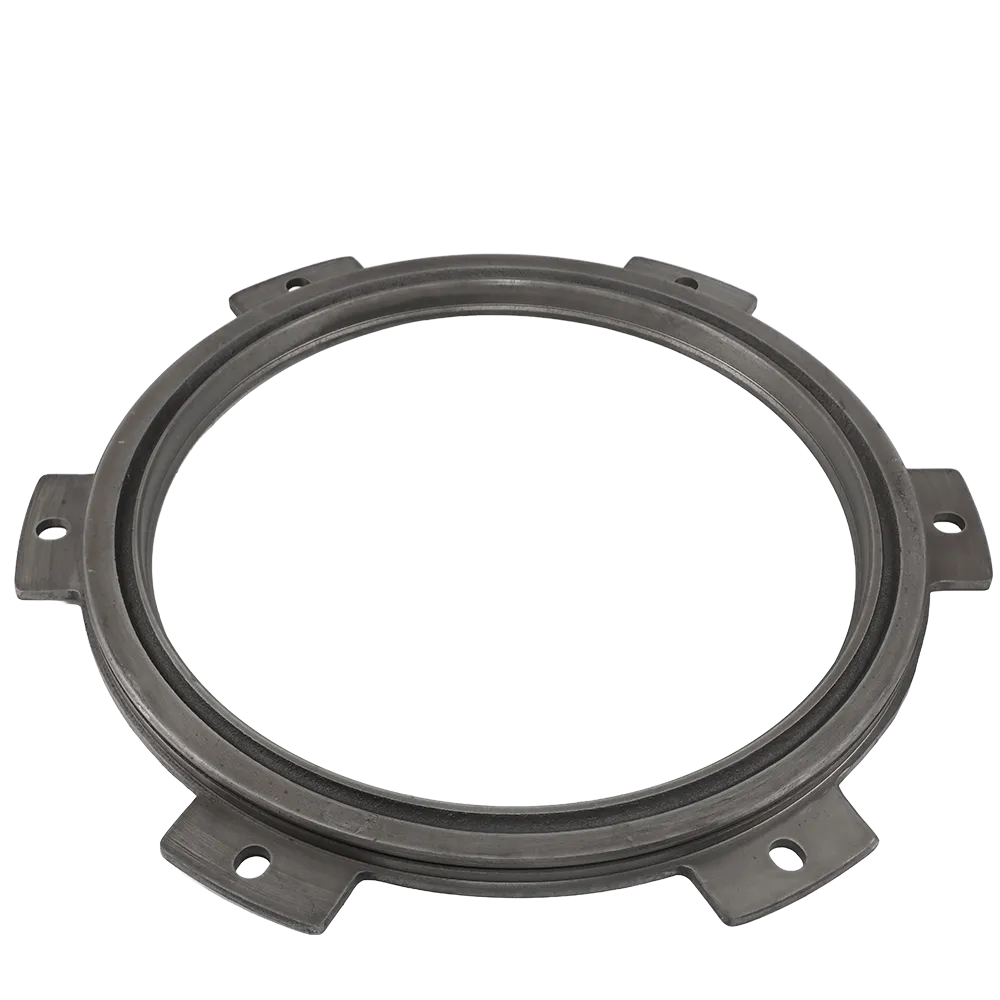
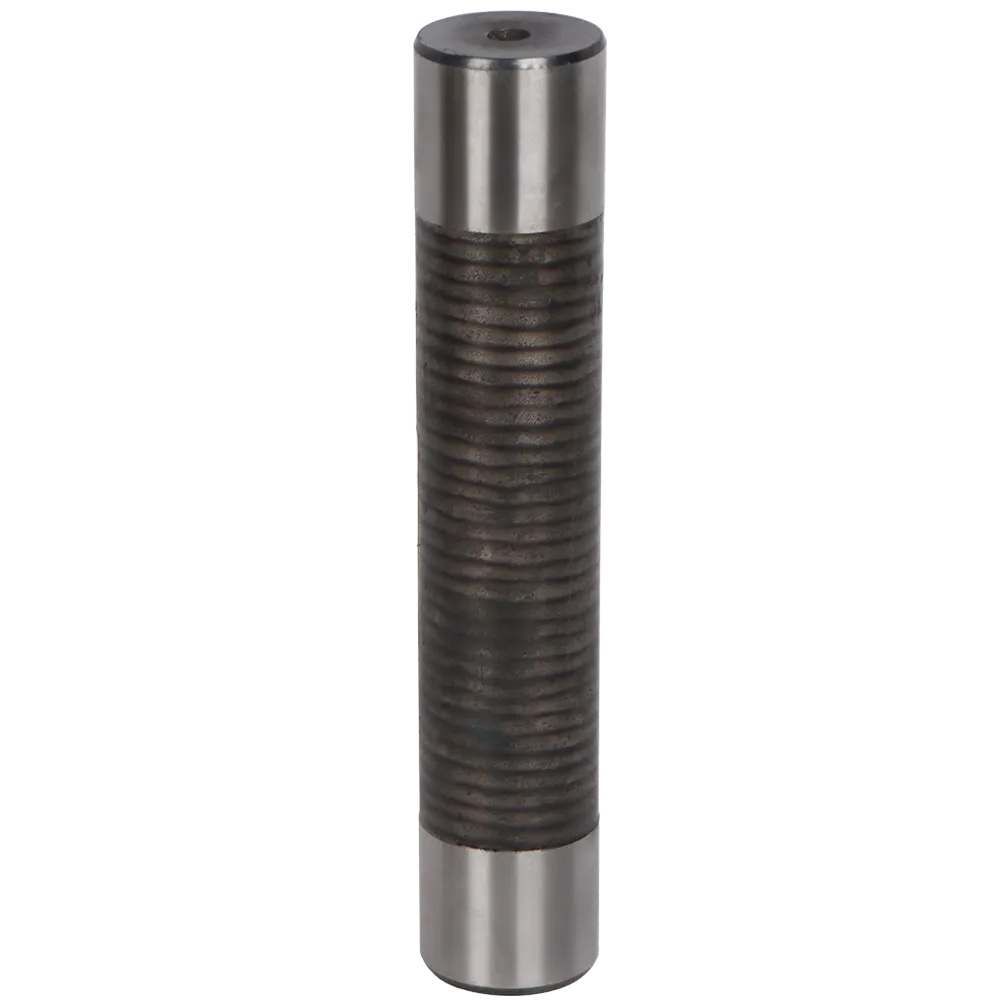
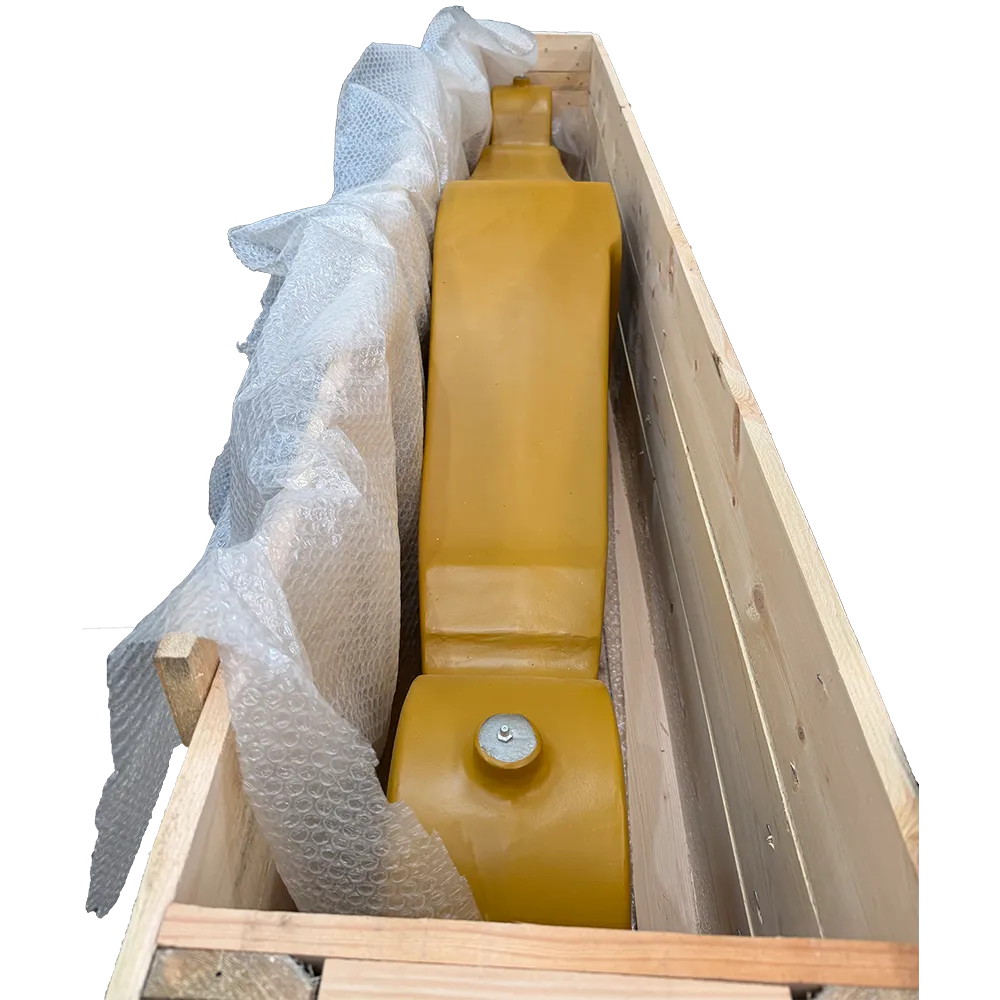
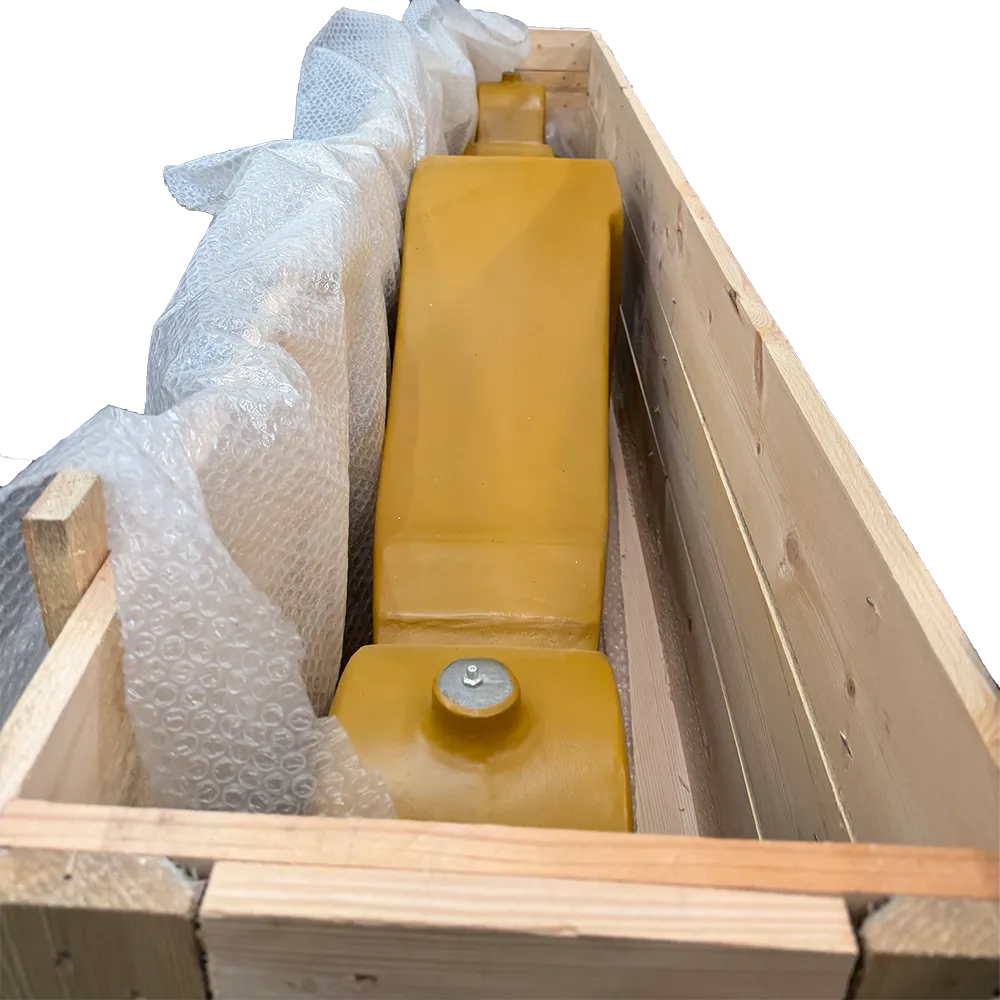
1955000024, 195-50-00024 EQUALIZER BAR KOMATSU

Categories: Transmission & Drive Components
$11.230,00
30 in stock
- Our spare parts are engineered to seamlessly integrate with your machinery.
- Delivery anywhere in the world in max. 10 days
- 1 year manufacturer warranty
- Your transactions are protected by the most advanced security measures.
- Shipping fees are included in the prices of all our products.
Product Video
Product Description
1955000024 / 195-50-00024 Equalizer Bar Komatsu (OEM Supply by 3GEN Export)
When a large crawler dozer is pushing hard in rock, ripping frozen ground, or side-loading on uneven grades, the front undercarriage takes a constant beating. The equalizer bar assembly is one of the key components that helps the machine “breathe” through that abuse, sharing load between left and right track frames, reducing shock spikes, and keeping the front end stable so the blade and steering stay predictable.
The 1955000024 equalizer bar (also searched as 195-50-00024) is built for this exact job: it’s a heavy-duty linkage that supports controlled articulation, protects the chassis from sudden torsion, and maintains consistent track-to-ground contact. If you’re replacing a worn, bent, or cracked unit, choosing a properly manufactured bar is not just a parts decision, it’s a decision that affects bushing life, idler alignment, track wear patterns, and operator comfort.
At 3GEN Export, we supply this component as an OEM supplier solution, built for fit, durability, and long working cycles, and we ship worldwide in 5 working days.
What the equalizer bar does in real working conditions
On paper, the equalizer bar “equalizes” load between track frames. In the field, it does more than that.
It helps the machine:
-
Maintain balanced weight transfer when one track rides over rock or a berm
-
Reduce front frame twist when pushing at an angle
-
Minimize shock loading that can accelerate wear in pins, bushings, and mounts
-
Improve traction consistency, especially in uneven terrain
-
Protect alignment of front-end undercarriage components over long duty cycles
Because this assembly sits at the intersection of stress, movement, and impact, small dimensional inaccuracies can become big problems: noisy operation, rapid bushing wear, ovalized bores, and mounting damage. That’s why the 195-50-00024 is best treated as a precision heavy part, not simply “a bar.”
Part number formats people search (use both)
To help you capture more search variants on your product page, keep these formats visible in the content:
-
1955000024
-
195-50-00024
-
195 50 00024
-
195-50-00024 equalizer bar
-
1955000024 equalizer bar
Using both the “tight” and “hyphenated” part number versions improves discoverability across procurement systems and manual lookups.
Compatible Komatsu models (commonly referenced)
Based on parts-catalog references and listing data, 195-50-00024 is commonly associated with the Komatsu D355A series (notably D355A-3), and it also appears in references that include D355A-5. Always confirm with your machine serial range and parts book before ordering, especially if your machine has been updated or rebuilt.
Commonly referenced fitment
-
Komatsu D355A-3
-
Komatsu D355A-5 (appears in compiled references)
If you share your machine model + serial prefix, you can double-check the correct variation (and any related bushings/pins) before dispatch.
Construction overview: what matters for durability
A high-load equalizer bar is basically a controlled flex-and-pivot component. The durability comes from the “invisible” engineering details:
1) Material and heat treatment strategy
A strong bar is not only about hardness. Too hard can become brittle under shock; too soft can deform and lose alignment. The best performing units balance:
-
Core toughness (impact resistance)
-
Surface strength (wear control around bores and seats)
-
Stable geometry under cyclic loading
This is especially important for machines that do frequent ripping, slot dozing, or push heavy material with repeated impacts.
2) Bore accuracy and coaxial alignment
Most premature failures do not start as a visible crack. They start as micro-movement where it should not exist:
-
Bushing sits slightly loose
-
Bore goes out-of-round under load
-
Grease film breaks down
-
Heat builds up
-
Wear accelerates and spreads to mating parts
That’s why bore machining accuracy and coaxial alignment across mounting points is a major quality separator.
3) Weld quality and stress control (if applicable)
Some manufacturing approaches include welded or fabricated elements depending on design and supplier. When welding is part of the process, correct procedure and stress relief reduce the risk of:
-
Hidden distortion that misaligns mounts
-
Heat-affected zone cracking
-
Uneven hardness that causes localized wear
If your current bar failed near a joint or transition area, it’s often a sign of stress concentration combined with fatigue cycles.
Technical details (typical specs you should list on the product page)
Exact values can vary by manufacturing batch and dozer configuration, so these are presented as procurement-friendly “what buyers care about” specs:
Basic specification checklist
-
Part type: Equalizer bar / front equalizer linkage assembly
-
Part numbers: 1955000024, 195-50-00024
-
Application: Crawler dozer undercarriage / front suspension linkage
-
Mounting: Multi-point pivot support (with bushing seats)
-
Finish: Industrial coating suitable for harsh site conditions
-
Supply: OEM supplier solution from 3GEN Export
-
Shipping: Worldwide delivery in 5 working days (typical dispatch window)
Approximate weight (for logistics planning)
-
Approx. weight: 395 kg (may vary depending on included bushings/pins and packing method)
If you need the exact shipping weight for airway bill planning, request the final packing list before dispatch.
Why the right equalizer bar improves total undercarriage cost
Replacing a failed bar is expensive, but the hidden cost is what happens when a slightly wrong bar stays on the machine:
-
Uneven track wear left vs right
-
Faster idler and roller wear due to alignment drift
-
Repeated bushing replacement cycles
-
Increased vibration felt in the operator station
-
Mounting seat damage that turns into frame repairs
A properly built 195-50-00024 helps keep the entire front-end geometry working as intended. That usually shows up as smoother travel, cleaner steering response, and fewer “mystery” wear problems that keep coming back.
Installation notes (field-friendly, procurement-safe)
This is not a full workshop manual, but these points help prevent common fitment failures.
Before installation
-
Inspect mounting brackets and seats for ovalization, cracking, or burrs
-
Check pin/bushing condition; replacing only the bar while keeping worn mating parts can shorten life fast
-
Clean all grease channels and confirm grease flow paths are open
-
Dry-fit alignment before final torque to avoid forcing the assembly into place
During installation
-
Support the front end properly; do not allow the bar to carry misaligned load during pin insertion
-
Use correct lifting points and straps to avoid coating damage and edge impacts
-
Apply lubrication as specified by your service practice; initial grease film matters
After installation
-
Recheck fasteners and retention after the first working shift
-
Monitor temperature at pivot points during early operation (heat can indicate misfit or lubrication issues)
-
Track “settling” noises: one or two minor sounds can be normal; repeated clunking is not
Maintenance and inspection: extend service life
Even a well-built equalizer bar can be destroyed early by poor lubrication or neglected wear indicators.
Routine checks
-
Grease schedule discipline (especially in wet abrasive conditions)
-
Look for grease purging that contains metallic particles
-
Inspect for lateral play that indicates bore/bushing wear
-
Watch for uneven track tension behavior that can hint at geometry issues
Common failure signals
-
Increasing clunk during turns or when crossing obstacles
-
Visible scoring around bushing seats
-
Grease darkening quickly (heat + contamination)
-
Cracks near transitions or mounting areas
-
Unexplained acceleration of track chain wear on one side
When these appear, it’s usually cheaper to address the root cause early than to replace multiple connected undercarriage parts later.
Why buy from 3GEN Export (OEM supplier + fast global delivery)
Most buyers sourcing heavy linkage components care about three things: fit, durability, and delivery reliability. That is exactly how we operate.
With 3GEN Export you get:
-
OEM supplier sourcing standards focused on fit and working life
-
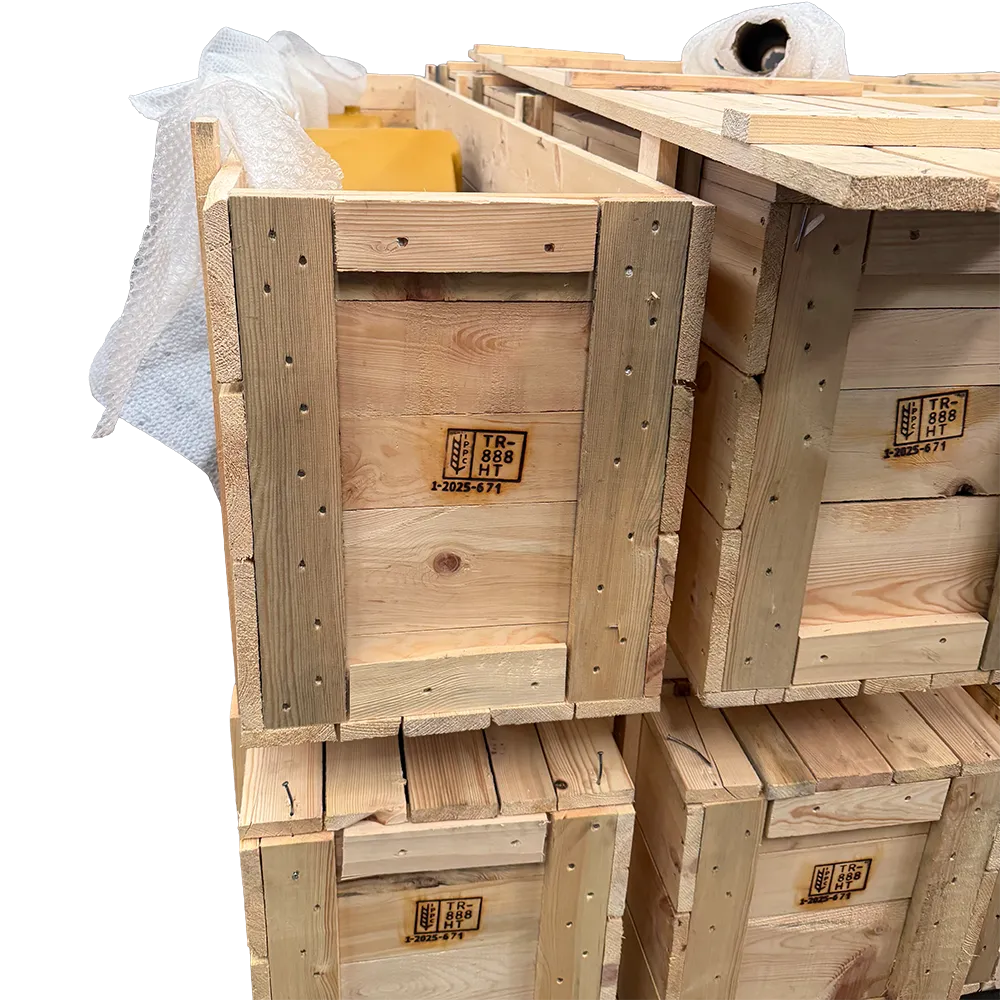
Packaging suitable for long-distance logistics (export-ready crating)
-
Worldwide shipping capability with typical delivery in 5 working days
-
Support for verification using your machine model and serial prefix
If you are building a purchase list, we can also quote the matching bushing/pin set and any related wear items to make the replacement complete, not partial.
FAQ
Is 1955000024 the same as 195-50-00024?
Yes. 1955000024 is a compact numeric format, while 195-50-00024 is the hyphenated catalog format used in many listings.
Which Komatsu dozers commonly use this?
It is commonly referenced for Komatsu D355A5, and appears in compiled references that include D355A-5. Always verify by serial range.
Can I reuse old bushings?
You can, but it often reduces the service life of the new bar. If the old bushings show play, scoring, or heat discoloration, replacing them is usually the smarter total-cost decision.
What if my procurement team needs documents?
We can support standard export documentation needs (packing list, commercial invoice details, HS guidance depending on shipment route) through your order process.
Manufactured in Turkey, these products are made using the latest technologies and built to meet the highest international standards. Each machine is a high-quality copy of the original, ensuring durability, precision, and performance that you can rely on for modern construction and metalworking projects.