Marketplace of Heavy Machinery Spare Parts

23B1512131, 23B-15-12131 SHAFT KOMATSU


Categories: Transmission & Drive Components
$6.750,00
90 in stock
- Our spare parts are engineered to seamlessly integrate with your machinery.
- Delivery anywhere in the world in max. 10 days
- 1 year manufacturer warranty
- Your transactions are protected by the most advanced security measures.
- Shipping fees are included in the prices of all our products.
Product Video
Product Description
23B1512131, 23B-15-12131 SHAFT KOMATSU
The 23B1512131, 23B-15-12131 SHAFT KOMATSU is a drivetrain-side transmission component used in Komatsu grader applications. Public catalog references place this part number in grader transmission groupings, while seller-side listings identify it specifically as a Komatsu grader shaft within transmission and power train categories.
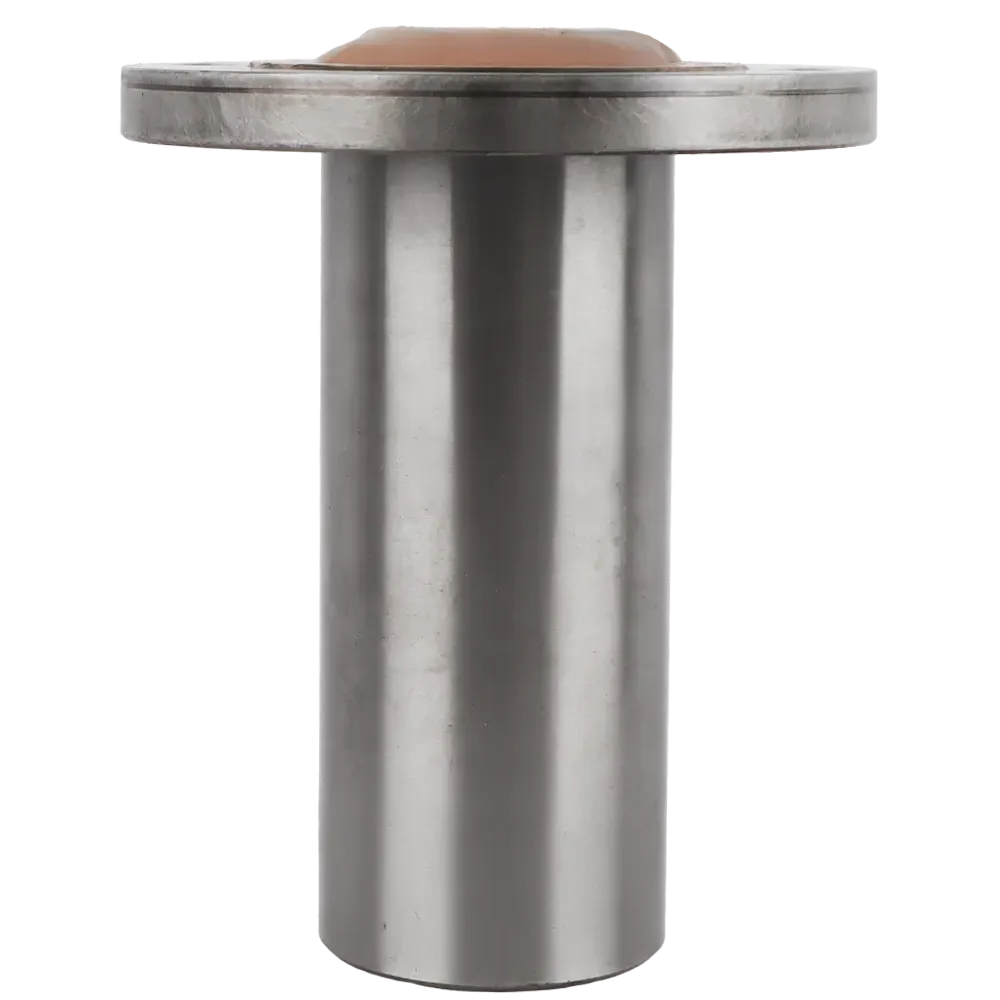
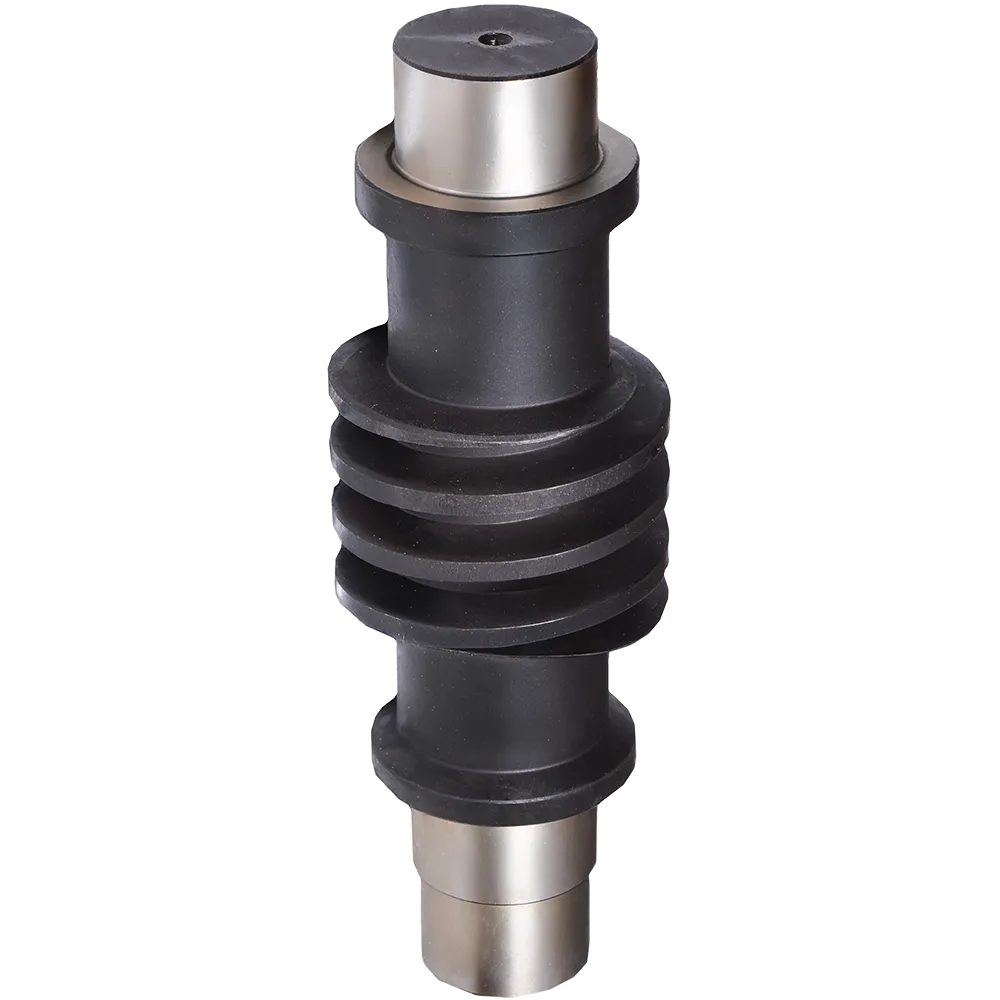
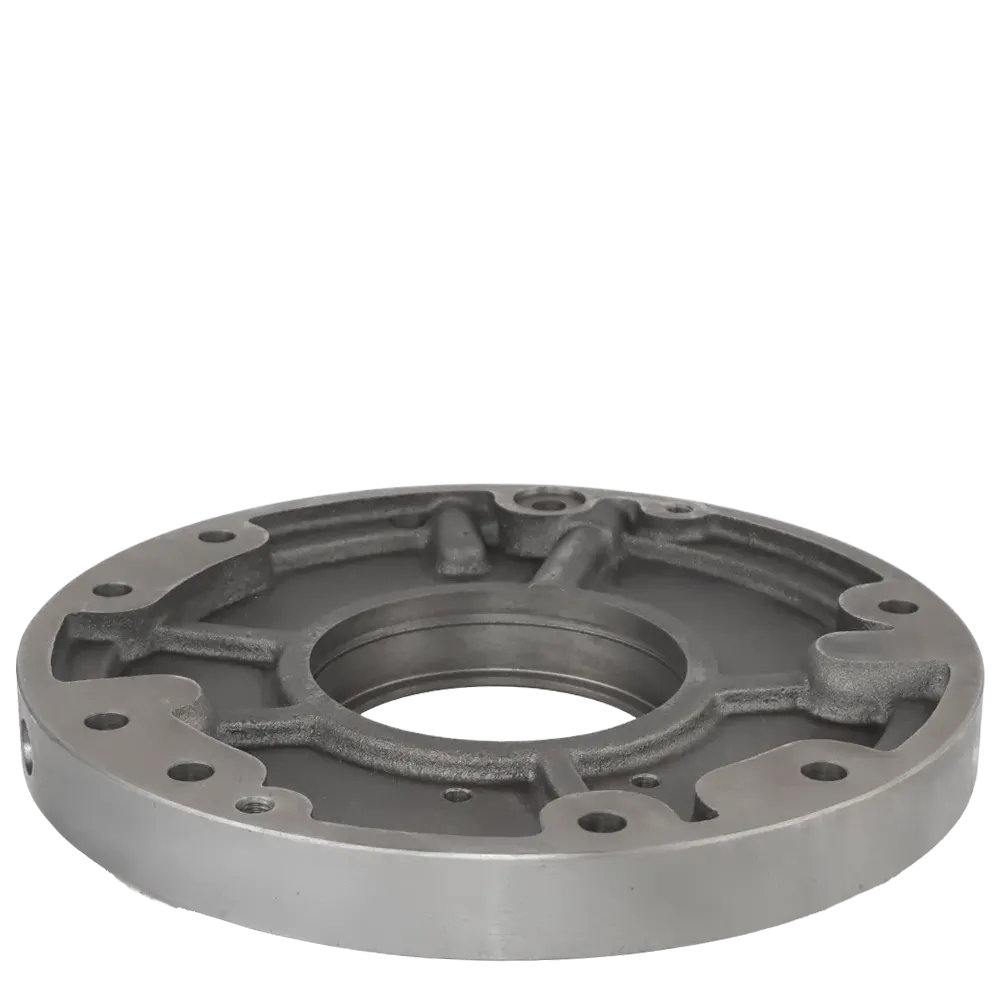
From the uploaded images, this is clearly not a simple straight shaft. It is a heavily machined shaft assembly with a large circular flange, a splined drive section, a stepped central hub, and precision-drilled oil or retention points. In practical terms, that geometry tells buyers they are looking at a shaft designed to do more than rotate. It is built to transfer torque, maintain internal transmission alignment, and interface accurately with surrounding clutch or drive components.
What the 23B-15-12131 shaft does
A part like this works in the heart of the grader power train. In any heavy transmission, the shaft is responsible for carrying rotational force from one internal element to another while keeping the assembly balanced and properly aligned. When a shaft in this area begins to wear, the damage rarely stays local. It can lead to rough engagement, uneven clutch operation, accelerated spline wear, excess heat, and poor power delivery under load.
Public parts references support that interpretation. A GD511A-1 parts-book snippet places 23B-15-12131 in the transmission section related to the low/high clutch and output shaft, while a 3GEN machinery listing connects the same part number to the GD663A-2 transmission section for the low and high speed clutch. That positioning makes it reasonable to describe this component as a clutch-related internal transmission shaft rather than a general-purpose rotating part.
That matters because a grader transmission operates under constantly changing load. Unlike machines that spend most of their time in straight-line travel, graders work while steering, cutting, leveling, and correcting position continuously. A shaft used in that environment must keep torque flow stable even when load, direction, and traction conditions change from moment to moment. That is why buyers looking for 23B1512131 usually need more than a generic listing. They need to know exactly what kind of shaft it is, where it sits, and why its condition affects overall machine performance.
What the product photos reveal
The product images give a lot of useful information even before a machine is opened.
Large machined flange
The wide circular flange is one of the first details that stands out. This is the type of feature normally found where a shaft must seat precisely inside a clutch or transmission assembly. The flange surface appears finely machined, which suggests that flatness, concentricity, and controlled fit are critical to the part’s job.
External splined section
The splined section indicates a positive mechanical connection with a mating internal part. Splines are used where torque transfer must stay accurate and secure without relying on a weaker key-style arrangement. In heavy machinery transmissions, that usually means the shaft is working with clutch-related or hub-related components that see serious rotational load.
Stepped hub and oil-feed style details
The stepped hub and visible drilled passages suggest multiple functional surfaces. These may serve as pilot locations, support lands, lubrication passages, or controlled engagement surfaces depending on the exact internal layout. Even without a factory engineering print, the part clearly belongs to a precision transmission environment rather than an external structural location.
Heavy-duty steel construction
The overall appearance is consistent with a heavy-duty machined steel shaft intended for long service life in a load-bearing drivetrain assembly. The mass of the flange, the depth of the spline section, and the machining quality all point to a component designed for sustained mechanical stress.
Why this shaft matters in real machine operation
A shaft in this position has a direct effect on how power is delivered through the transmission. If spline wear develops, backlash begins to increase. If critical surfaces lose tolerance, the shaft may no longer support the connected clutch or drive members correctly. If heat damage or scoring appears, nearby seals and bearings can begin to suffer as well.
On a grader, the symptoms can show up as harsh engagement, poor response in selected speeds, noise inside the transmission, or abnormal wear on related clutch components. In rebuild situations, a worn shaft is often one of those parts that explains why the rest of the transmission no longer feels mechanically “tight.” Replacing seals or friction-related items without checking the shaft can leave a hidden problem inside the assembly.
That is why buyers and workshop teams often search this code directly instead of searching by a generic part name. They are usually dealing with a real transmission issue and want the correct shaft by part number, not a broad category suggestion.
Compatible Komatsu models
Publicly available references most clearly connect this part number to Komatsu grader transmission applications. Based on the sources currently visible online, the safest model list is the following:
Komatsu GD511A-1
A publicly indexed parts-book entry for GD511A-1 shows 23B-15-12131 in the transmission area tied to the low/high clutch and output shaft, for serial range J20903-up. That is strong evidence of use in GD511A-1 grader transmission assemblies.
Komatsu GD663A-2
3GEN machinery listing connects 23B-15-12131 to GD663A-2 S/N 1001-up in the transmission section for the low and high speed clutch. That makes GD663A-2 another clearly associated application for this shaft code.
Komatsu GD655
A seller-side listing from 3GENEXPORT labels the same product code as a Komatsu GD655 shaft. Because this is a commercial listing rather than a factory catalog page, it should be treated as a useful market reference rather than absolute standalone proof, but it is still relevant for buyers cross-checking grader applications.
Fitment note
Because public references are not completely uniform across all catalog sources, serial number and old-part verification are strongly recommended before final order. That is especially important for grader transmissions, where clutch and output arrangements can differ by model revision or serial break. The online sources agree that this is a Komatsu grader transmission shaft, but the exact application should still be confirmed against the machine’s parts book or removed part.
Technical details and specifications
The open web does not provide a full factory engineering sheet for 23B1512131, so the most responsible way to present specifications is to separate verified catalog facts from image-based interpretation.
Verified catalog details
The OEM number shown in public listings is 23B-15-12131. Seller and catalog references use both 23B-15-12131 and 23B1512131 as search formats, so both variations are worth including on a product page for discovery. Public references also place the part in transmission, power train, or housing-related sections for Komatsu grader applications.
A public seller listing gives the weight as 15.8 KG. Because that figure comes from a seller listing rather than a Komatsu engineering sheet, it is best presented as the listed or market weight rather than an officially certified factory shipping weight.
Image-based engineering interpretation
Based on the uploaded photos, the part can be described as a precision-machined transmission shaft with an integrated flange body, splined drive engagement, stepped central hub, and controlled surface geometry for internal assembly fit. The images suggest a part made for accurate seating inside a clutch or output-related transmission section rather than a free external shaft.
Product specification summary
Part name: Shaft
Part number: 23B-15-12131
Alternative search format: 23B1512131
Brand: Komatsu
Machine family: Motor grader / grader transmission applications
Primary system: Transmission / power train
Known public associations: GD511A-1, GD663A-2, and seller-listed GD655 references
Listed weight: 15.8 KG
Why buyers search this part by code
There are some parts buyers search by description, and some parts they search only by number. This is the second kind. When someone types 23B1512131 or 23B-15-12131, they are usually not browsing. They are matching a removed transmission component, checking a grader rebuild list, or trying to solve a specific power train issue quickly.
That is why it helps to use both part-number styles naturally in the page copy. Search engines and buyers often use different formatting habits. Some search with hyphens, some without, and some combine the number with the word Komatsu or shaft. A strong product page should cover those patterns without stuffing the same phrase unnaturally into every paragraph.
Typical reasons for replacement
A transmission shaft like this is commonly replaced for wear, not because it always fails in a dramatic way. Workshops may order it when spline engagement becomes loose, when support surfaces wear beyond tolerance, or when heat and scoring show that the shaft can no longer maintain proper fit with nearby components.
In rebuild situations, replacement may also happen as preventive maintenance. If the transmission is already apart for clutch, seal, or bearing work, technicians often inspect the shaft very closely. If wear marks suggest that the shaft will shorten the life of the rebuilt assembly, replacing it during the same repair window is usually the smarter long-term decision.
This approach is especially important in grader service, where downtime is expensive and reopening a transmission after a short interval can cost far more than replacing the shaft while the unit is already disassembled.
Installation and inspection guidance
Before fitting a replacement shaft, the mating parts should be checked carefully. A new shaft installed against badly worn spline partners can quickly lose its advantage. The internal spline mate should be examined for thinning, uneven wear patterns, or fretting. If the part works through clutch-related sections, nearby plates, hubs, retainers, and seal surfaces should also be reviewed.
Any bearing-supported areas must be inspected for play or roughness. If the shaft seats against bearing locations or precision-machined lands, the rebuild should confirm that those surfaces remain within tolerance. Clean oil passages and proper lubrication are also critical. A high-quality shaft cannot perform properly in a contaminated transmission.
Because the public references place 23B-15-12131 in clutch-related transmission sections, buyers should think of it as an internal precision component, not a rough-fit part that can be installed casually.
Why this part has strong SEO value
From a product-page perspective, this part has good search potential because it combines several strong buying signals. It has a clear OEM-style part number, it belongs to a high-value transmission category, and it is tied to grader applications where buyers usually search very specifically. That makes number-based SEO especially important.
A page for this product should naturally include the two main part-number formats, the product type, the Komatsu brand, the likely machine family, and the transmission-related context. The goal is not to repeat the exact same phrase endlessly. The goal is to build a page that matches the real search behavior of technicians, fleet parts buyers, and international spare-parts traders.
That is also why the content should explain what the part actually does. Buyers do not only want a code match. They want confirmation that the part belongs to the transmission system they are repairing.
3GEN Export supply advantage
At 3GEN Export, we supply parts like this as an OEM supplier for customers who need dependable sourcing for heavy machinery transmission and power train components. For a product such as the 23B-15-12131 shaft, fast communication and correct part matching matter as much as stock availability. This is not a cosmetic item. It is a repair-critical part that affects machine uptime.
We support global buyers with worldwide delivery in 5 working days, helping workshops, fleet owners, and spare-parts distributors reduce waiting time on urgent grader repairs. That is especially valuable when a transmission rebuild is already underway and the machine cannot return to work until the correct shaft is in place.
Final product evaluation
The 23B1512131, 23B-15-12131 SHAFT KOMATSU is best understood as a heavy-duty Komatsu grader transmission shaft used in clutch-related power train assemblies. Public sources connect it most clearly to GD511A-1 and GD663A-2 transmission sections, while a seller-side reference also links it to GD655. Another public seller lists the weight as 15.8 KG.
From the uploaded images, the part shows the exact kind of precision-machined geometry expected from an internal torque-transfer shaft: a broad flange face, controlled hub steps, and a splined engagement section built for reliable load transfer. For buyers searching by number, this is the kind of component that should be matched carefully by serial number, transmission section, and removed-part marking before purchase.