Marketplace of Heavy Machinery Spare Parts

23B2711441, 23B-27-11441 ROD END KOMATSU






Categories: Transmission & Drive Components
$1.860,00
90 in stock
- Our spare parts are engineered to seamlessly integrate with your machinery.
- Delivery anywhere in the world in max. 10 days
- 1 year manufacturer warranty
- Your transactions are protected by the most advanced security measures.
- Shipping fees are included in the prices of all our products.
Product Video
Product Description
23B2711441, 23B-27-11441 ROD END KOMATSU
The 23B2711441, 23B-27-11441 ROD END KOMATSU is a front-axle steering linkage part used on selected Komatsu grader platforms. Official Komatsu retail pages identify it as a tie-rod end and place it in the front axle / axle support / frame family, while public parts catalogs place the number under front axle tie-rod sections.
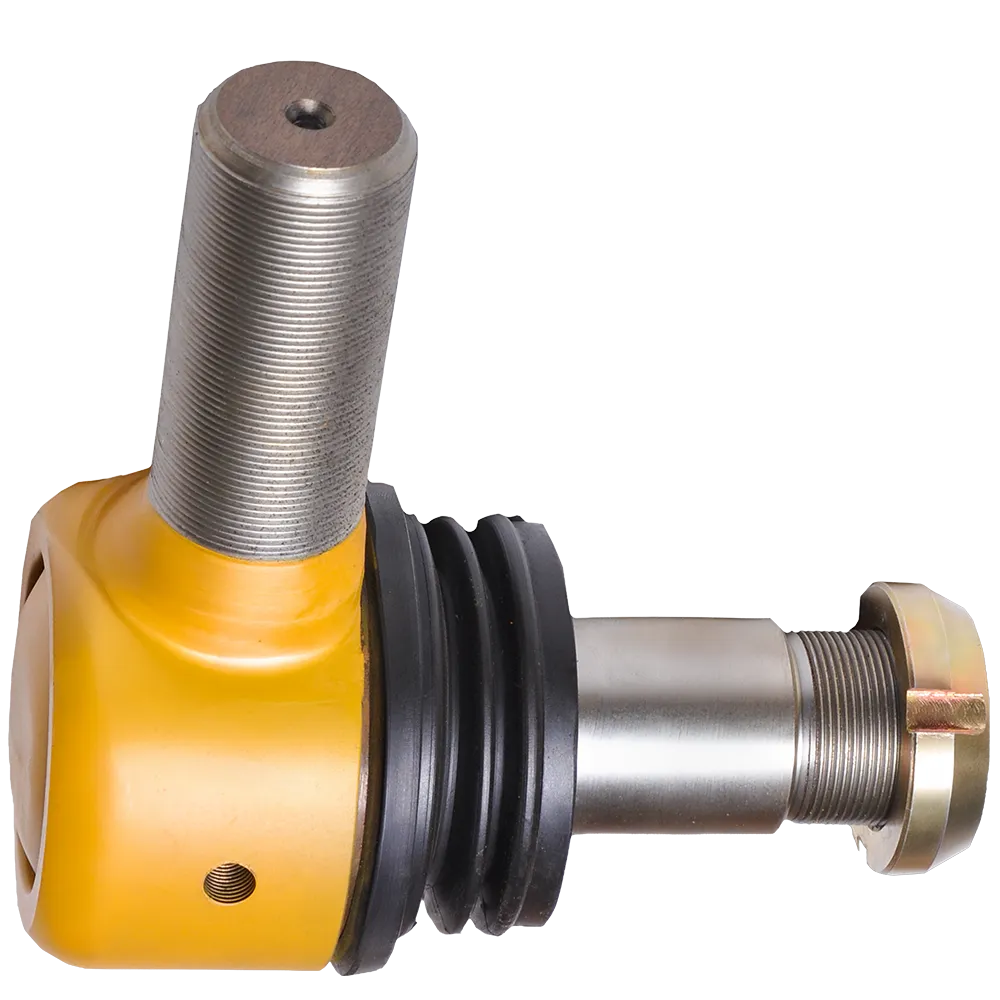
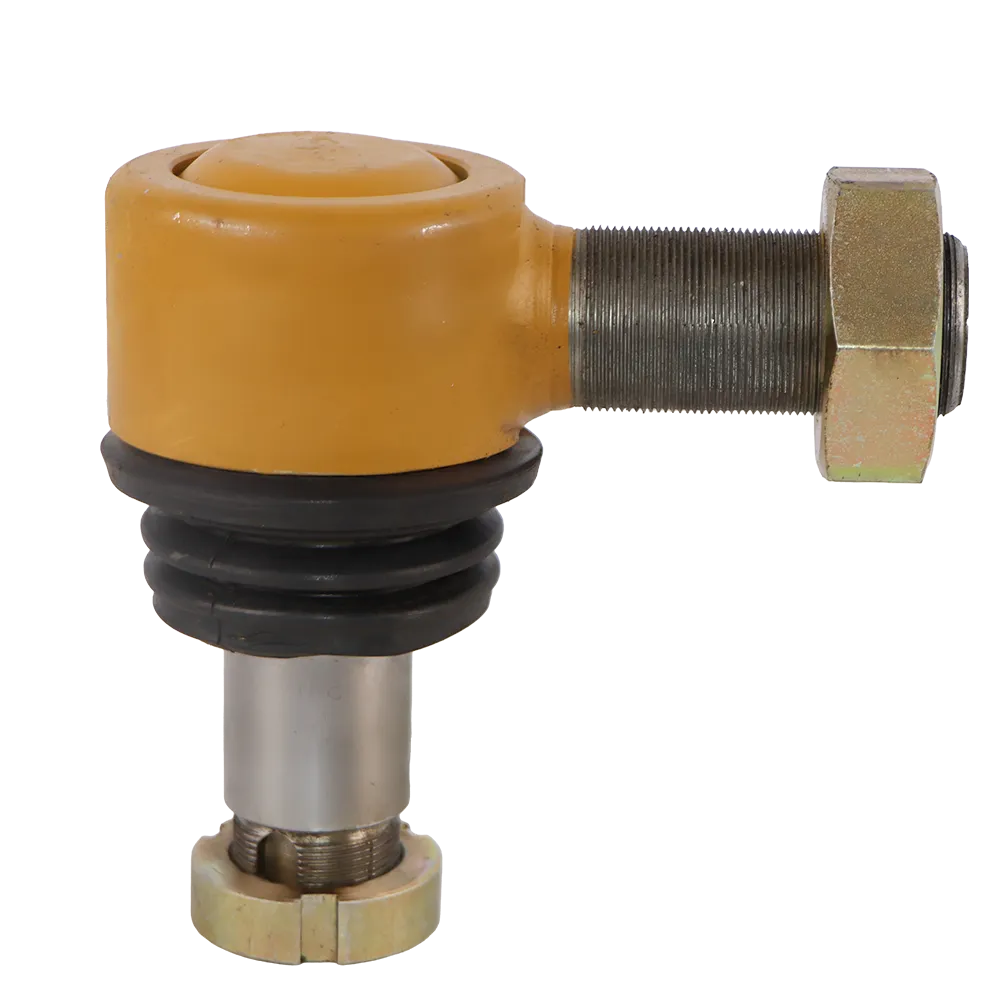
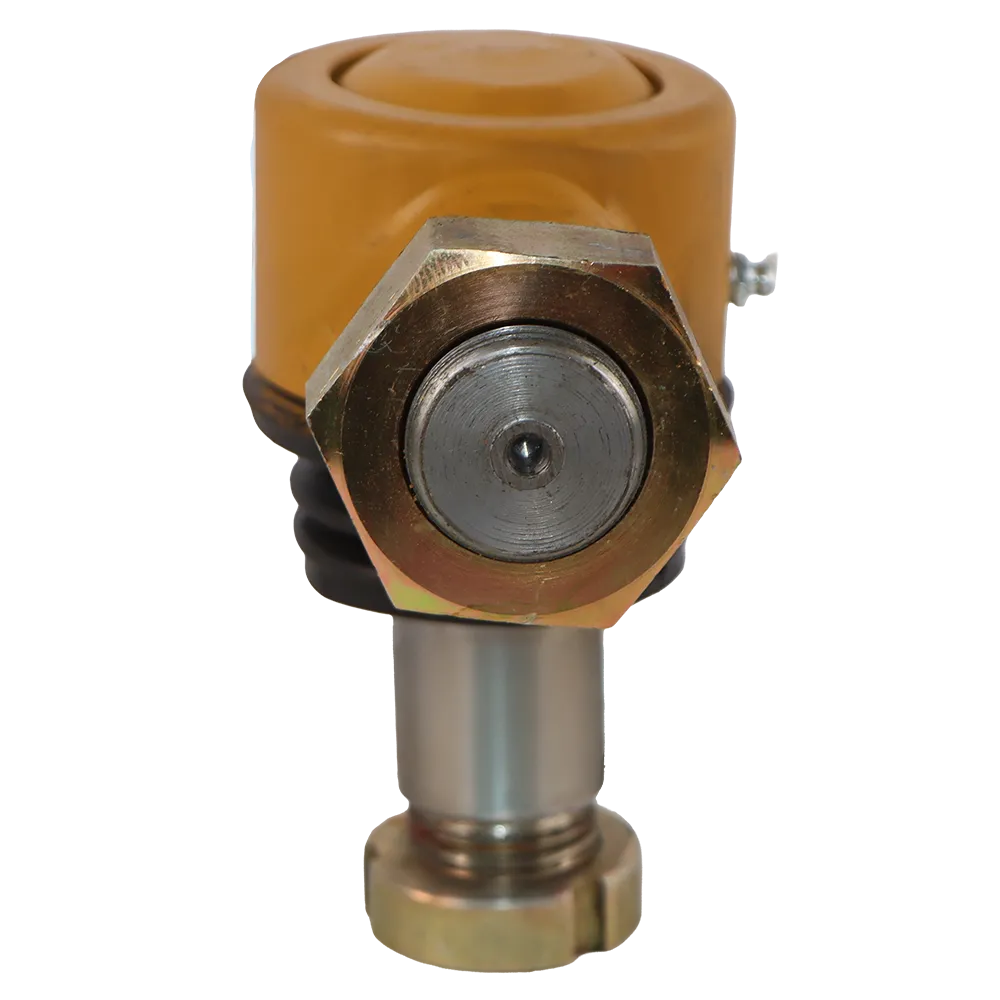
From the uploaded images, this component has the form buyers expect from a grader rod end: a robust yellow joint housing, a large machined threaded arm, a second threaded mounting section, and a black protective boot around the articulating center. That design tells you immediately that this is not a simple connector or a light-duty linkage tip. It is built to sit in a high-load steering position where alignment, articulation, and resistance to dust, vibration, and shock all matter.
For a product page, that distinction is important. Buyers searching 23B2711441 or 23B-27-11441 are usually not browsing casually. They are trying to solve steering looseness, worn front axle linkage, uneven response, or downtime during grader service. A strong listing should therefore speak to function, fit, durability, and installation logic rather than filling the page with repeated keywords.
At 3GEN Export, we present this part as an OEM supplier item for customers who need dependable heavy machinery spare parts with worldwide delivery in 5 working days. That message matters because steering and front-axle components are rarely “nice to have” purchases. They are operational parts that affect machine control, safety, and service scheduling.
What the Part Does
The 23B2711441, 23B-27-11441 ROD END KOMATSU works as a steering linkage endpoint in the front axle tie-rod system. In practical workshop language, this means it helps transfer steering movement through the linkage while still allowing controlled angular motion at the joint. Official and public catalog references consistently connect this part number with front axle tie-rod groupings, which supports that function.
On a motor grader, the front axle assembly is constantly exposed to harsh surface vibration, repeated steering corrections, and shock loads from uneven terrain. A rod end in this area must do two jobs at once. First, it has to stay mechanically secure so the steering geometry remains stable. Second, it has to allow the linkage to articulate smoothly without binding. When the part wears, the machine may begin to show looseness, uncertain steering feel, uneven tire behavior, or extra stress on neighboring front-end components.
That is why the 23B2711441, 23B-27-11441 ROD END KOMATSU should be viewed as a control component, not just a fastening part. Even though it is compact compared with axle housings or cylinders, it directly influences how steering input becomes machine movement. If the grader is working long hours in construction, mining support, road maintenance, or municipal leveling work, the condition of the rod end becomes even more important.
What the Images Show
Heavy-duty joint body
The images show a thick central housing finished in grader-yellow coating. This is the body that supports the articulated joint area and absorbs load in service. The body is visibly stronger than a general automotive-style end, which fits the demands of heavy grader work.
Large threaded shank
One side of the assembly shows a long machined threaded arm. This gives the part strong, positive engagement with the matching linkage connection and also signals that the component is meant for defined fitment, not improvised substitution. On heavy machinery, thread length and thread quality matter because they influence clamping security and adjustment confidence.
Secondary mounting section
The opposite side includes another machined section with threads and locking hardware. That visible arrangement supports the part’s role as a structural steering linkage endpoint rather than a free-moving pin. The geometry is built for a set connection path inside the front axle system.
Protective boot
The black dust boot around the articulated center is one of the most important visible features. It helps protect the moving joint area from dust, grit, moisture, and contamination. In grader service, contamination control is critical because loose abrasive material is always present around the machine.
Service-port provision
A small threaded side opening is also visible on the housing. This suggests provision for lubrication or service hardware depending on the final assembled configuration. For buyers and technicians, that is another sign that the part belongs to a serious serviceable linkage system rather than to a disposable light-duty joint.
Why This Part Matters in Real Operation
A motor grader depends on predictable front-end response. Operators make constant steering corrections while working across crowned roads, loose gravel, compacted fill, and uneven jobsite terrain. The rod end at the tie-rod position helps preserve steering precision by keeping the linkage connected under load while still allowing the necessary articulation. Public listings that place 23B-27-11441 in front axle tie-rod sections line up well with that functional role.
When this type of component wears, problems usually appear as progressive looseness rather than instant failure. The machine may still move, but the front axle linkage no longer feels as clean or consistent. That is why buyers often search by exact part number only after they have already noticed steering play, irregular handling, or visible wear in the joint area.
For fleets, replacing a worn rod end before total failure is usually the more economical choice. A planned repair is far cheaper than downtime caused by a loose steering linkage during active site work. This is particularly true on graders supporting road contracts, quarry access routes, mine infrastructure, or municipal maintenance where machine availability matters every day.
Commonly Listed Komatsu Models
Official Komatsu South Africa listings explicitly show 23B-27-11441 for GD675-3, GD555-3, GD555-5, and GD675-5 model types. Official Komatsu Australia identifies the same number as a tie-rod end in the front axle / axle support / frame category. Beyond that, public cross-catalog sources associate the part with a wider group of Komatsu graders, including GD505A-3, GD510R-1, GD511A-1, GD521A-1, GD521A-1E, GD525A-1, GD555-3A, GD555-3C, GD605A-5, GD605A-5S, GD611A-1, GD621A-1, GD621R-1, GD623A-1, GD625A-1, GD655-3 family listings, GD661A-1, GD663A-2, GD675-3A, GD675-3E0, GD705-5, GD725A-1, and GD755-series listings. Some public catalogs also associate the number with a smaller number of non-grader Komatsu platforms, which is why serial-number confirmation remains the safest buying method.
Because catalogs do not always present the same model range in exactly the same way, the best commercial wording for your page is this: the 23B2711441, 23B-27-11441 ROD END KOMATSU is commonly listed for selected Komatsu grader front axle tie-rod applications, and fitment should be confirmed by full machine model and serial number before order. That phrasing is accurate, buyer-friendly, and technically responsible.
Estimated Weight
Public catalog-style sources list the weight at about 2.1 kg, while another retail listing shows the item at 3 kg. The difference is likely due to seller-side rounding, packing assumptions, or warehouse/shipping conventions rather than a dramatic physical variation in the part itself. For website use, the safest wording is: estimated net weight approximately 2.1 kg, with some commercial listings rounded up to 3 kg.
Technical Overview
Part identification
The number is searched in both styles: 23B-27-11441 and 23B2711441. Public listings also name it as ROD,END or TIEROD END depending on catalog format.
Component type
This is a tie-rod end / rod-end style linkage component used in front axle steering linkage applications on selected Komatsu equipment.
Application zone
Catalog references consistently place it in front axle or axle-support groupings, especially front axle tie-rod sections.
Weight
Estimated at approximately 2.1 kg by public catalog references; some commercial listings round it to 3 kg.
Why Buyers Search This Number
When a buyer searches 23B2711441, it usually means one of three things. First, the old part has already been removed and the machine cannot be reassembled without an exact replacement. Second, the technician has identified steering play or boot damage and wants to replace the component before the problem grows. Third, the fleet manager is building a preventive stock list for high-wear grader front axle parts.
That matters for SEO because the search intent is strong and transactional. People entering this exact number are typically ready to compare fitment, availability, lead time, and supplier confidence. They do not need vague promotional language. They need a clear, technically believable page that explains what the part does, where it fits, and why it matters.
That is why the product page for the 23B2711441, 23B-27-11441 ROD END KOMATSU should balance search visibility with readable engineering language. Overusing the exact phrase weakens the page. Using it at strategic points, then switching to natural references such as this rod end, this tie-rod end, this front axle linkage component, and this steering joint creates a more professional result for both users and search engines.
Service and Replacement Considerations
Inspect the boot carefully
The boot is one of the first areas to check. If it is cracked, torn, or displaced, contamination can enter the joint and shorten service life quickly.
Check for steering looseness
Excessive play in the front linkage often leads technicians back to the rod-end area. Even when wear seems small, the effect on steering feel can become noticeable.
Confirm threaded engagement
Because this assembly uses substantial threaded sections, correct thread condition and correct installation torque are essential. Damaged threads can compromise fit and long-term stability.
Review surrounding linkage parts
Rod ends are rarely inspected alone. During service, check nearby tie-rod components, locking hardware, and adjacent front axle linkage points. Replacing one worn part while leaving heavily worn mating pieces may only solve part of the problem.
Verify exact fitment before shipment
Since public catalogs show a wide model range, serial-based confirmation remains the best way to avoid returns and lost repair time.
Material and Build Character
Based on the images, the component appears to use a high-strength metal body with machined steel connection sections and a protective elastomer boot. The finish combines painted and machined surfaces, which is common for parts that need both corrosion resistance and accurate contact geometry. The long threaded section is especially important because it suggests the part is meant to maintain firm mechanical engagement under repeated steering loads rather than just static load.
This visual construction supports the idea of a durable front-end linkage part for heavy grader service. The housing is not overly thin, the machining appears deliberate, and the joint protection area is substantial. That combination is exactly what buyers want to see when sourcing a steering-related grader spare part online.
Commercial Advantages for Your Website Copy
A strong e-commerce page for this part should accomplish five things at once. It should catch both dashed and non-dashed searches. It should explain function clearly. It should present compatibility responsibly. It should build confidence in the physical construction visible in the images. And it should make the supplier message clear without overloading the page with sales language.
For that reason, the 23B2711441, 23B-27-11441 ROD END KOMATSU page should be positioned as a front axle tie-rod end for selected Komatsu grader applications, supported by model references from public catalogs but always tied back to serial confirmation. That approach is credible for workshops, exporters, resellers, and end users alike.
Why Buy from 3GEN Export
At 3GEN Export, we understand that parts like this are bought under pressure. A grader may be waiting in the yard, a workshop bay may be blocked, or a fleet may need the part before the next job cycle starts. That is why our role as an OEM supplier matters. We focus on correct identification, practical communication, and worldwide delivery in 5 working days.
For a front-axle linkage part, trust is everything. The buyer needs to know the supplier understands what the component is, what it does, and why exact matching matters. The 23B2711441, 23B-27-11441 ROD END KOMATSU is not a decorative product. It is a functional steering component that supports control, stability, and reliable grader operation.
Final Evaluation
The 23B2711441, 23B-27-11441 ROD END KOMATSU is best described as a heavy-duty front axle tie-rod end for selected Komatsu grader applications. Official Komatsu retail sources classify it as a tie-rod end in the front axle family, and public parts catalogs consistently place it in front axle tie-rod groupings. Public fitment references show a broad GD-series application range, while official listings confirm at least part of that grader family directly. Estimated weight is about 2.1 kg, though some retail listings round it higher.
For your website, this makes the part highly searchable, commercially relevant, and technically easy to explain. The visible build quality, the heavy threaded shanks, the protected joint, and the front-axle catalog references all support a clear message: this is a serious steering linkage replacement for demanding grader service, and it should be sourced by exact part number and verified by model and serial data before installation.
Manufactured in Turkey, these products are made using the latest technologies and built to meet the highest international standards. Each machine is a high-quality copy of the original, ensuring durability, precision, and performance that you can rely on for modern construction and metalworking projects.