
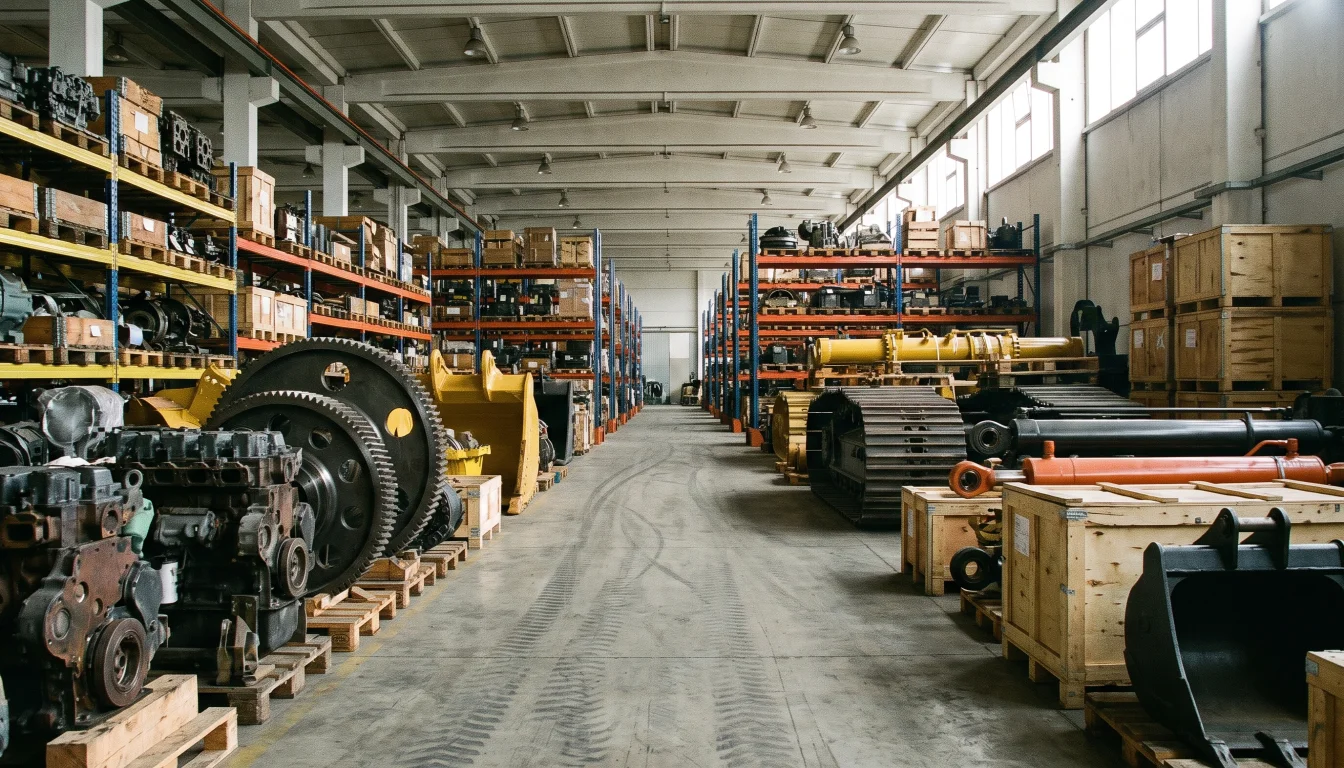
How to Source Heavy Machinery Spare Parts in 2026
Learn how to source heavy machinery spare parts with confidence: OEM vs aftermarket, supplier vetting, and global procurement tips for 2026.
Loading article…
Article Not Found
The article you're looking for doesn't exist or may have been removed.
Back to BlogKey Takeaways
- Knowing your machine's make, model, and serial number is the first step in sourcing the right parts every time.
- OEM, aftermarket, and remanufactured parts each serve different budget and performance needs - choose based on your operational priorities.
- Supplier reliability matters as much as part quality: fast shipping, clear return policies, and technical support reduce downtime.
- Regular maintenance and predictive tools cut emergency sourcing costs significantly over a fleet's lifetime.
- Building long-term supplier relationships gives you pricing advantages and priority access during supply crunches.
- As of 2026, digital procurement platforms and IoT-driven maintenance data are reshaping how global buyers source replacement components.
"The right parts can mean the difference between a smooth operation and costly downtime. Knowing how to source heavy machinery spare parts effectively is essential for any business relying on heavy equipment." - Industry Procurement Expert
Introduction
How to source heavy machinery spare parts is the process of identifying, evaluating, and procuring the correct replacement components for construction, mining, and energy equipment to keep machines running at full capacity.
Why Sourcing Strategy Matters More Than Ever in 2026
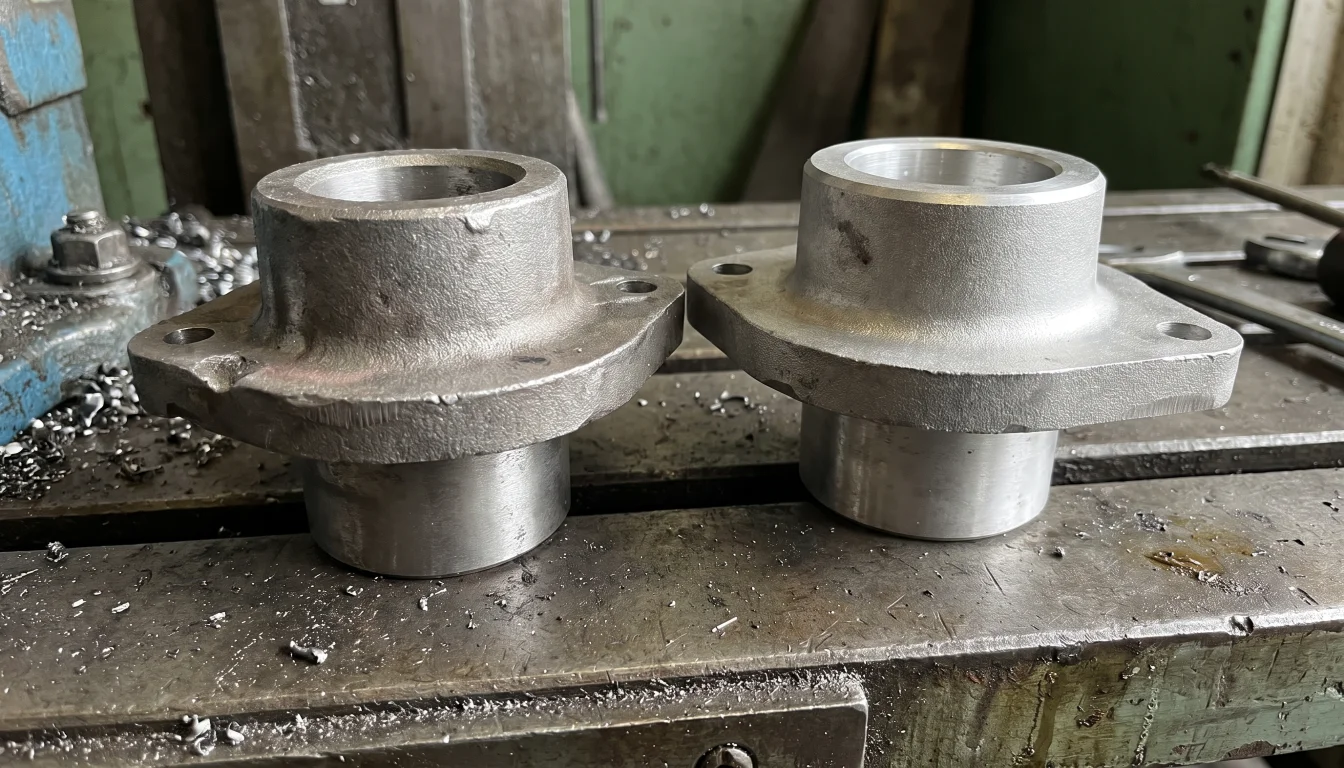
Supply chain disruptions over the past several years have exposed a hard truth: companies without a structured parts sourcing strategy pay for it in downtime, project delays, and emergency freight costs. A single idle excavator on a mining site can cost thousands of dollars per day in lost productivity, according to industry maintenance data. Multiply that across a fleet of 20 or 30 machines and the financial exposure becomes serious fast.
As of 2026, the global heavy equipment aftermarket parts sector continues to grow, driven by aging fleets, rising new equipment prices, and increased demand from infrastructure projects across Asia, the Middle East, and Africa. Buyers who understand how to source heavy machinery spare parts strategically gain a measurable competitive edge over those who rely on reactive, break-fix purchasing.
At 3GEN Export, we've supplied OEM-quality parts for Caterpillar, Komatsu, Volvo, Atlas Copco, and 40+ other brands to procurement teams across more than 60 countries. The patterns we see are consistent: the buyers who minimize downtime are the ones with a sourcing system, not just a supplier list.
"Reactive parts procurement is one of the most expensive habits in fleet management. Companies that shift to planned sourcing cycles typically reduce emergency freight spend by a meaningful margin within the first year." - 3GEN Export Procurement Team
Understanding Heavy Machinery Spare Parts
What are Heavy Machinery Spare Parts?
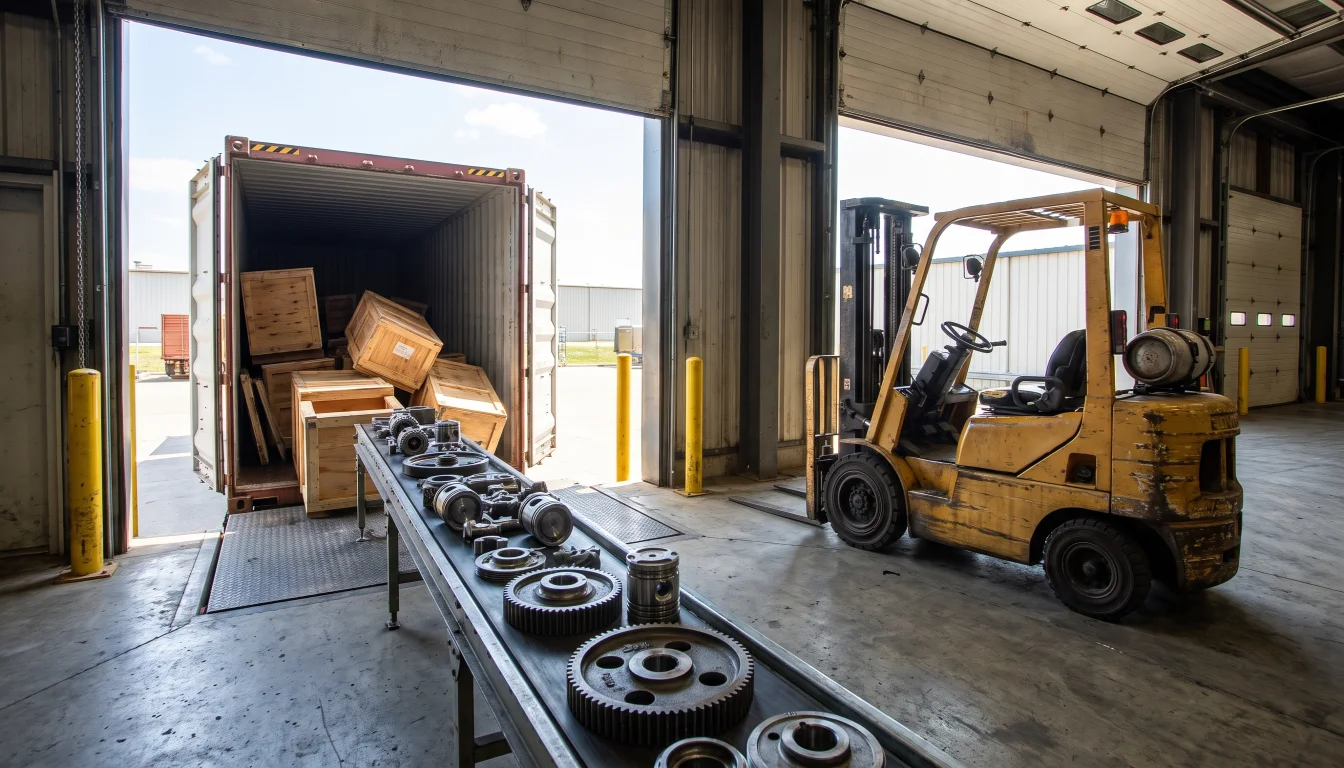
Heavy machinery spare parts are components designed to replace worn, damaged, or failed parts in heavy equipment. These parts range from basic wear items like filters, belts, and seals to complex assemblies such as hydraulic cylinders, final drives, turbochargers, and engine overhaul kits. The correct part for your specific machine depends on the brand, model, production year, and serial number break.
Types of Heavy Machinery Spare Parts
- OEM Parts: Manufactured by the original equipment maker (Caterpillar, Komatsu, Volvo, etc.) or their licensed suppliers. These parts meet exact factory tolerances and typically carry a full manufacturer warranty.
- Aftermarket Parts: Produced by independent third-party manufacturers. Quality varies widely across suppliers. Reputable aftermarket brands can match OEM performance at 20-40% lower cost, but low-quality alternatives can cause premature failure.
- Remanufactured Parts: Cores are returned, fully disassembled, cleaned, inspected, and rebuilt to OEM specifications using new wear components. Remanufactured parts offer a cost-effective middle ground, particularly for high-value assemblies like hydraulic pumps, alternators, and starters.
Pros and Cons of Each Sourcing Approach
Pros
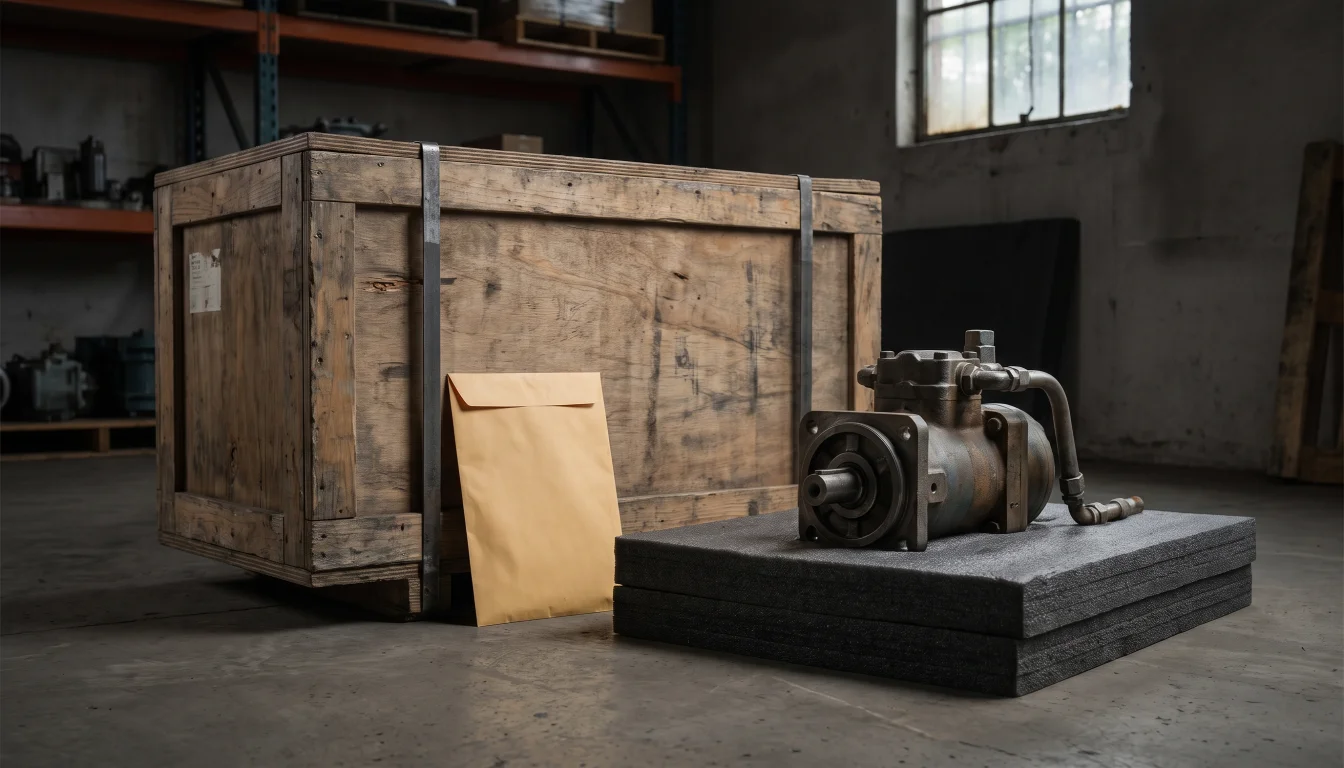
- OEM sourcing: Guaranteed compatibility, full warranty coverage, and manufacturer technical support. Ideal for machines under warranty or operating in high-stakes environments where failure risk is unacceptable.
- Aftermarket sourcing: Lower unit cost, faster availability from local distributors, and broader selection for older or discontinued models. Reputable aftermarket suppliers often stock parts for machines OEM dealers no longer support.
- Remanufactured parts: Significant cost savings on major assemblies (typically 40-60% below new OEM pricing), environmentally responsible, and often backed by warranties comparable to new parts.
- Multi-supplier strategy: Reduces dependency on a single source, improves lead time flexibility, and creates pricing competition that benefits the buyer.
Cons
- OEM sourcing: Higher unit prices and longer lead times, especially for parts shipped from regional distribution centers. Some OEM dealers have limited stock for older machine generations.
- Aftermarket sourcing: Quality inconsistency is the primary risk. Without proper vetting, buyers may receive parts that fail early, void machine warranties, or cause secondary damage.
- Remanufactured parts: Core availability can be a bottleneck. If a usable core isn't available, lead times extend. Not all part categories are available in remanufactured form.
- Multi-supplier strategy: Requires more administrative overhead to manage vendor relationships, purchase orders, and quality tracking across multiple sources.
Best Practices for Sourcing Heavy Machinery Spare Parts
1. Know Your Machine's Make, Model, and Serial Number
Understanding your machine's specifications is the foundation of any sourcing effort. Different makes, models, and production years require different parts, and even machines with identical model numbers can have different internal configurations depending on when they were built. Always keep the machine's nameplate data, serial number, and service history accessible before placing any order.
For Caterpillar equipment, the serial number prefix (known as the machine arrangement prefix) determines which parts catalog applies. For Komatsu machines, the serial number range defines the applicable parts book edition. Volvo CE uses a product identification number (PIN) system. Knowing these details before you contact a supplier saves time and prevents costly ordering errors.
2. Understand Serial Number Breaks
Serial number breaks occur when manufacturers update component designs mid-production run without changing the model designation. A CAT 320D excavator built in 2009, for example, may use a different hydraulic pump configuration than one built in 2012, even though both carry the same model name. Sourcing the wrong configuration means the part won't fit or won't perform correctly.
Always confirm the serial number break range with your supplier before ordering hydraulic components, engine assemblies, or any part where design revisions are common. Reputable suppliers will ask for this information upfront. If they don't, that's a warning sign.
3. Evaluate OEM vs. Aftermarket Parts
OEM parts offer reliability and warranty compliance, making them the right choice for machines under active warranty or for critical systems where failure carries high safety or financial risk. Aftermarket parts can deliver real cost savings when sourced from verified, quality-certified suppliers. The key is evaluating the supplier's manufacturing standards, not just the price.
Ask potential aftermarket suppliers whether their parts are manufactured to ISO 9001 standards, whether they carry product liability insurance, and whether they can provide material certifications on request. A supplier who can answer these questions confidently is worth working with. One who deflects or can't provide documentation is not.
Buying Guide: What to Look For When Sourcing Spare Parts
Knowing how to source heavy machinery spare parts goes beyond finding the cheapest price. Here are the practical criteria our procurement team uses when evaluating any parts supplier or purchase decision.
Compatibility Verification
The part must match your machine's serial number range, not just the model name. Cross-reference part numbers using the OEM parts catalog or a verified electronic parts catalog (EPC) system. For Caterpillar, the SIS (Service Information System) is the authoritative reference. For Komatsu, the PARTS MONSTER or official Komatsu EPC applies. For Volvo CE, use the PROSIS system.
Quality Certification
Look for suppliers who manufacture or source parts to ISO 9001 quality management standards. For hydraulic components, ask about pressure testing certifications. For engine parts, confirm material specifications match OEM tolerances. Certifications aren't a guarantee of quality, but their absence is a red flag.
Lead Time and Stock Availability
Parts availability should always be a top priority to minimize downtime. A part that's 15% cheaper but takes 6 weeks to arrive may cost far more in lost production than the savings justify. Confirm whether the supplier stocks the part or drop-ships from a third party. For critical components, ask about safety stock programs or consignment inventory arrangements.
Warranty Terms
OEM parts typically carry a 12-month or 1,000-hour warranty, whichever comes first, per manufacturer specifications. Quality aftermarket and remanufactured parts should offer comparable coverage. Avoid suppliers who offer no warranty or limit liability to part replacement only, excluding labor and consequential costs.
Return and Claims Process
Before committing to a supplier, understand their return policy for incorrect or defective parts. A clear, documented claims process protects your operation when problems arise. Suppliers who make returns difficult are not partners worth keeping.
Price Range Guidance
Parts pricing varies significantly by category, brand, and source. As a general framework for 2026 market conditions:
- Budget tier (quality aftermarket): Filters, belts, seals, and minor wear items from verified aftermarket suppliers. Typically 20-40% below OEM list price. Suitable for high-turnover consumables.
- Mid-range tier (remanufactured assemblies): Hydraulic pumps, motors, starters, alternators, and turbochargers rebuilt to OEM spec. Typically 40-60% below new OEM pricing. Best value for major assemblies on machines outside warranty.
- Premium tier (OEM new parts): Full OEM pricing for critical systems, warranty-active machines, or components where failure risk is unacceptable. Justified for engine overhaul kits, final drives, and safety-critical components.
Choosing the Right Supplier
1. Work with Authorized Dealers and Verified Exporters
Partnering with authorized dealers ensures access to genuine parts that meet OEM specifications. They also provide technical support and faster sourcing options for current-generation equipment. For older machines or discontinued models, authorized dealers may have limited stock. In those cases, verified global exporters who specialize in hard-to-find parts become essential partners.
3GEN Export maintains stock across 40+ equipment brands, including Caterpillar, Komatsu, Volvo CE, Atlas Copco, Sandvik, Liebherr, and Hitachi. Our team can cross-reference part numbers, confirm serial number compatibility, and ship globally within 5 business days for in-stock items.
2. Assess Supplier Reliability
Choose suppliers known for quality service, fast shipping, and transparent return policies. A reliable supplier reduces downtime and keeps your operation running on schedule. Key reliability indicators include: years in business, brands they're authorized or verified to supply, references from similar-sized buyers, and their ability to provide documentation on demand.
3. Build Long-Term Relationships
Developing strong partnerships with suppliers leads to better service, pricing, and support over time. Suppliers who know your fleet, your typical order patterns, and your operational priorities can proactively flag part shortages, suggest alternatives, and prioritize your orders during high-demand periods. Regular communication and honest feedback strengthen these relationships in both directions.
Brand-Specific Sourcing Considerations
Different OEM brands have distinct parts ecosystems, and knowing how to source heavy machinery spare parts for each brand requires brand-specific knowledge.
Caterpillar (CAT)
Caterpillar operates one of the most extensive dealer networks globally, with authorized dealers in over 190 countries. CAT parts are available through Cat dealers, Cat.com, and verified Cat-authorized rebuilders. For older machines (pre-2000 models), the Cat Reman program offers remanufactured components at significant savings. Common high-demand CAT parts include: 1R-0750 fuel filters, 6I-2501 oil filters, and 9X-8522 hydraulic filters, among hundreds of other catalog items.
Komatsu
Komatsu's global parts network covers over 150 countries. The Komatsu Remanufacturing program (K-REMAN) provides rebuilt components for PC-series excavators, WA-series wheel loaders, and D-series dozers. Komatsu parts are identified by a 6-digit part number system. When sourcing aftermarket alternatives, confirm the part number cross-reference against the Komatsu EPC before ordering.
Volvo CE
Volvo Construction Equipment uses a PIN-based identification system. Volvo's Genuine Parts program covers EC-series excavators, L-series wheel loaders, and A-series articulated haulers. Volvo also offers Volvo Reman parts for major assemblies. For global buyers, Volvo's parts distribution centers in Europe, North America, and Asia provide reasonable lead times for most catalog items.
Atlas Copco and Sandvik
For drilling and mining equipment from Atlas Copco and Sandvik, parts sourcing is more specialized. These brands have narrower dealer networks outside their primary markets, making verified global exporters a critical resource for buyers in Africa, the Middle East, and Southeast Asia. Drill bits, rock tools, compressor components, and hydraulic rock drill parts are among the most frequently sourced items.
Utilizing Technology for Sourcing Parts
1. Inventory Management Systems
Implementing inventory management systems helps track parts availability, usage patterns, and reorder points across your fleet. Modern systems integrate with equipment telematics to trigger automatic reorder alerts when consumable thresholds are reached. This eliminates the reactive scramble for parts after a breakdown and keeps critical spares on hand at all times.
2. Predictive Maintenance Tools
Using telematics and IoT devices provides real-time data on equipment health, helping predict when parts may need replacement before failure occurs. Caterpillar's Product Link system, Komatsu's KOMTRAX platform, and Volvo's CareTrack telematics all provide hour-based alerts, fault codes, and fluid analysis integration. According to manufacturer specifications, predictive maintenance programs can extend component life and reduce unplanned downtime across a managed fleet.
3. Digital Procurement Platforms
As of 2026, B2B digital procurement platforms have made it faster to compare suppliers, verify part numbers, and place international orders with documented quality assurance. Buyers can now request quotes from multiple verified suppliers simultaneously, compare lead times and pricing, and track shipments in real time. This transparency reduces the information asymmetry that historically favored suppliers over buyers.
4. Reverse Engineering Capabilities
Some suppliers offer reverse engineering services for hard-to-find parts, ensuring continued operation of older or specialized machinery. This is particularly valuable for machines that are 15-25 years old, where OEM parts are discontinued and aftermarket alternatives don't exist. Reverse-engineered parts should be validated against original dimensional specifications and material standards before installation.
The Role of Regular Maintenance
1. Importance of Routine Inspections
Regular inspections identify wear and tear early, allowing for planned part replacements rather than emergency sourcing. A hydraulic hose showing external abrasion can be replaced during scheduled downtime for a fraction of the cost of a burst hose that contaminates the hydraulic system and requires a full flush and pump inspection.
2. Common Maintenance Tasks
- Replacing filters (engine oil, fuel, hydraulic, air) at OEM-specified intervals to prevent contamination and premature component wear.
- Lubricating pins, bushings, joints, and bearings according to the machine's lubrication chart to reduce friction and extend component life.
- Checking fluid levels and quality (engine oil, hydraulic fluid, coolant, transmission fluid) at daily pre-shift inspections.
- Inspecting undercarriage components (track links, rollers, idlers, sprockets) on tracked machines every 250-500 hours, per OEM service bulletins.
- Monitoring belt tension and condition on drive systems, replacing before visible cracking or fraying develops.
3. Following Manufacturer Guidelines
Adhering to the manufacturer's recommended maintenance schedule helps anticipate replacement needs and prolong equipment lifespan. OEM service manuals specify replacement intervals for every wear component on the machine. Deviating from these intervals, even by a small margin, can void warranty coverage and accelerate component degradation.
What to Expect: Practical Tips for Global Procurement
For buyers sourcing heavy machinery spare parts across international borders, the process involves more variables than domestic purchasing. Here's what experienced procurement managers account for.
Customs and Import Documentation
Most countries require a commercial invoice, packing list, and certificate of origin for parts imports. Some markets (particularly in Africa and Southeast Asia) require additional documentation such as a phytosanitary certificate or pre-shipment inspection report. Work with suppliers who have experience exporting to your region and can prepare compliant documentation as a standard part of the order process.
Freight Options and Lead Times
For urgent requirements, air freight is the fastest option, typically delivering within 3-7 business days internationally. Sea freight is significantly cheaper for large or heavy shipments but adds 3-6 weeks to lead time depending on the origin and destination ports. For buyers with predictable consumption patterns, consolidating orders for sea freight can reduce per-unit logistics costs by a meaningful margin compared to repeated air freight shipments.
Currency and Payment Terms
International parts procurement typically involves USD or EUR transactions. Establish clear payment terms upfront: T/T (telegraphic transfer), letter of credit, or open account terms depending on your relationship with the supplier. For new supplier relationships, a partial advance payment with balance on shipment is a common and reasonable structure that protects both parties.
Comparison of Parts Options
| Part Type | Typical Cost vs. OEM | Quality Level | Warranty | Best Use Case |
|---|---|---|---|---|
| OEM Parts | Full list price | Highest | Full manufacturer warranty (typically 12 months / 1,000 hrs) | Warranty-active machines, critical safety systems |
| Quality Aftermarket | 20-40% below OEM | Good to High (varies by supplier) | Limited (6-12 months typical) | High-turnover consumables, older machines outside warranty |
| Remanufactured Parts | 40-60% below new OEM | High (rebuilt to OEM spec) | Comparable to new (12 months typical) | Major assemblies: pumps, motors, turbochargers, starters |
| Used / Salvage Parts | 60-80% below new OEM | Variable (condition-dependent) | None or very limited | Non-critical components, short-term fixes, obsolete parts |
Common Sourcing Mistakes and How to Avoid Them
Understanding how to source heavy machinery spare parts also means knowing what not to do. These are the most common and costly mistakes we see procurement teams make.
- Ordering by model name only: Always confirm the serial number range. Two machines with the same model designation can require completely different parts depending on their production date.
- Choosing price over supplier credibility: An unusually low price is often a signal of counterfeit or substandard parts. Counterfeit hydraulic seals and filters are a documented problem in the global aftermarket, and their failure can cause catastrophic damage to expensive assemblies.
- No safety stock for critical wear items: Filters, seals, and belts are predictable consumables. Running out of these items and waiting for resupply is an avoidable and expensive problem. Maintain a minimum safety stock of 2-4 weeks of consumption for your highest-turnover items.
- Ignoring lead times during project planning: Factor parts lead times into your project schedule. If a major service is planned for month 3 of a project, order the parts in month 1. Emergency freight for heavy components can cost 3-5 times the standard shipping rate.
- No supplier qualification process: Buying from unverified suppliers without checking references, certifications, or track record is a risk that experienced procurement managers avoid. A single bad batch of parts can cost more than years of savings from lower unit prices.
Frequently Asked Questions
What are three types of spares?
The three main types of heavy machinery spare parts are OEM parts (made by the original manufacturer), aftermarket parts (produced by independent third parties), and remanufactured parts (rebuilt cores restored to OEM specifications). Each type serves different budget and performance requirements, and the right choice depends on the machine's age, warranty status, and the criticality of the component being replaced.
What do I need to use heavy machinery?
Operating heavy machinery requires proper operator training and certification, appropriate personal protective equipment (PPE), and a maintained machine with all safety systems functional. From a parts perspective, you need a reliable supply of consumables (filters, lubricants, belts) and a sourcing plan for wear components before they reach end of service life.
What is a recommended spare parts list?
A recommended spare parts list includes high-turnover consumables (engine oil filters, fuel filters, hydraulic filters, air filters), common wear items (belts, seals, O-rings, track components), and critical fast-moving parts specific to your machine model. OEM service manuals typically include a recommended spare parts list for each machine, organized by service interval. Maintaining 2-4 weeks of safety stock on these items is standard practice for well-run fleets.
What are machinery spares?
Machinery spares are replacement components designed to restore functionality to heavy equipment that has worn out, failed, or been damaged. They cover everything from minor consumables like filters and seals to major assemblies like hydraulic pumps, final drives, and engine overhaul kits. The correct spare for any machine is determined by the OEM parts catalog for that specific make, model, and serial number range.
How can I ensure the quality of spare parts?
To ensure quality, purchase from authorized distributors or verified suppliers with documented quality management systems (ISO 9001 or equivalent). Request material certifications and test reports for critical components. For aftermarket parts, ask for references from buyers in your industry and confirm the supplier's return and warranty policy before placing an order. Counterfeit parts are a real risk in the global market, so supplier vetting is not optional.
When should I replace parts?
Parts should be replaced based on three triggers: the OEM-specified service interval (hour-based or calendar-based), inspection findings showing wear beyond acceptable limits, and telematics or diagnostic data indicating degraded performance. Waiting for visible failure before replacing wear components is the most expensive approach. Planned replacement during scheduled downtime costs a fraction of emergency replacement after a breakdown.
How do I find spare parts for older or discontinued machinery?
For machines where OEM parts are no longer available, the best options are: verified aftermarket suppliers who specialize in legacy equipment, remanufactured parts programs, salvage yards with inspected used components, and global exporters who maintain stock of discontinued part numbers. Reverse engineering is also an option for specialized components with no aftermarket alternative. 3GEN Export regularly sources parts for machines 20+ years old across all major brands.
Ready to simplify your parts procurement? Shop OEM-quality spare parts with global 5-day delivery at 3genexport.com. Our team is available to cross-reference part numbers, confirm compatibility, and support your sourcing needs across 40+ equipment brands.